
Reviewed · MARAS SALT MINES
From Ollantaytambo: Moray, Maras, and Chinchero Guided Tour
This 1-day Sacred Valley loop is interesting because it strings together three Inca ideas you can still see in action: farming experiments, salt production, and textile craft, starting right from Ollantaytambo and ending back there. You get a tight route with real-world context, not just photo stops, especially around Moray.
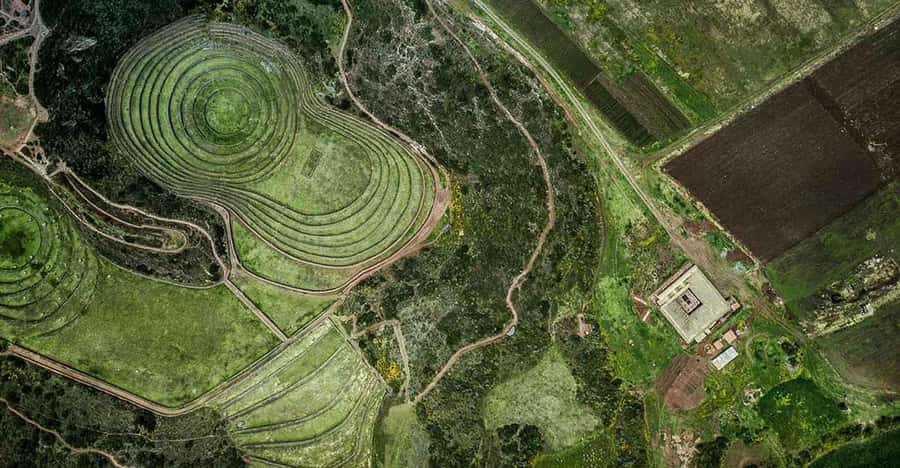
I love that Moray lets you understand the Inca agricultural laboratory concept, with circular terraces that create different microclimates plus an irrigation system tied to how the place worked. I also like that Maras is about a living industry, with salt pools still used by local families.
One possible drawback to plan for: some key expenses are not included, so you’ll want to budget for the Cusco Tourist Ticket and the Salineras entrance fee so the day stays stress-free.
Key points before you go
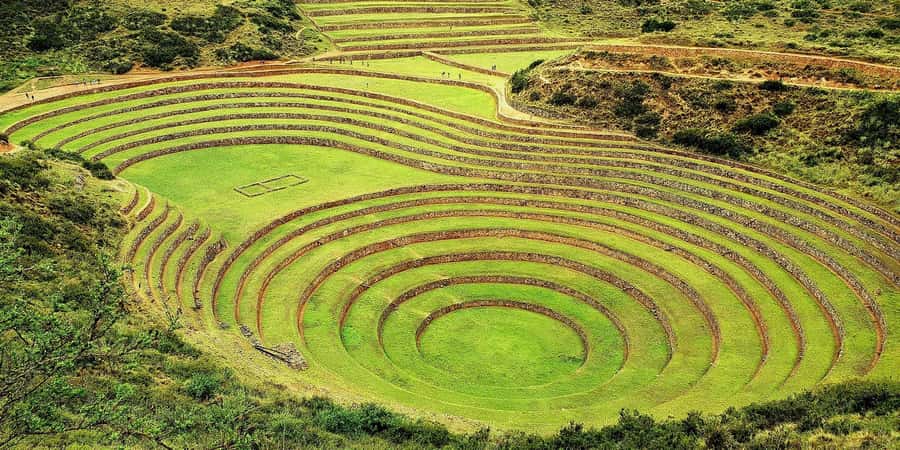
- Moray’s circular terraces help you grasp how the Incas tested crops using microclimates.
- Maras salt pools are still active, with lots of small basins used to extract salt.
- Chinchero textiles focus on turning wool and cotton into yarn, then dyeing with natural pigments.
- Round-trip transport from Ollantaytambo saves you the puzzle of logistics in the Sacred Valley.
- Guide quality matters, and names like Juan Carlos and Yasmina show how strong guiding can make the day.
A one-day Sacred Valley circuit that starts and ends in Ollantaytambo
This tour is built for people who want the Sacred Valley highlights without spending their whole day figuring out transport. You begin with pickup at a meeting point in Ollantaytambo, then go out into the Cusco Region for three main stops, and return to town afterward.
At $80 per person for a 1-day guided route with tourist transportation, the value comes from the combination: you are paying for someone to handle the driving and sequencing, while you get guided interpretation at each location. If you tried to DIY this, you might spend more in taxis, plus you would still need to line up entry timing and figure out what you are looking at.
The other value is the shape of the day. It is not just a list of ruins. It is a storyline. You move from the Inca way of experimenting with farming (Moray) to the Inca way of extracting and trading resources (Maras salt), then to the Inca and post-Inca way of producing clothing through fiber work (Chinchero). That “connective tissue” helps a lot if you have limited time in the Cusco area.
More of Chinchero:
- Cusco:Chinchero,Moray & Salt Mines drop-off in Ollantaytambo
★ 4.8 · 793 reviews - Sacred Valley: Chinchero, Moray, Ollantaytambo & Pisac+Lunch
★ 4.8 · 501 reviews - Cusco:Sacred Valley Pisaq,Ollantaytambo,Chinchero with Lunch
★ 4.8 · 183 reviews
Moray terraces: the Inca farming lab you can actually understand
Moray is the first stop for a reason. Even if you only have a few hours, this site gives you something concrete to interpret.
You will see the circular terrace layout that the Incas used as an agricultural laboratory. The terraces are not just architecture for looks. They were used to create different microclimates. In plain terms, the terraces and elevation variations helped create conditions that could support different growing possibilities.
As you walk around the terraces, your guide should point out two key things that make Moray click:
- How the terraces affect temperature and exposure, which is what “microclimates” means on the ground.
- How irrigation supported the system, so it was not just a theory, it was a practical setup.
Practical tip: wear shoes you trust on uneven stone. Moray is the kind of place where comfort matters because you will want to slow down and look closely, not just speed through for the main viewpoint. Also bring your sunscreen. The terraces can feel open and exposed once you get walking.
One more consideration: Moray is a great start to set expectations. If you are not a huge ruins person, this is still worth it because the explanation turns it into “how it worked,” not only “what it looked like.”
Maras salt mines: seeing 2,000 working pools in the middle of the Sacred Valley
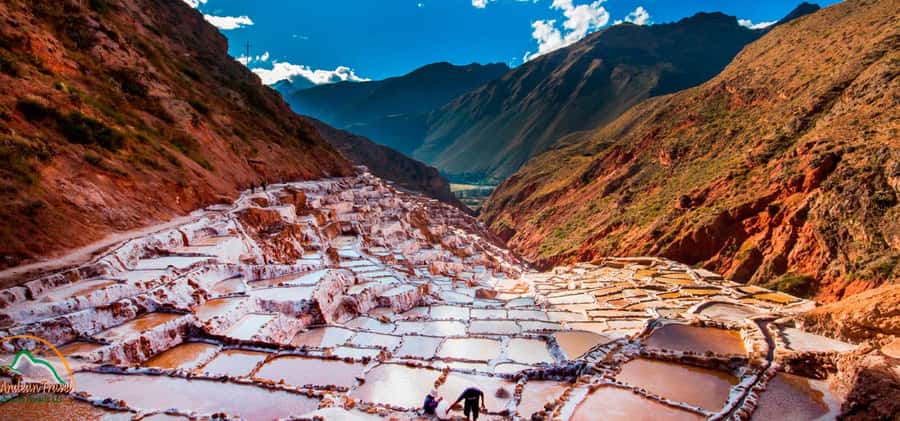
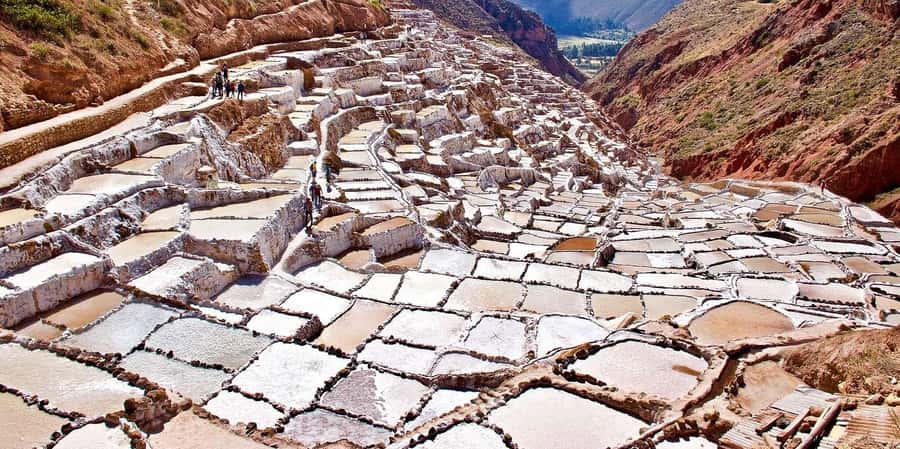
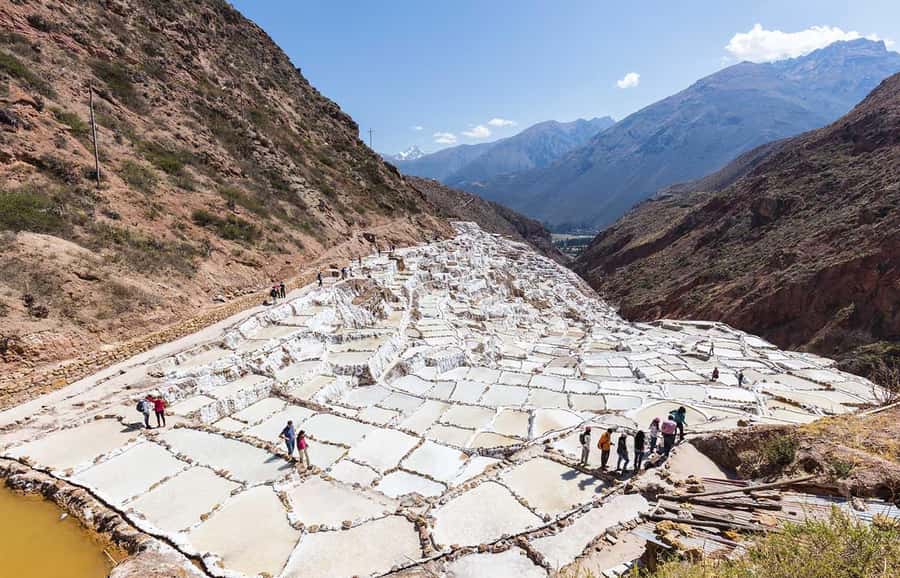
After Moray, you head to the salt mines of Maras, known for the salt pools carved into the hillside. The scale is part of the wow factor: you are looking at around 2,000 pools.
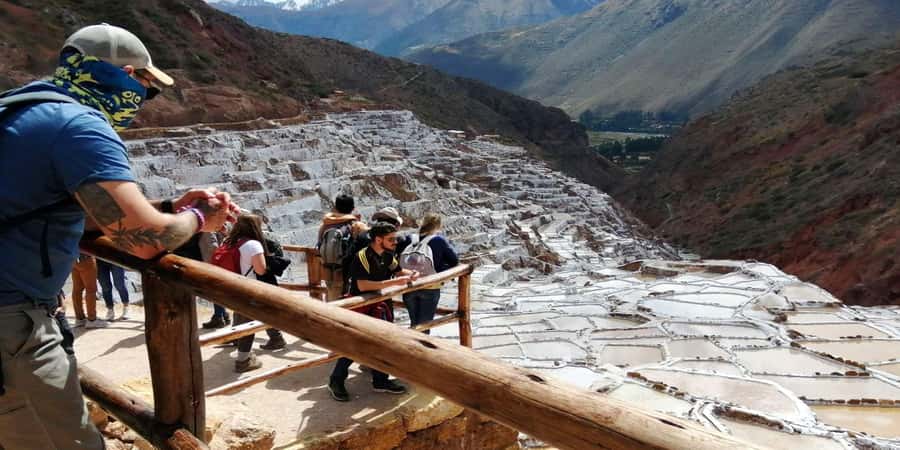
What makes Maras special is that it is not frozen history. The pools are still in use by local families extracting salt using traditional methods. So when you look at the grid of small basins, you are seeing an industry that continues today, not just an archaeological photo backdrop.
How to get more out of the visit:
- Pay attention to the fact that these pools are small. The beauty here is pattern plus labor, not “one big dramatic pool.”
- Take your time to understand the process your guide explains. Even a simple overview helps you connect the water flow, the evaporation idea, and why so many basins exist.
Costs matter at Maras. The Salineras entrance is not included in the tour price. Plan for that separate fee so you are not stuck at the payment moment with only your daypack and hope. If you already have the Cusco Tourist Ticket, you may be able to use it to cover some of your site costs. One person noted using it for two locations on a similar day, and that is the kind of planning that can reduce what you pay separately.
This stop also tends to be a photo favorite. If you want the best shots, keep your camera ready during the slow moments when you are waiting for group pacing. The route and timing can help too. I like routes that let you reach sights before larger tour buses hit the busiest points, and this day can be set up that way depending on the day’s flow.
Chinchero textile craft: wool, cotton, and natural dyes you can picture
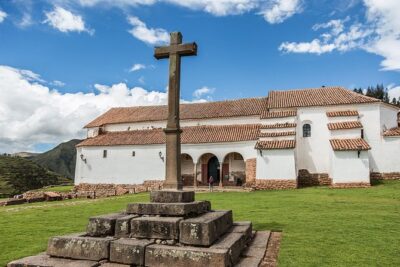
Then comes Chinchero, and this stop feels different from Moray and Maras in the best way. Instead of agriculture or salt, you focus on fiber and clothing production.
In Chinchero, you will visit a textile interpretation center where you learn the traditional steps used to transform wool and cotton into yarn. The guiding goal is to help you understand the craft process in sequence, from fiber work to the final color stage.
One of the most memorable parts for many people is the dye lesson. You will see how yarn is dyed using natural pigments. That matters because it changes how you look at the final colors. You start noticing that colors are not random. They connect back to the materials and processes used in the region.
What I’d do as you’re there:
- If you can, ask your guide to explain how the steps connect, not just what each step is. You will remember the “workflow” better than a list of facts.
- Bring a phone camera if you like details. You might want close-ups of yarn stages, tools, and any visual examples shown in the center.
Also, Chinchero is a good “mental reset” stop. Even if you love history, a craft-focused segment keeps the day from becoming one long walking loop.
More of Ollantaytambo:
- Cusco: Sacred Valley, Pisac, Ollantaytambo, Salt Mines Moray
★ 4.6 · 1,058 reviews - Pisac Indian Market and Ollantaytambo Fortress with Lunch
★ 4.5 · 395 reviews - Combo Sacred valley Pisac Moray Salt mines and Ollantaytambo
★ 5.0 · 202 reviews - Full-Day Excursion to Sacred Valley, Pisac and Ollantaytambo from Cusco
★ 4.5 · 174 reviews
Price and value: what you pay, what you still need to cover
Let’s make the numbers real.
You pay $80 per person for a 1-day guided tour with professional guide and tourist transportation. You are also getting round-trip convenience from Ollantaytambo, which is a real time saver.
Not included are:
- Tourist ticket: 40 soles for nationals, 70 soles for foreigners.
- Entrance to Salineras: 20 soles.
That means your true day cost is a little higher than the headline price once you add site fees. The smart move is to treat the tour price as the guide and transport cost, then add ticket costs on top. If you already know you will visit multiple Sacred Valley stops, getting the Cusco Tourist Ticket can be an efficient way to manage entries. One key detail from a real day experience is that the ticket was used for two locations on that itinerary, which suggests the ticket can offset some of what you would otherwise pay per site.
If you want to keep your budget simple:
- Bring a bit of extra cash or confirm payment options for site entrances.
- Plan for the Salineras entrance fee separately.
What the day feels like on the ground: timing, walking, and group pace
This is a 1-day tour, and that usually means a few things:
- The schedule is “tight by design,” so there is less time for wandering off on your own.
- The group pace matters more than usual. When the guide is good, it feels smooth. When it is not, you feel rushed.
In at least some departures, the guide can make a huge difference. People have credited guides such as Juan Carlos for excellent English, lots of answers to questions, and even helping with photos. Another guide mentioned by name was Yasmina, also described as amazing. That tells me the guiding component can be a real asset here, especially for understanding what you are seeing at Moray and how to interpret the craft at Chinchero.
Still, there is one caution worth respecting. A bad logistics day can happen anywhere, including missed pickup or miscommunication. If you book this tour through Inspires Viagens, I’d do two things to protect your day:
- Save the pickup details and keep your phone available.
- Double-check the pickup timing and meeting point in advance, then again the morning of.
That simple habit can prevent a lot of stress.
As for walking, you should expect:
- Enough walking that comfortable shoes are essential.
- Sun exposure, since you will be outdoors for multiple stops, so sunscreen and a sun hat help a lot.
If you get hungry, plan accordingly. One person noted lunch around 13:30 after the main stops. The tour listing does not specify lunch is included, so assume you might need to wait for food and pack a snack just in case.
Your packing list: small items that save the day
This tour gives you a very practical packing list, and I agree with it. You’ll want:
- Comfortable shoes for walking on uneven ground
- Sun hat and sunscreen
- Camera for Moray terraces, the view moments, and Maras’s patterns
- Water because you are outside for hours
I’d also add one personal rule: pack something small you can eat. Even if lunch timing works out, it is nicer to have a snack to avoid the late-afternoon energy crash.
How accessibility and comfort factor into your decision
This tour is not suitable for wheelchair users. That is important if you need step-free access. Also, expect uneven surfaces at Moray and the salt pools area.
Beyond mobility, think about comfort in terms of sun, walking, and stamina. This day is a strong choice if you are the kind of person who likes guided explanations and you do not mind short walking segments between viewpoints.
Who should book this tour, and who should skip it
Book it if:
- You want a single day that covers Moray, Maras, and Chinchero with interpretation at each stop.
- You like learning how systems work, farming at Moray, salt extraction at Maras, and dyeing and yarn making in Chinchero.
- You prefer transportation included, especially since starting in Ollantaytambo is part of the convenience.
Skip it if:
- You need wheelchair access, because it is not suitable.
- You are sensitive to disruptions in day-of coordination, since the experience can hinge on pickup and clear communication.
Should you book the Ollantaytambo Moray, Maras, and Chinchero guided tour?
If you have limited time and you want the Sacred Valley’s three big themes in one day, this tour is a strong option. Moray is the best “learn how it worked” stop, Maras gives you the most living, human-scale production story, and Chinchero rounds the day out with craft and color that is easy to connect to the region.
My main advice is about budgeting and prep. Factor in the Cusco Tourist Ticket and the Salineras entrance cost so the day does not surprise you. Also, do a quick confirmation of the pickup details the day before and again in the morning.
If you do those two things, you are set up for a smooth, meaningful route that feels like more than just passing ruins.
FAQ
How long is the tour?
It runs for 1 day.
Where does the tour start and end?
It includes pickup at the meeting point in Ollantaytambo, and you return to Ollantaytambo after the tour.
What is the price?
The price is $80 per person.
What is included in the tour price?
Pickup at the meeting point in Ollantaytambo, tourist transportation, and a professional guide are included.
What tickets or entrances are not included?
The Cusco Tourist Ticket is not included, and the entrance to Salineras is not included.
How much is the Cusco Tourist Ticket?
It is listed as 40 soles for nationals and 70 soles for foreigners.
How much is the Salineras entrance fee?
The Salineras entrance fee is listed as 20 soles.
What languages are the guides?
The tour includes a live guide in Spanish and English.
Is the tour wheelchair accessible?
No, it is not suitable for wheelchair users.
What should I bring?
Bring comfortable shoes, a sun hat, a camera, sunscreen, and water.
More Visits to the Moray Terraces
- From Ollantaytambo:Moray, Salt Mines, Chinchero end in Cusco
★ 5.0 · 42 reviews - from Cusco:Chinchero,Moray & Salt Mines drop-off in Ollantaytambo
★ 5.0 · 40 reviews - Sacred Valley: Chinchero, Maras, Moray, Ollantaytambo Private or Small-Group
★ 5.0 · 36 reviews - Private Tour Sacred Valley, Chinchero, Maras Moray, Ollantaytambo
★ 5.0 · 29 reviews
More Visits to the Maras Salt Mines
- Valle Sagrado:Chinchero, Moray, Maras, Ollantaytambo y Pisac
★ 4.5 · 116 reviews - Full Day:Sacred valley,Alpaca farm,Maras,Moray and Ollantaytambo
★ 5.0 · 109 reviews - From Cusco: Chinchero, Moray, Maras and Ollantaytambo
★ 4.5 · 83 reviews - Complete Sacred Valley Tour Small group Pisac, Maras, Moray & Ollantaytambo
★ 5.0 · 45 reviews
Recently reviewed around Ollantaytambo
- Private Tour Sacred Valley, Chinchero, Maras Moray, Ollantaytambo★ 5.0 · 29 reviews
- Sacred Valley Tour From either Urubamba or Ollantaytambo★ 5.0 · 30 reviews
- Transfer from Cusco to Ollantaytambo★ 5.0 · 30 reviews
- Sacred Valley Private Tour: Chinchero, Ollantaytambo and Pisaq★ 5.0 · 33 reviews
- Sacred Valley: Chinchero, Maras, Moray, Ollantaytambo Private or Small-Group★ 5.0 · 36 reviews
- Machu Picchu Day Trip from Ollantaytambo and Urubamba★ 5.0 · 38 reviews
- Sacred Valley Pisac Ollantaytambo and Chinchero Full-Day Tour★ 4.5 · 39 reviews
- from Cusco:Chinchero,Moray & Salt Mines drop-off in Ollantaytambo★ 5.0 · 40 reviews
Maras Salt Mines, compared.
Sacred Valley & Maras Salt Mines Tour with Lunch
Read our review →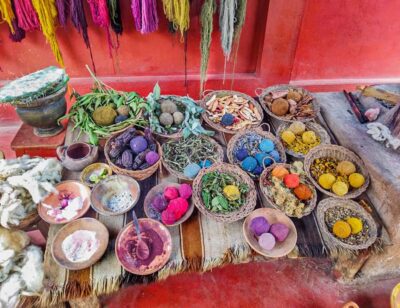
Moray, Maras Salt Mines & Chinchero Weavers Tour
Read our review →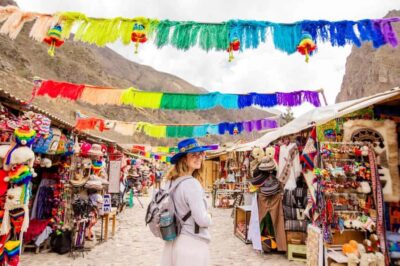
Sacred Valley, Pisac, Ollantaytambo, Salt Mines Moray
Read our review →
Chinchero,Moray & Salt Mines drop-off in Ollantaytambo
Read our review →
Sacred Valley and Maras Moray Tour with Full Day Buffet Lunch
Read our review →
ATV Tour to Moray Maras and Salt Mines in the Sacred Valley
Read our review →
Tour Sacred Valley & Maras – Moray with buffet lunch
Read our review →Browse the lists this tour appears in