
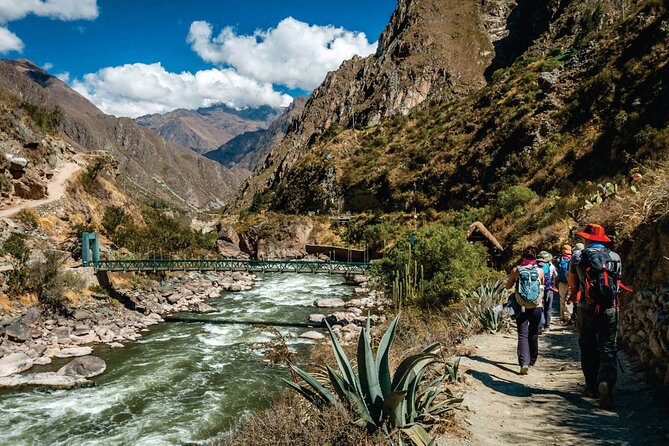
Reviewed · MACHU PICCHU
Inka Trail 4 Days to Machupicchu
Few hikes end at Machu Picchu like the Inca Trail does, with the final approach through Intipunku before you reach the citadel. I love that you get a bilingual guide plus porter support, so you can focus on the hike instead of camp logistics. The only real catch to plan around is Machu Picchu ticket availability, plus altitude and long walking days.
Pickup starts from your Cusco hotel or Airbnb, then you head to km 82 near Piscacucho for the first trail section. This runs as a small group, up to 10 people, in English, and it’s commonly booked around 90 days in advance. If you wait too long, you may find dates are gone.
If you’re in good enough shape to handle steep climbs and stay steady at altitude, this is one of the most memorable ways to arrive at Machu Picchu. It mixes serious hiking with multiple Inca sites, plus the satisfaction of reaching the highest point on the route.
Key things I’d focus on before you go
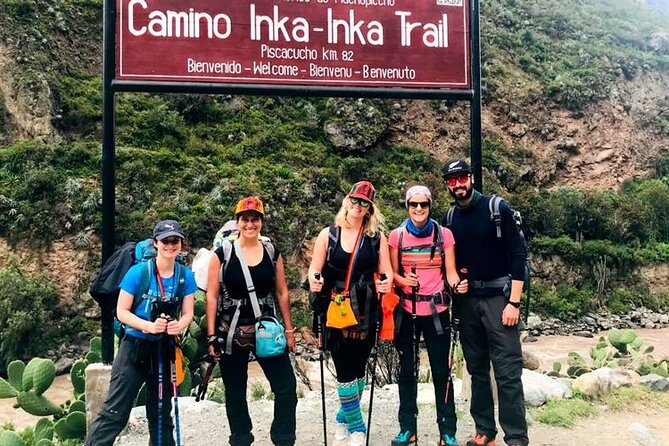
- Small group size (max 10) keeps the pace calmer and the experience more controlled.
- Porters carry the cooking and camping gear, and camp setup is part of the value.
- Foam mattress and a dining tent mean you’ll be sleeping and eating with more comfort than you might expect.
- Inca sites built into the walk: Patallacta, Runcurakay, Phuyupatamarka, and Wiñayhuayna.
- Day 4 is the big payoff via the last checkpoint, Intipunku, then Machu Picchu, followed by train and transfers.
- Machu Picchu tickets are included but not guaranteed, and official availability drives what happens.
The real appeal of the Inca Trail route to Machu Picchu
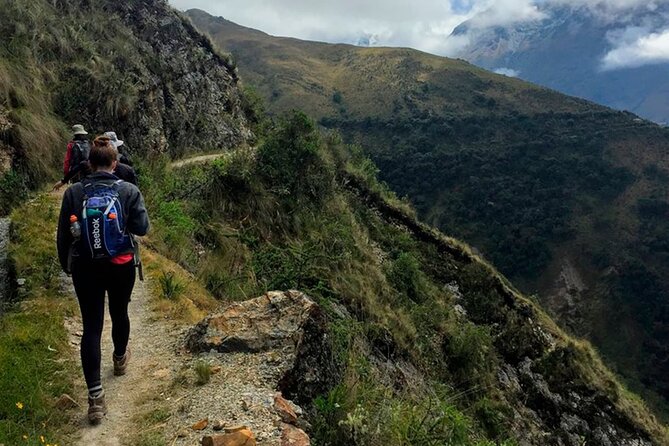
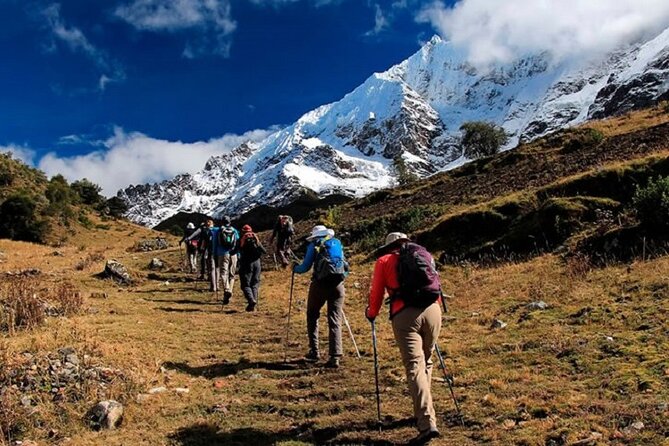
This trek works because it’s not just about one sight. You’re walking through a chain of Inca places and ecosystems, then you finish the last day at Machu Picchu in a way that feels earned. It’s a classic 4-day structure, with the toughest ascent early and the final approach building excitement step by step.
What makes it especially compelling for me is the mix of effort and support. You do the hiking. Someone else handles the cooking and camping setup, and you get help from a bilingual guide who keeps the route meaningful beyond walking from point to point. That’s how this becomes more than a workout.
The other factor is altitude. You’ll climb up to about 4,200 m on Day 2, so your pace matters. Think slow, steady, and consistent, not fast. When you do that, the hike feels challenging but manageable.
More ways to reach Machu Picchu:
- Classic Inca Trail Trek 4D/3N to Machu Picchu (Group Service)
★ 5.0 · 8,653 reviews - Machu Picchu: 4-Day Inca Trail Trek with Panoramic Train Ride
★ 5.0 · 4,568 reviews - Short Inca Trail to Machu Picchu 2D/1N
★ 5.0 · 3,007 reviews
Price and value: what $807.50 really covers
At $807.50 per person, you’re paying for a lot of “hard parts” to organize.
Here’s what’s included:
- Professional bilingual guide
- Entrance to the Inca Trail and Machu Picchu
- Transport to km 82 (Piscacucho)
- Return train from Aguas Calientes to Ollantaytambo
- Transfer from Ollantaytambo back to Cusco on Day 4
- Transport from Machu Picchu to Aguas Calientes
- Porters (they carry cooking and camping equipment)
- A dining tent with tables and chairs
- Foam mattress for sleeping
- First aid kit
- Meals: 3 breakfasts, 4 lunches, 3 dinners, with one key exception noted below
That exception matters for budgeting. Lunch in Aguas Calientes is not included, even though the Day 4 plan includes time for lunch there. So bring some spending money for that meal.
Also, single supplement is not included. If you’re traveling alone, ask what the extra cost is before you commit.
Now for the important value question: is Machu Picchu itself guaranteed? The ticket is “included,” but tickets are subject to official availability. If Machu Picchu tickets can’t be secured for your package (depending on circuit options), you get a full refund of the tour package. That reduces the risk, but it still means you shouldn’t treat Machu Picchu entry as 100 percent locked in until you’re close to departure.
Day 1: km 82 to Patallacta and up to Huayllabamba camp
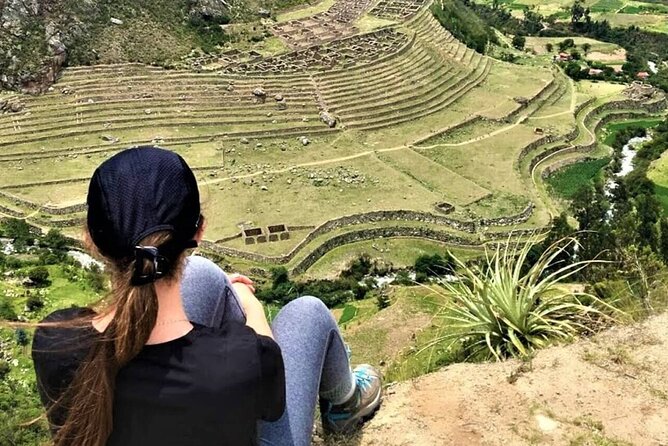
Day 1 starts very early. You get picked up in Cusco and ride out to km 82 (Piscacucho), then you begin hiking. After about 2 hours, you reach Patallacta (around 2,750 m), an Inca archaeological site that you visit with your guide.
Then you shift into the real rhythm of the trek: eat, walk, rest, repeat. A cook and team prepare lunch after Patallacta, and you continue on to Huayllabamba camp (about 3,000 m). Once you arrive, there’s time to settle in, eat again, and sleep.
Why this day is worth your energy even if your legs feel fresh:
- You start acclimating immediately by going from trailhead height to camp altitude.
- You get an early culture hit at Patallacta before the hardest day begins.
- The camp night sets you up for the rest of the trek, and support is built into the schedule.
Practical consideration: Day 1 is described as roughly 7 hours, and it’s also the day you’re most likely to feel jet lag, travel fatigue, or altitude “start-up.” Take it easy even when you feel good.
Day 2: Warmiwañusca (Dead Woman) and the hardest climb
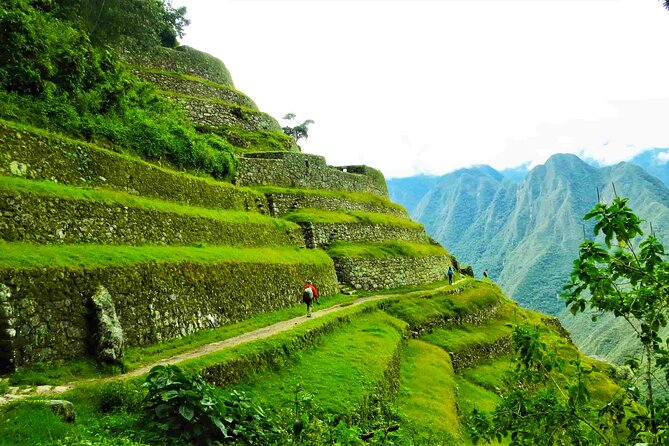
Day 2 is the toughest day, and it’s not subtle about it. You start after breakfast with the steep push toward the highest point of the Inca Trail.
About 3 hours in, you reach the pass called Warmiwañusca, also known as the Dead Woman, at around 4,200 m. The reward here is twofold. First, you get the physical satisfaction of reaching the top. Second, you’re treated to wide panoramic views and a look at how the area changes with elevation.
After that, you descend. You’ll have lunch near the top section, then keep moving down until you reach Pacaymayo for dinner and the night.
What to do to make Day 2 feel possible:
- Go slower than you think you should on the climb. Altitude punishes quick pacing.
- Drink water consistently and use electrolytes if you’ve trained with that approach.
- Keep snacks accessible. Long climbs are easier when you prevent energy dips.
One review tip that matches my common-sense approach: stair climbing for training is useful, because it builds the leg pattern you need for steep grades.
A few more Cusco days worth comparing
- Cusco: Rainbow Mountain and Red Valley Day Trip with Meals
★ 4.9 · 4,893 reviews - Salkantay Classic Trek 5 Days from Cusco
★ 5.0 · 4,062 reviews - 4-Day Salkantay Trek with Sky Camp Stay
★ 5.0 · 3,346 reviews - Excursion to Rainbow Mountain Full Day Optional Red Valley
★ 5.0 · 2,996 reviews
Day 3: Runcurakay, Phuyupatamarka (above the clouds), and Wiñayhuayna
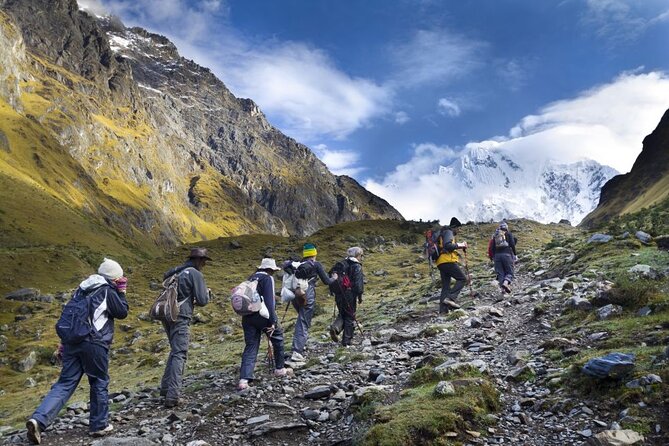
Day 3 keeps the rhythm going, with about 15 km of hiking mentioned, and roughly 6 hours of trekking time. This is the day where the route becomes very Inca-site heavy.
You’ll start at Río Pacaymayo, then visit:
- Runcurakay (about 3,900 m), described as an Inca complex with towers and strategic surveillance of the east valley
- Chaquicocha, where lunch is taken
- Phuyupatamarka, meaning place above the clouds, including a notable section where you pass through a tunnel carved out of rock
- Wiñayhuayna, another major Inca complex, where you spend the night
One helpful operational detail: the “third camp” can vary, sometimes to Phuyupatamarka depending on availability. Don’t panic if your exact camp name changes. What matters is you’re still moving through the same overall Inca corridor.
Why Day 3 is a favorite for many people:
- You’re higher for longer than on Day 1, but you’re also moving through multiple built sites, which breaks up the physical monotony.
- The rock tunnel adds a mini-adventure beat you won’t forget.
- The Wiñayhuayna area is famous for the way the trail flows around and through structures.
Consideration: even on a “less intense” schedule day, you’re still at altitude. Rest at stops, and don’t treat the walking time as the only difficulty metric.
Day 4: Intipunku to Machu Picchu, then train and transfers back
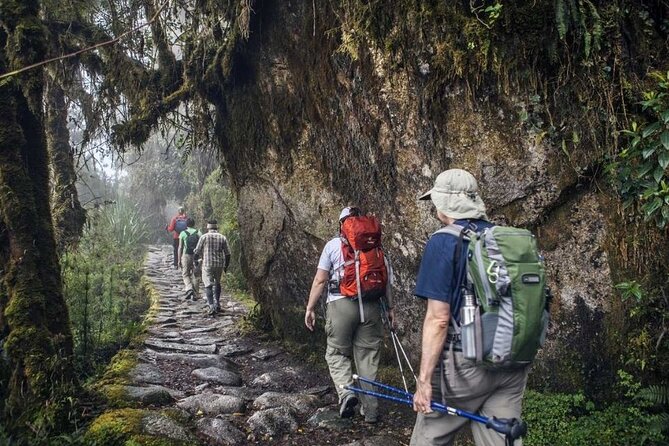
Day 4 is the payoff day. You continue hiking until the last checkpoint, then you head toward Intipunku, the Gate of the Sun. From there you reach Machu Picchu and get views of the citadel.
After the visit, you head back to Aguas Calientes for lunch. Then you go to the train station and take the return train to Ollantaytambo. From Ollantaytambo, there’s a mobility transfer back to Cusco.
Two points to keep in your head:
- Your itinerary depends on the last official steps into Machu Picchu. Tickets are secured under official rules, and circuits can affect what you’re offered.
- Even though this day includes less hiking than the climb days, you’ll still be on your feet a lot. Plan for a long day that ends with travel back to Cusco.
Machu Picchu tickets, circuits, and what to watch for
Machu Picchu entry is included, but subject to availability because the only authorized seller is Peru’s Ministry of Culture. Tickets are purchased based on the available circuits 1 and 2. Other circuits might be offered with an additional charge for the price difference in tickets.
If no Machu Picchu tickets are available for your package, you receive a full refund of your tourist package. It’s the kind of policy detail you should ask about before you book, especially if Machu Picchu is your only reason for Peru.
Camp setup, sleeping comfort, and how to pack for real life
This trek includes a dining tent with tables and chairs, plus a foam mattress. Porters carry cooking and camping equipment, which means your arrival at camp is typically more organized than a do-it-yourself version.
From on-the-ground reports, the big comfort factor isn’t only the mattress. It’s that camp setup happens before you settle in, so you’re not doing heavy lifting after a long day. That’s a huge quality-of-life thing on a trek like this.
What you should plan around, based on the altitudes and the general feel of high passes:
- Nights can feel cold fast at these elevations.
- You’ll want to keep the items you need in reach, because mornings move quickly.
- If you’re sensitive to stomach issues, plan like you might not always feel 100 percent after camp meals.
One review included a warning about food poisoning or traveler’s diarrhea after eating camp food. That does not mean it happens to everyone, but it does mean you should consider bringing basic travel meds like Imodium or Pepto-Bismol if you tolerate those well.
Food on the trail: what’s included and what to budget
The tour includes meals in a clear pattern: 3 breakfasts, 4 lunches, and 3 dinners. You also get breakfast on Day 1 as part of the included coverage, and lunch in Aguas Calientes is specifically noted as not included.
So expect:
- Breakfast and meals at camp on most days
- Lunch breaks along the route
- Dinner and overnight at camp locations
Two practical tips:
- Keep a bit of snack stash for the high-effort sections, especially around Warmiwañusca.
- If you’re prone to altitude nausea, eat smaller portions and sip water steadily.
Who this trek is best for, and who should consider the train
This is for you if:
- You want a classic Inca Trail experience that ends at Machu Picchu
- You can handle long, challenging hiking days and the altitude up to about 4,200 m
- You like the structure of a guided route, with camp and meals handled for you
- You prefer a small group (max 10) over larger crowds
It may not be the best fit if you:
- Want Machu Picchu as a comfort-first day trip, with minimal hiking
- Struggle with steep climbs or you’re not able to train for repeated ascents
- Get altitude symptoms easily
If you’re on the fence, the key is honesty about your fitness and altitude tolerance. One review advice that lines up with what you’ll feel on the ground: train with stairs, then go slow when it matters.
Should you book Inka Trail 4 Days to Machupicchu with Chullos Travel Peru?
I think you should book if you want the complete package: guided hiking, porter-supported camp life, and the emotional payoff of arriving at Machu Picchu via the Sun Gate area. The included transport, train return, and site entrances make it feel like a managed expedition rather than a logistics puzzle.
I would hesitate only if you’re traveling on a tight schedule where Machu Picchu entry must be guaranteed at all costs. The package protects you with a full refund if tickets cannot be secured, but you still need flexibility in your mindset.
If your plan includes training, a steady pace, and patience with altitude, this trek is one of the most direct ways to experience the Inca Trail as the route it was meant to be.
FAQ
What fitness level do I need?
The tour notes that you should have a moderate physical fitness level. The trek is described as challenging, including a very hard Day 2 climb to Warmiwañusca at about 4,200 m.
How many people are in the group?
The maximum group size is 10 travelers.
What does the price include?
It includes a professional bilingual guide, entrance to the Inca Trail and Machu Picchu, transport to km 82, return train (Aguas Calientes to Ollantaytambo), and transfers back to Cusco on Day 4. It also includes camp dining setup, foam mattress for sleeping, porters, a first aid kit, and meals (3 breakfasts, 4 lunches, 3 dinners) with lunch in Aguas Calientes not included.
Are Machu Picchu tickets included?
Yes, Machu Picchu tickets are included. However, they are subject to availability because the only authorized seller is Peru’s Ministry of Culture.
What happens if Machu Picchu tickets are not available?
If there is no availability of any type of Machu Picchu tickets for your package, you receive a full refund of your tourist package.
Do I get help getting to the trailhead and back to Cusco?
Yes. You can be picked up at your hotel or Airbnb. The tour includes transport to km 82. On Day 4, after Machu Picchu you take the train back to Ollantaytambo, then you get transportation from Ollantaytambo to Cusco.
Is lunch in Aguas Calientes included?
Lunch in Aguas Calientes is not included.
What are the sleeping arrangements like?
You’ll sleep on a foam mattress. The tour also includes a dining tent with tables and chairs, and porters carry the cooking and camping equipment.
Can I get a refund if I need to cancel?
Yes. You can cancel up to 6 days in advance of the experience for a full refund. Cancel 2 to 6 full days before for a 50 percent refund. Cancel less than 2 full days before, and you will not get a refund.
Recently reviewed around Cusco
- 6-Day ||All Included|| Excursion – MachuPichu & Rainbow Mountain-Humantay Lake★ 4.5 · 8 reviews
- Horseback Riding thru the Mountains of Cusco★ 5.0 · 8 reviews
- Cuzco City Tour and Archaeological Ruins in Half Day★ 5.0 · 8 reviews
- Full Day – Rainbow Mountain tour – Group Service★ 5.0 · 8 reviews
- Half Day Tour in Cusco: Exploring the City and Four Ruins★ 4.5 · 8 reviews
- Cusco 4 Days Machu Picchu and Sacred Valley | All included★ 5.0 · 8 reviews
- Machu Picchu and Sacred Valley 2 Day Tour★ 5.0 · 8 reviews
- Walking Tour in Legendary & Historical Cusco City★ 4.5 · 8 reviews
Machu Picchu, compared.
Classic Inca Trail Trek 4D/3N to Machu Picchu (Group Service)
Read our review →
4-Day Inca Trail Trek with Panoramic Train Ride
Read our review →
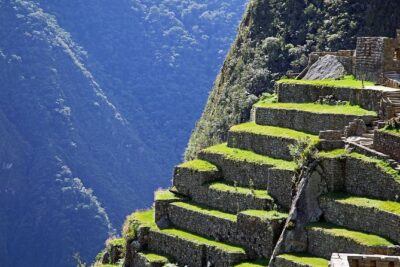
2-Day Inca Trail to Machu Picchu with Panoramic Train
Read our review →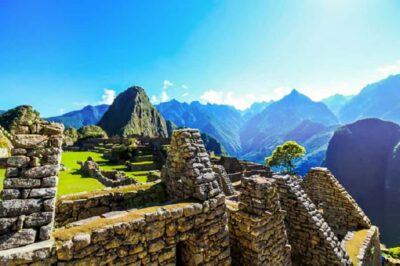

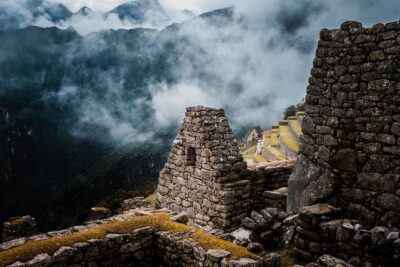
2-Day Tour: Sacred Valley and Machu Picchu by Train
Read our review →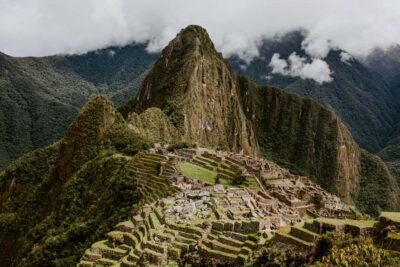
Browse the lists this tour appears in