
Reviewed · MACHU PICCHU
Lares Trek to Machu Picchu 4 Days
The Lares Trek to Machu Picchu is interesting because it mixes real hiking through remote Andean communities with the big finale of Machu Picchu at sunrise. I especially liked how much time you spend with local life early on, including a stop in Cancha Cancha where you meet a family and learn about daily customs and weaving. One drawback to plan for: the schedule starts very early, with a meet time around 4:00 a.m., and you’ll reach high altitude on the toughest hiking day.
My second favorite part is the Machu Picchu timing, taking the first bus up so you get sunrise light on the ruins and a calm, focused guided visit. Add a small group size, up to 15 people, plus practical support like mules carrying gear, and the whole trip feels organized rather than stressful.
Key highlights worth caring about
- A small group size (maximum 15), which makes the pace and the attention from the team feel more personal
- Cancha Cancha cultural time, including learning from a local family and seeing weaving traditions up close
- Pachacutec Pass at 4,500 m, with strong scenery payoff like lagoons, glaciers, and alpacas
- Quichua-speaking communities on the trail, plus the chance to understand what you’re seeing through a cultural interpreter
- Lares Hot Springs stop, a real recovery break with natural pools and Andes views
- Sunrise Machu Picchu with a guided visit, about two hours covering agricultural, residential, and religious sectors
Lares Trek to Machu Picchu: a route that feels real, not crowded
If you want a Machu Picchu trip that starts like an adventure and ends like a dream, this Lares Trek to Machu Picchu tour is built for you. Instead of jumping straight from Cusco into the most famous viewpoint loops, you earn the day. You walk past small communities, camp with a cooking team, and then roll into the Sacred Valley.
What makes it work is the balance. You get enough challenge to feel proud of your effort, but you also get structured support. There’s a professional cook with full kitchen equipment, meals are included, and horsemen and mules carry general equipment plus up to 7 kg of your personal belongings. That matters because altitude and long hiking days are hard enough without hauling everything on your back.
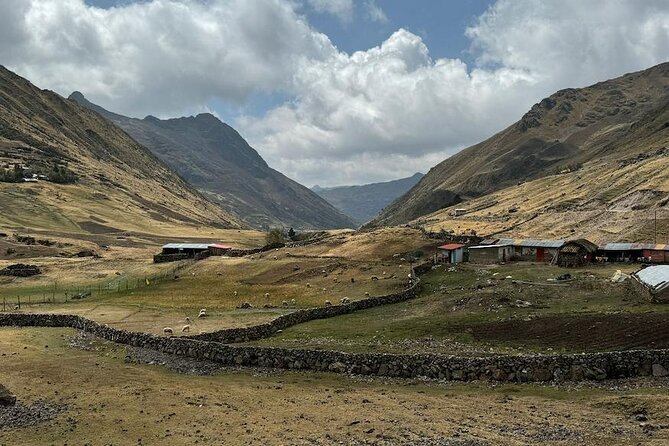
The other big win is authenticity. The route spends time in communities like Cancha Cancha and Quiswarani, and you get a cultural connection on the trail, not just a photo stop. When the tour hits Machu Picchu, it’s still guided and purposeful, not rushed.
More Hiking & Trekking in Cusco
- Classic Inca Trail Trek 4D/3N to Machu Picchu (Group Service)
★ 5.0 · 8,653 reviews - Machu Picchu: 4-Day Inca Trail Trek with Panoramic Train Ride
★ 5.0 · 4,568 reviews - Salkantay Classic Trek 5 Days from Cusco
★ 5.0 · 4,062 reviews
Day 1 in the Andes: Cusco to Cancha Cancha, 3,900 m and local life
Your day begins early, and you should treat it like that. You meet at about 4:00 a.m., then depart Cusco around 5:00 a.m. for the village of Huaran. From there, you shift into trek mode with breakfast and a meeting with the muleteers and horses that will support you through the trek.
The hike on day 1 is about 3 hours and climbs gradually to Cancha Cancha at 3,900 m. Expect the rhythm to be steady rather than sprinty. This is a great day to gauge your pace and breathing, because you’re not yet at the highest pass.
A nice practical touch here: lunch is prepared by the trekking chef, and you stop riverside to eat. That’s not just comfort. Food well-timed during the first day helps you settle in instead of arriving at camp depleted.
What I like most on day 1 is the time with a local family. You arrive at camp, then spend a meaningful afternoon learning customs and weaving traditions and hearing about everyday life. Later, when the sky clears, your guide shares stories behind Inca constellations and how those patterns are used today to guide agricultural cycles like planting and harvesting. It’s the kind of detail that makes the Andes feel lived in, not just visited.
Day 2 to Pachacutec Pass: glaciers, lagoons, Quechua, and the tough day
Day 2 is the test day, and the itinerary is honest about that. You start with a warm cup of Andean tea or coffee, then begin a long hike of about 7 hours to Pachacutec Pass at 4,500 m (14,763 ft).
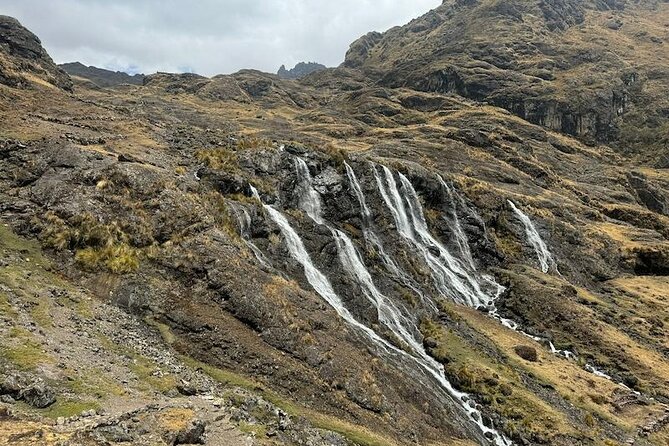
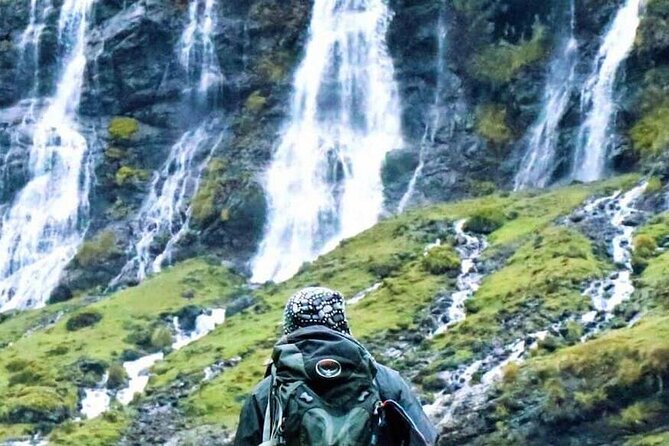
This is where you should expect the most altitude pressure and the most physical demand. It’s also where the payoff is strongest. You’ll be moving through high scenery that includes turquoise lagoons, sparkling glaciers, and herds of alpacas that feel like you’re watching a postcard come to life.
Then comes the descent, and here’s an aspect that’s more than just scenery. You follow remote trails where locals still proudly wear traditional clothing and speak Quechua. Your guide acts as a cultural interpreter, which helps you connect what you see to the living heritage of the region, instead of just walking past it.
You finish the day at Quiswarani at 3,700 m, with a campsite and a night to recover. If you want one day on the trek to be your “we did it” moment, it’s this one. Plan to be tired, then plan to be proud.
Day 3 Sacred Valley reset: Lares Hot Springs, Maras salt mines, Ollantaytambo
By day 3, you switch from trekking mode to “recover and explore” mode. After breakfast, you say farewell to the camping team, and you board private transportation to the Lares Hot Springs.
You get about two hours relaxing in natural pools with Andes views. This is not a random add-on. It’s the right kind of break for sore legs after a high pass. It also helps you reset your mood before the big sightseeing chunk of the day.
Next you head into the Sacred Valley, arriving in Urubamba for an Andean buffet lunch with fresh, locally sourced ingredients and regional dishes. The goal here is simple: fuel up properly, because you’ve still got two iconic stops ahead.
First is the Maras salt mines, a surreal view of more than 3,000 pre-Inca salt pools still harvested using traditional methods. Even if you’ve seen salt photos before, the scale and the order of the pools make it feel strange in a good way.
Then you finish at Ollantaytambo, where you get free time to explore cobblestone streets and a town that feels like it’s still tied to its Inca roots. You’ll have dinner at a local restaurant before boarding the train to Aguas Calientes. This pacing is smart: you get culture, you get recovery, and you’re not rushing into Machu Picchu without rest.
More Lares treks:
- Lares Valley Trek with Hot Spring 4-Day, 3-Night
★ 5.0 · 656 reviews - Lares Trek to Machu Picchu 4D/3N Including Hot Springs
★ 5.0 · 499 reviews - Lares Trek to Machu Picchu 4 days with Panoramic Train
★ 5.0 · 298 reviews - Ultimate Lares Trek & Inca Trail 5 days
★ 5.0 · 47 reviews
Day 4 sunrise at Machu Picchu: first bus, two-hour guided tour, then the train
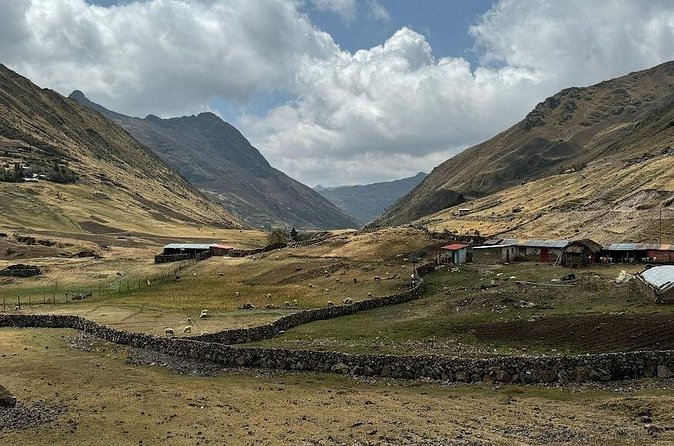
Machu Picchu day is the emotional headline of the whole trip, and the tour does it the right way: early buses up so you can aim for sunrise.
You travel from Aguas Calientes to the citadel with one of the first buses, aiming to watch the sunrise over the sacred mountains. That moment is the kind of thing you remember in detail later, even when you forget the exact route you took getting there.
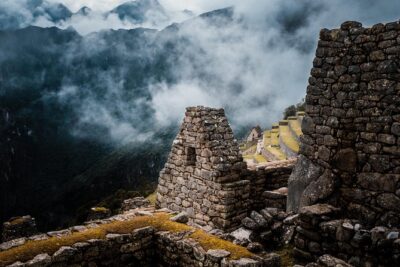
Once inside, you have about two hours with an expert guide. You’ll explore agricultural, residential, and religious sectors, and the guide ties the physical layout to its spiritual significance and architecture. This is where the guided part matters most. Machu Picchu is visually overwhelming, and a strong guide helps you slow down and understand what you’re seeing.
After the guided tour, you head back to Aguas Calientes with free time. You can grab lunch, shop for souvenirs, or visit a local museum or hot springs. In the afternoon, you board the Expedition train back to Ollantaytambo, then take a private transfer to Cusco.
It’s a smooth arc. You start before most people start their day, and you end with transit handled, so you can focus on letting Machu Picchu land.
Price and logistics: how $750 makes sense when you add up the real costs
At $750 per person, this tour can feel like a lot at first glance. Then you look at what’s included, and the value becomes clearer.
You’re paying for more than a guided hike. The package covers tourist transport, round-trip train tickets, Machu Picchu entrance, and a guided Machu Picchu tour. You also get all meals on the trek days: 4 breakfasts, 3 lunches, and 3 dinners. On top of that, the team provides a professional cook and full kitchen equipment, plus a first aid kit with emergency oxygen tank.
The mule and horse support is also part of the cost logic. With mules carrying general equipment and up to 7 kg of your personal belongings, you’re not fully on your own for weight and setup. That can reduce fatigue and help you hike smarter.
What’s not included is where you should budget next. You may need:
- sleeping bag: $15
- inflatable mattress: $20
- trekking poles: $15
- personal tent: $30
- Huayna Picchu hike: $70
- Vistadome upgrade (return only): $65
If you’re arriving without basic camping gear, your true trip cost can climb fast. If you already have sleeping gear and poles, you’ll stay much closer to the base price.
What you carry, what the mules carry, and smart packing for altitude
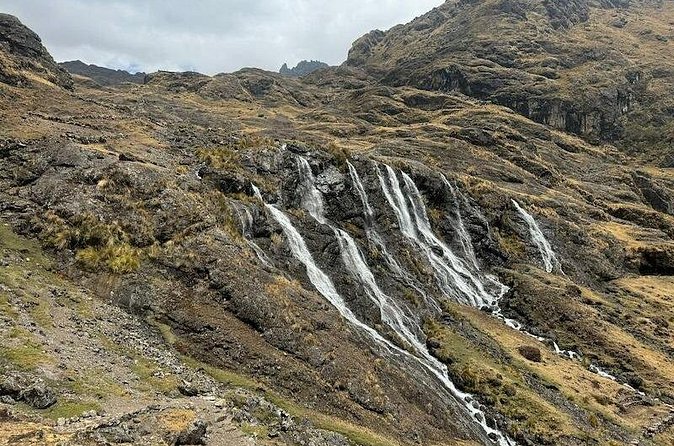
One of the most practical rules here is the 7 kg personal belongings limit for mule carrying. That tells you to travel light in a thoughtful way. You’ll still have a backpack for your daily needs, but the tour is set up to take the bulk off your shoulders.
For your packing list, focus on items that keep you comfortable and safe at altitude and moving for hours. The good news is that key safety support is included, including a first aid kit and emergency oxygen tank. You’re not choosing between comfort and safety here, because safety is built in.
Also note what’s optional versus included. A sleeping bag, inflatable mattress, trekking poles, and a personal tent are listed as add-ons. If you want to avoid surprise expenses, plan your gear before you book or confirm what you need to bring versus rent.
A small but real strategy: pack for short, frequent use instead of bulk. On a trek, the stuff you touch every hour matters more than the gear you only use once. With a 4-day itinerary and a big Machu Picchu morning, ease and speed are your friends.
Pacing, altitude, and who should do this trek
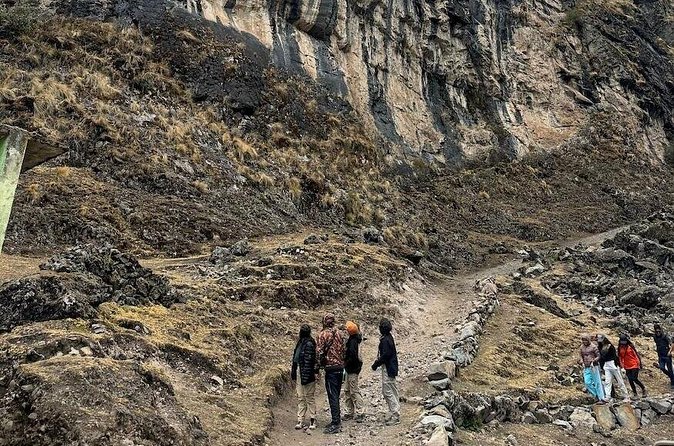
This is not a couch-to-Machu-Picchu plan. The tour specifically asks for a strong physical fitness level, and the itinerary supports that.
Day 1 is a gentle start, about 3 hours hiking to 3,900 m. Day 2 is the major challenge, a 7-hour hike to 4,500 m at Pachacutec Pass. If you tend to push through breathlessness, you’ll feel it here. If you keep a steady pace, you’ll give yourself a fair shot at enjoying the views instead of fighting your body.
Day 3 is mostly travel and sightseeing after breakfast, plus relaxation at the hot springs. That means you get recovery time before Machu Picchu. Day 4 is a guided sunrise visit, then train time and a private transfer back.
Who this suits best:
- You want authentic village connections and not just scenic stops
- You like structured support, with cooks, equipment, and safety gear
- You’re comfortable with a long hike and working at altitude
Who might reconsider:
- You want a gentler hike with no serious elevation challenge
- You don’t want to start the day at roughly 4:00 a.m.
The upside is that this is also a small-group trek, max 15 people, so the support feels real when you need it.
Optional add-ons: Huayna Picchu and Vistadome upgrades
Machu Picchu can be a choose-your-own-adventure day, depending on what you add. Two common add-ons are offered here.
First is Huayna Picchu, listed at $70 per person. If you want extra hiking and a more vertical view angle, this is the add-on to consider. Just be aware that you’ll be stacking effort on an already early and emotionally intense day.
Second is the Vistadome train upgrade, return only at $65 per person. If you care about the ride experience back toward Ollantaytambo, this can be a worthwhile comfort upgrade.
If you’re trying to keep costs under control, you can skip both and still get the core experience: sunrise Machu Picchu with a guided tour and included train ticketing.
Should you book Lares Trek to Machu Picchu?
I’d book it if you match the sweet spot: you want a small-group trek that mixes remote Andean communities, hot springs recovery, and a guided sunrise Machu Picchu visit. The included support, especially the cooking setup, meals, oxygen-equipped first aid kit, and mule help, makes the price feel more sensible than many “barebones” trek options.
I’d hesitate if you are not confident with the physical side of a high pass and a long hike. Day 2 is the deciding factor. If you can handle that day, the rest of the trip flows well, with breaks that keep you from burning out.
If you’re set on adding Huayna Picchu or the Vistadome upgrade, decide that before you arrive. It’s easier to plan your budget and your energy when you know you will or won’t be stacking extra activities.
FAQ
What is the duration of the Lares Trek to Machu Picchu?
The tour runs for 4 days (approx.).
How many people are in the group?
The maximum group size is 15 travelers.
What is included in the price?
Included are tourist transport, round-trip train tickets, Machu Picchu entrance, guided Machu Picchu tour, a professional cook and full kitchen equipment, first aid kit with emergency oxygen tank, horsemen and mules to carry general equipment and up to 7 kg of your personal belongings, plus 4 breakfasts, 3 lunches, and 3 dinners.
Do I need to bring camping gear like a sleeping bag?
Sleeping gear is not included. A sleeping bag is available as an add-on for $15 per person, with an inflatable mattress for $20 per person, a personal tent for $30 per person, and trekking poles for $15 per person.
What time do you meet in Cusco?
The meeting points start time is 4:00 a.m. The trek then departs Cusco early in the morning around 5:00 a.m.
Is this trek suitable for beginners?
The tour notes that travelers should have a strong physical fitness level, since the itinerary includes a demanding day of hiking to a high pass.
Can I cancel or change my booking?
This experience is non-refundable and cannot be changed for any reason. If it’s canceled due to poor weather, you’ll be offered a different date or a full refund.
More Ways to Reach Machu Picchu
- Short Inca Trail to Machu Picchu 2D/1N
★ 5.0 · 3,007 reviews - 2-Day Inca Trail to Machu Picchu with Panoramic Train
★ 5.0 · 1,876 reviews - From Cusco: Full-Day Group Tour of Machu Picchu
★ 4.7 · 1,767 reviews - Machu Picchu Day Trip from Cusco
★ 4.5 · 1,644 reviews
Recently reviewed around Cusco
- Cusco Cooking Class by ChocoMuseo in Cusco★ 5.0 · 29 reviews
- 1-day excursion to Machu Picchu from Cusco★ 5.0 · 29 reviews
- Private Tour Sacred Valley, Chinchero, Maras Moray, Ollantaytambo★ 5.0 · 29 reviews
- ATV Adventure to Moray and Maras Salt Mines – Half Day★ 4.5 · 29 reviews
- From Cusco: Humantay Lake with Breakfast and Buffet Lunch★ 4.5 · 29 reviews
- 4 Day – Inca Jungle to Machu Picchu★ 5.0 · 29 reviews
- 2-Day Machu Picchu Tour by Train from Cusco★ 4.5 · 29 reviews
- 2-Day Sacred Valley and Machu Picchu Tour By Train★ 4.5 · 29 reviews
Machu Picchu, compared.
Classic Inca Trail Trek 4D/3N to Machu Picchu (Group Service)
Read our review →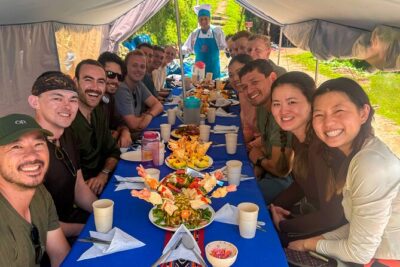
4-Day Inca Trail Trek with Panoramic Train Ride
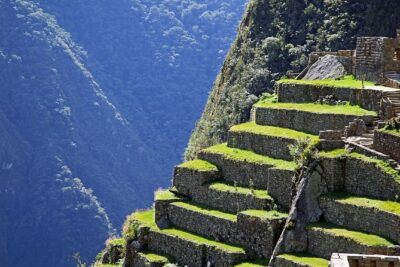
Read our review →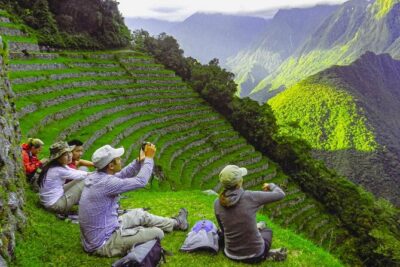
2-Day Inca Trail to Machu Picchu with Panoramic Train
Read our review →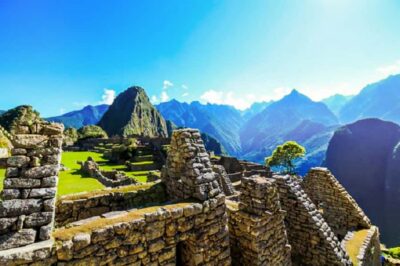
2-Day Tour: Sacred Valley and Machu Picchu by Train
Read our review →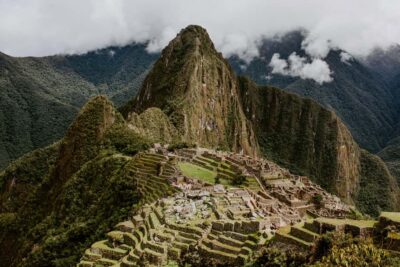
Browse the lists this tour appears in