
Reviewed · LARES TREK
Lares Valley Trek with Hot Spring 4-Day, 3-Night
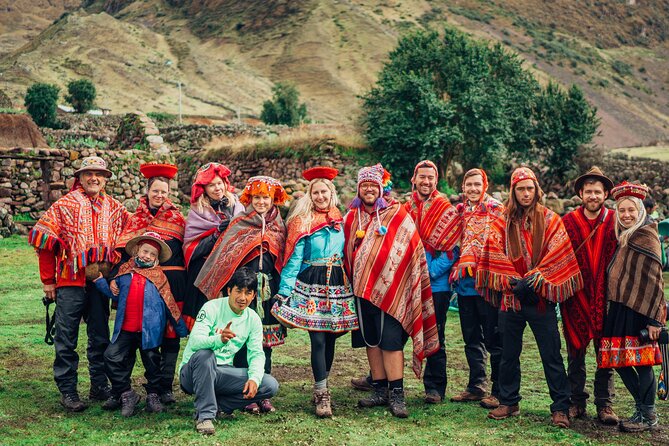
This trek is interesting because it swaps the usual crowds for Quechua village life in the Andes, then finishes with the big payoff: Machu Picchu. What I like most is that you get real culture time with Indigenous guides, plus hands-on moments like the llama ceremony and a community stop with school visits. One drawback to plan for is that altitude is real here, and the high day can feel tough even if the overall trek is described as moderate.
You’ll also be busy in a good way. Expect early mornings (around 5 a.m.), long but manageable walking blocks, and camps that feel far from typical tourism. The small-group cap (14 people) matters because it keeps the pace human and the guide attention higher, especially on the tough sections.
Key highlights worth knowing
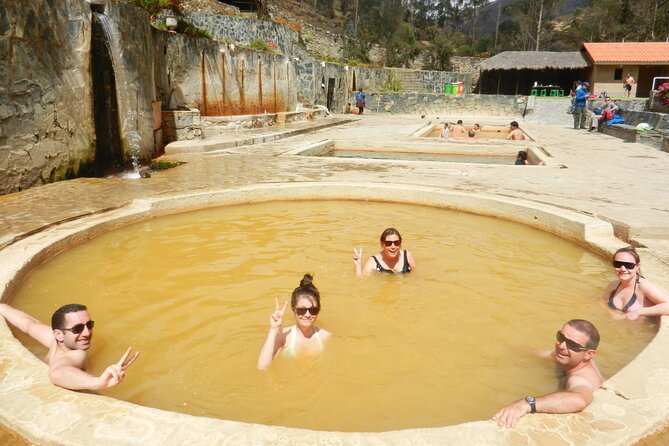
- Hot springs in Lares right at the start, a comfy reset before the climb
- Condor Pass (Pachacute), the high point that sets the whole tone of the trek
- Indigenous culture stops in Quechua villages, including time to visit and learn
- Food you will actually talk about, including top notes for vegetarian meals
- Small-group pace (max 14) with guides and cooks who run a tight camp
- Machu Picchu with a guided tour, plus an optional Huayna Picchu add-on
Why Lares is a smart choice for a Machu Picchu trip
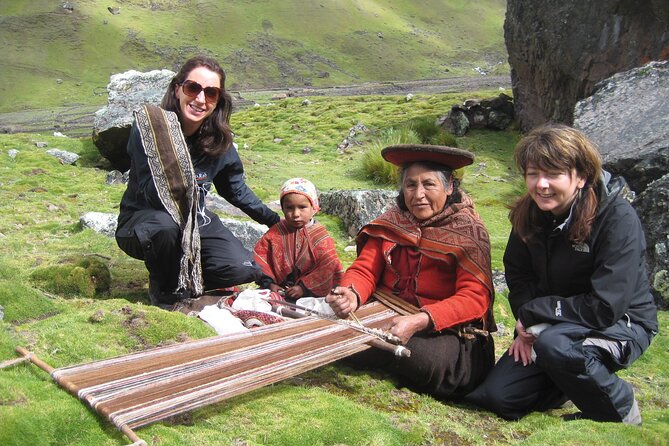
Most people plan for Machu Picchu and treat everything else like transport. This route flips that. The trek portion is the story: you’re walking through high Andean farming country, meeting people in their daily routines, and learning from Indigenous guides who bring the meaning of what you see into focus.
I also like that the hot springs aren’t a random spa stop. They come early, after a first uphill day into Kiswarani, and that soft landing helps you handle the next high day. The tour is also designed for multi-generation groups, so you get that mix of ages that makes the trip feel more like a family journey than a fitness contest.
That said, you should be honest with yourself about altitude. One guide described the experience as not hard, but still high, and that’s exactly how it feels on routes like this. If you’re prone to altitude sickness, take it seriously and follow your team’s pacing.
More Evening Experiences in Cusco
- Inca Trail 4-Day 3-Night Trek to Machu Picchu with Expert Guides
★ 5.0 · 733 reviews - Humantay Lake and Salkantay Pass Trek – 2 Days / 1 Night
★ 5.0 · 380 reviews - Short Inca Trail To Machu Picchu 2 Days and 1 Night
★ 5.0 · 321 reviews
Price and what you really get for $650
At $650 per person, this is not a budget-only option. But it stacks up well when you look at what’s included. You’re getting:
- Certified English-speaking trekking guides
- Professional chefs and porters, including a personal porter up to 7 kg per person
- 3 meals days worth of support: lunch and dinner on the trek days, plus breakfasts
- 2 nights camping and 1 night in a hotel
- All transportation during the tour, including the round-trip tourist-class train
- Entrance fees for the hike areas (Lares Valley and Machu Picchu)
- Safety gear on the trek: first aid kit, oxygen tank, and satellite phone
- Drinkable water along the route
For many travelers, the biggest cost on a Machu Picchu trip is logistics: getting to Aguas Calientes, securing entry, arranging guides, and coordinating transport. This plan folds a lot of that into one package, which reduces stress when you’re tired and altitude is already working on you.
The one thing to treat as an extra is Huayna Picchu. The ticket is not included, and it needs to be booked in advance.
Cusco pick-up and the Lares Valley hot springs start
Your day begins in Cusco, with pickup from your hotel. You also get a night-before briefing at 6:00 p.m. in the tour office, which is helpful because you’ll already know what to expect with packing and timing.
In the morning, the first movement is from Cusco into the Lares region. The key moment is what happens before you even fully start trekking: you ease into the area and then hit a gradual uphill hike for about two hours until lunch in Kiswarani.
Kiswarani is not just a break point. It’s presented as a potato valley where organic farming happens with many varieties of potatoes. Along the way, your guide may point out indigenous medicinal plants, and that’s one of the “small” things that makes this route feel less like scenery-watching and more like learning.
Lunch is prepared by the trekking chef, and this is one of the most praised parts of the trip. People highlight how good the meals are at altitude, including high points for vegetarian options.
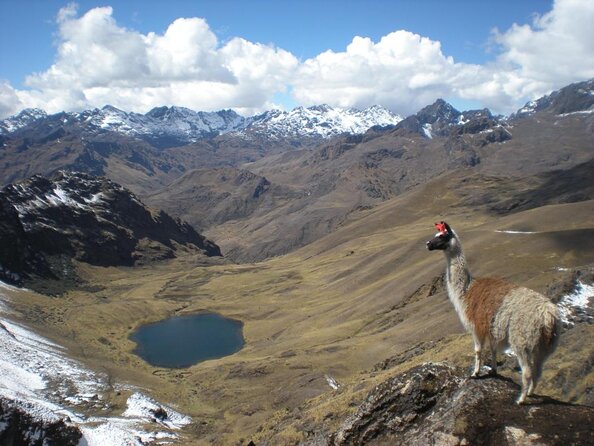
After lunch, you’ll experience a ceremony with llamas led by the llama handlers, the llameros. This isn’t just a photo op. The llama meaning in Inca life comes through here, including why llamas were sacred and tied to the economy and privilege. The guide also explains that llamas are declining and often being crossbred with smaller animals, which is part of why the tradition matters. It’s also the kind of moment that feels respectful, not performative.
You’ll camp near a small lagoon, and that setting shows up in the vibe of the trip: quiet, scenic, and a little surreal after a day of walking.
Potential consideration: after the early start, day one still has walking, so if you’re coming in from jet lag or you’re not used to mountain days, plan for a slower evening and a warm sleep.
Day 1 to Day 2: from Kiswarani to a high pass and cold nights
Day two begins with wake-up around 5 a.m., and you’ll get hot drinks before you start moving. The rhythm here matters. You’re not just dragged out of bed, you’re given a routine that matches the altitude game: early start, fuel first, then climb.
You’ll see locals already working, including people taking llamas and alpacas to graze. Breakfast follows after you pack your gear. Then you fill up water bottles, grab snacks, and begin your trek toward the pass.
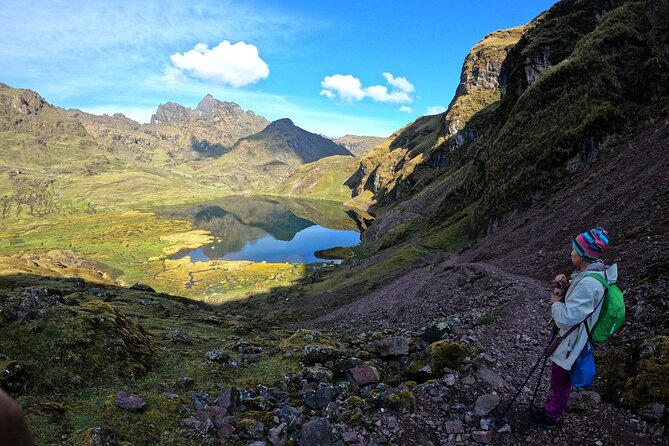
The big moment on day two is the 3 to 4 hour climb to Pachacute, also called Condor Pass. That time range gives you a real expectation: it’s not a sprint, but it is a real elevation grind. After the summit area, you walk downhill for about 3 hours toward Canchacancha Village, where you camp.
This is where you learn the practical side of trekking with a strong crew. Your team will have camp set up and ready when you arrive. Meals are cooked in the field, and they handle the logistics of feeding you at altitude in a way that many travelers find impressive.
A specific detail from the experience notes that people loved: cold nights were managed with warmth in the camp setup, including an alpaca blanket and a hot water bottle. That kind of comfort makes a bigger difference than most first-time trekkers expect.
Potential consideration: if you tend to feel altitude fast, plan your day-two pacing carefully. Don’t force speed, follow your guide’s rhythm, and drink water even if you do not feel thirsty.
More Hiking & Trekking in Cusco
- Classic Inca Trail Trek 4D/3N to Machu Picchu (Group Service)
★ 5.0 · 8,653 reviews - Machu Picchu: 4-Day Inca Trail Trek with Panoramic Train Ride
★ 5.0 · 4,568 reviews - Salkantay Classic Trek 5 Days from Cusco
★ 5.0 · 4,062 reviews - 4-Day Salkantay Trek with Sky Camp Stay
★ 5.0 · 3,346 reviews
Day 3: downhill walking, micro-climates, and village learning
Day three often feels like relief because you’re moving downhill again. But it’s not “just walking.” It’s also a cultural day.
You’ll wake up with hot drinks, then pack with time for breakfast. Before the final hiking leg, you get a chance to explore the village and visit the local elementary school. That school visit is one of those small blocks that adds meaning, because it turns the trip from a route to a relationship.
Then the last trekking segment begins: about four hours of downhill along paths where you’ll see more llamas and alpacas and farms growing crops like potatoes and fava beans. The tour emphasizes traditional Inca-style farming tools and hand-farming, which is useful context for what you see. Instead of just noticing “farms,” you understand how labor and crops fit together at this altitude.
As you descend, you also start feeling the micro-climate shift. The tour frames it clearly: higher mountain conditions change, and crops you see become different as temperatures rise. That’s a key value of the Lares route. The trek teaches you how quickly life changes across elevation.
After the hike, you travel to Aguas Calientes (the town used for Machu Picchu access), where you’ll have your night.
Potential consideration: downhill still strains knees. If you have knee issues, bring trekking poles if you can rent them (they are available for rent, though not included).
Machu Picchu day: bus to the citadel, guided tour, optional Huayna Picchu
Your Machu Picchu morning starts with an early breakfast, then a transfer to the bus station. The bus ride is about 25 minutes with cloud forest views. Then you start the important part: the guided tour inside the citadel.
The guided portion runs about two hours. This matters because Machu Picchu is easy to see and hard to understand. A good guide helps you connect what you’re looking at to how the site worked.
After the guided tour, your guide can support timing as you move through the area. If you’ve purchased Huayna Picchu tickets (they cost $75 each, and need booking in advance), you’ll add that extra hike. If you do not have those tickets, you still finish your Machu Picchu experience with time in Aguas Calientes.
Then comes the classic logistics piece: after lunch you head back to the train station and take the train to Ollantaytambo. A driver then takes you back to Cusco and drops you at your hotel.
Potential consideration: timing at Machu Picchu can mean waiting for buses or cloud gaps. One family account noted a long wait for clouds to move so they could enjoy views, and that’s normal. Build patience into your plan, bring water, and accept that weather controls the experience.
What to expect from your guide and camp team
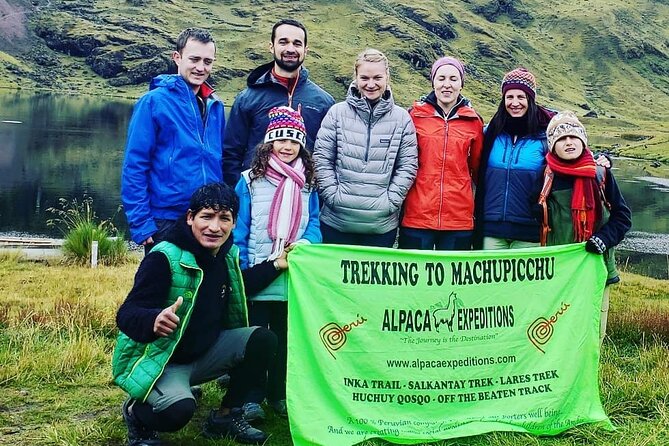
This tour’s reputation is strongly tied to the people running it. Several named guides show up repeatedly: Rodrigo, José Santos, and Saúl Guerra. One guide, Rodrigo, was specifically praised for local insights and even flute playing that fit the atmosphere. You can also see different guide styles across names like Pillco, Sole, Alvin, and Humberto, but the shared thread is clear: people trust the guides to manage both safety and meaning.
On the food side, the trekking chef team gets standout praise, including the way meals are handled at altitude. One note that stuck with me: food gets served despite the height and remoteness, and people still call it excellent and varied. If you have a vegetarian diet, the experience notes a strong ability to accommodate it well.
Camp logistics matter too. you will hear about efficient setup and tear-down, and it’s a big deal because it affects how tired you feel at night. When your camp is ready for you, you can actually enjoy the evening instead of spending energy solving problems.
Altitude, weather, and packing choices that keep you comfortable
The trek is described as a good fit for moderate physical fitness, but also as something that needs strong physical fitness at parts. Translation: you do not need to be a marathon athlete, but you should not treat this as a casual stroll.
Expect:
- Early wake-ups around 5 a.m.
- A big climb on day two to the Condor Pass
- Cold nights on the camping days, even when the daytime feels manageable
Rain is a real factor in some seasons. One account mentioned March as still rainy, which is consistent with many Andean shoulder seasons. If you’re going in wetter months, plan your clothing for wet conditions and pack for warmth, not just for walking.
What’s included vs not:
- Not included: sleeping bag, trekking poles, and air matts (rentals are available)
- Included: drinkable water, first aid kit, oxygen tank, and satellite phone
Practical tip: even if you rent gear, test your footwear before you go. And if you know your body does poorly with altitude, ask questions before you book, and follow your guide’s pace recommendations closely.
Who this Lares Valley trek is best for
This is one of those tours that works for different travel styles, as long as you respect the altitude and early starts.
Best match:
- Families and multi-generation groups who want culture time plus a guided trek
- People who want Machu Picchu, but do not want it to be the only highlight
- Travelers who like a small group, max 14 people, where guides can keep watch on pacing and comfort
You might rethink it if:
- You need a completely low-impact trip. Even with moderate overall difficulty, the high pass is still a demanding day.
- You dislike cold nights. The camp setup helps, but you will still feel the mountain.
Should you book this trek with hot springs?
If you want Machu Picchu but also want a trek day that feels culturally connected, this one makes a lot of sense. The combination of Lares hot springs, village interaction, strong guiding, and a guided Machu Picchu finish is a full itinerary, not just a route.
My decision checklist for you:
- Choose it if you value guided cultural context, not just views.
- Choose it if you want a small-group experience with a team that handles camp and meals well.
- Be cautious if you are very altitude-sensitive or if you need a softer walking plan.
If those points fit you, you’ll likely love how the trip blends the practical and the meaningful: warm hot springs early, real Andean farming and llama life in the trek, then a guided Machu Picchu day where the site finally makes sense.
FAQ
What time does the tour start in Cusco?
The start time is listed as 5:00 a.m. with Cusco hotel pickup. You should also plan for a 6:00 p.m. briefing the night before at the tour office.
How physically demanding is the trek?
The tour says it’s suitable for travelers with moderate physical fitness, but also notes that it requires strong physical fitness. You will have early starts and a higher climb on day two.
Is Machu Picchu included, and is it guided?
Yes. The tour includes Machu Picchu with a guided tour inside the citadel for about two hours.
Is Huayna Picchu included?
No. Huayna Picchu tickets are not included. They cost $75 each and need to be booked in advance.
What meals and lodging are included?
You get 4 breakfasts, 3 lunches, and 3 dinners. Lodging includes 2 nights camping and 1 night in a hotel.
Are train tickets included?
Yes. The tour includes round-trip tourist class train service as part of the Machu Picchu logistics.
What safety items are included on the trek?
The tour includes a first aid kit, an oxygen tank, and a satellite phone for safety.
What gear is not included?
You’ll want to arrange for sleeping bag, trekking poles, and air matts, since these are listed as not included (rentals are available).
More Spas & Hot Springs in Cusco
- From Cusco: 7 lakes with hot springs in Ausangate and meals
★ 4.2 · 10 reviews - From Arequipa: Salinas Lagoon Full-Day Trip with Hot Springs
★ 4.0 · 62 reviews
More Lares Treks
- Lares Trek to Machu Picchu 4D/3N Including Hot Springs
★ 5.0 · 499 reviews - Lares Trek to Machu Picchu 4 days with Panoramic Train
★ 5.0 · 298 reviews - Lares Trek to Machu Picchu 4 Days
★ 5.0 · 68 reviews - Ultimate Lares Trek & Inca Trail 5 days
★ 5.0 · 47 reviews
Recently reviewed around Cusco
- Cusco Cooking Class by ChocoMuseo in Cusco★ 5.0 · 29 reviews
- ATV Adventure to Moray and Maras Salt Mines – Half Day★ 4.5 · 29 reviews
- 1-day excursion to Machu Picchu from Cusco★ 5.0 · 29 reviews
- Private Tour Sacred Valley, Chinchero, Maras Moray, Ollantaytambo★ 5.0 · 29 reviews
- From Cusco: Humantay Lake with Breakfast and Buffet Lunch★ 4.5 · 29 reviews
- 4 Day – Inca Jungle to Machu Picchu★ 5.0 · 29 reviews
- 2-Day Machu Picchu Tour by Train from Cusco★ 4.5 · 29 reviews
- 2-Day Sacred Valley and Machu Picchu Tour By Train★ 4.5 · 29 reviews
Lares Trek, compared.
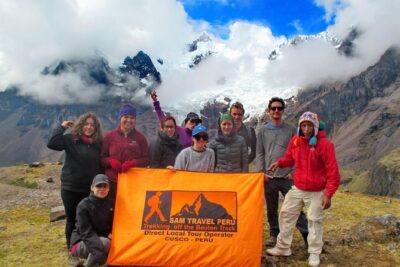
Lares Trek to Machu Picchu 4D/3N Including Hot Springs
Read our review →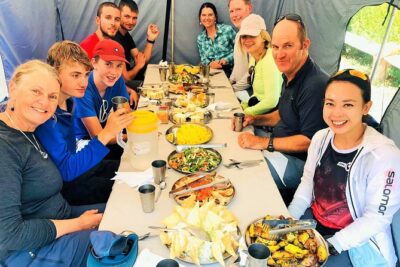
Lares Trek to Machu Picchu 4 days with Panoramic Train
Read our review →
4-Day Lares Trek to Machu Picchu with Panoramic Train
Read our review →Browse the lists this tour appears in