
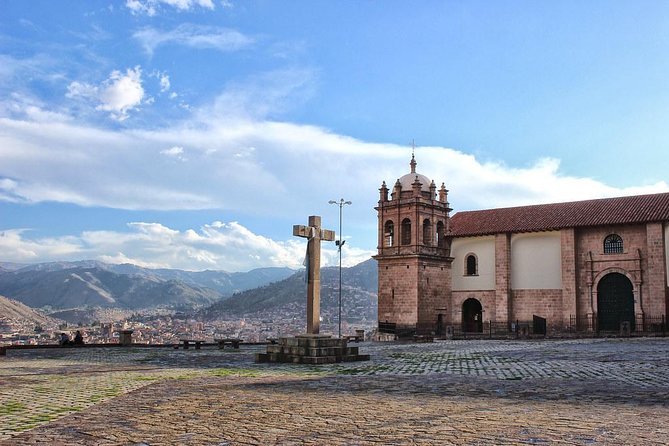
Reviewed · CITY TOURS
Open Bus Cusco City Tour
A ride on a double-decker open bus is one of the easiest ways to get your bearings in Cusco without tiring yourself out on Day 1. It also mixes big-photo moments with a few cultural stops outside the main crush of the plaza.
Two things I really like: the panoramic views from upstairs, and the chance to hear context you often miss when you just wander on your own. A couple of standout guides named in feedback include Paulo and Victor, both praised for explaining what you are seeing in a way that actually sticks.
One thing to consider, though, is that the tour can include stops where sales and donation-style moments show up. If you prefer quiet, zero-pressure sightseeing, you may want to mentally prep for that.
Key highlights worth clocking
- Orange buses and a small group vibe: max 24 people, so it feels more manageable than giant departures
- Upstairs views, rain-proofing, and cold weather reality: upstairs can be great for photos, but Cusco weather changes fast
- Bilingual guidance on the move: you get a guide (not just a silent audio track) and they do bilingual info-sharing
- Major sights with short photo stops: fast access to Plaza de Armas, Cristo Blanco, and viewpoints
- Inca layers from the road: you get explanations tied to places where Spanish-era construction reused older Inca foundations
- A spiritual stop may happen: some departures include a ceremony experience tied to Andean beliefs
Getting Oriented in Cusco From an Orange Double-Decker
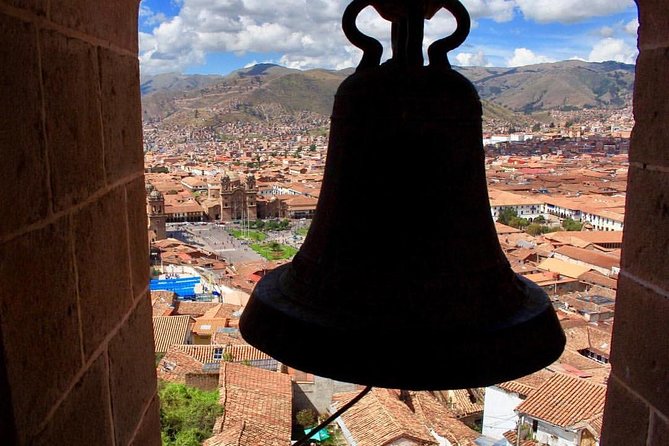
Cusco can feel like a blur at first, especially if you just arrived from sea level or came in after a long trip. This open-bus format is built for orientation: you get movement, views, and a guided story without committing to hours of walking.
The bus itself matters. Cusco Open Tour runs orange buses, and being in a visible, established operator helps you find the right place at the start. The double-decker setup is what makes the tour feel special, because you get those “watch the city unfold” angles, not just street-level glimpses.
You also get a practical trade-off: you do not need to hunt down everything on your own. In about three hours, you can see key landmarks, drive through important areas, and understand how Cusco’s layout connects with Inca and Spanish history.
More City Tours in Cusco
- Cusco: Half-Day City Tour with Sacsayhuaman and Q’enco
★ 4.6 · 1,129 reviews - City Tour Cusco Qoricancha Sacsayhuaman y Tambomachay
★ 4.7 · 617 reviews - Cusco City Tour Four Ruins in Half-Day
★ 5.0 · 530 reviews
Price and Logistics: What About $14 Buys You
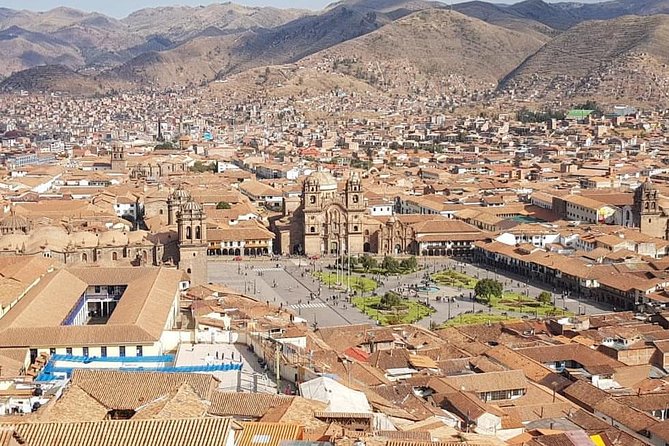
At about $14.09 per person for roughly a three-hour outing, this is a value play. You are not paying for a museum ticket day or a full-day archaeological circuit. Instead, you’re buying transport, a guide, and a guided “best of” loop that helps you plan the rest of your days.
This is especially smart if you are arriving in Cusco and want a low-effort way to learn what is where before picking your paid walking tours or ticketed sites. One clear pattern in feedback is that it works well as a first tour or as a lighter follow-up after something intense like Machu Picchu.
Do keep expectations realistic. The experience is built around driving and brief stops, not long time inside every major site. If you want deep, on-foot archaeology, you will likely use this as a warm-up, then return later for the sites that grab you most.
Meeting Point Near Plaza de Armas, Then Easy City Momentum
You start at Sta. Catalina Angosta 120, Cusco 08002, and you end at C. Saphy 661, about two blocks from the main square. That end point is convenient because it gives you options right after the tour, including food, a quick rest, or another short exploration on foot.
Most people can participate, and the group size is capped at 24 travelers, which helps with crowding compared with huge bus tours. That said, Cusco streets are narrow and traffic can shift the pace, so I suggest scheduling a flexible block after your tour rather than a tight appointment.
Also, plan for a small “how do we get on the bus” moment. A few experiences mention a short walk from the meeting area to the bus or waiting time while things get organized. Nothing dramatic, but it’s enough that I would not arrive with zero buffer.
Plaza de Armas Start: A Fast Cultural Primer
The tour begins at Plaza de Armas, with a quick introduction to Cusco’s culture and history right from the prime center. This matters more than it seems. When you start here, you begin to connect what you see later, like why certain neighborhoods feel like living communities and why the city’s layers show up in major landmarks.
You get a brief orientation moment, then you board the bus right at this central area. The best use of this first segment is to decide what you want to photograph and what you want to revisit on foot later.
Plaza de Armas is also your “reference point.” Once you get that initial context, the rest of the route feels more like a guided map rather than random stops.
A few more Cusco days worth comparing
- Classic Inca Trail Trek 4D/3N to Machu Picchu (Group Service)
★ 5.0 · 8,653 reviews - Cusco: Rainbow Mountain and Red Valley Day Trip with Meals
★ 4.9 · 4,893 reviews - Machu Picchu: 4-Day Inca Trail Trek with Panoramic Train Ride
★ 5.0 · 4,568 reviews - Salkantay Classic Trek 5 Days from Cusco
★ 5.0 · 4,062 reviews
Double-Deck Views of Cusco’s Iconic Fortresses and Daily Life
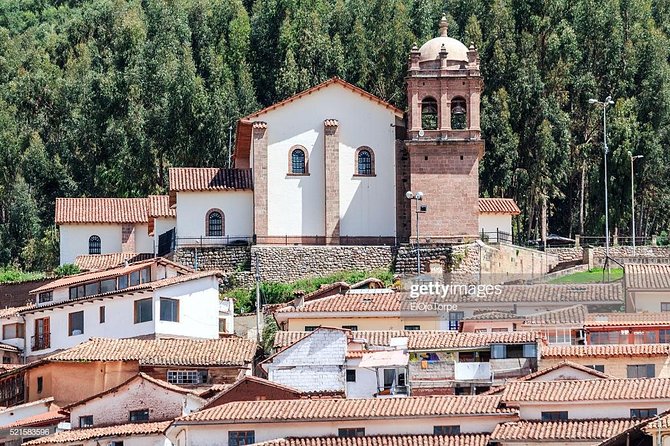
As the bus moves, you get glimpses of how Cusco works as a real city, not just a postcard destination. Passing through key landmarks is part of the value here, because you can see how locals move through narrow roads and how the city’s elevation shapes daily life.
One highlight mentioned in feedback is the upstairs panoramic view while staying on the bus for certain moments. For example, you get a brief look at an Inca fortress described as holding age-old history. You are not trying to beat the crowds inside, you are watching the city from a better angle.
I also like that your guide provides context that tends to be missed if you only do self-guided wandering. Even short explanations can help you notice what you are looking at, instead of just snapping photos and moving on.
Cristo Blanco and the Big View: Views Plus a Photo Window
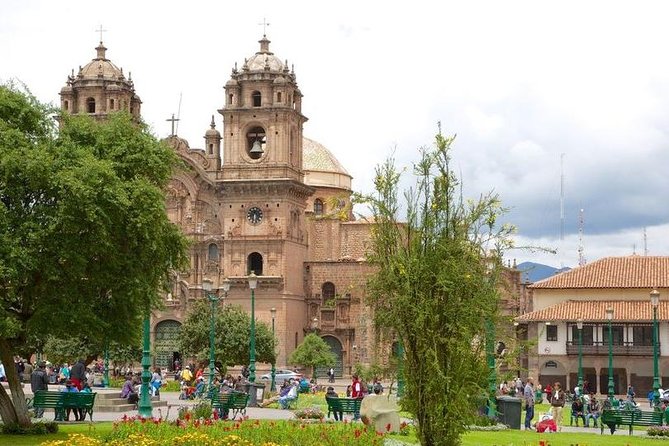
Next up is the Statue of Christ, with admission included and a short 10-minute window. This stop is primarily about the view and photos, but it also comes with guided context, since the statue has historic importance tied to how Cusco’s story was reinterpreted over time.
This is one of the best places on the tour to slow down for a minute. Take a couple of photos, then look around before you rush back onto the bus. From here, you can often see the city spread in a way that makes the driving route make sense.
If you hate standing in line, this is a good fit. The stop is brief, and it is designed as a quick viewpoint break, not a long detour.
Paccha, the Great Mural, and the Spanish Conquest Story You Can Actually See
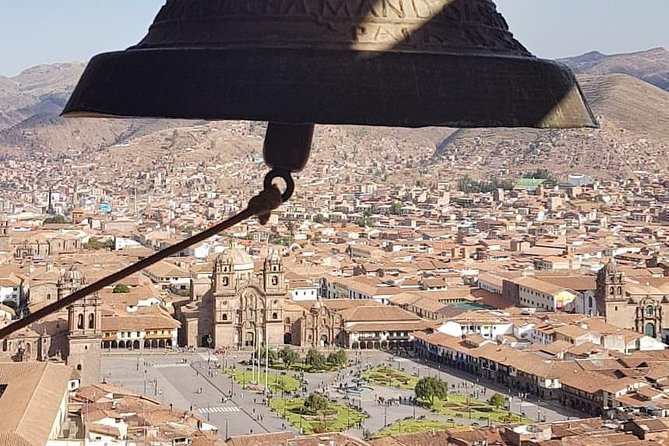
After Cristo Blanco, the drive includes Paccha, plus a ride along what is described as the Great Mural of Cusco. This is one of those “small but smart” pieces of the day. A mural can feel like street art, but it’s also a visual history lesson, showing the arc from Inca rule to the Spanish conquest.
You do not need to read an academic textbook to get value from that. You just need the guide’s explanation and a moment to register what the imagery is communicating.
Then there is another layer moment tied to an important sacred place for the Incas, where Spanish conquistadors demolished the Inca temple and built a church while maintaining the older base. On a bus tour, you see this kind of story through guided narration and placement, not by extended walking through ruins. It is still worth it because it helps you understand what you might later recognize if you visit the site more deeply.
Calle Saphy Ending: Finish Near the Action
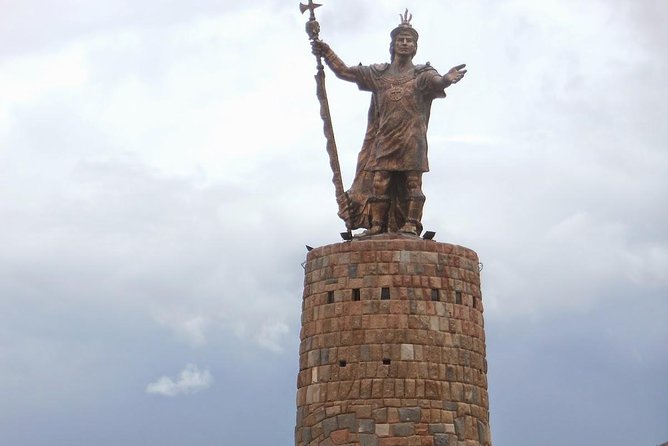
You wrap up at Calle Saphy, just off the main tourist core. Ending there is practical because you do not have to fight for a taxi immediately after sightseeing.
This is a good spot to do quick follow-up steps. If something surprised you on the bus, you can take a short walk, grab lunch, and then return later for a proper exploration. If nothing grabbed you, at least you have seen enough that you can choose smarter for the rest of your stay.
The tour’s short ending also helps you avoid the “I’m stuck in transit forever” feeling that can happen with longer day tours.
Ritual Stop Potential, and How to Choose Your Comfort Level
Some departures include a spiritual ceremony experience. Feedback mentions an Inca-style blessing and a shaman ritual feel, plus descriptions of Andean traditions tied to how Mother Earth is thanked.
In one specific account, the ceremony included coca leaves as part of the ritual. If that detail matters to you, plan to go in with open eyes and respect the fact that this is part of local belief systems, not a stage performance meant for tourists.
How to keep it comfortable for yourself:
- If you want to participate, do it with a clear mind. Ask what is happening if your guide can explain in a way you understand.
- If you do not want to participate, you can still watch, take a few photos, and keep your focus on the sightseeing story.
This part of the tour is a major reason many people call it more than just a bus ride.
The One Big Trade-Off: Shops, Donations, and Sales Pressure
A handful of experiences complain about the same thing: stops that feel more like opportunities to buy than moments to learn. Examples include donation-style requests at a stop and a gift shop selling items at what some people considered higher prices.
I think the real practical advice is simple. Keep your wallet ready, but do not feel forced to buy anything. If you want alpaca textiles, buy them because you like them and you negotiated or compared value, not because you feel rushed.
Also, be aware that some experiences mention being guided to places where the selling energy is strong. If that will ruin your day, you may prefer a more strictly historical walking tour instead, or you can treat this one as a sightseeing loop and keep your distance from shopping stops.
Bilingual Guide Reality: When English Works Best
The tour includes a bi-lingual guide, and many people praise guides who speak good English alongside Spanish. Victor is mentioned for translating and helping non-Spanish speakers, and Paulo is praised for fast, multi-language explanations.
Still, a couple of accounts mention language issues, like English commentary fading or communication gaps. I cannot control that for your specific day, but I can help you reduce risk.
My practical move: come prepared with a few basics in Spanish, even if it’s just greetings and simple questions. And if you care about details, ask right at the start how the bilingual portion will work so you know what you will get before you settle in.
Rain, Cold, and Upstairs Seating Tips for Cusco Weather
Cusco weather can flip in minutes. One account describes rain starting as soon as they boarded, with rain gear helping upstairs seating. After a while, people shifted inside because it got too cold.
So yes, upstairs is great for views, but you should dress like it might get chilly fast. Warm layers help, even in daytime, and they matter more if you plan to stay up top for the driving segments.
One review also notes the music on the upper deck can be very loud. If you are sensitive to loud sound, you might prefer downstairs where you can hear yourself think.
Bottom line: plan for comfort so you can enjoy the views without turning the tour into a cold-weather battle.
Timekeeping: Why You Should Not Stack a Tight Schedule
Most of the tour is designed to be quick and efficient, but not every departure runs exactly like clockwork. Some people report late starts of 40 minutes to over an hour, plus return-time shifts that affect later plans.
If you have another ticketed activity with a strict time, give yourself buffer time. Cusco timing is real, and bus tours can be affected by traffic and operational delays.
The upside is that the main value remains: you get the guided overview and viewpoints. The downside is that you might not be able to count on perfect synchronization with your next reservation.
Who This Cusco Open Bus Tour Fits Best
I think this tour is a great match for:
- First-time Cusco visitors who want a fast orientation before committing to full walking tours
- People who want a lighter day after something like Machu Picchu
- Budget-minded travelers who still want guided context
- Anyone who likes photo stops and scenic driving views
It may be less ideal if:
- You want long time at archaeological sites, because some stops are more like viewings than in-depth site visits
- You hate shopping and donation-style interruptions
- You rely on English-only commentary with zero Spanish understanding, since a few experiences report language inconsistencies
My Take: Should You Book This Open Bus City Tour?
If you want a practical, good-value way to see Cusco’s big landmarks and get explanations while you’re still acclimating, this is a solid choice. The combination of double-decker views, a guide who can add meaning to what you see, and the chance of a spiritual ceremony stop makes it more memorable than a simple hop-on ride.
I would book it when you have a flexible schedule and you treat the shopping stops as optional. I would skip it if you need zero-pressure, quiet history-only touring, or if you have a very tight itinerary with no room for delays.
If you do book, dress warm, bring a calm mindset about sales moments, and use the viewpoint stops to decide what you want to return to later on foot. That is how you get the best return on your $14.09.
FAQ
How long is the Cusco open bus city tour?
It runs for about 3 hours (approx.).
How much does it cost?
The price is listed as $14.09 per person.
What is included in the price?
Transport and a bi-lingual guide are included.
Are meals included?
No, meals and beverages are not included.
What are the start and end locations?
You start at Sta. Catalina Angosta 120, Cusco, and you end at C. Saphy 661, which is about two blocks from the main square.
How many people are in a group?
The tour has a maximum of 24 travelers.
Are any stop admissions covered?
Plaza de Armas is listed as free, the Statue of Christ has admission included, and the final stop is listed as free.
Is gratuity included?
Gratuities are optional and not included.
What is the cancellation policy?
You can cancel for a full refund up to 24 hours before the experience’s start time.
Recently reviewed around Cusco
- Cusco Cooking Class by ChocoMuseo in Cusco★ 5.0 · 29 reviews
- ATV Adventure to Moray and Maras Salt Mines – Half Day★ 4.5 · 29 reviews
- 1-day excursion to Machu Picchu from Cusco★ 5.0 · 29 reviews
- Private Tour Sacred Valley, Chinchero, Maras Moray, Ollantaytambo★ 5.0 · 29 reviews
- From Cusco: Humantay Lake with Breakfast and Buffet Lunch★ 4.5 · 29 reviews
- 4 Day – Inca Jungle to Machu Picchu★ 5.0 · 29 reviews
- 2-Day Machu Picchu Tour by Train from Cusco★ 4.5 · 29 reviews
- 2-Day Sacred Valley and Machu Picchu Tour By Train★ 4.5 · 29 reviews
City Tours, compared.
Lima Half-Day City Walking Tour (Small Groups)
Read our review →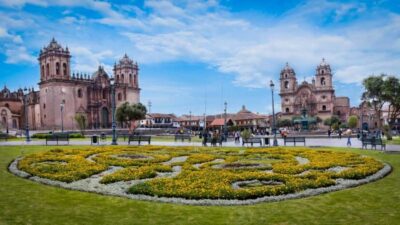
Half-Day City Tour with Sacsayhuaman and Q’enco
Read our review →
City Tour Panoramic Bus Departure From Larcomar
Read our review →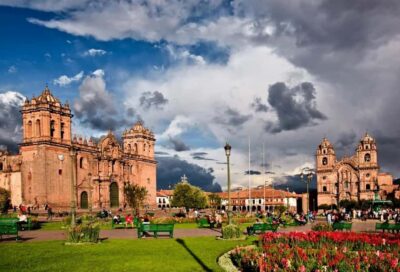
City Tour Cusco Qoricancha Sacsayhuaman y Tambomachay
Read our review →
Lima’s lively Heritage: Exploring the City’s Landmarks Half-day
Read our review →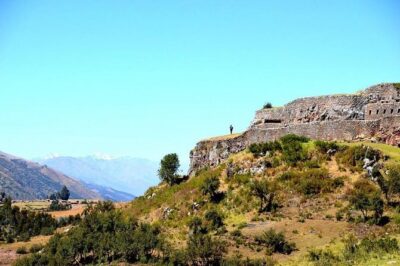
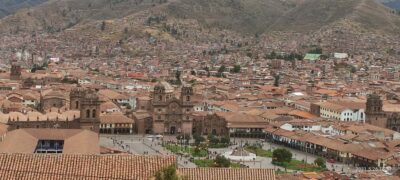
Sightseeing Tour of the City on an Open-Top Bus
Read our review →
Lima City, Central Market & Catacombs Tour (Pick-up & Drop Off)
Read our review →Browse the lists this tour appears in