
Reviewed · CITY TOURS
Open-top bus in the city of Cusco, 3-hour tour with panoramic views
An open-top panoramic bus tour is a smart way to get your bearings in Cusco fast, especially if you want big panoramic views without feeling like you’re sprinting up hills all day. I particularly love the animal learning angle, where you’ll practice telling llamas and alpacas apart and get photo-worthy moments. I also like the cultural core, especially the Inka-style ceremony at Llaullikasa and the hands-on textile focus that ties alpaca fiber to what you see in shops.
One drawback to keep in mind is the meetup. The meeting point is a module inside the address listed, and one reported issue was simply not being able to locate it. So arrive a little early, and double-check the coordinates before you head out.
Key highlights you should not miss
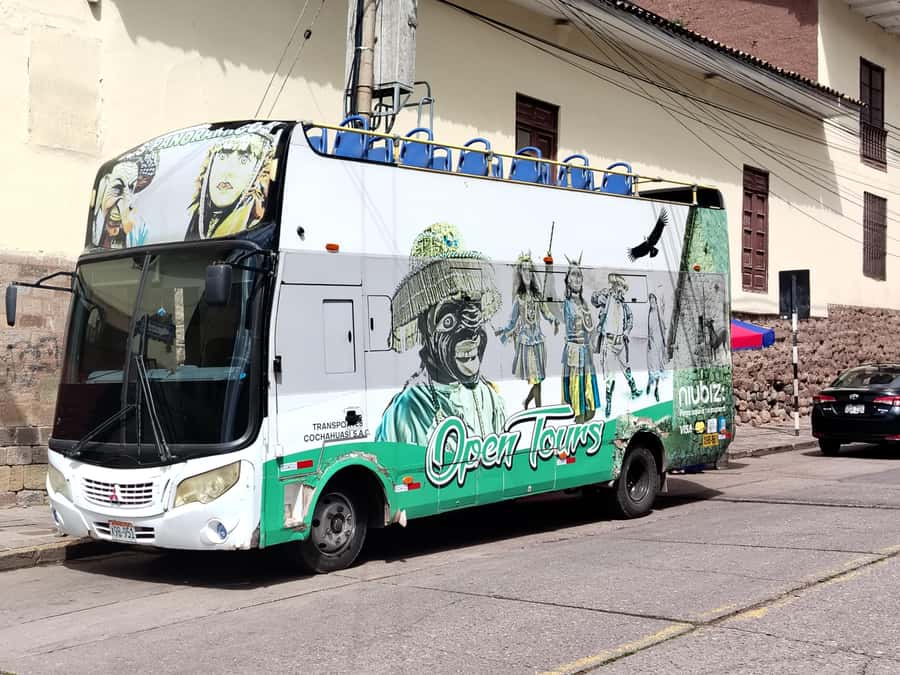
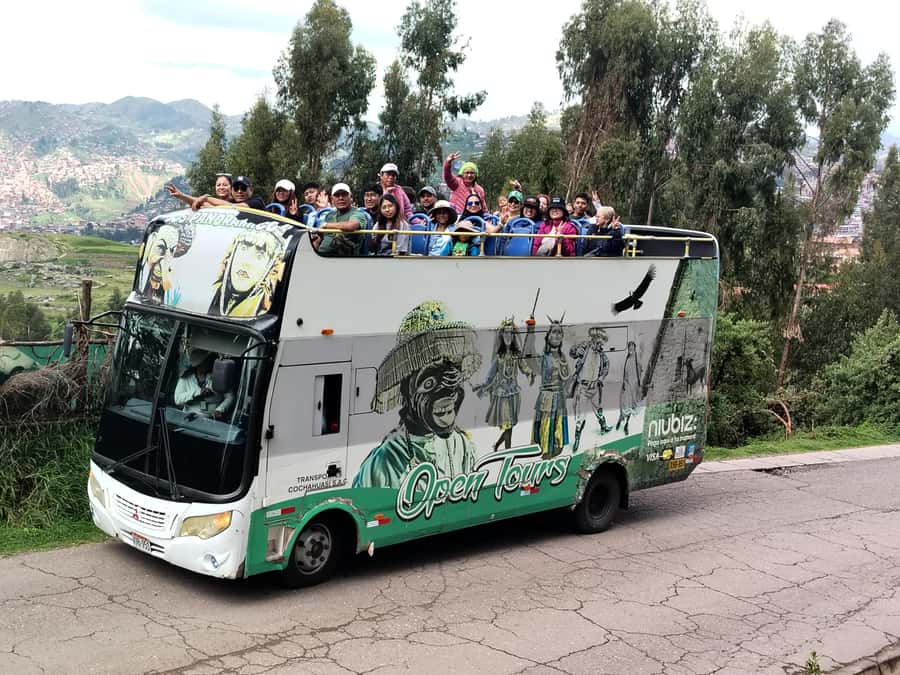
- Open-top panoramic bus views of Cusco’s main sites, with time to look without needing to get off for every stop
- Cristo Blanco viewpoint for about 10 minutes, giving you a citywide perspective
- Payment to the Earth ritual led by an Andean sage, with translation into Spanish and English
- Llamas vs alpacas lesson, plus a chance to visit a wool and craft shop
- Alpaca textile process education, so you can shop more confidently later
- Stop at prehistoric sculptures and stone models, including Cusco icon scale models
Why this 3-hour Cusco open-top bus tour works so well
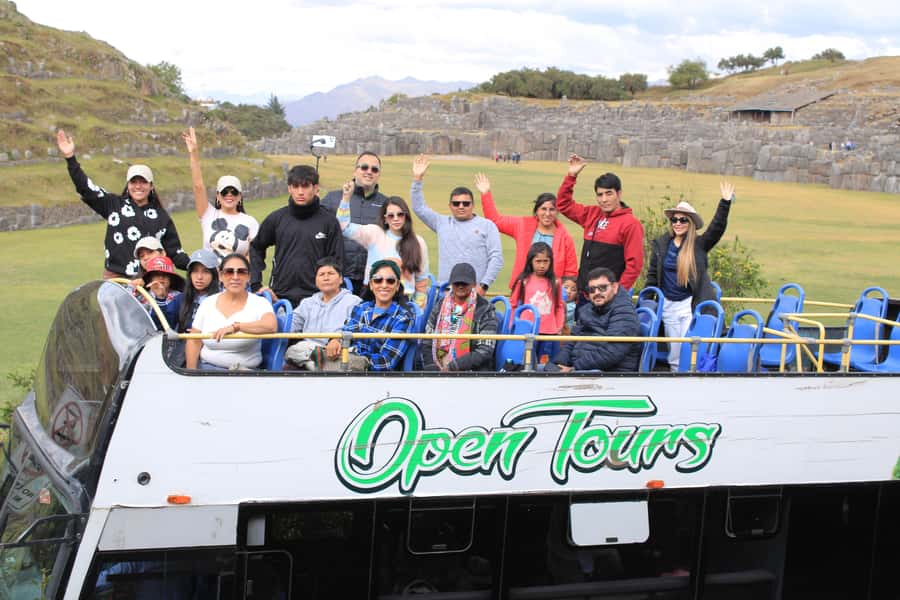
Cusco can feel like a puzzle of stone, slopes, and viewpoints. This tour earns its keep because it reduces the puzzle stress. You ride an open-top bus and get strategic sightseeing stops, so you can enjoy the views while your legs take a break.
You also get a mix that most bus tours skip. The second half is not just “look, photo, repeat.” It’s built around cultural learning at a demonstration center, with a ceremony and textile education tied to alpaca fiber.
And at just 3 hours, it fits well into a first or second day in town. If you’re short on time, or if altitude and walking make you cautious, the schedule is a practical compromise.
More City Tours in Cusco
- Cusco: Half-Day City Tour with Sacsayhuaman and Q’enco
★ 4.6 · 1,129 reviews - City Tour Cusco Qoricancha Sacsayhuaman y Tambomachay
★ 4.7 · 617 reviews - Cusco City Tour Four Ruins in Half-Day
★ 5.0 · 530 reviews
Riding Cusco from the bus: Sacsayhuamán, Pucapucara, and Qenqo
The route starts with a simple promise: you’ll see imposing archaeological centers and you won’t need to jump on and off the bus for every viewpoint. From the vehicle, you can comfortably observe key sites while your guide gives context in English/Spanish.
Sacsayhuamán is often the name people remember first in Cusco. Even when you just view it from a distance, it helps you understand why the fortress-style stonework matters. You get a better sense of location too, because Cusco’s layout makes more sense once you know what’s “watching” from the hills.
Then you pass by Pucapucara and Qenqo. Qenqo is one of those places that looks like it belongs in a storybook of stone. Watching it from the bus gives you a calm, panoramic angle without turning it into a long hike.
A quick note for your photo strategy: open-top bus tours are excellent for wide shots. If you’re trying to grab tight close-ups, your best results will usually come at the viewpoint stops later in the program.
Llaullikasa cultural center: Payment to the Earth, plus llama and alpaca lessons
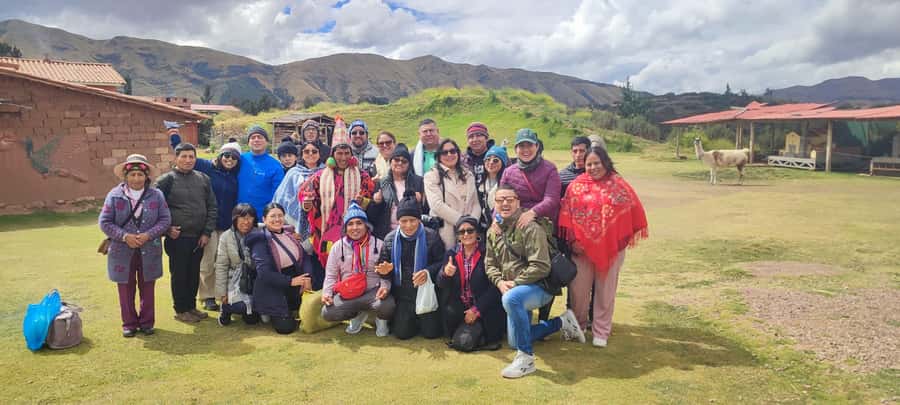
The heart of the experience is the stop at Llaullikasa, a cultural center where you’ll get more than surface-level explanations. Here you’ll witness an ancient Inka ritual, the Payment to the Earth, led by an Andean sage and performed in Quechua. Your guide translates what’s happening into both Spanish and English so you’re not left guessing.
This part matters because it gives you context for the cultural landscape you’re already seeing from the bus windows. Cusco isn’t just a place of ruins and viewpoints. It’s also a place where people connect spirituality, community, and the natural world.
One detail worth knowing: in a review focused on the ceremony, the person specifically called out the hoja de coca element. You may see the coca leaf used as part of the offering process, which many people experience as a direct symbol of connection and respect for local tradition. Either way, pay attention to the guide’s translation. The value here is understanding the meaning, not just watching the steps.
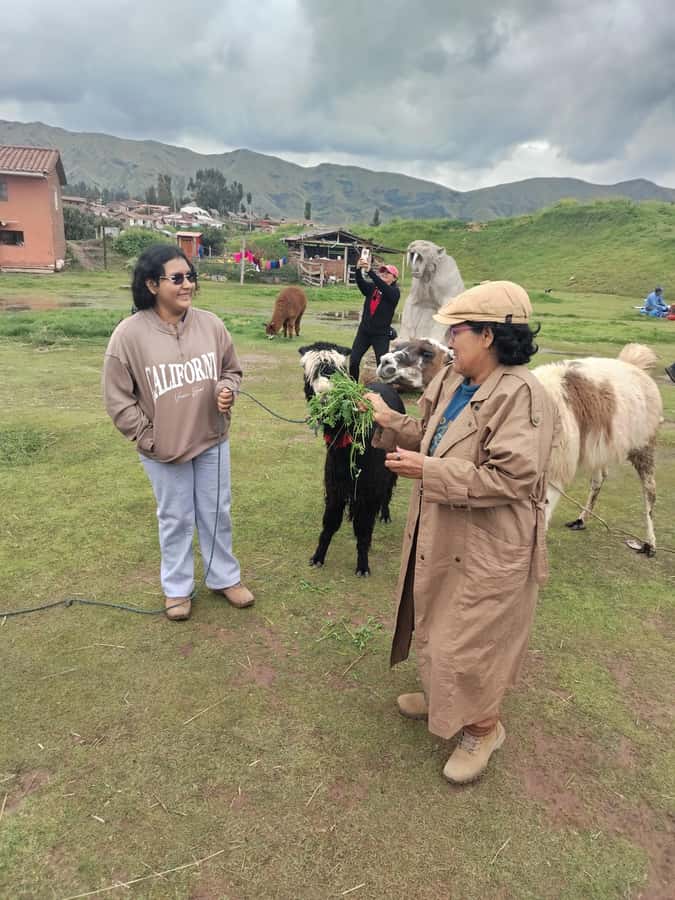
Right alongside the ritual, you’ll also get into animal identity and fiber basics. You’ll learn how to tell llamas and alpacas apart, and you’ll have time for photos. After you’ve had that lesson, the animal imagery you see later in Cusco shops becomes easier to interpret.
And yes, there’s a shop. You can browse handmade crafts made from wool, and the learning stops make your shopping more thoughtful. Instead of buying based on looks alone, you’ll have a better sense of what alpaca fiber typically feels like and how it’s used.
The alpaca textile education: what you learn, and why it helps you shop
A lot of people come to Cusco excited to buy textiles. The problem is that without a bit of background, it’s easy to get distracted by patterns and forget to ask the right questions.
This tour helps because the textile focus is tied to alpaca fiber and traditional Inca textile techniques. You’ll learn the making process through the center’s demonstration activities, which gives you a “why this looks like it looks” framework.
You don’t need to become a textile expert to benefit. What you want is the ability to spot quality cues and understand what you’re paying for. When you’ve seen how alpaca fiber is processed and turned into usable fabric, you’re more likely to recognize when a product is genuinely crafted versus when it’s mostly decorative.
Also, the learning stays practical. It’s not a classroom lecture that ends with a test. You’re looking at models, listening to explanations, and using that knowledge while you’re in the same place where crafts are sold.
If you care about cultural continuity, this is one of the strongest parts of the tour. Many city tours show the “outside” of history. Here you’re seeing a living craft tradition connected to alpaca wool.
A few more Cusco days worth comparing
- Classic Inca Trail Trek 4D/3N to Machu Picchu (Group Service)
★ 5.0 · 8,653 reviews - Cusco: Rainbow Mountain and Red Valley Day Trip with Meals
★ 4.9 · 4,893 reviews - Machu Picchu: 4-Day Inca Trail Trek with Panoramic Train Ride
★ 5.0 · 4,568 reviews - Salkantay Classic Trek 5 Days from Cusco
★ 5.0 · 4,062 reviews
Museum-style stops inside Llaullikasa: sculptures and stone models
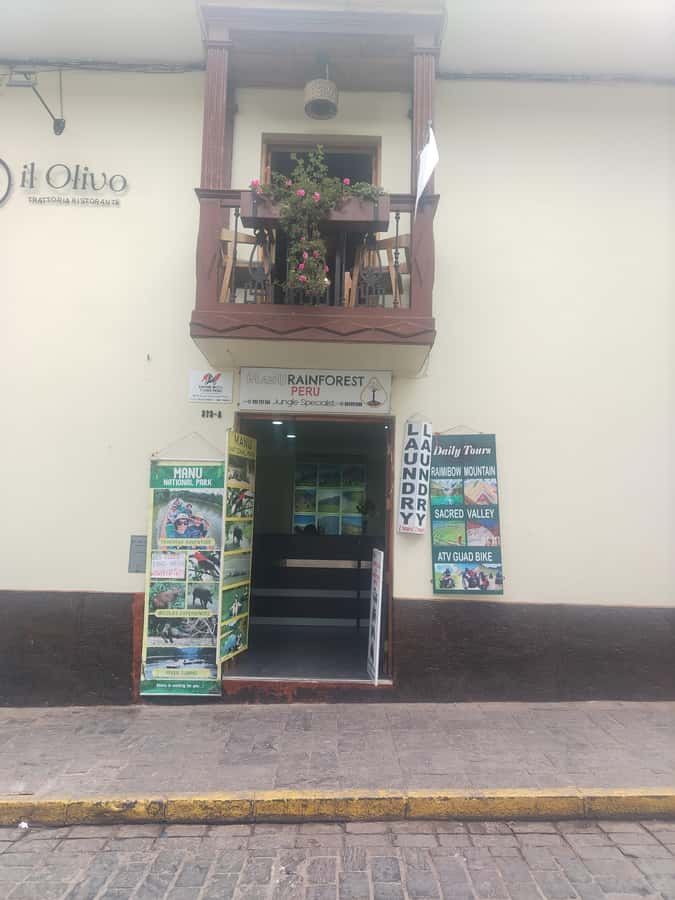
Llaullikasa also includes a mix of display items that break up the day. You’ll see prehistoric Pleistocene animal sculptures and stone models of major Cusco icons like Sacsayhuamán and the Cusco Cathedral.
These models do two helpful things. First, they translate what you saw (or will see) in the city into a clearer mental map. When you’re standing somewhere in Cusco later, the shape and scale of key landmarks becomes easier to visualize.
Second, they make the cultural stop feel like more than just a workshop. If your group includes people with different interests, these displays help everyone find something to latch onto.
Timing is also friendly here. You’re not pressured to sprint from one point to another. You get a tour flow that allows short pauses for photos and listening.
The snacks question: what’s included and what you might pay for
The center offers Andean snacks during the visit, including empanadas baked in a colonial oven. But food is not automatically included in your ticket price.
So if you’re hungry, plan to budget a little extra at the center. If you’re not sure what you’ll want, treat this as optional. It’s nice to have the chance to try something local in context, rather than being rushed to eat at a random time.
Mirador del Cristo Blanco: your 10-minute payoff view
The last viewing stop is the Mirador del Cristo Blanco. You get about 10 minutes of panoramic time to take in the entire city from this vantage point.
This is a classic Cusco “put the pieces together” moment. Up to this point, you’ve been collecting clues from different angles, including bus-side observations of archaeological centers. Now you’re able to zoom out in a literal sense and see how Cusco’s city shape connects to the surrounding hills.
Ten minutes is short, but it’s long enough to:
- take wide city photos
- find the big landmarks you learned about earlier
- simply breathe, because the air and views can reset your whole day
If your goal is photos, aim to move early at the stop. The best spot is usually the one people reach first.
Price and value: is $12 fair for this much mix?
At around $12 per person for a 3-hour program, this tour is priced like a value option in Cusco, not a premium museum experience. The mix is what makes it feel fair.
You get:
- open-top bus transportation for city panoramic sightseeing
- a professional English/Spanish guide
- entrance to the demonstration center for the ceremony and alpaca wool process
The big reason that matters is that it compresses several different types of experiences into one slot. City viewpoints are one thing. A ritual and textile education are another. A craft stop with a learning component is a third. Getting all three in one organized package is often what turns “cheap” into “smart.”
Also, you skip the ticket line. That’s not flashy, but it saves your time. In Cusco, time is your real currency.
The one additional cost to expect is food if you choose snacks at Llaullikasa. But since snacks are optional, you can still keep the trip close to the base price.
Guide quality and atmosphere: what to expect from the human side
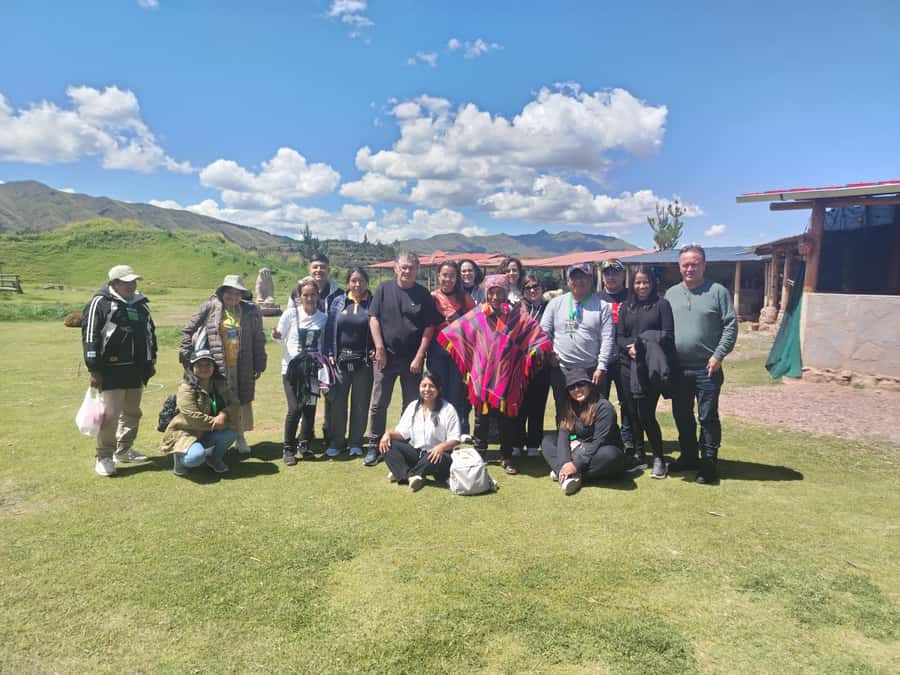
This kind of tour lives or dies by the guide. You’ll want someone who can translate the Andean worldview clearly and respectfully, while also making the bus drive feel smooth and informative.
One review highlighted a guide named Marina for punctuality and a close, passionate style of explanation that made the experience feel authentic. Another positive note pointed to a varied ride with good accompaniment. That lines up with what you should hope for: a guide who treats the cultural parts as real, not as a box to check.
Here’s what you can do to maximize the “good guide” factor. Ask one question during the stops if you’re curious, especially during the ceremony translation and the textile segment. Guides often speed up your understanding once they know you’re paying attention.
Practical prep checklist so you enjoy it (not just survive it)
Cusco can be sunny and the streets can be uneven. This tour is not a “wear fashion shoes and forget it” day.
Bring:
- Comfortable shoes (you’ll be standing and walking around at stops)
- a camera or charged smartphone
- sunscreen, ideally biodegradable
- cash for optional snacks and shop purchases
- your personal medication if you need it
Avoid:
- high-heeled shoes
- weapons or sharp objects
- smoking in the vehicle or indoors
- riding animals
- making fire, and other items that obviously don’t belong in a cultural center setting
Also, keep your full name ready, since it’s requested as part of your information.
Who should book this Cusco panoramic bus tour, and who might skip it
This is a good match if you want:
- open-top city views without constant uphill walking
- a first-day introduction to key Cusco landmarks
- cultural learning that includes a ritual and textile process
- a short, organized 3-hour plan near the Plaza de Armas area
It may not be ideal if you have:
- epilepsy or visual or hearing impairments, since it’s not suitable per the tour’s restrictions
- mobility concerns tied to mobility scooter restrictions, since mobility scooters are not allowed
If you’re very detail-oriented about archaeology and want to spend hours hiking ruins up close, you might find the bus-side observations too distant. But if your goal is to see the big picture and get oriented, this tour hits the target.
Should you book this tour?
If you want a low-effort, high-view Cusco intro plus real cultural texture, I think this is an easy yes. The $12 price feels reasonable because you’re not only riding around, you’re paying for guide time and for entry into the demonstration center activities.
I’d book it especially if you care about learning, not just taking photos. The llama vs alpaca lesson and the alpaca textile process education are the kinds of add-ons that turn your shopping and sightseeing into something more meaningful.
The only reason to pause is the meetup location. The pickup is a module inside the listed address, and one issue came from not finding it. If you’re organized, arrive early and check the provided coordinates, and that concern disappears.
FAQ
How long is the Cusco open-top panoramic bus tour?
The tour lasts 3 hours.
What languages are the guides?
The guide provides a live tour in English and Spanish.
Where will I go and what will I see?
You’ll ride an open-top bus for panoramic views of Cusco, with stops to view archaeological centers such as Sacsayhuamán, Pucapucara, and Qenqo from the bus. You’ll also visit the Llaullikasa cultural center for the Payment to the Earth ritual and alpaca textile activities, and finish at the Mirador del Cristo Blanco viewpoint.
Is the food included at Llaullikasa?
No. Snacks like empanadas are mentioned as available, but enjoying them is not included in the tour price.
What is included in the ticket price?
Your ticket includes open bus transportation, a professional English/Spanish guide, and entrance to the demonstration center for activities such as the Payment to the Earth and the alpaca wool process.
Where is the meeting point?
The meeting point is a module inside the address indicated, and the coordinates provided are -13.5154293, -71.9807116.
Recently reviewed around Cusco
- Cusco Cooking Class by ChocoMuseo in Cusco★ 5.0 · 29 reviews
- ATV Adventure to Moray and Maras Salt Mines – Half Day★ 4.5 · 29 reviews
- 1-day excursion to Machu Picchu from Cusco★ 5.0 · 29 reviews
- Private Tour Sacred Valley, Chinchero, Maras Moray, Ollantaytambo★ 5.0 · 29 reviews
- From Cusco: Humantay Lake with Breakfast and Buffet Lunch★ 4.5 · 29 reviews
- 4 Day – Inca Jungle to Machu Picchu★ 5.0 · 29 reviews
- 2-Day Machu Picchu Tour by Train from Cusco★ 4.5 · 29 reviews
- 2-Day Sacred Valley and Machu Picchu Tour By Train★ 4.5 · 29 reviews
City Tours, compared.
Lima Half-Day City Walking Tour (Small Groups)
Read our review →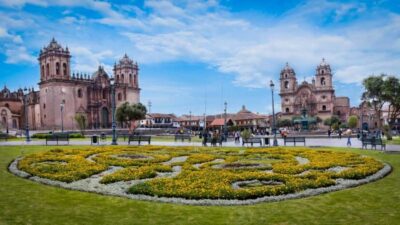
Half-Day City Tour with Sacsayhuaman and Q’enco
Read our review →
City Tour Panoramic Bus Departure From Larcomar
Read our review →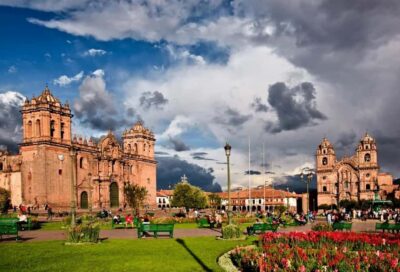
City Tour Cusco Qoricancha Sacsayhuaman y Tambomachay
Read our review →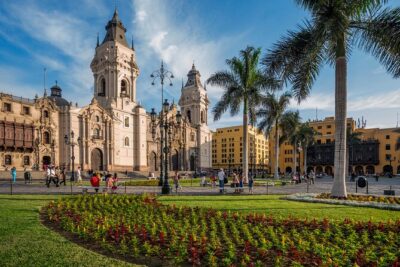
Lima’s lively Heritage: Exploring the City’s Landmarks Half-day
Read our review →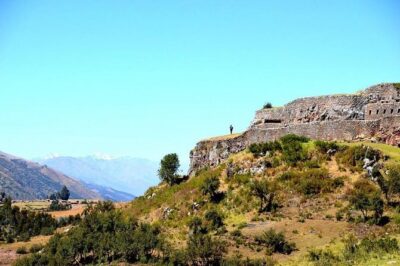
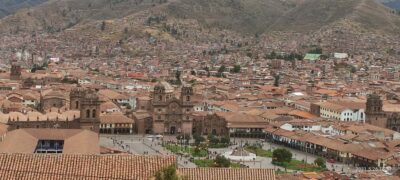
Sightseeing Tour of the City on an Open-Top Bus
Read our review →
Lima City, Central Market & Catacombs Tour (Pick-up & Drop Off)
Read our review →Browse the lists this tour appears in