
Reviewed · CITY TOURS
Qorikancha and Four Ruins Cuckoo City Tour
Cusco has a way of stacking awe on top of awe, and this route does it fast. You start at Qorikancha, then you move through big Inca ceremonial and practical spaces like Sacsayhuaman and Q’enqo, before finishing with water and textiles.
I love how the stops feel connected, not random. You get to see Inca stonework up close, then how those places were used, from festivals and astronomy to frontier control.
One consideration: the tour price is not the full entrance cost, so budget for archaeological-site access on top of the listed rate.
Key highlights to notice
- Qorikancha stonework precision that still holds its shape after earthquakes, plus its sacred origin story
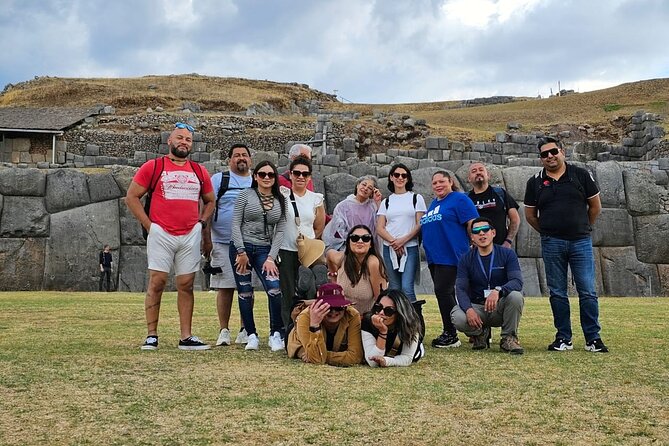
- Sacsayhuaman’s three zigzag terraces built from huge limestone blocks, tied to events like Warachikuy and Inti Raymi
- Q’enqo’s labyrinth layout and stone sculptures linked to astronomy and religious or embalming study
- Puka Pukara, the red fortress used to watch access in and out of Cusco
- Tambomachay’s constant fountain flow and the idea of a resting place, often called the Inca baths
- Hands of the Community textile museum with baby alpaca and vicuña garments, and entry included
A Cusco half-day that strings together the Inca big ideas
This is a 5 hours 30 minutes Cusco city tour that mixes major ruins with a textile museum stop, and that combination matters. Many half-day tours treat ruins like a photo checklist. This one adds context as you walk, so the places start talking to each other.
You start in central Cusco and get hotel pickup plus transport. Then you tour in a set order that makes geographic and cultural sense: sacred enclosure at Qorikancha, massive ceremonial platform at Sacsayhuaman, nearby labyrinth space at Q’enqo, a frontier control point at Puka Pukara, and then water and rest at Tambomachay. You end back in the Plaza de Armas area area so you can keep exploring on your own.
More City Tours in Cusco
- Cusco: Half-Day City Tour with Sacsayhuaman and Q’enco
★ 4.6 · 1,129 reviews - City Tour Cusco Qoricancha Sacsayhuaman y Tambomachay
★ 4.7 · 617 reviews - Cusco City Tour Four Ruins in Half-Day
★ 5.0 · 530 reviews
Price and what you really pay for at the sites
The tour price is $21.50 per person, and it includes a few key costs that help you travel lighter.
Included:
- hotel pickup and transfer in the center of Cusco
- a professional guide (Spanish and English)
- tourist transportation
- entry to the textile center
Not included:
- access to archaeological sites at PEN 70.00 per person
- tips and food
So the value depends on one thing: whether you budget for the PEN 70 site access. If you do, the package is a strong way to see five major Inca-related stops in one go without having to arrange separate tickets and transportation.
Also, the group size is capped at 50 travelers, which usually keeps the pacing more manageable than bigger buses. It is not a private tour, but it also is not a cattle-car situation.
Qorikancha: stonework precision and sacred rules from the Sun Temple
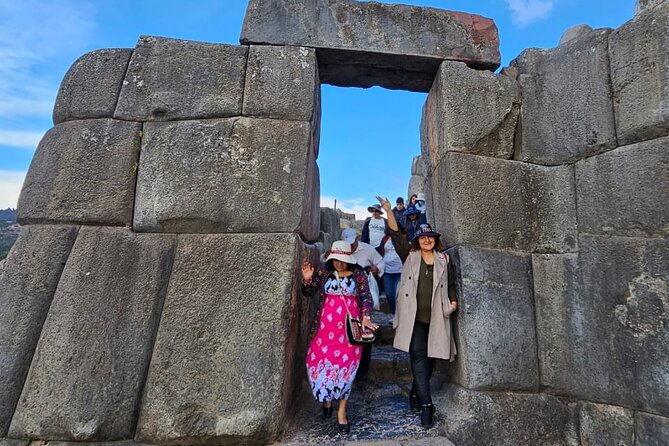
Stop one is Qorikancha, also called the Temple of the Sun. The story attached to this enclosure is intense. According to chronicles, to enter the sacred space people had to go into fasting and barefoot, because it was seen as an indigenous shrine tied to the Sun God and other celestial forces like the Moon, Stars, Rainbow, Thunder, and Ray.
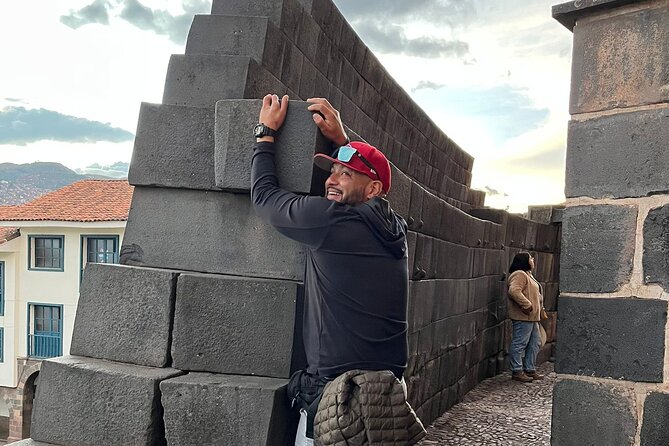
When you are there, pay attention to the lithic technology. The cutting is described as so fine that you cannot insert a sheet of paper. That is not just a fun fact. It is the way you understand why people still visit today, including why the stonework is said to remain stable even after earthquakes.
How long you get here is about 40 minutes, which is enough time to:
- look at the stone surfaces up close
- take in the enclosure feel
- listen for how the guide connects sacred meaning to construction
Possible drawback: since admission to the archaeological site is not included in the base price, you will want to have the PEN 70 ready. Also, Qorikancha can feel busy depending on the day, so try to start your camera work early in the stop.
Sacsayhuaman: terraces built from huge limestone and used for big events
Next up is Sacsayhuaman. This is the stop where the scale hits you. It is built with massive limestone blocks, described at roughly 25 to 130 tons each. You are looking at a site designed for gathering, not quiet wandering.
The layout is also distinctive: three terraces set in a superimposed, meandering zigzag pattern. That design matters because it is not just architecture. It is a stage for ceremonies and crowds.
Your tour ties it to events such as Warachikuy and Inti Raymi. Even if you are not attending those festivals, knowing the intended use changes how you read the place. You start noticing vantage points and how the terraces could handle people moving and celebrating.
You get around 40 minutes here, which is a good pace: enough to understand the basic structure, but not so long that you feel stuck in one spot.
Consideration: like Qorikancha, site access is extra. Plan your budget, and you will avoid the awkward moment of realizing you needed the ticket money later.
More Qorikancha visits:
- Cusco City Sightseeing, San Pedro Market, Cathedral and Qorikancha Temple
★ 4.5 · 139 reviews - Private Cusco Walking Tour: Inca Museum, Qorikancha and San Pedro Market
★ 5.0 · 15 reviews - Cusco: Half-day city tour with Coricancha + 4 ruins
★ 3.4 · 6 reviews
Q’enqo: a labyrinth feel and stone sculptures tied to astronomy and study
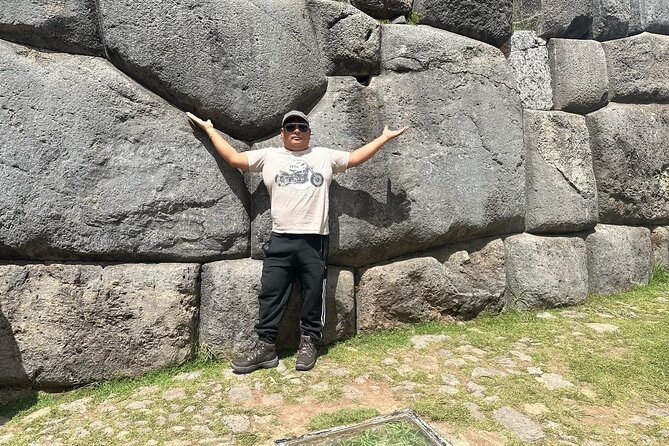
From Sacsayhuaman, you move to Q’enqo, which means labyrinth. The key detail here is the connection to the area you just visited. Q’enqo sits about one kilometer from Sacsayhuaman, so you feel the cluster of sites rather than a set of separate stops.
Q’enqo is described as a limestone-based construction with stone sculpture over a stretch of around 500 meters. Historians also tie structures here to astronomical and religious study, and even to embalming and/or mummification.
That is the kind of information you want your guide to explain in plain language. Here, it helps you avoid treating Q’enqo like a mystery sculpture park. It becomes part of the bigger Inca worldview, where spiritual practice and observation of the sky were linked.
You spend about 30 minutes at Q’enqo. It is a sweet spot: enough time for photos and for the guide to connect the dots.
Possible drawback: the site is not the easiest place to appreciate without context. If you tend to rush through ruins, slow down a little and let the guide’s explanation land.
Puka Pukara: the red fortress and the logic of controlling movement
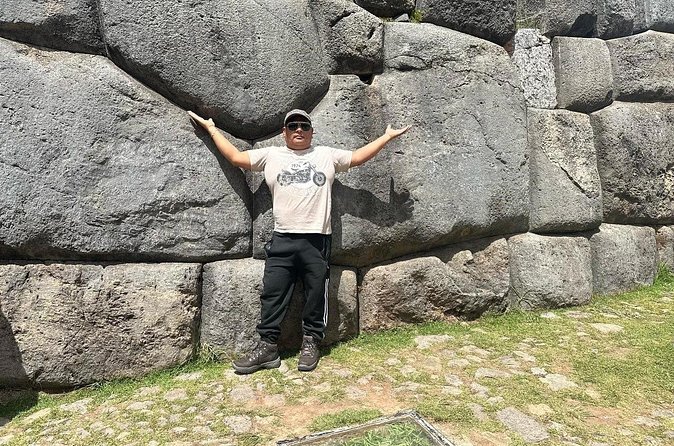
Stop four is Puka Pukara, which comes from two Quechua words meaning red fortress. This is a tactical site in spirit and location. It is described as a strategic place to control and surveil access to and exit from the imperial city of Cusco.
The tour frames it as a territorial border that helped divide regions and establish rules of movement. That changes the mood. Instead of thinking only in terms of ceremonies, you start thinking in terms of how an empire organized real life, who could travel, and how leaders managed borders.
You get about 25 minutes here, which is brief but enough to understand what the site was meant to do. It also keeps the day from dragging.
Practical tip: if you like learning, this is a good stop to ask your guide a question. The context is strong, so small clarifications can make the visit click.
Tambomachay: Inca baths, water fountains, and the idea of eternal youth
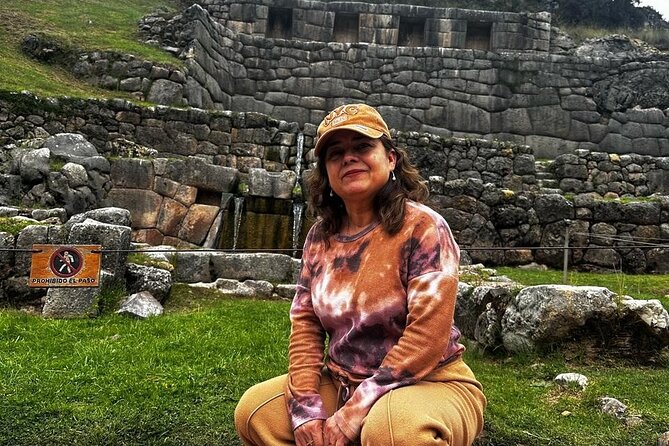
Then you shift to water. Tambomachay is described as a resting place about 9 km from Cusco, known as the Inca baths thanks to its fountains and constant flow. It is also called the waters of eternal youth, tied to the steady movement of water.
This is a nice contrast after the stone-heavy stops. You get a different kind of atmosphere, and the tour helps you see why water would be important for rest, ritual, and everyday wellbeing.
You spend about 35 minutes, and you can use the time to:
- look at the fountain system and flow features
- take in views back toward Cusco
- listen for how the guide explains the purpose of the resting place
Consideration: Tambomachay is not listed as having the same admission notes as the others in your outline, but the archaeological access fee applies to the ruins stops, so again, plan for the PEN 70 per person site access.
Hands of the Community textile center: fibers, camelids, and what Peru actually makes
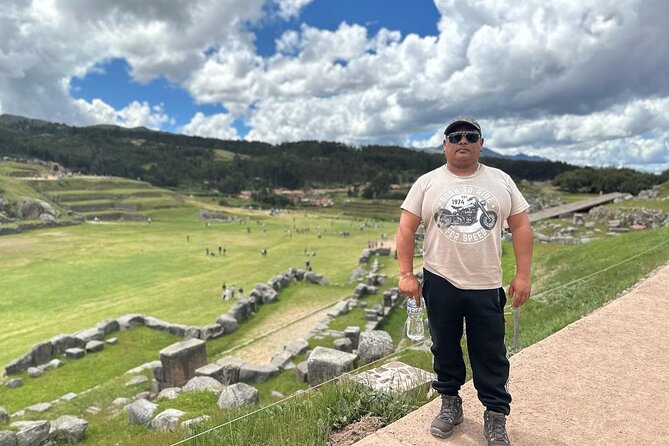
The final major stop is Manos De La Comunidad, the Hands of the Community Textile Center. This is included, and the entry is free, which is a smart way to balance your day. You get a break from uphill walking and a different kind of cultural depth.
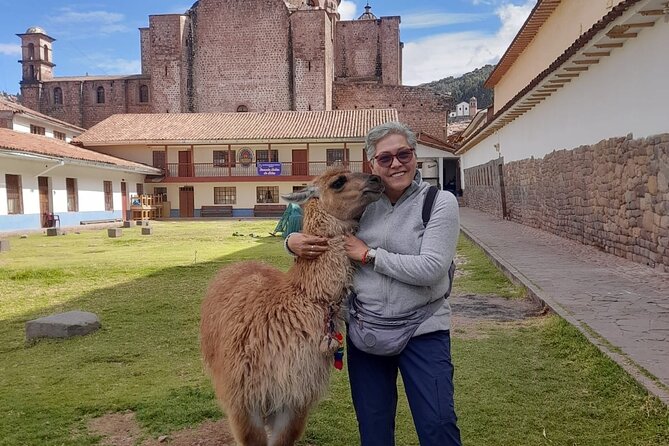
This center is a museum of South American camelids, so you can appreciate the variety of camelids and connect them to textile traditions. The tour description also highlights that you will see baby alpaca and vicuña garments, plus replicas of ancient and contemporary tapestries made by Peruvian artists.
Why I like this stop for travelers: textiles are one of the easiest ways to understand culture beyond architecture. When you can see materials like alpaca and vicuña and the kind of garments made from them, the stories in the region feel less abstract.
You have about 40 minutes here. That works well even if you are not the type to linger in museums. It is short enough to stay fresh for the return to Cusco’s center.
One more practical advantage: this stop is included, so it helps you control your total out-of-pocket costs for the day.
How the tour runs, timing, and the guide factor
The tour includes hotel pickup and transfer in the center of Cusco, plus tourist transportation. That matters in Cusco, where getting from one viewpoint to the next can cost time and energy. You also avoid figuring out how to pay for transport between scattered sites.
Your guide is a professional tourism guide who works in Spanish and English. A big theme from the way the experience is described is that people feel well received and that the guide answers doubts. That is the difference between passively watching ruins and actually learning how to read them.
The pacing is fairly structured:
- Qorikancha about 40 minutes
- Sacsayhuaman about 40 minutes
- Q’enqo about 30 minutes
- Puka Pukara about 25 minutes
- Tambomachay about 35 minutes
- Textile center about 40 minutes
Total time lands at roughly 5 hours 30 minutes. It is an ideal length for first timers who want a solid overview without committing to a full day.
Group size is capped at 50, which helps keep the experience from getting too crowded. Still, you should expect a normal shared-tour rhythm, not a private slow stroll.
Who should book this tour, and who might prefer something else
This tour is a strong fit if you:
- are in Cusco for a short time and want multiple major stops in one day
- like your ruins with explanation, not just photos
- want a balanced mix of stone sites and textile culture
- are traveling as a family and want a day that feels fun and not overly technical
It might be less ideal if you:
- hate paying separate archaeological access fees
- want deep time at just one site rather than a broader sweep
- prefer to go fully at your own pace with no set timing
If you are the type who enjoys asking questions, this tour rewards you. The guide’s job is to connect the dots between sacred spaces, practical spaces, and the materials people used to live and express identity.
Should you book Qorikancha and Four Ruins Cuckoo City Tour?
I would book it if you want the easiest way to see a lot of Cusco’s most famous Inca-related sites in one half-day block, with a guide who helps the meaning stick. The value is good as long as you plan for the PEN 70 archaeological-site access and you are okay with a set itinerary.
If your priority is only one or two ruins and you want maximum time for slow wandering, you might be happier with an on-your-own plan or a more focused tour. But for most first time visitors, this hits the sweet spot: major stops, logical order, and a textile museum finish that gives you something you can carry home, like knowledge about materials and craft.
FAQ
What is the duration of the tour?
The tour lasts about 5 hours 30 minutes.
Where does the tour start and where does it end?
It starts at C. Espinar 208, Cusco 08002, Peru, and it ends back at the meeting point.
What is included in the price?
Hotel pickup and transfer in central Cusco, a professional guide (Spanish and English), entry to the textile center, and tourist transportation are included.
What is not included?
Access to archaeological sites is not included, at PEN 70.00 per person. Tips and food are also not included.
Do I pay for the textile center?
Entry to the textile center is included, and the stop is listed as free.
How big is the group?
The tour has a maximum of 50 travelers.
Can I cancel for free?
Yes. You can cancel up to 24 hours in advance for a full refund.
Recently reviewed around Cusco
- Cusco Cooking Class by ChocoMuseo in Cusco★ 5.0 · 29 reviews
- ATV Adventure to Moray and Maras Salt Mines – Half Day★ 4.5 · 29 reviews
- 1-day excursion to Machu Picchu from Cusco★ 5.0 · 29 reviews
- Private Tour Sacred Valley, Chinchero, Maras Moray, Ollantaytambo★ 5.0 · 29 reviews
- From Cusco: Humantay Lake with Breakfast and Buffet Lunch★ 4.5 · 29 reviews
- 4 Day – Inca Jungle to Machu Picchu★ 5.0 · 29 reviews
- 2-Day Machu Picchu Tour by Train from Cusco★ 4.5 · 29 reviews
- 2-Day Sacred Valley and Machu Picchu Tour By Train★ 4.5 · 29 reviews
City Tours, compared.
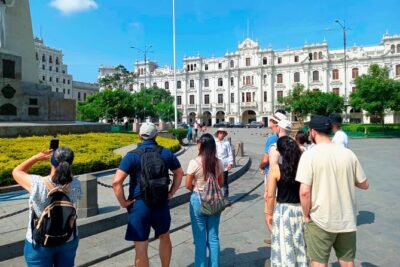
Lima Half-Day City Walking Tour (Small Groups)
Read our review →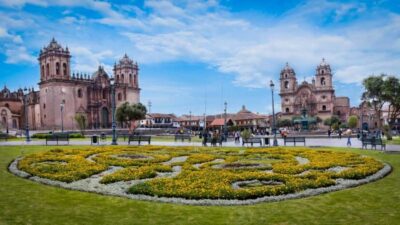
Half-Day City Tour with Sacsayhuaman and Q’enco
Read our review →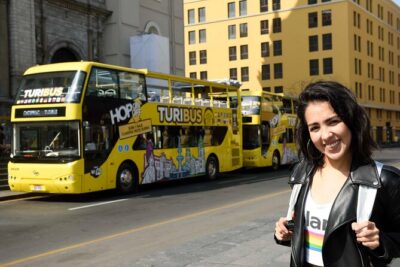
City Tour Panoramic Bus Departure From Larcomar
Read our review →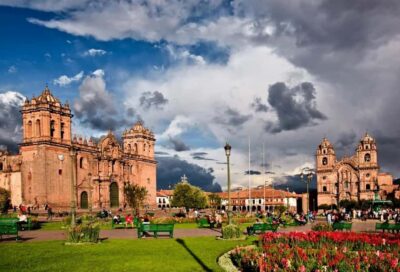
City Tour Cusco Qoricancha Sacsayhuaman y Tambomachay
Read our review →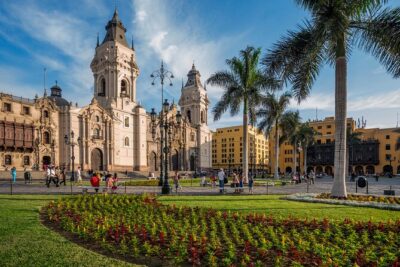
Lima’s lively Heritage: Exploring the City’s Landmarks Half-day
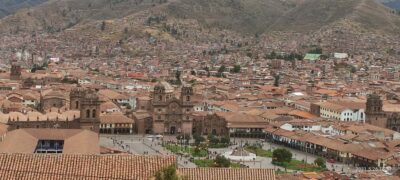
Read our review →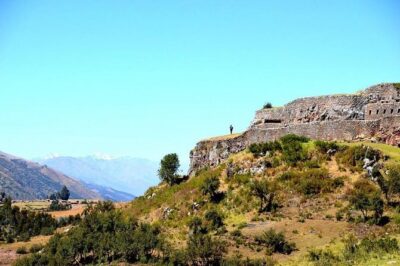
Sightseeing Tour of the City on an Open-Top Bus
Read our review →
Lima City, Central Market & Catacombs Tour (Pick-up & Drop Off)
Read our review →Browse the lists this tour appears in