
Reviewed · MACHU PICCHU
Sacred Valley & Machu Picchu by Train: 2-Day, 1-Night Tour
This is a smart way to hit Sacred Valley highlights and still make it to Machu Picchu early. You get the train rhythm, the guided context, and the convenience of door-to-door pickup in Cusco, so you spend your time looking up, not figuring out buses.
I like that this route strings together the big Inca sites in a logical flow, from Pisac to Moray and Salineras of Maras, then on to Ollantaytambo for the train. I also like the human touch, the kind where a guide like Herbert Vidal, Alex, or Oliver can answer your questions clearly and keep the story straight. One consideration: it is an early start kind of trip, so if you hate morning alarm clocks, the Machu Picchu day will feel like a workout.
Key points to know before you go
- Small group size (up to 16), which makes stops feel calmer and Q and A more realistic
- Pisac Market time for crafts so you can shop with context, not just speed-run ruins
- Moray and the Salineras of Maras are included, not treated as a side quest
- Machu Picchu sunrise entry by bus plus a guided route of about 3 hours inside the citadel
- Train round-trip on Expedition and a one-night stay in Aguas Calientes to protect your schedule
The logic behind this Sacred Valley, train, Machu Picchu plan
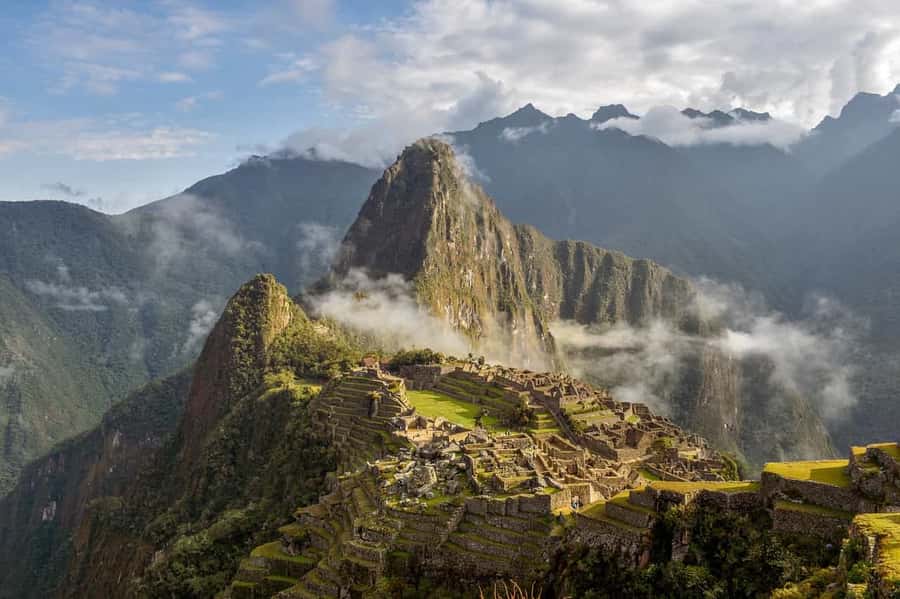
If you want Machu Picchu without turning your trip into a spreadsheet, this format helps. You start in Cusco, drive the Sacred Valley sites in one day, and then shift gears to the train for the overnight in Aguas Calientes. That matters because Machu Picchu is the kind of place where timing is everything. Being there early means cooler temperatures, fewer headaches, and sunrise vibes you can actually enjoy.
The itinerary also balances big-name ruins with hands-on, everyday things. You’ll see archaeological sites, yes, but you’ll also spend time at Pisac’s market and learn about textiles and natural dyes at an alpaca textile center. In other words, you’re not just collecting photos. You’re understanding how people used to live and how traditions continue.
There is a tradeoff. Because it is guided and scheduled, you cannot roam at your own pace every minute. If you want total freedom to linger, you might prefer a more independent plan. If you want fewer logistics and better flow, this tour is built for you.
More Evening Experiences in Cusco
- Inca Trail 4-Day 3-Night Trek to Machu Picchu with Expert Guides
★ 5.0 · 733 reviews - Lares Valley Trek with Hot Spring 4-Day, 3-Night
★ 5.0 · 656 reviews - Humantay Lake and Salkantay Pass Trek – 2 Days / 1 Night
★ 5.0 · 380 reviews
Alpaca Center stops: textiles, natural dyes, and real animals
Day 1 begins with a short transfer from Cusco to an Alpaca Farm and textile center. You’ll have a chance to see llamas and alpacas, plus other animals like viñuna and guanacos, then learn how the weaving process works and how natural colors are made.
This stop sounds “touristy” in a lazy way, but it can be genuinely useful. Machu Picchu and the Sacred Valley are Inca sites, yet the modern Andean economy is still tied to wool and textiles. Understanding the basics of fiber and dye gives you a better eye when you later see handicrafts at Pisac Market.
What I like here is that it is not only about shopping. The program frames the textile work as a skill and a local practice, and the guide can usually explain the logic behind the colors. If you’re the kind of traveler who likes to buy something meaningful (and not just grab souvenirs that look the same as everywhere else), this helps you make smarter choices.
Practical tip: bring a daypack and leave bulky luggage behind. The rules are strict about large bags, and you will be moving between vehicles and sites.
Pisac: the Inca site up top, and the market for smart souvenir shopping
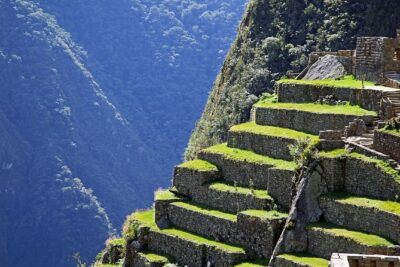
Next comes Pisac archaeological site, perched high with stone walls, agricultural terraces, irrigation systems, and what’s described as the Inca Empire’s largest cemetery. It is the kind of place where terraces and water systems suddenly make sense. Even if you are not an archaeology expert, you can usually spot how the Inca engineered farming on steep ground.
Then you head down to Pisac Market. This is where the tour gets extra practical for most people. You’ll have time to browse ceramics, textiles, jewelry, Andean instruments, alpaca products, and souvenirs. If you like bargaining, this is the moment to do it. You can also use what you learned earlier at the textile center to tell better-made pieces from cheaper ones.
A balanced note: markets can be overwhelming if you go in expecting a museum-like calm. Keep your pace steady. Go for items with materials you understand (wool, natural dyes, solid weaving) rather than impulse buys when your brain is tired.
If you’re shopping, think small and packable. You’ll be carrying your purchases, and you’ll also be moving to multiple sites the same day.
Moray and Salineras of Maras: the “why this works” stops
After lunch in Urubamba, the tour turns to Moray and Salineras of Maras.
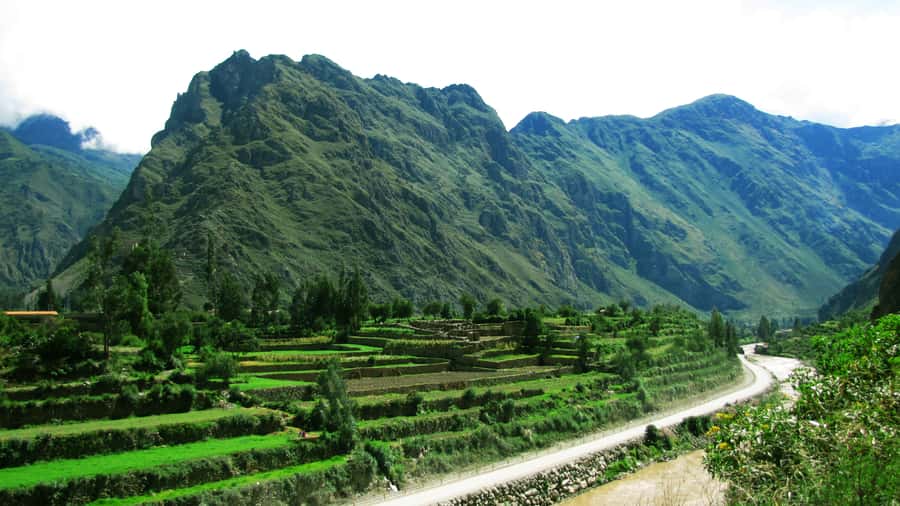
Moray is the one that rewards curiosity. You’ll see the terraces arranged like a set of natural basins. The point, in simple terms, is that the layout affects temperature and growing conditions. Even if you only take away the basic concept, it gives you a different way to look at Inca agriculture: not just pretty terraces, but tools.
Then comes Salineras of Maras, the famous salt pans. What makes this stop special is contrast. Moray feels engineered for agriculture. Maras feels like a working landscape tied to an everyday resource. You’ll see rows of salt evaporation areas, and it hits you that this is not just about the Inca past. It’s tied to production that continues.
Wear shoes you trust. You’ll be walking on uneven ground around the sites, and the weather in the Cusco region can change fast. Pack a layer. Keep your daypack close and secure.
Also, these are included as entrance ticket stops, so you’re not wasting time figuring out access on your own.
More Sacred Valley days:
- From Cusco: Sacred Valley & Maras Salt Mines Tour with Lunch
★ 4.8 · 2,227 reviews - 2-Day Tour: Sacred Valley and Machu Picchu by Train
★ 5.0 · 1,127 reviews - Cusco: Sacred Valley, Pisac, Ollantaytambo, Salt Mines Moray
★ 4.6 · 1,058 reviews - Sacred Valley and Maras Moray Tour with Full Day Buffet Lunch
★ 5.0 · 670 reviews
Ollantaytambo: last standing citadel energy before the train
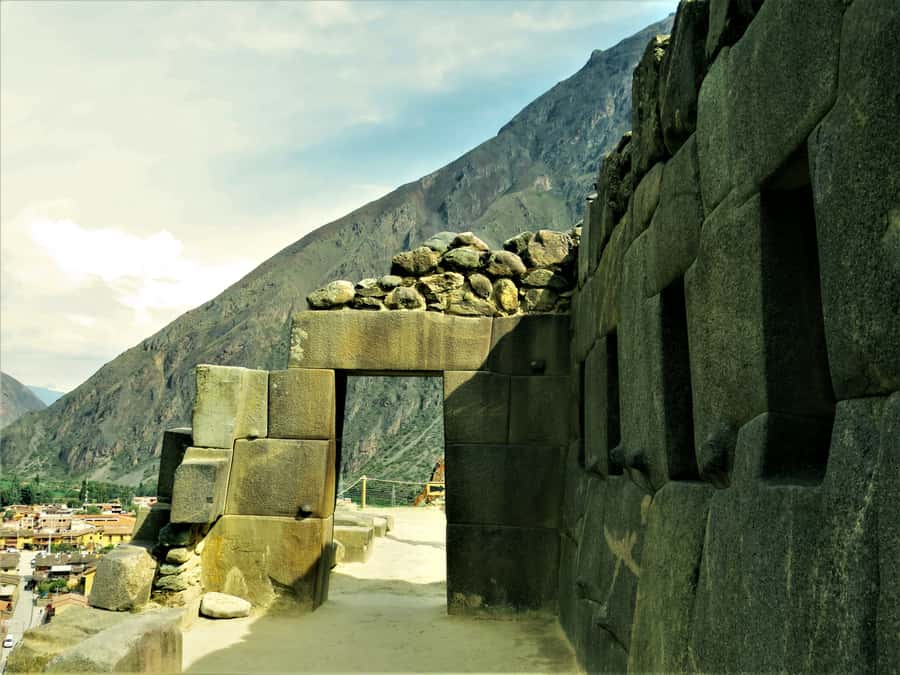
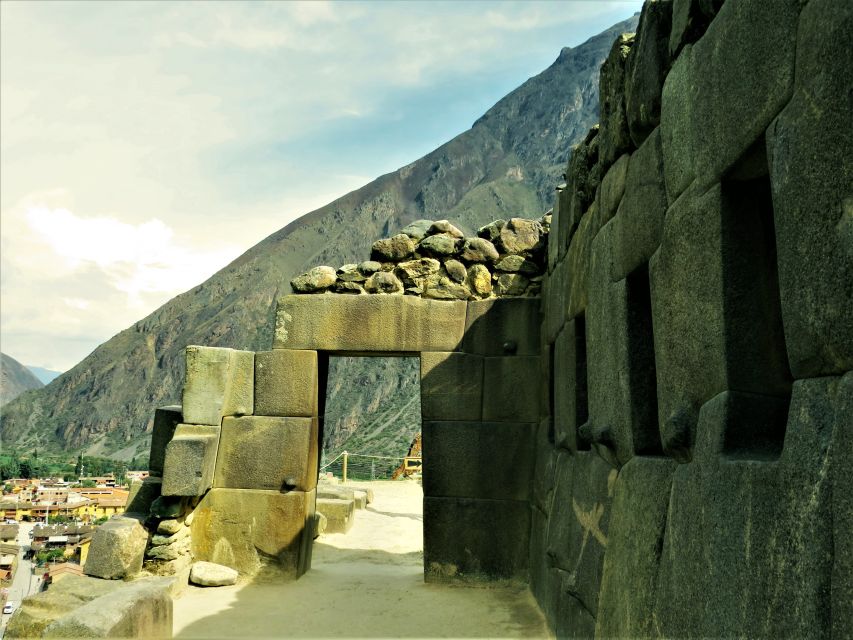
You’ll head to Ollantaytambo next, described as the last standing Inca citadel. The town is built above ancient Inca buildings, and the archaeological site includes temples, terraces, storehouses, and a large monolithic.
This stop feels like a bridge between worlds. Machu Picchu can seem distant and dreamy, but Ollantaytambo looks grounded and lived-in. The guide can help you connect how the Incas used fortifications and storage logic in a place that still has people walking through it today.
Then it’s time for the Expedition train to Aguas Calientes. Train days are often when tours either feel smooth or get stressful, and the big upside here is that the transportation is organized end to end. One practical caution: trains can sometimes run late, which can tighten your timing, especially if you are relying on specific arrival windows. If that happens, the day still usually works, but it’s good to keep your mindset flexible.
Once you arrive, you spend the night in a 3-star hotel in Aguas Calientes, which is a big deal for protecting your sunrise next morning.
Aguas Calientes overnight: the convenience tax you actually want to pay
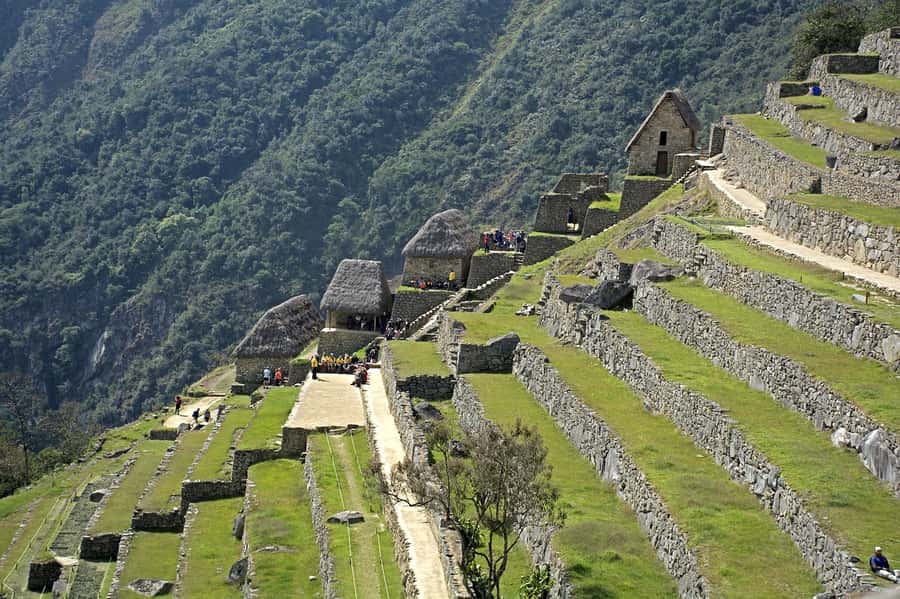
Sleeping in Aguas Calientes is part of why this tour works. You’re not waking up at an absurd hour to travel long distances again. Instead, you’re positioned close to the Machu Picchu bus line and the citadel entry points.
For many visitors, the “overnight in Aguas Calientes” part is what makes Machu Picchu feel doable. Without that night, you’re stuck with more complicated day-only travel and higher risk of schedule chaos.
You’ll have access to a hotel for one night (3-star), so you can shower, reset, and pack your day. You will likely also be using the area for lunch options on your own after Machu Picchu on Day 2.
Quick reality check: Aguas Calientes is busier than Cusco. If you want quiet, you might not get it. But for convenience, the trade is usually worth it.
Machu Picchu at sunrise: passport entry and a guided 3-hour walk
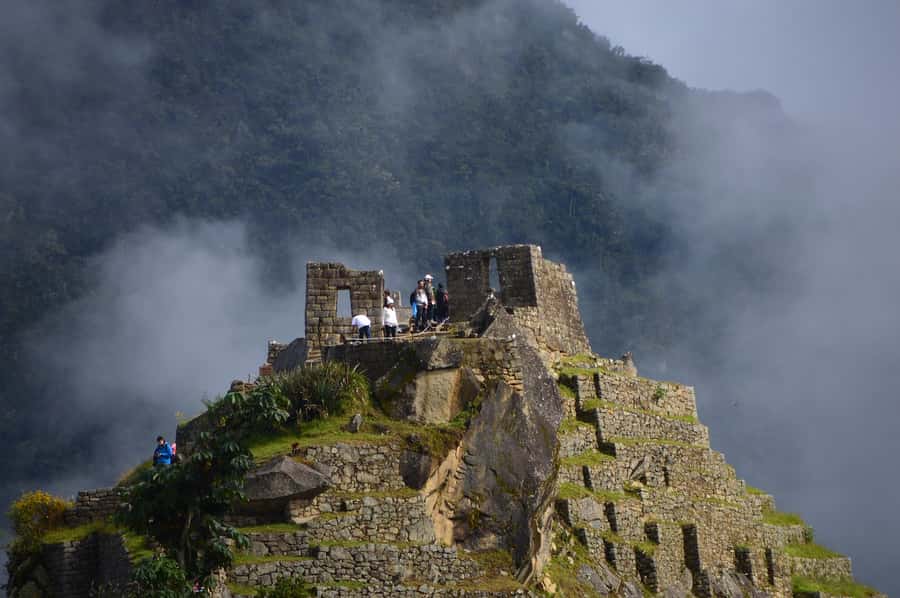
Day 2 is the main event. You wake up early, have breakfast, and take one of the first buses to Machu Picchu. The highlight you should care about is the chance to watch the sunrise. Early light changes the feel of the ruins. The stone looks different, and the photos come out better than later-day glare.
Entry is straightforward but strict: you’ll show an original passport at the checkpoint. Bring the passport you used for booking, and keep it where you can reach it fast.
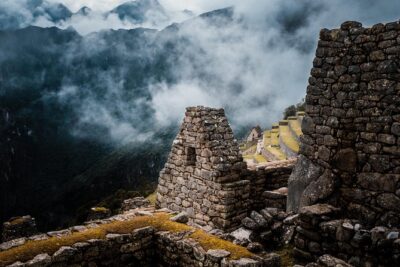
Inside, you get a guided tour for about 3 hours, designed to cover the most remarkable terraces, storehouses, temples, and palaces. A well-run guide makes a big difference here, because it helps you read the site instead of just wandering between viewpoints. From what I’ve seen with guides linked to this experience, the best ones can explain how the site functioned and how to understand what you’re seeing.
There’s an optional extra hike after the guided portion: Huayna Picchu or Machu Picchu Mountain. Those hikes are not included in the base price. If you want one of them, plan your energy carefully. The time inside Machu Picchu can be long, and altitude adds its own pace.
After Machu Picchu, you take the bus back down to Aguas Calientes. Lunch is on your own, then you board the Expedition train back to Ollantaytambo. A van then returns you to your Cusco hotel.
Price and logistics: what you pay for, and what you should watch
The price is $698 per person for a 2-day, 1-night tour. That sounds steep until you break down what’s actually included:
- hotel pickup and door-to-door service in Cusco
- transportation for the whole journey
- entrance tickets for Pisac, Moray, Salineras de Maras, Ollantaytambo, and Machu Picchu
- one night in Aguas Calientes at a 3-star hotel
- Expedition train round-trip
- round-trip bus to Machu Picchu
- expert guides, in English or Spanish
- meals listed as buffet lunch in Urubamba and dinner in Ollantaytambo (plus breakfast on Machu Picchu morning)
When you tally that, the cost starts to make more sense. You are not paying just for “seeing things.” You’re paying for reduced stress: guides, reserved entry, and the train-bus timing that Machu Picchu demands.
Now the watch-outs. This tour is not a slow cultural ramble. You’ll move between locations on a fixed schedule. Also, rules are clear: no luggage or large bags, no drones, and no alcohol or drugs. If you show up with a suitcase, you will have an unpleasant day.
Finally, the tour is small group, limited to 16 participants, which is a sweet spot. Still, you’ll be sharing vans, timing, and arrival windows.
Who this tour suits best (and who should think twice)
This experience fits best if you are:
- doing your first major Peru Inca circuit and want a guided path through the key sites
- short on time and want Sacred Valley plus Machu Picchu in 2 days
- the type who appreciates when a guide can answer questions clearly, including the story and how each site connects
It might not be ideal if you:
- want lots of unscheduled free time, long independent wandering, and zero structure
- get cranky with early mornings (sunrise Machu Picchu requires that energy)
- need full mobility support. The program specifies it is not suitable for people over 95 years, and it also requires attention to luggage rules and walking at multiple sites.
Language is English or Spanish, and the guides are set up as “expert tour guides,” so you should feel comfortable following the explanations.
Should you book this Sacred Valley and Machu Picchu train tour?
If you want a smooth, organized plan that hits the right Sacred Valley stops and protects your Machu Picchu sunrise, this is a strong choice. The guide format, entrance coverage, and train plus hotel setup do real work for you. You’re paying for fewer moving parts, and that usually means a better trip, not just fewer headaches.
Book it especially if you like structured sightseeing with room for questions, and if you care about understanding what you’re seeing at places like Pisac terraces, Moray’s agricultural logic, and the salt pans at Maras.
If you hate early starts, you dislike guided pacing, or you want total freedom to linger wherever you feel like, you may want to consider a different style of trip. But for most people aiming for the classic Inca highlights with minimal logistical stress, this plan earns its place.
FAQ
What is the duration of the Sacred Valley and Machu Picchu tour?
The tour runs for 2 days with 1 night.
Where does the tour start, and do you pick up from hotels?
It starts in the Cusco Region, and there is hotel pickup in Cusco, with door-to-door service from your hotel, hostel, or Airbnb.
What major sites are included during the 2 days?
You’ll visit the Sacred Valley highlights including Pisac (site and market), Moray, Salineras of Maras, Ollantaytambo, Aguas Calientes, and Machu Picchu.
Are entrance tickets included?
Yes. Entrance tickets are included for Pisac, Moray, Salineras Maras, Ollantaytambo, and Machu Picchu.
Is Machu Picchu sunrise included?
Yes. The plan includes waking up early and taking the first bus to Machu Picchu to watch the sunrise.
Do I need to bring my passport?
Yes. You need to show your original passport at the Machu Picchu checkpoint.
Is lunch included?
Day 1 includes a buffet lunch in Urubamba. Day 2 lunch is not listed as included, and lunch in Aguas Calientes is described as optional on your own.
Is a hotel included for the night?
Yes. You stay for one night in a 3-star hotel in Aguas Calientes.
Do you use the train, and which one?
Yes. There is round-trip on the Expedition train, between Ollantaytambo and Aguas Calientes.
What optional hikes are available at Machu Picchu?
You can add Huayna Picchu or Machu Picchu Mountain, but these are extra and not included in the base tour.
Are there limits on what I can bring?
You should bring a passport and a daypack. Luggage or large bags are not allowed, and drones are not allowed. Alcohol and drugs are also not allowed.
More Train Journeys in Cusco
- Machu Picchu Full Day from Cusco by Panoramic Train
★ 5.0 · 857 reviews - Machu Picchu Full Day Tour from Cusco with Train & Entrance
★ 5.0 · 508 reviews - The Voyager Machu Picchu Train by Inca Rail
★ 4.0 · 374 reviews - Lares Trek to Machu Picchu 4 days with Panoramic Train
★ 5.0 · 298 reviews
More Ways to Reach Machu Picchu
- Classic Inca Trail Trek 4D/3N to Machu Picchu (Group Service)
★ 5.0 · 8,653 reviews - Machu Picchu: 4-Day Inca Trail Trek with Panoramic Train Ride
★ 5.0 · 4,568 reviews - Short Inca Trail to Machu Picchu 2D/1N
★ 5.0 · 3,007 reviews - 2-Day Inca Trail to Machu Picchu with Panoramic Train
★ 5.0 · 1,876 reviews
Recently reviewed around Cusco
- Cusco Cooking Class by ChocoMuseo in Cusco★ 5.0 · 29 reviews
- ATV Adventure to Moray and Maras Salt Mines – Half Day★ 4.5 · 29 reviews
- 1-day excursion to Machu Picchu from Cusco★ 5.0 · 29 reviews
- Private Tour Sacred Valley, Chinchero, Maras Moray, Ollantaytambo★ 5.0 · 29 reviews
- From Cusco: Humantay Lake with Breakfast and Buffet Lunch★ 4.5 · 29 reviews
- 4 Day – Inca Jungle to Machu Picchu★ 5.0 · 29 reviews
- 2-Day Machu Picchu Tour by Train from Cusco★ 4.5 · 29 reviews
- 2-Day Sacred Valley and Machu Picchu Tour By Train★ 4.5 · 29 reviews
Machu Picchu, compared.
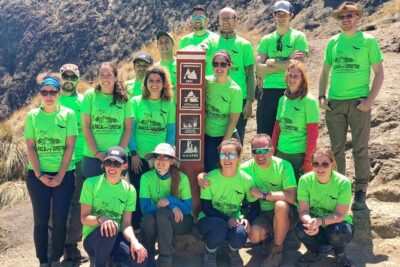
Classic Inca Trail Trek 4D/3N to Machu Picchu (Group Service)
Read our review →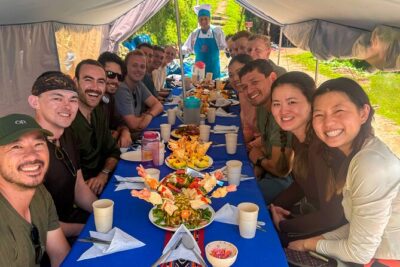
4-Day Inca Trail Trek with Panoramic Train Ride
Read our review →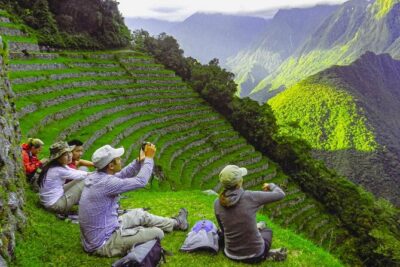
2-Day Inca Trail to Machu Picchu with Panoramic Train
Read our review →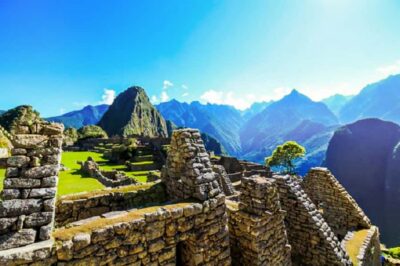

2-Day Tour: Sacred Valley and Machu Picchu by Train
Read our review →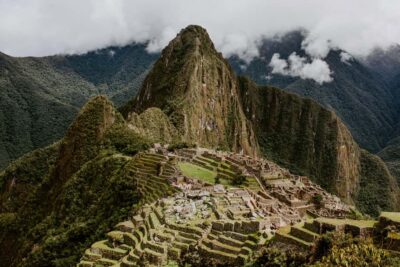
Browse the lists this tour appears in