
Reviewed · MACHU PICCHU
Salkantay Trek to Machu Picchu 5D/4N or 4D/3N by glamping
The Salkantay Trek to Machu Picchu is interesting because it pairs big mountain effort with comfortable camps, then lands you at Machu Picchu without the usual Inca Trail crowds. You go over the Salkantay Pass and into warmer valleys, and the trek feels more remote and personal than the more famous route. Plus, your “roughing it” comes in glamping-style accommodations, not basic tents.
Two things I really like: the meals are a standout. You get chef-cooked food three times a day plus afternoon tea time (popcorn, cookies, chocolate, and coffee), which makes a long day on the trail feel doable. I also like that this is a small group setup, limited to 15 people, so the rhythm stays manageable with a real guide at your side.
One consideration before you book: you still need to budget for key add-ons like the Machu Picchu ticket and Humantay Lake entrance, and those costs can be the difference between a bargain and a surprise. The trek is also not a soft walk, so you’ll want solid fitness for the high passes and steep stretches.
Key things to know before you go
Humantay Lake + Salkantay Pass: big altitude days with jaw-dropping views.
Chef-cooked mountain meals: more like a food experience than camp snacks.
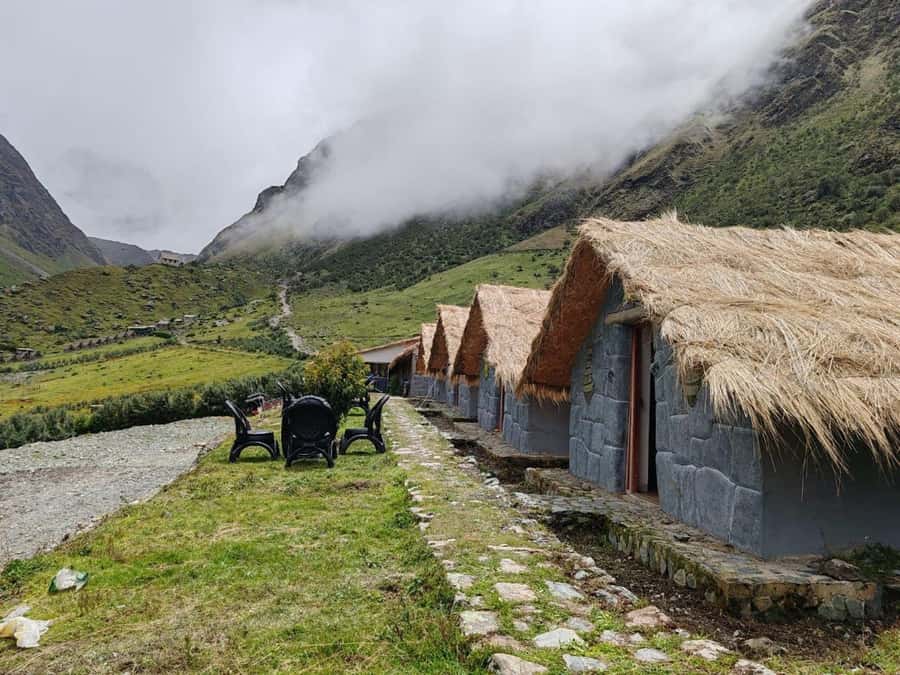
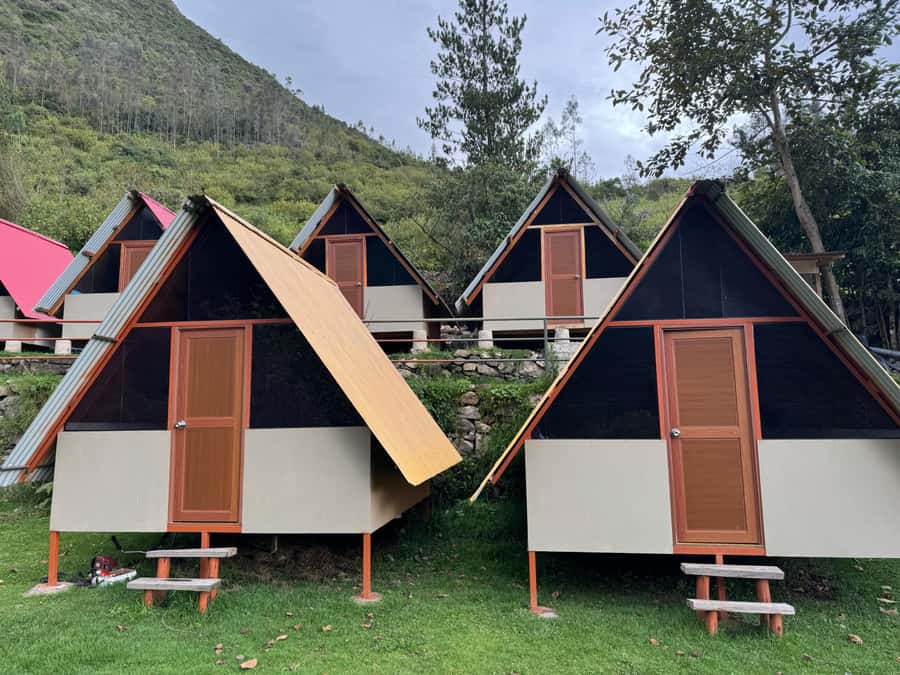
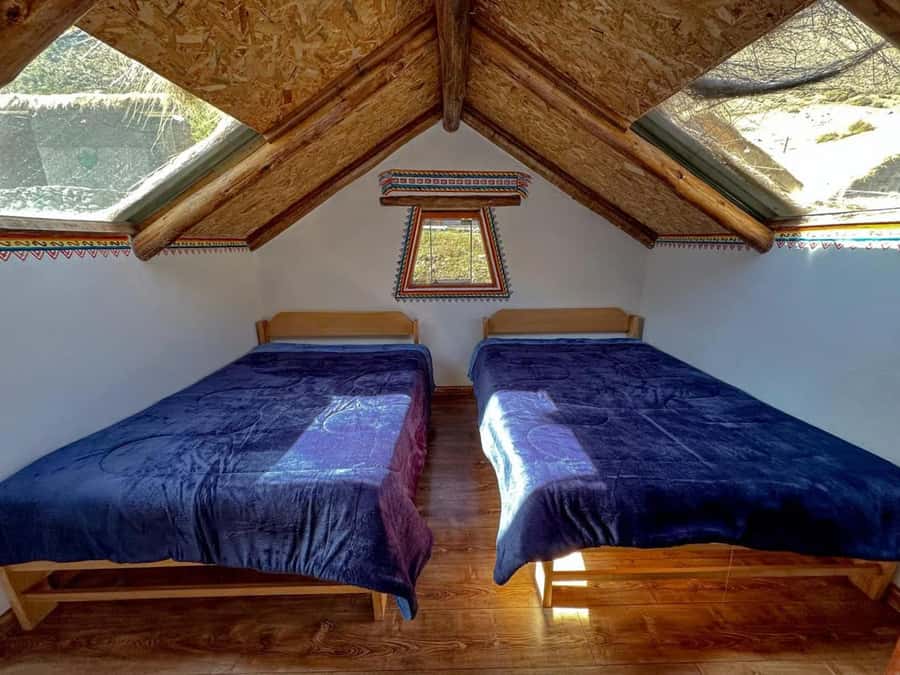
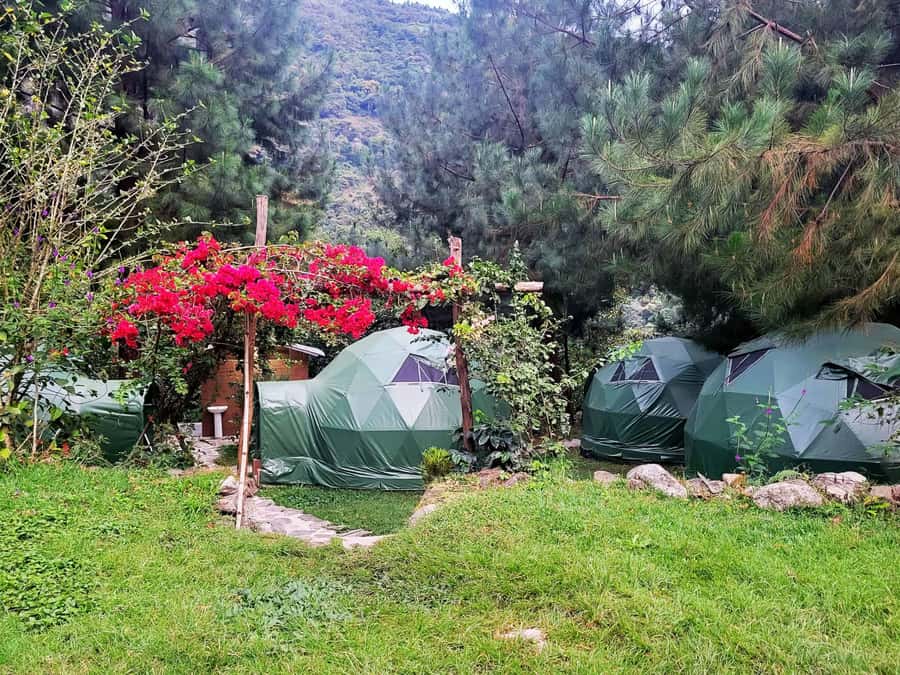
Glamping camps along the route: glass-roof cabins, sky huts, and jungle domes.
A coffee tour and Cocalmayo hot springs stop: a nice mid-trek reset.
A Machu Picchu guided circuit in the morning: plan your day around an 8:00 am entry time.
Small group, bilingual guides: English and Spanish support, with a safety-first setup (first-aid, walkie-talkies, oxygen).
Why the Salkantay route feels different than the Inca Trail
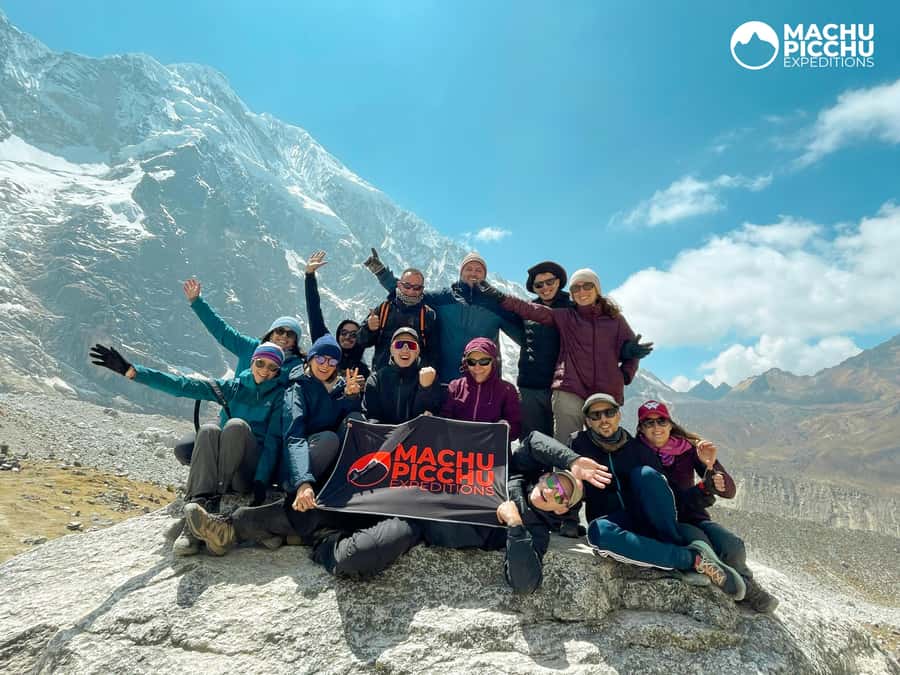
Salkantay is often chosen as the alternative to the Inca Trail for one simple reason: it’s less crowded, but it doesn’t feel watered down. You trade some classic Inca marketing for raw high-Andes drama and a route that moves through more varied terrain, from glacial lake views to steep pass climbs and then down toward rainforest vibes.
That mix matters for your experience. If you’re chasing that feeling of being somewhere sacred and remote, Salkantay tends to deliver. The altitude and long days are real, but the payoff is that you’re not stuck in a constant crowd flow.
More Hiking & Trekking in Cusco
- Classic Inca Trail Trek 4D/3N to Machu Picchu (Group Service)
★ 5.0 · 8,653 reviews - Machu Picchu: 4-Day Inca Trail Trek with Panoramic Train Ride
★ 5.0 · 4,568 reviews - Salkantay Classic Trek 5 Days from Cusco
★ 5.0 · 4,062 reviews
Price and value, including what you should expect to pay extra
The price you’ll see can look unusually low for a multi-day, guided, food-heavy trek. That’s where the value comes from: transport in Cusco, a professional English/Spanish guide, private transport to the trailhead, chef and cooking equipment, glamping and camping gear like a pad and pillow, plus meals from breakfast through dinner every full day on trek.
But do not ignore what is not included. You’ll pay separately for:
- Machu Picchu entrance (ticket for circuit 2B/7:00 am is noted as subject to availability)
- Humantay Lake entrance
- Hot springs entrance and the transport to the hot springs
- Drinking water for bottles (you’ll need a reusable bottle and/or plan how you’ll handle refills)
- Sleeping bag and walking sticks rentals
- Optional zipline
So here’s how I’d think about value: if you already know you’ll buy tickets anyway (Machu Picchu is unavoidable), this tour becomes a strong deal because so much of the “hard parts” are handled for you: food, guide, camps, and logistics. If you hate add-on costs, you’ll want to price everything before you commit.
Who this trek is for, and who should skip it
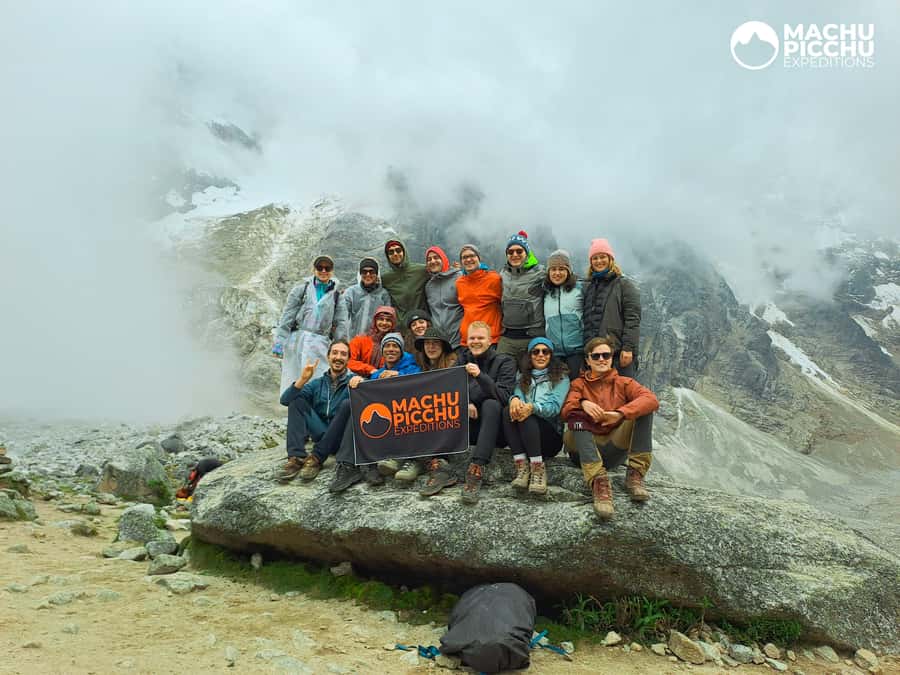
This is a serious trek. It’s not on the “casual walk” end of Peru tourism, even with glamping. The route includes high points like Humantay Lake at about 4,200 m and the Salkantay Pass at 4,630 m, plus big climbs and long days.
Based on the stated limits, it is not suitable for:
- pregnant women
- people with back problems, heart problems, respiratory issues, epilepsy
- mobility impairments, wheelchair users
- children under 18
- people over 70
If you have any medical concerns, you should talk with a clinician before going high-altitude. And if you’re the type who wants everything “planned down to the minute,” you might still enjoy it, but you’ll need patience for the natural pace changes that come with altitude.
Day 1: Cusco pickup, Humantay Lake, and the cabin with a glass roof
Your day starts early, with pickup from the Cusco historic center around 4:00 a.m. After some transport time and a breakfast stop in Mollepata, you begin the trek around Challacancha. You hike toward Soraypampa, where you settle into a private camp.
What makes Day 1 feel special is the Humantay moment. After lunch and rest, you climb to Humantay Lake at roughly 4,200 m. Even if you’re tired from the early start, that high, pale-blue lake feeling is the kind of view that resets your mood.
Back at camp, you’re not sleeping on a bare floor. You get a cabin with a glass roof, plus a proper dinner and a calm sunset atmosphere. It’s a good first day because it’s challenging enough to start the adventure, without crushing you before you even get used to the altitude.
Practical note: bring warm layers. Nights and early mornings up high can get cold fast, even if the daytime feels bright.
More Salkantay treks:
- 4-Day Salkantay Trek with Sky Camp Stay
★ 5.0 · 3,346 reviews - Salkantay Trek 5D/4N with Glass Cabins, Domes and Hobbit House
★ 5.0 · 2,488 reviews - 5-Day Premium Salkantay Trek
★ 5.0 · 788 reviews - Ultimate Salkantay Trek to Machu Picchu 5 Days
★ 5.0 · 588 reviews
Day 2: The Salkantay Pass climb, the Trail of the 7 Snakes, and Sky Huts camp
Day 2 ramps up. You wake with coca tea, eat breakfast, and then start climbing toward the Salkantay Pass. The route includes the challenging Trail of the 7 Snakes, and by the time you reach the top, you’re at about 4,630 m with views of Salkantay (about 6,271 m).
This is the day where good pacing matters. Don’t race. You’ll feel altitude in your breathing, and the pass reward is not just the summit, it’s the fact that you get a dramatic view while you’re still moving through thin air.
After that long day, you reach Collpapampa around 2,950 m. Dinner and rest follow in the cozy Sky Huts camp. This is where the glamping style does its job: you’re still camping, but you’re not stuck in “survive mode.”
Day 3: Santa Teresa Valley walking, hot springs, coffee tour, and Jungle Domes
Day 3 is your mid-trek reset. After waking at 6:00 a.m. with tea and breakfast, you move from camp toward La Playa and pass through the Santa Teresa Valley. It’s a different vibe than the high pass day, and you’ll feel the terrain shifting.
After lunch, you have choices. You can visit Cocalmayo hot springs for a soak, and there’s also an optional zipline. If you skip the adrenaline part, you can simply unwind at camp, which is honestly a smart move if your legs are already cooked.
The coffee tour is another highlight. It adds variety to the trek rhythm, and it’s a nice break from only thinking about elevation and footing. Then the day ends with tea time and dinner, and you sleep in a jungle dome. Listening to nature from a dome at night feels a lot more comfortable than you might expect from “trek and camp.”
One small decision point: if you’re paying extra for hot springs and/or zipline, I’d only add it if you know you’ll use it. The base trek already has plenty of rewards.
Day 4: Llactapata on the old Inca Trail, Hidroelectrica, and reaching Aguas Calientes
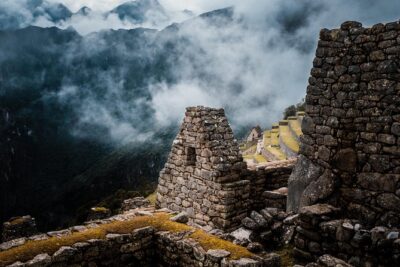
Day 4 is where you start blending the Salkantay experience with Inca sites. After breakfast, you climb for about two hours and reach Llactapata, around 2,700 m. Llactapata is an archaeological site, and it comes with big views toward Machu Picchu.
Then comes the long descent, roughly two hours, where you may get glimpses of the citadel as you head down. You stop for lunch in Hidroelectrica before continuing toward Aguas Calientes.
This is also the day where some people feel a “weird logistics” stretch. In practice, you may find parts of the walk less inspiring than the high mountain sections. The key is to treat this day as a transition day. Your reward is still coming, and you’ll want your energy for Machu Picchu.
When you arrive in Aguas Calientes, you check into a 3-star hotel and eat dinner at about 7:00 p.m. It’s a simple plan: sleep, recharge, and get ready for the guided visit the next morning.
Quick heads up: Aguas Calientes hotels can be loud, and warm water isn’t something you should assume. If that matters to you, pack with the mindset that this night is practical, not luxurious.
Day 5: Guided Machu Picchu circuit at 8:00 am, plus optional hikes
Finally, you visit Machu Picchu. You get a 1.5-hour guided tour of the site, using circuit options noted as Circuit 2B/6 (and also 7 and 8 depending on the plan), tied to an 8:00 am visit.
After the guided part, you get free time to explore. You can hike Huayna Picchu (about 2,720 m) or Machu Picchu Mountain (about 3,000 m), or visit the Sun Gate (about 2,729 m) or Inca Bridge.
Here’s the practical tip: plan your energy. If you want the best views, pick one big option, not all of them. Machu Picchu is photogenic and steep, and your feet will tell you what is realistic.
If you like a guided overview because it helps you understand what you’re looking at, the 1.5-hour tour is a strong format. You leave with context, then you can wander with less guesswork.
Food on the trail, and why mountain meals change the whole trip
This trip’s food is one of the reasons people rate it highly. You’ll get breakfasts, lunches, and dinners planned around the trek days, and you’ll do better than the typical “granola and hope” setup. The big point is freshness and variety, including multiple vegetarian-friendly dishes.
You also get tea time every afternoon with popcorn, cookies, chocolate, and coffee. It sounds small, but it matters at altitude. It gives you a scheduled break where you can warm up, refuel, and reset before the evening routine.
And because you have a professional chef and cooking equipment, you’re not dealing with the chaos of camping meals cooked in the dark. You’ll still be tired, but you won’t be underfed.
Guides, group size, and safety basics that make you feel looked after
You travel with an English/Spanish professional guide. The group is limited to 15 participants, which helps a lot. Large groups tend to stretch out the pace, and you spend more time waiting. A smaller group usually means fewer bottlenecks and less stress when the climb gets steep.
I also like that the tour includes practical safety tools: first-aid equipment, walkie-talkies, and an oxygen bottle for emergencies. It’s not about fear. It’s about being ready, especially at altitude.
Guide quality comes through in names people talk about: I’ve seen praise for guides like Roger and Reynaldo, and also Tupac and Nidia. Another guide name that came up was Ruben. When you get a guide who answers questions clearly and keeps the group moving smartly, your day feels smoother even when the terrain is not.
Packing tips that match this trek’s reality
The list you bring matters because you’re moving between camps and also sleeping in different setups (cabins, sky huts, domes). If you have the option, pack for warmth and for sweat.
Bring:
- warm clothing, plus layers you can adjust during climbs
- a hat, sunglasses, and sunscreen
- hiking shoes and hiking pants
- a reusable water bottle
- sunscreen that’s biodegradable
- a daypack, flashlight, and power bank
If you don’t have trekking poles, you can rent walking sticks for a full trek. If you’re missing a sleeping bag, you can rent one too.
One more practical item: cash. You’ll need it for add-ons that aren’t included, like Machu Picchu and Humantay Lake tickets, and several hot spring costs.
The glamping setup, what it does well, and what it cannot fix
The camps sound plush, but they’re still mountain camps. You get a personal pad and pillow, and camps have free electricity so you can charge devices. That’s a real win if you’re trying to keep your phone battery alive for photos.
The accommodations change by night:
- Day 1: cabin with a glass roof
- Day 2: Sky Huts camp
- Day 3: Jungle Domes camp
- Night 4: 3-star hotel in Aguas Calientes
This matters because comfort reduces friction. When you’re tired, a dry place and a place to charge devices help you recover enough to face the next climb.
But glamping does not remove altitude, cold air, or steep walking. Your comfort will be better than rough camping, but you still need to plan for a demanding hike.
Should you book this Salkantay trek to Machu Picchu with glamping?
I’d book it if you want a less crowded route with high-Andes scenery, you like the idea of real meals and comfortable camps, and you’d rather manage a guided experience than handle logistics on your own. It’s also a good match if you value variety, with Humantay Lake, a hot springs stop, and a coffee tour in the mix.
I would pause if you’re cost-sensitive and hate add-ons, because Machu Picchu and Humantay Lake entrances are not included. Also be honest about fitness: the pass is high, and the walking is not gentle.
If you can handle early starts, altitude days, and one practical hotel night in Aguas Calientes, this trek is a strong way to reach Machu Picchu while keeping your trip comfortable enough to enjoy it.
More Ways to Reach Machu Picchu
- Short Inca Trail to Machu Picchu 2D/1N
★ 5.0 · 3,007 reviews - 2-Day Inca Trail to Machu Picchu with Panoramic Train
★ 5.0 · 1,876 reviews - From Cusco: Full-Day Group Tour of Machu Picchu
★ 4.7 · 1,767 reviews - Machu Picchu Day Trip from Cusco
★ 4.5 · 1,644 reviews
Recently reviewed around Cusco
- Cusco Cooking Class by ChocoMuseo in Cusco★ 5.0 · 29 reviews
- ATV Adventure to Moray and Maras Salt Mines – Half Day★ 4.5 · 29 reviews
- 1-day excursion to Machu Picchu from Cusco★ 5.0 · 29 reviews
- Private Tour Sacred Valley, Chinchero, Maras Moray, Ollantaytambo★ 5.0 · 29 reviews
- From Cusco: Humantay Lake with Breakfast and Buffet Lunch★ 4.5 · 29 reviews
- 4 Day – Inca Jungle to Machu Picchu★ 5.0 · 29 reviews
- 2-Day Machu Picchu Tour by Train from Cusco★ 4.5 · 29 reviews
- 2-Day Sacred Valley and Machu Picchu Tour By Train★ 4.5 · 29 reviews
Machu Picchu, compared.
Classic Inca Trail Trek 4D/3N to Machu Picchu (Group Service)
Read our review →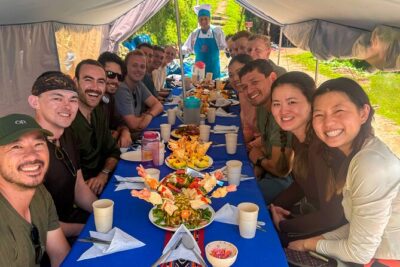
4-Day Inca Trail Trek with Panoramic Train Ride
Read our review →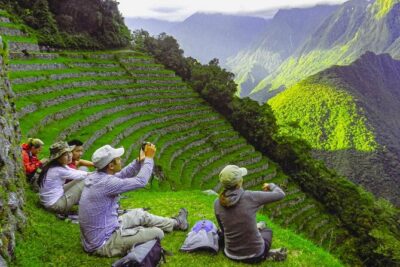
2-Day Inca Trail to Machu Picchu with Panoramic Train
Read our review →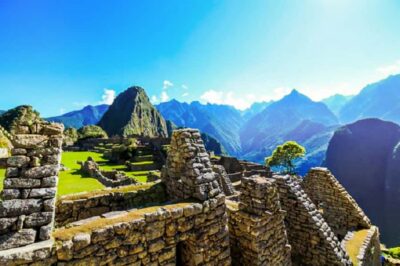
2-Day Tour: Sacred Valley and Machu Picchu by Train
Read our review →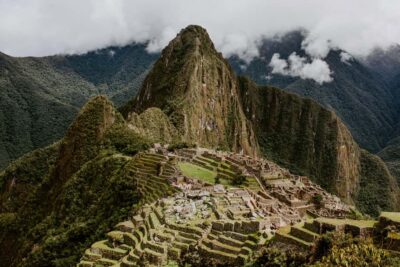
Browse the lists this tour appears in