
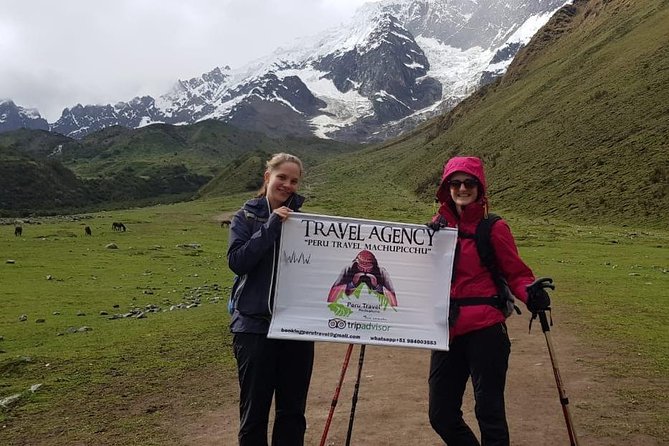
Reviewed · MACHU PICCHU
Salkantay Treking to Machupicchu Operational Services
This is a great way to see Peru in big chunks, from glacial views to Machu Picchu, without feeling like you are stuck on a bus all day. I love the small group size (max 15) and the fact that you get a guide’s commentary and route support on most of the trek. I also love the mountain payoff, especially the Humantay Lake day and the Salcantay Pass crossing. One possible drawback: Machu Picchu entry, the return train, and the final bus are not included, so you’ll need to manage tickets and timing on your own.
Plan for very early starts and serious altitude hiking. You will wake up around 4:00 to 4:30 am on the first day and about 5:00 am the other mornings, then settle into camping and a basic hostel in Aguas Calientes. If you have respiratory issues, this is not recommended, and you’ll want to bring gear like a sleeping bag and trekking poles since they are not included.
Key things to know before you go
- Max 15 travelers means you’ll get more attention than big-group treks
- Camping nights (days 1 to 3) are included, so you are not hunting for lodging
- Horses carry 5 kilos of your belongings early on, but you still have to carry on day 4
- Some key extras cost money (Humantay Lake admission, optional hot springs, and a few food and baggage items)
- Your Machu Picchu timing is on you because entry and transport back to Cusco are not included
- Final return depends on a 14:30 bus from Hidroelectrica, so logistics matter
Why This Salkantay Route Feels Like Value, Not Just a Ticket
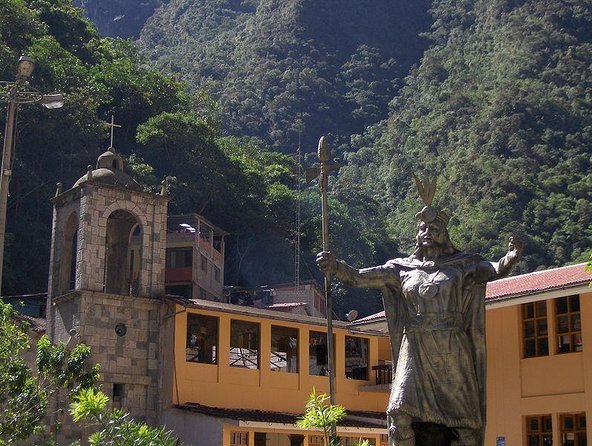
At about $315 per person, this trek can be a solid deal if you want a guided, small-group experience and you are okay with some parts being DIY.
Here’s what you are actually buying: transport from Cusco to the first start area, a tour guide, camping for the first three nights, and the meals that keep you moving (breakfasts, lunches, and dinners are built in). On top of that, you get a basic hostel night in Aguas Calientes with hot water and wifi, which is a big comfort upgrade after days outdoors.
The “value math” changes once you price the exclusions. Machu Picchu entry is PEN 162, plus you still need the train back to Cusco and the bus back to Cusco. This is still worth it if you are flexible and willing to handle that last-day timing, but if you want everything pre-booked end to end, you may feel the pinch.
The other big factor is fitness and altitude. The trek is described for people with moderate physical fitness. It’s not a casual walk, especially on the Salcantay day and the Pass altitude.
More Salkantay treks:
- Salkantay Classic Trek 5 Days from Cusco
★ 5.0 · 4,062 reviews - 4-Day Salkantay Trek with Sky Camp Stay
★ 5.0 · 3,346 reviews - Salkantay Trek 5D/4N with Glass Cabins, Domes and Hobbit House
★ 5.0 · 2,488 reviews
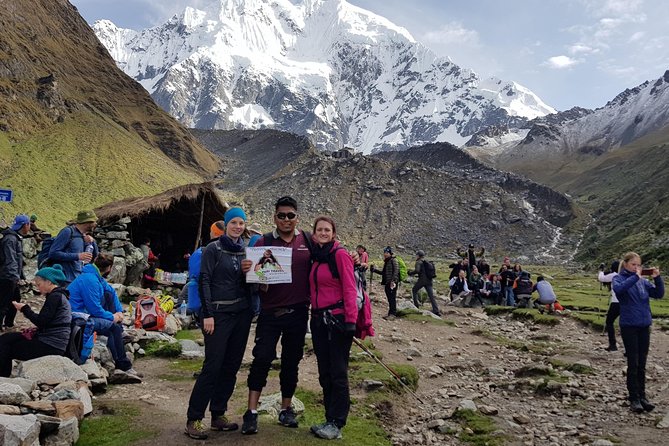
Day 1 to Humantay Lake: Sunrise Pickup, Camping, and a Lake Admission Fee
Day 1 starts early, with pickup from your hostel, hotel, or Airbnb in Cusco between 4:00 and 4:30 am. Then you take the bus toward the trail area, with an early stop in Mollepata Village. If you want breakfast at that stop, it costs extra at 15 soles.
After Mollepata, the route continues by bus for about 40 minutes until Marcosapa (3700 masl). Then you begin the hike toward Soraypampa (3900 masl), your first camping base. You will sleep here, and you’ll get lunch and dinner on arrival.
The star moment on day 1 is the optional extra visit to Laguna Humantay. It costs 20 soles for the lake admission, and you should plan about 3 hours round trip on foot. The trek includes a guide the whole day, and a horse carries up to 5 kilos of your belongings to take pressure off your back.
What I like about this setup is the pacing. You get a full travel morning, arrive, settle, then go for the lake hike after lunch. That is usually easier than trying to do everything first thing in the day.
What to watch: it’s another admission fee, and the lake walk adds time. If you already feel altitude pressure, you’ll want to go by how you feel rather than by pride.
Day 2 Over Salcantay: The Long Walk, the Pass Moment, and Horse Support
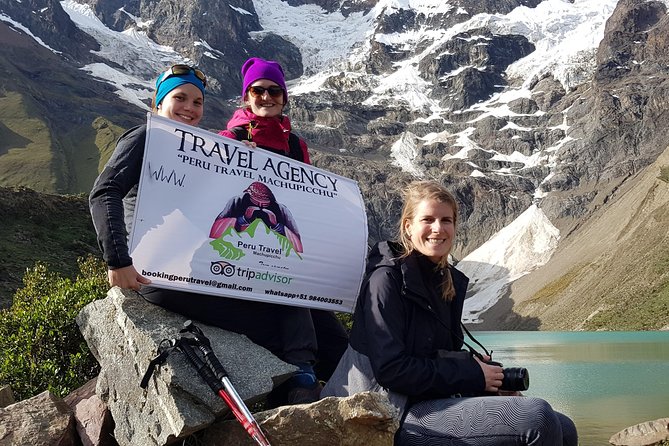
Day 2 is your big walking day. You wake up around 5:00 am for breakfast, and then you’re hiking for a total of about 9 hours.
You’ll climb from the early part of the route up toward Salkantay Pass at 4600 masl, then descend down to Colpapampa Camping at 2700 masl. The guide is with you all day, which matters because the trail can feel long when you are tired and the air is thin.
Again, the horse is part of the plan. It carries up to 5 kilos of your belongings. That small amount of relief can help you keep your pack light enough to stay steady.
This day is the one that separates “I came to hike” from “I came for Instagram.” If you pace well, take breaks when you need them, and keep moving consistently, it’s a powerful day. If you sprint early, you will pay for it on the climb.
Day 3 to Cocalmayo Hot Springs: A Shorter Hike, Then Optional Soak Time
Day 3 starts at 5:00 am again with breakfast. The hike is described as shorter, with about 5 hours total walking. You should arrive at Lucmabamba Camping around 12:00 pm, which gives you free time in the afternoon.
This is one of the smartest parts of the itinerary. You get a breathing window mid-trek, so you can dry out your gear a bit and reset mentally. After dinner at Lucmabamba, you sleep again and keep your energy for the more complex logistics coming on day 4.
About the optional activity: you can add a visit to Banos Termales de Cocalmayo. Your guide asks if you want to go, and the cost is 40 soles total, which includes bus round trip and the entry ticket. If you skip it, you still get a normal trekking day with the afternoon on your own.
One practical tip: when you soak in hot springs during a trek, you can get comfortable fast. That’s good, but don’t forget to dry out and pack smart for your next morning, because wet clothing in the mountains is not fun.
More ways to reach Machu Picchu:
- Classic Inca Trail Trek 4D/3N to Machu Picchu (Group Service)
★ 5.0 · 8,653 reviews - Machu Picchu: 4-Day Inca Trail Trek with Panoramic Train Ride
★ 5.0 · 4,568 reviews - Short Inca Trail to Machu Picchu 2D/1N
★ 5.0 · 3,007 reviews - 2-Day Inca Trail to Machu Picchu with Panoramic Train
★ 5.0 · 1,876 reviews
Day 4 to Llactapata and Machu Picchu Town: The Viewpoint, Hidroelectrica, and the 14:30 Rule
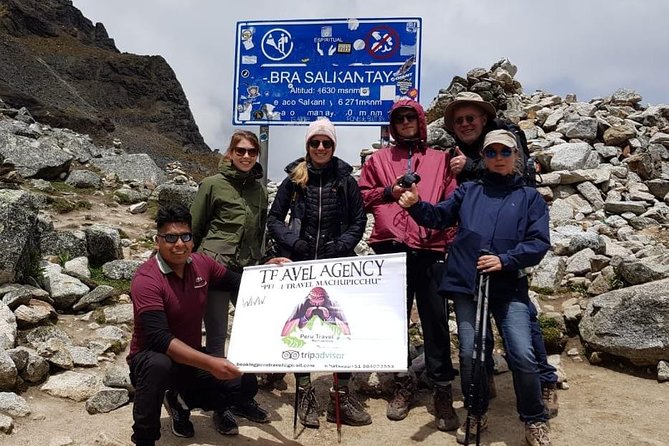
Day 4 has two big missions: Llactapata viewpoint and getting yourself staged for Machu Picchu access logistics.
You wake up at 5:00 am, have breakfast, then hike about 4 hours to Llactapata. This is a viewpoint where you can see Machu Picchu far away. It’s one of those moments where you realize the trek is not just about suffering, it’s about arriving with a real sense of place.
After Llactapata, you go to Hidroelectrica village for lunch. Then you continue walking to Machu Picchu town (Aguas Calientes). The walking time listed is about 2 hours 30 minutes, and you’ll sleep in a basic hostel there. This hostel includes hot water and wifi, and it’s also your last dinner with the group.
Now comes the logistics part that you must not ignore. On day 4, the horse goes back to Mollepata. That means you must carry your belongings by yourself, or you can send items to Hidroelectrica by bus for 20 soles. Your guide will help you with the plan.
There is a key detail that makes a huge difference: at Hidroelectrica, at the restaurant, there is free storage. That matters because the bus back to Cusco from Hidroelectrica leaves every day at 14:30. If you return by that bus, you do not necessarily need to bring all your gear up into Machu Picchu town.
Also, they don’t recommend using the bus in rainy season due to possible landslides from rain. So if you travel during wetter months, your buffer for delays is smaller.
Day 5 at Machu Picchu: Entry Is Not Included, So You Handle Tickets Here
Day 5 is where this experience turns into a hybrid. You are on your own, because the itinerary does not include Machu Picchu entry ticket, bus, or the return train to Cusco.
The reason given is ticket difficulty at the moment, plus the uncertainty about which circuit or time slot will be available. The plan is straightforward: when you arrive in Aguas Calientes, go to the office of the Ministerio de Cultura. Ask there about the entry option available, including circuit and timing.
In high season, you may have to wait longer, and the note says that in that case, you might need an extra night to secure a ticket.
Once you get the Machu Picchu ticket and know the circuit and time, you handle transport back. The data says there’s an office for the train in Aguas Calientes, and you can also book online. The bus back from Hidroelectrica leaves at 14:30 every day.
Plan your day like this:
- Get ticket details from the Ministerio de Cultura office in Aguas Calientes
- Arrange your Machu Picchu visit time
- Coordinate your return train and bus timing around the 14:30 departure
This is the day that can feel stressful if you assume everything is already booked. If you accept that reality from the start, it’s less stressful and more manageable.
Packing Weight, Altitude Reality, and Gear You Must Bring
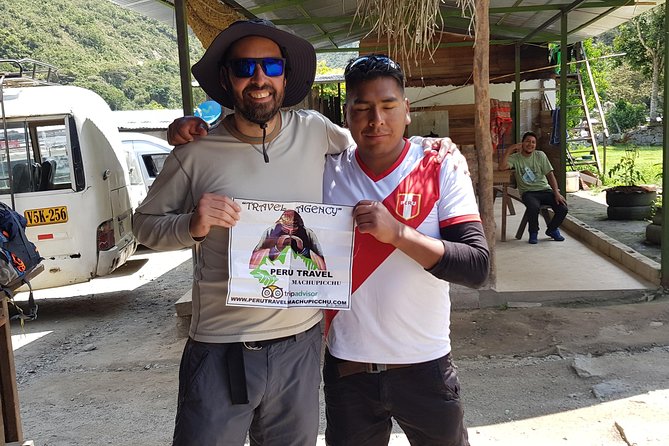
This trek includes some gear-adjacent help, but not all the essentials. Here’s what matters for your pack.
You get horse support carrying 5 kilos of your belongings, at least early in the route. On day 4, the horse goes back, so you’ll carry more yourself unless you pay the bus option to send items forward.
Sleeping bag and trekking poles are not included. That’s not a small detail. Nights in camping areas can cool down, and walking days are long. Trekking poles help with knee stress on descents, especially when you are already tired.
Altitude matters here. The route includes high points and big climbs, so if you get winded quickly at altitude, take it seriously. The tour also says it is not recommended for people with respiratory problems.
A smart approach: bring one small day pack and one main bag you can manage. Keep your essentials easy to reach, because on trek days you do not want to be unpacking everything every time you stop.
What’s Actually Included vs What Costs Extra
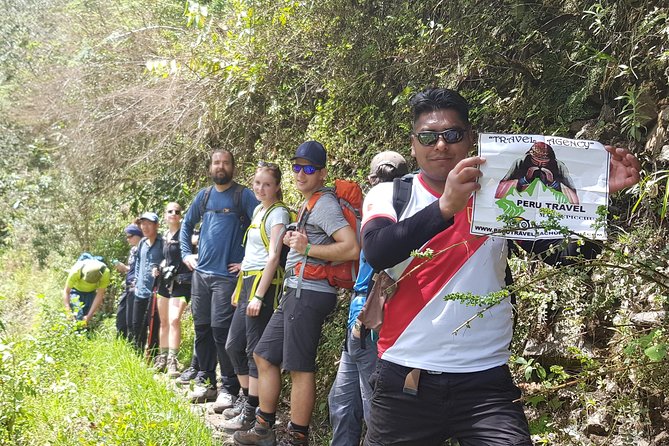
Let’s break down the money side in a way that helps you plan.
Included
- Bus from Cusco to Mollepata (one way)
- Horse carries 5 kilos of your belongings
- 1 night hostel in Aguas Calientes (basic, with hot water and wifi)
- Tour guide (Spanish and English)
- Camping for the first 3 days
- Meals: 4 breakfasts, 4 lunches, and 4 dinners
That’s a lot already. A trek like this costs real money even before you consider the hikes.
Not included (common add-ons)
- Machu Picchu entrance ticket: PEN 162 per person
- Train back to Cusco
- Bus back to Cusco
- Sleeping bag
- Trekking poles
- Humantay Lake admission: PEN 20 per person
- Optional and extra during the trip:
- Breakfast in Mollepata costs 15 soles if you want it
- Laguna Humantay admission costs 20 soles
- Hot springs at Cocalmayo optional: 40 soles, includes bus round trip and entry
- Day 4 baggage sending option from the horse stage: 20 soles
For budgeting, I’d treat those as likely expenses rather than surprises. Even one or two extra costs can change your final trip math.
How the Small Group (Max 15) Changes Your Day
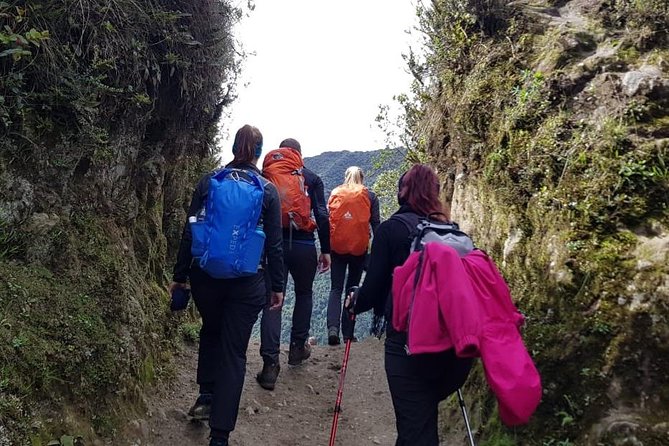
The trek caps at 15 travelers, and that matters more than it sounds. In smaller groups, you tend to:
- Get more attention from your guide
- Move at a steadier pace without constant waiting for the slowest pace
- Feel less like a number on a schedule
It also makes the day-by-day decisions feel easier. For example, the Cocalmayo hot springs stop is optional, and with a small group your guide can help you decide in the moment based on your energy.
The guiding style is also built into the schedule. Days 1 and 2 explicitly include the guide the whole time. On day 3, the guide also leads the optional hot springs discussion, which suggests you are not left alone to figure out logistics.
A Key Communication Tip: Don’t Assume the Same Company Handles Everything
One real-world issue to take seriously is operator communication. This experience is sold with Linda Tours as the provider, but there can be another company actually running the trek (example given: KB). In at least one case, a traveler was not informed about a pre-departure meeting, and important details like a packing list and bus return instructions were missing or incorrect when communication was split.
Here’s my practical advice:
- Confirm who the trek operator is on your actual day of departure.
- Ask who you meet, where you meet, and whether there is a mandatory pre-departure meeting.
- Get the bus return plan clearly stated in writing, especially the timing tied to 14:30.
This kind of check saves stress when you are already dealing with altitude, long days, and tight schedules.
Should You Book This Salkantay Trek?
Book it if:
- You want a guided, small-group trek with camping and meals covered for the first part of the journey
- You like the idea of seeing Humantay Lake, Salcantay Pass, and a viewpoint near Machu Picchu before you get to the main attraction
- You are willing to handle Machu Picchu entry and transport back on your own rather than having it fully included
- You can wake up early and hike for long stretches without needing everything to be comfortable
Skip it or consider a different format if:
- You want Machu Picchu entry, train, and bus return fully arranged by the tour from start to finish
- You dislike ticket uncertainty, including possible delays in high season
- You have respiratory limitations that make high altitude risky
If you do book, go in with a calm plan. Keep your phone charged, keep your documents organized, and treat Machu Picchu day as a logistics day, not a pure sightseeing day. Do that, and the trek part can feel like the best kind of travel, one step at a time, ending with the payoff you came for.
FAQ
What is the duration of the trek?
The trip is listed as about 5 days.
Where is the meeting point in Cusco?
The tour starts at Plaza Regocijo (F2M9+5X2, Cusco 08002, Peru).
What is the average booking window?
On average, this is booked about 50 days in advance.
How big is the group?
The maximum group size is 15 travelers.
Is pickup from my hotel included?
Yes, pickup is provided from your hostel, hotel, or Airbnb in Cusco between 4:00 and 4:30 am on day 1.
Are meals included?
Yes. Breakfast, lunch, and dinner are included across the trek days (4 breakfasts, 4 lunches, and 4 dinners).
Is Machu Picchu entry included?
No. Machu Picchu entry ticket is not included and costs PEN 162 per person.
Do I need to arrange the Machu Picchu ticket myself?
Yes. Once you reach Aguas Calientes, you are directed to the Ministerio de Cultura office to ask about the available ticket option (circuit and time).
Is the hot springs visit included?
The Cocalmayo hot springs visit is optional. It costs 40 soles total and includes bus round trip and the entry ticket.
What about the bus back to Cusco timing?
The bus from Hidroelectrica to Cusco leaves every day at 14:30. The tour also notes not to recommend this bus in rainy season due to possible landslides.
Recently reviewed around Cusco
- 6-Day ||All Included|| Excursion – MachuPichu & Rainbow Mountain-Humantay Lake★ 4.5 · 8 reviews
- Horseback Riding thru the Mountains of Cusco★ 5.0 · 8 reviews
- Cuzco City Tour and Archaeological Ruins in Half Day★ 5.0 · 8 reviews
- Full Day – Rainbow Mountain tour – Group Service★ 5.0 · 8 reviews
- Half Day Tour in Cusco: Exploring the City and Four Ruins★ 4.5 · 8 reviews
- Cusco 4 Days Machu Picchu and Sacred Valley | All included★ 5.0 · 8 reviews
- Machu Picchu and Sacred Valley 2 Day Tour★ 5.0 · 8 reviews
- Walking Tour in Legendary & Historical Cusco City★ 4.5 · 8 reviews
Machu Picchu, compared.
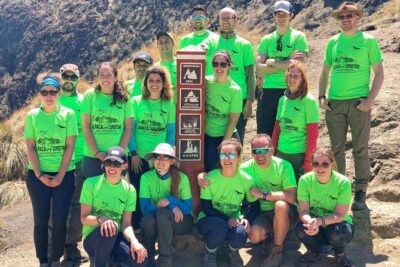
Classic Inca Trail Trek 4D/3N to Machu Picchu (Group Service)
Read our review →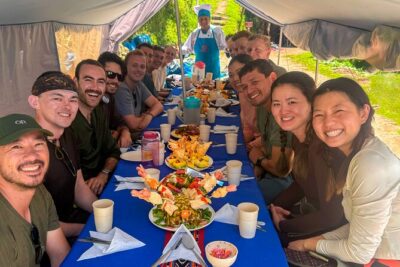
4-Day Inca Trail Trek with Panoramic Train Ride
Read our review →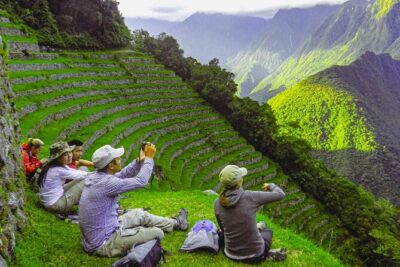
2-Day Inca Trail to Machu Picchu with Panoramic Train
Read our review →
2-Day Tour: Sacred Valley and Machu Picchu by Train
Read our review →
Browse the lists this tour appears in