Reviewed · COLCA CANYON
2 Day 1 Night Trek / Colca Canyon
Colca Canyon is interesting because you do not just look at it. You walk down into it, sleep near it, then climb back up with early-morning views that feel like you are stealing them from the day. I like that this trip handles the hard logistics for you, with hotel pickup, return transfers, and meals already built in. I also like the mix of big highlights and small pauses, from Chivay’s condor viewpoint to a warm pool stop at Sangalle.
Here is the catch to plan for: it is an early, intensive itinerary. The day starts around 3:00 am, and even though the trek is described as moderate fitness, you still get long downhill and uphill stretches, plus an overnight that is basic rather than hotel-comfy.
Key Things You’ll Notice on This Colca Trek
- 3:00 am pickup and long driving time mean you save energy by not figuring routes or transport
- Condor’s Cross is scheduled early enough to maximize your chances of seeing Andean condors
- Sangalle’s warm pool at the end of Day 1 is a real recovery tool, not just a photo stop
- Cielo Azul Lodge basics come with the tradeoff of simple comfort for a great canyon location
- Optional Hot Springs Chacapi costs extra, but the timing is set for an easy add-on after hiking
Leaving Arequipa for the Canyon, Before the World Wakes Up
This is a 2-day, 1-night trek that starts aggressively early. Pickup is set for about 3:00 am, then you ride to Chivay and onward toward Cabanaconde. You arrive in Chivay around 7:30 am for breakfast, which matters because it turns the morning from chaos into a plan.
The best part of the early start is the way it shapes the whole experience. You are hiking at cooler temperatures and working your route into the canyon with daylight. The downside is simple: if you hate mornings, this will test you. One group note even called out that the bus driver had music playing at 3:00 am. That is not a reason to cancel, but it is a good argument for bringing something to help you sleep on the ride.
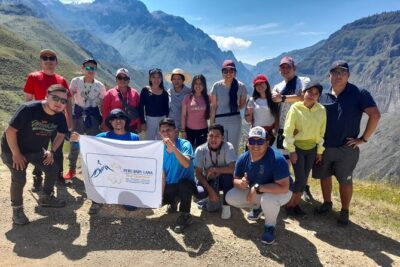
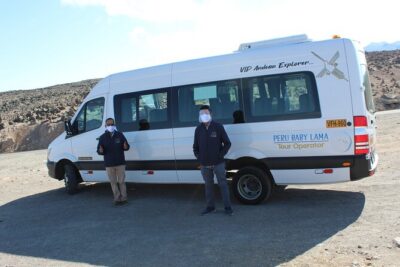
Because this is capped at a small group size of 12 travelers, you usually spend less time waiting and more time moving. Transfers are included, so you are not juggling taxis, timed tickets, or parking in a place where that gets complicated fast.
More Evening Experiences in Arequipa
- 2 day 1 night trek / Colca Canyon
★ 5.0 · 1,069 reviews - Colca Canyon Trek 3 Day 2 Night
★ 5.0 · 328 reviews - From Puno to Arequipa: 2 Days/1 Night Colca Canyon Tour
★ 3.6 · 83 reviews
Chivay Stops: Breakfast and Condors Without Wasting Time
Chivay is your first real break in the schedule. You stop at Plaza de Armas de Chivay, then you have a proper breakfast there. This matters because the next stretches are both physical and long. The plaza and traditional houses are worth looking at, but the practical reason to enjoy this stop is fuel.
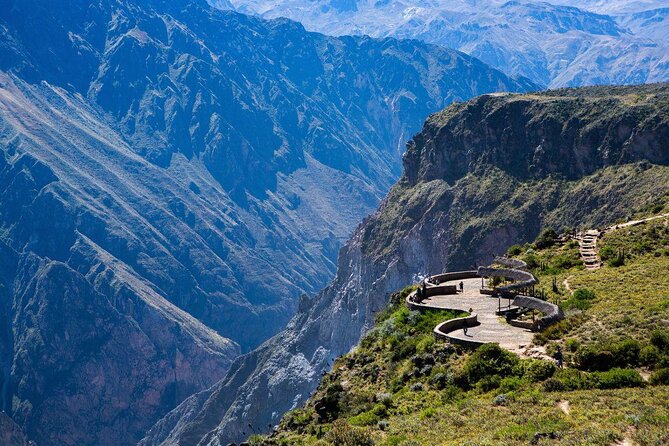
Then comes Condor’s Cross, the famous viewpoint where you can watch the Andean condor. The bird can weigh up to 12 kg and have a wingspan over 3 meters, so when you see one circling, you understand why this spot is treated like a must. You get about 30 minutes here, which is short enough that you will likely want to be ready to move your eyes fast. If clouds roll in, condor sighting can still happen, but this is not something you can control.
If you are the type who likes to move at your own pace, this is a good place to do it carefully. Look, then shift position, then look again. A viewpoint like this rewards patience in small bursts, not long wandering.
Day 1: The Big Downhill Into Colca, With Stops That Break Up the Strain
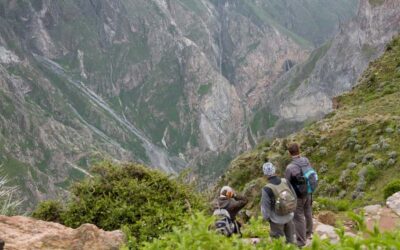
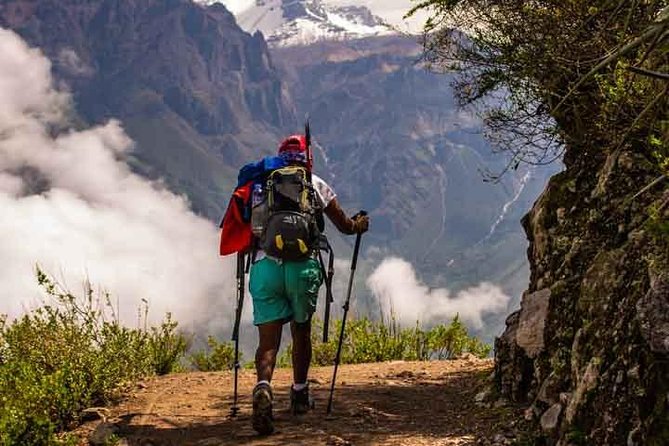
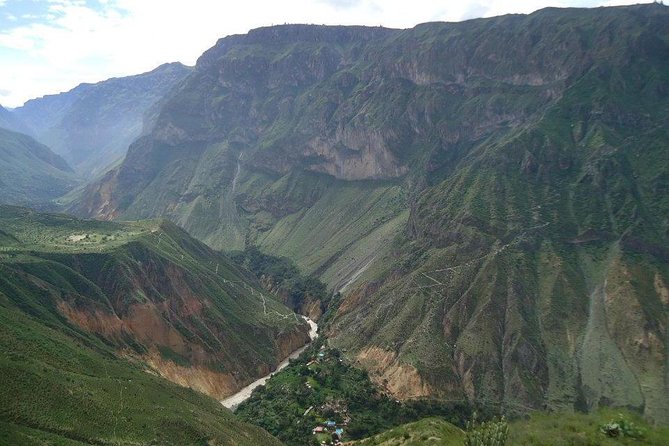
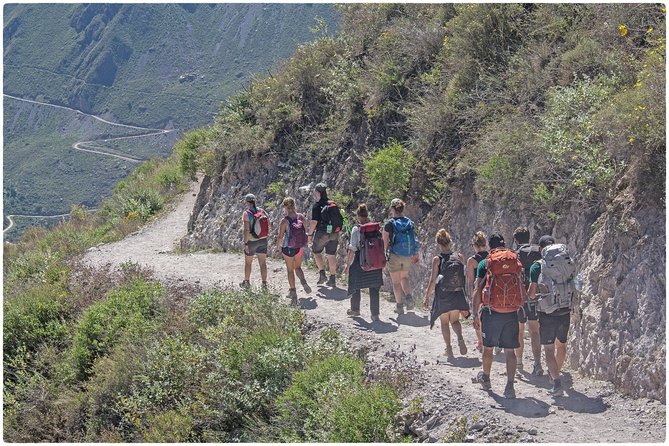
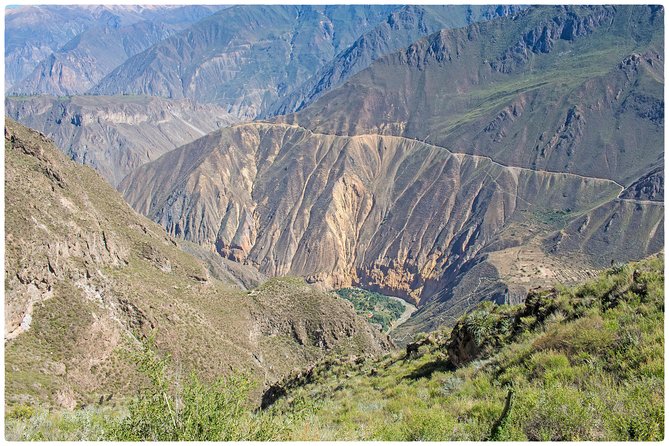
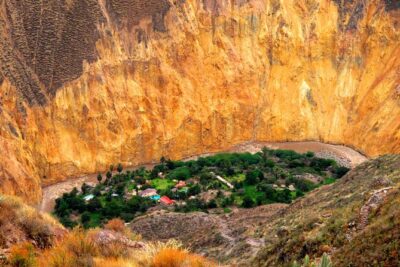
Day 1 is the “walk into the canyon” day, and it is structured like that on purpose. You start from around 3300 masl and hike down toward about 2100 masl over roughly 3 hours. That is a lot of descent in a short time, and it is why this itinerary gives you breaks along the way.
After the viewpoint and initial downhill start, you arrive for lunch and some rest in San Juan de Chuccho. This village is described as having vegetation and fruit trees, which is a nice contrast to the rocky canyon feel. Even if you barely have appetite, the sit-down matters. Downhill trekking uses your quads, and a real rest helps you avoid turning Day 1 into a leg-soreness marathon.
From there, you continue through small towns such as Cosñirhua and Malata before reaching Sangalle in the deepest part of the trek. You arrive around 17:00. Sangalle is at about 1900 masl, and this is where you get one of the strongest “value moments” on the whole trip: the warm pool at Sangalle.
One important practical note: the dinner and accommodation are described as basic. That is not automatically bad, but it means you should pack like you mean it. A simple recommendation that came up in group feedback was to bring a sleeping bag or extra bedding, plus sunscreen. Even if your legs feel fine, being comfortable overnight changes your Day 2 mood.
Sangalle and Cielo Azul Lodge: Warm Pool, Basic Bungalows
The Cielo Azul lodge is where you sleep on Day 1, and it includes a swimming pool. The timing is key. After a long downhill, you want warmth and water, not just a change of clothes. When your body cools down after hiking, the warm pool helps you reset, even if you do not do a full swim.
The lodge itself is described as basic, with dinner and sleep in bungalows. That means you should expect simple meals and simpler comfort. One group note even mentioned bugs at dinner. That tells me you should bring insect repellent or something similar and keep it handy after you wash up.
Also, remember what this lodge is for. It is not a resort. It is a staging point for your canyon walk. If your standards are high for bedding and dining, you may feel disappointed. If you see this as part of the adventure, it works because the location is made for people who came to walk Colca.
More Hiking & Trekking in Arequipa
- From Arequipa: Sillar Route Trek
★ 4.2 · 461 reviews - From Arequipa: 2-Day Colca Canyon Trekking Tour
★ 4.8 · 243 reviews - Colca Trekking 2days from Arequipa
★ 4.5 · 212 reviews - 4 hours Tour: Route of Sillar with Trek in Culebrillas
★ 4.2 · 69 reviews
Day 2: Sunrise Climb Back to Cabanaconde (Bring Headlamps Energy)
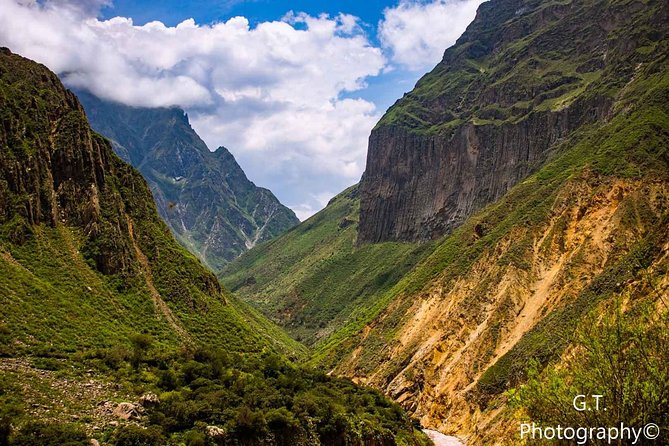
Day 2 starts early again, with breakfast in Cabanaconde and a trek that begins around 05:00. You head uphill with the help of torch lights, and the timing is set so you get sunrise views while you climb. That is the kind of payoff you remember because the canyon changes when the light arrives.
This climb is the harder half of the trek for most people. Even without guessing exact distances, the schedule gives you about 3 hours of uphill walking. One group feedback item mentioned around 5 km of uphill with significant elevation gain early in the morning. Whether your personal pace matches that or not, expect that your legs will feel it.
This is where footwear and trekking habits pay off. Downhill stresses your knees; uphill stresses your lungs and calves. If you want a smoother day, keep your pace steady and short-step your rhythm. Do not try to “win” the mountain.
After breakfast, you shift into the day’s softer add-ons. One highlight option is the Hot Springs Chacapi, near Chivay. It is optional, lasts about 1 hour, and costs 15 soles at the site. The water temperatures are listed from about 30°C up to 60°C, which means you can choose how brave you want to be.
Return Stops to Arequipa: Camelids and Volcanos Without a Full Detour
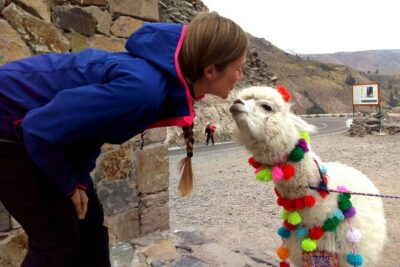
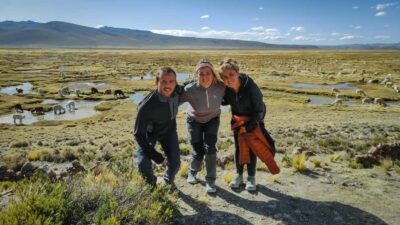
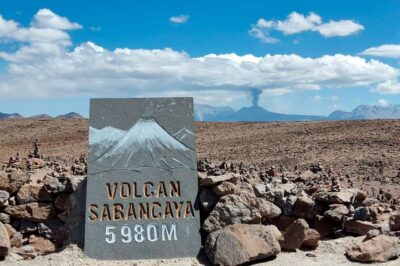
On the ride back to Arequipa, you stop at the Salinas y Aguada Blanca National Reserve area near Pampa Cañahuas. The schedule describes seeing volcanos and camelids like alpacas, llamas, and vicuñas (also guanacos). The stop says 10 minutes on the schedule but also notes you will see camelids during more than 1 hour, which usually means you do some walking, viewing from spots, and moving as needed.
This portion is a helpful reality check after the canyon. The terrain and wildlife make it feel like you are still in the Andes, not just replaying Colca over and over. It also gives your legs a different kind of experience: less downhill, less uphill, more looking.
The drive back continues with a descent from about 4830 masl to about 2325 masl, and you pass through reserve areas again. You arrive back in Arequipa around 17:30 and get dropped off near Calle Santa Catalina, close to the Santa Catalina Monastery. That drop-off point is useful because it keeps you near central sights and neighborhoods.
Price Value: What You Pay For, What Costs Extra, and What That Means
At $124 per person for a 2-day, 1-night trek, the biggest question is: does the price include the stuff that would otherwise cost you time and money? In this case, it does.
You get:
- hotel or hostel pickup and return transfers
- private tourist transport between major stops
- meals already planned in, including two breakfasts, one lunch, and one dinner
- your overnight at Cielo Azul Lodge
Those meal inclusions matter more than they sound. If you had to buy food yourself on this kind of schedule, you would lose time and deal with uncertainty. The same goes for transport. Getting from Arequipa to Chivay and into the canyon takes a long drive, and this itinerary handles it so you focus on the walk.
What costs extra:
- entrance to the Colca Canyon (PEN 70 per person)
- Hot Springs Chacapi entrance (PEN 70 per person is listed as not included, while one day’s hot springs note gives a separate figure of 15 soles for entry)
- the last lunch in Chivay (PEN 30 per person)
Also, Sangalle and other intermediate stops show some admissions as not included. The key budgeting takeaway is this: even if your trek fee covers the bulk of the trip, you should still plan for entrance fees and the optional hot springs.
One extra value insight from group feedback: someone felt this was priced higher than booking locally in Arequipa. If you care most about squeezing price, it might be worth comparing options in person. If you care about saving time, avoiding coordination, and having meals handled, this price starts to make sense quickly.
Group Size, Guidance, and the Odds of Seeing Condors
Guiding is available in both English and Spanish. That flexibility helps because Colca trips can get quiet and technical if your language coverage is limited. A competent guide makes a difference when timing is tight and the group needs to move.
A name that came up in feedback was Eveline. One note praised her as competent and kind, and said she gave information and then stepped back to let people enjoy the canyon while still supporting them on the hardest parts. That is exactly the balance you want: not constant lecturing, but real help when needed.
Condors are the big wildlife question. Condor’s Cross is scheduled for your first day, and the group notes suggest you may even see condors on the descent if conditions line up. Still, condors depend on timing, wind, and cloud cover. The viewpoint is the best bet on this route, so take it seriously.
Safety and Fitness Reality Check: Heat, Mules, and What You Can Control
This trip asks for moderate physical fitness. That is fair, because you have downhill and uphill segments. But the intensity hits differently depending on heat, hydration, and your personal pacing.
One important issue in feedback was heat-related sickness on the first day. That is a reminder to treat hydration like your main job, not an afterthought. Wear sun protection and pace yourself from the first steps. If you start too fast, the altitude and heat can catch up fast.
Another safety-related point came up around mule rides. The itinerary does not present mules as an operator-provided service. In one case, a participant described using mules locally and raised concerns about safety and fit. The takeaway for you is practical: if you consider a mule for a portion, do it with extra caution and ask direct questions about how animals are handled and how riders are secured. In this region, not everything will be regulated to the same standards you might expect at home.
What to Pack (So You Enjoy Day 2 Instead of Surviving It)
The itinerary itself sets you up for long early starts, basic lodging, and optional add-ons. So pack like you are hiking, not just sightseeing.
From the feedback and trip needs, I would prioritize:
- Good footwear with grip for downhill and early uphill
- a sleeping bag or extra bedding mindset for basic bungalows
- sunscreen and bug protection (dinner bugs were mentioned)
- water discipline, since a bottle purchase along the route can add up (one note mentioned 6 to 10 soles for a 1 liter bottle)
Also bring a headlamp mentality. Even if you do not carry a device, this trip uses torch lights for the early climb. If you are the kind of person who likes control, a headlamp is a simple comfort upgrade.
Should You Book This 2-Day Colca Canyon Trek?
Book it if you want a guided Colca experience that handles transport and meals, keeps the group small, and includes real recovery time at the warm pool in Sangalle. This is especially attractive if you value viewpoints like Condor’s Cross and you can handle early starts without drama.
Skip it or adjust expectations if you dislike basic accommodations. This is not a hotel night with fancy meals. Also, if heat and early mornings are a big problem for you, you may want to be extra cautious with pacing and hydration.
If you are ready for a physical two-day loop and want Colca Canyon from the inside, this trek is a solid way to do it. Just budget for canyon and hot springs entrances, bring the right gear, and treat the 05:00 uphill like the main event of your trip.
FAQ
Is this trek guided in English and Spanish?
Yes. Guiding is available in both English and Spanish.
What time does the tour start in Arequipa?
Pickup and start are listed for 3:00 am (with departure from Arequipa between 3:00 and 3:30 am).
How long is the trek?
The duration is listed as 2 days (approx.). Day 1 includes about 3 hours of downhill hiking, and Day 2 includes about 3 hours of uphill hiking.
What meals are included?
The tour includes two breakfasts, one lunch, and one dinner.
Where do you sleep on Day 1?
You stay overnight at Cielo Azul lodge in Sangalle, with dinner and sleep in bungalows.
Are hotel transfers included?
Yes. The tour includes hotel or hostel pickups and return transfers.
Are the Colca Canyon entrance fees included?
No. Entrance to the Colca Canyon is listed as PEN 70.00 per person and is not included.
Is the hot springs visit included?
No. Hot springs Chacapi entrance is listed as not included. The optional visit is described as about 1 hour, with an entrance cost noted in soles.
What is the group size?
This tour has a maximum of 12 travelers.
What happens if the trip is canceled due to weather?
The experience requires good weather. If canceled due to poor weather, you are offered a different date or a full refund.
Is the experience refundable if I cancel?
No. It is non-refundable and cannot be changed for any reason.
More Colca Canyon Trips
- From Arequipa: Colca Canyon Full-Day Guided Tour with Meals
★ 4.5 · 982 reviews - Colca Full Day Tour
★ 4.5 · 429 reviews - 2-Day Tour Colca Canyon in Arequipa with end in Puno
★ 4.6 · 248 reviews - Colca Canyon Plus
★ 5.0 · 198 reviews
Recently reviewed around Arequipa
- 2-Day Tour to the Magical Colca Canyon★ 4.5 · 29 reviews
- Full Day Tour to Colca Canyon from Arequipa★ 4.0 · 34 reviews
- Full Day Tour To The Salt Lake Salinas in Arequipa★ 4.5 · 34 reviews
- Full Day Trip to Colca Canyon from Arequipa★ 4.0 · 34 reviews
- Tour Fullday Colca Canyon with Breakfast and Typical Lunch★ 4.3 · 35 reviews
- Colca 2 Days and 1 Night★ 5.0 · 35 reviews
- 2 Day Trek Including Transfer to Puno / Colca Canyon★ 4.5 · 38 reviews
- 3-Day Colca Canyon trek with Professional Guide★ 5.0 · 40 reviews
Colca Canyon, compared.
2-Day Tour Colca Canyon in Arequipa with end in Puno
Read our review →