
Reviewed · SILLAR ROUTE
Arequipa | Tour of the Sillar Route + Culebrillas Canyon
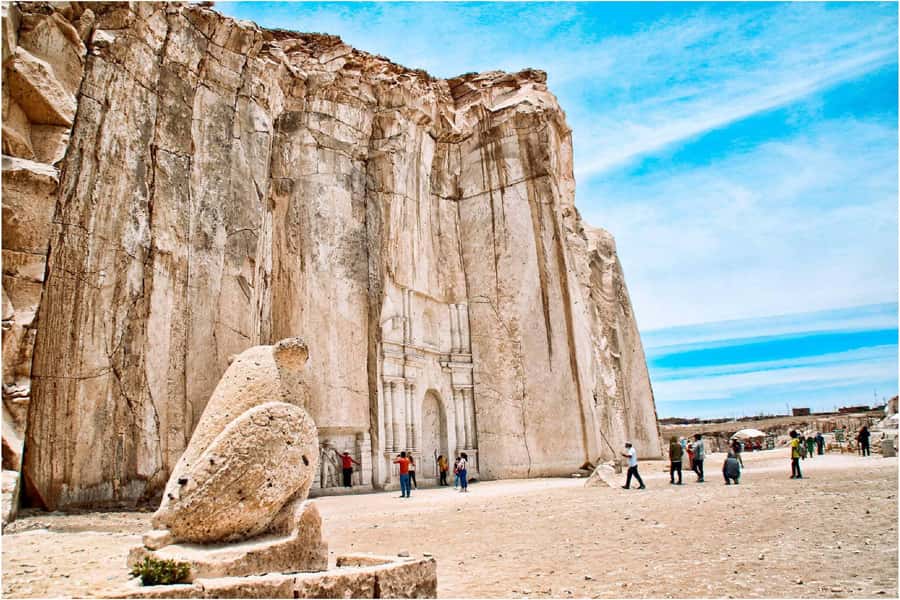
This experience is interesting because it mixes ancient stone work with a real canyon walk in one smooth half-day. I love the stop at the Sillar quarries, where you learn how stonemasons shape soft-looking volcanic stone without breaking it. One possible drawback: you’ll do a hike on uneven ground in a narrow ravine, so if you have back problems, this might feel like too much.
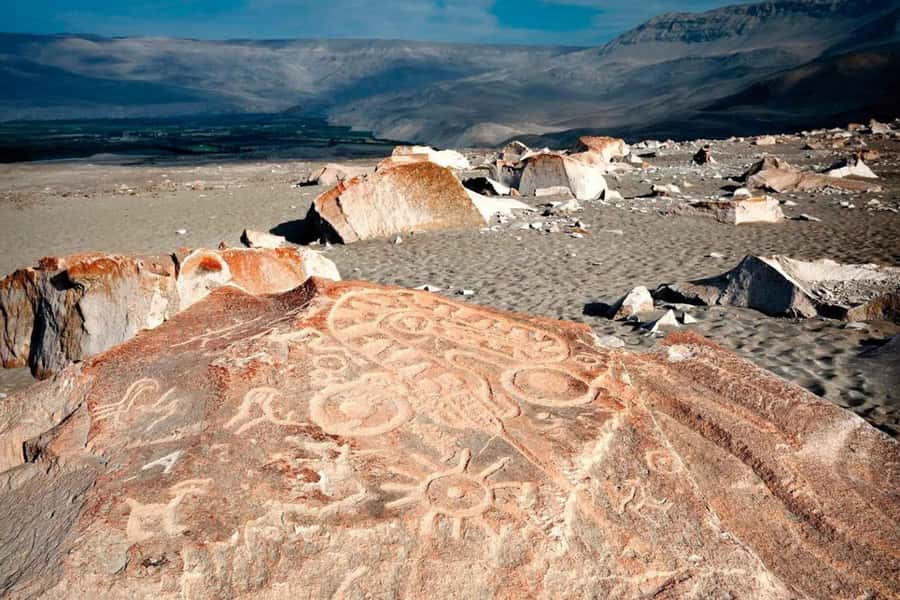
I also like the quiet drama of the Culebrillas canyon. The canyon walls rise about 15 to 20 meters, and you get a chance to spot millenary petroglyphs carved into rock, even if the meaning stays a mystery. Four hours moves quickly, but it still feels like a full slice of Arequipa.
Key things you’ll like about the Sillar Route + Culebrillas Canyon
- Hand-worked Sillar: see why this stone must be carved by hand to avoid breaking
- Ashlar masonry explained: learn what the stonemasons make and where it gets used
- Canyon hike with photo angles: rocky walls close in, and it’s made for great pictures
- Petroglyphs in the rock: millenary symbols add a story layer to your walk
- Short travel time: bus or minibus transfers keep the outing efficient
- English and Spanish guide: you can get the details without guessing
Sillar quarries: where Arequipa’s signature stone comes from
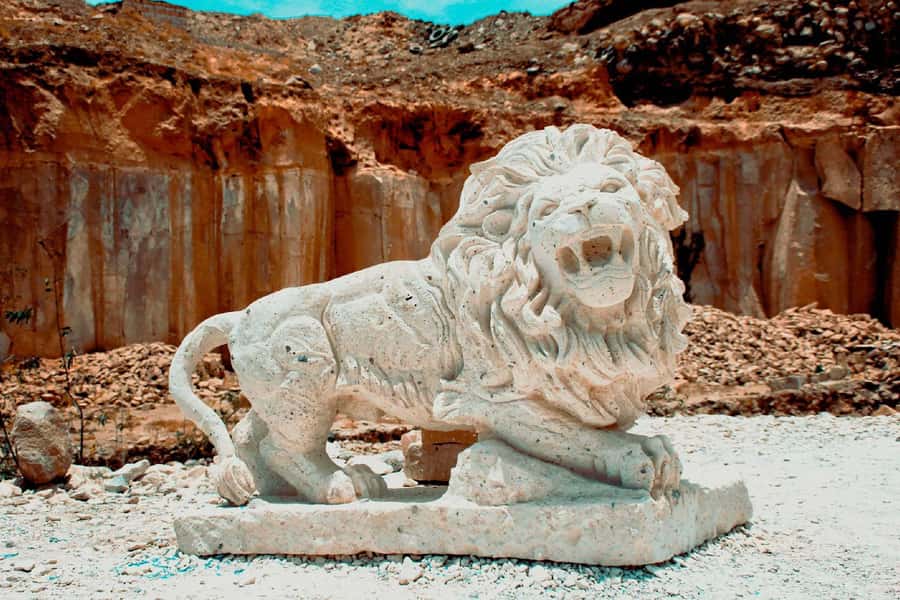
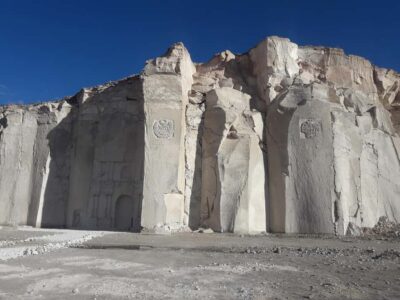
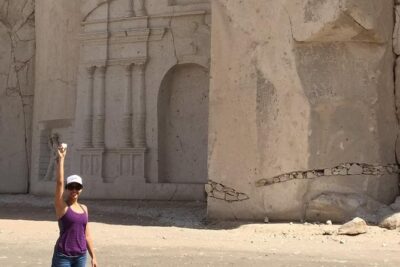
Your day starts with pickup in Arequipa, then a drive toward the Sillar stone quarries. The big idea here is not just to see pale blocks, but to understand a working craft that has been around for a long time. You’ll get a guided visit focused on how stonemasons shape the stone into ashlar masonry, the neat, well-cut blocks that helped define the look of many buildings in this area.
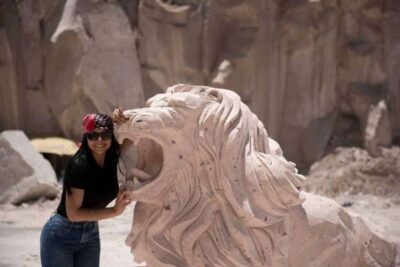
Here’s what makes this stop worth your time: this stone is special because it can only be worked by hand. If it’s treated the wrong way, it can break. That’s a practical detail, not just trivia, and it changes how you look at the process. You start seeing the work as something precise and physical, not like carving into something you can machine easily.
You’ll also learn the source of the material. The stone comes from lava associated with the volcanoes that surround Arequipa. So when you’re staring at the quarry, you’re really staring at a volcanic legacy that got turned into architecture. That connection helps the color and texture of the stone feel less like a postcard and more like a resource people knew how to shape.
One caution, based on what I’d pay attention to before going: the quarry side can feel more like a functioning quarry than an activity park. Don’t expect lots of big interpretive panels everywhere. If your main goal is serious explanations plus a few meaningful photo stops, you’ll likely be happy. If you want a highly staged, super visual experience with constant signage, you may wish you had planned something else too.
More Sillar Route trips:
- From Arequipa: Sillar Route Trek
★ 4.2 · 461 reviews - Sillar Route and Culebrillas Petroglyphs
★ 4.5 · 89 reviews - Sillar Route in Arequipa and viewpoint of the Volcanoes
★ 4.0 · 71 reviews
The guided stone lesson: ashlar masonry in plain terms
The guide’s role is to translate what you’re seeing into a usable picture of the craft. During the quarry portion, you’ll connect three things: the stone’s volcanic origin, the need to carve it by hand, and what that carving produces.
Pay attention to the idea of ashlar. It’s basically the well-shaped masonry blocks that create clean building lines. In the context of Arequipa, that means the stone is not only a quarry product. It becomes the material language of local architecture.
Also, take your time to look at the texture. Sillar can look smooth at a distance, but up close you can often see how it responds to shaping. That hand-work detail is the thread that ties the whole Sillar Route together. If you keep an eye on it, the guided explanation will make the stone feel alive rather than static.
And yes, there will be free time during this part. Use it for photos, but also to rewatch the lesson in your own head. The stone is the headline. Everything else is there to help you understand why it’s the headline.
Culebrillas Canyon hike: narrow ravine, tall walls, and petroglyphs
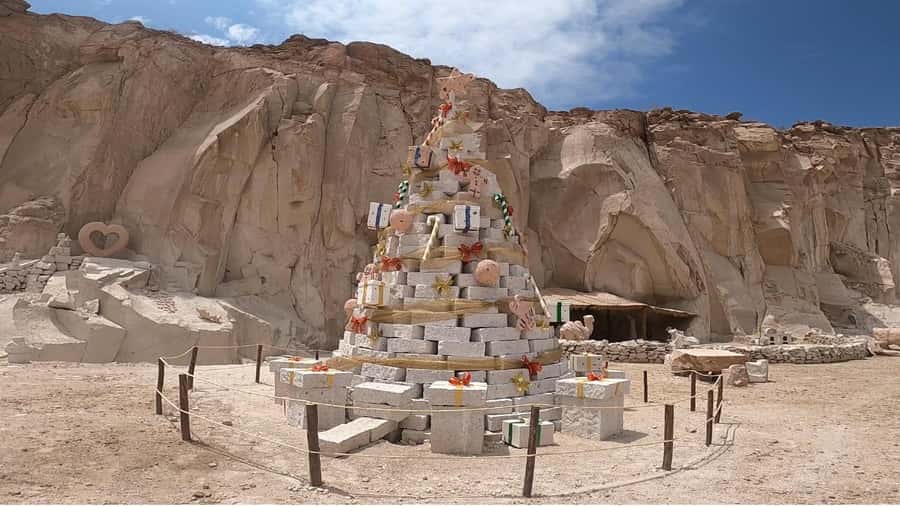
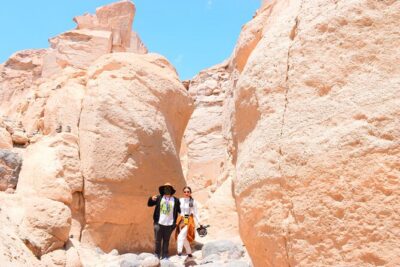
After the quarry stop, you’ll walk about half an hour to reach the Culebrillas canyon area. This is where the outing turns from craft education into movement and viewpoint hunting.
The canyon is a ravine formed by nature and the passage of water over time. The result is a narrow corridor with rocky walls that rise roughly 15 to 20 meters. Even if you’re not a hardcore hiker, the setting makes you pay attention. You naturally slow down to look up, because the walls frame your photos and block the sky in a dramatic way.
What adds the extra layer here is the rock art. You can see millenary petroglyphs, rock symbols engraved into stone. The meaning is a mystery, and that matters. Part of the appeal is not having a neat answer. You’re standing in front of marks that survived ages, and you’re being asked to treat them with patience instead of expecting a label that solves everything.
Practical note: this is not described as an easy stroll. You’re walking around rock and along a route within a canyon setting. If you have any mobility restrictions, I’d think carefully. The experience also is not meant for wheelchair users.
What the 4-hour timing feels like on the ground
This is a 4-hour tour total, and that time is used pretty efficiently. You’ll spend a substantial chunk on the Sillar portion, then switch into the canyon section with the hike and the petroglyph viewing.
The main thing you need to know is pacing. The quarry part includes time for a guided experience plus free time, so it won’t feel like you’re being rushed the whole way. Still, four hours is not long enough to slow down for long breaks, snack stops, or repeated returns to the same spot for new angles.
I suggest you do two things when you arrive:
1) Use your first moments with the guide to understand what to look for in the stone and the quarry area.
2) Decide early that you’ll get your best canyon photos efficiently, then keep walking rather than stopping over and over.
If you’re the type who loves to linger, you may want to treat this as a sampler. It gives you the core experiences, then you can always come back later to explore at your own pace.
A few more Arequipa days worth comparing
- 2 day 1 night trek / Colca Canyon
★ 5.0 · 1,069 reviews - From Arequipa: Colca Canyon Full-Day Guided Tour with Meals
★ 4.5 · 982 reviews - Tour to the Salinas Lagoon and National Reserve in Arequipa
★ 4.5 · 548 reviews - Colca Full Day Tour
★ 4.5 · 429 reviews
Price and value: $20 plus two small entry fees
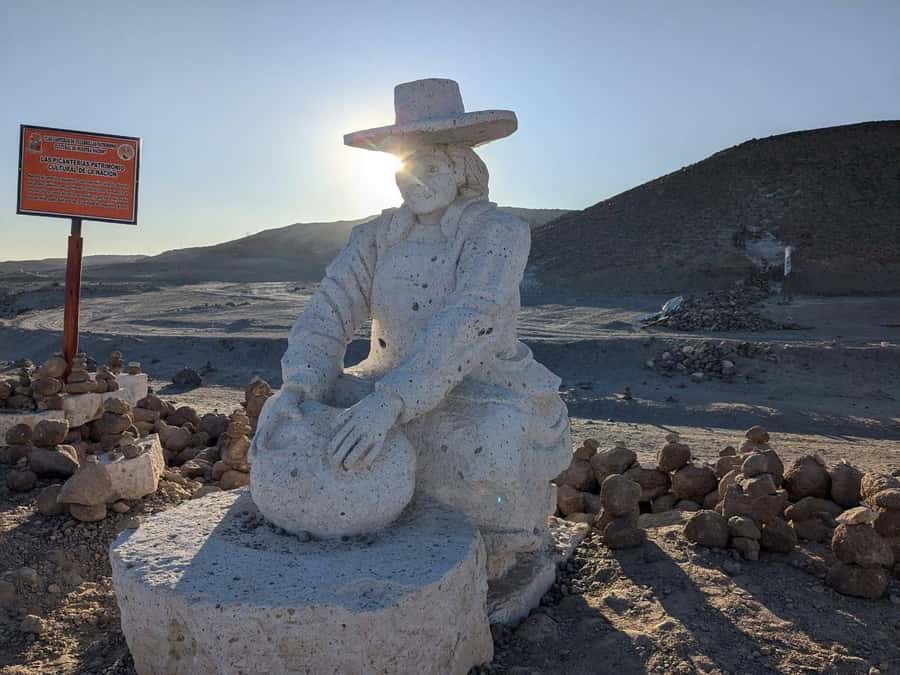
The price is $20 per person for the 4-hour outing. On paper, it sounds straightforward, but value comes from what’s included.
Included in the price:
- pickup from your hotel and transfer back to central Arequipa
- transportation by bus or minibus
- an English and Spanish speaking guide
Not included:
- entrance to the Culebrillas canyon: 5 S/ per person
- entrance fee to the ashlar stone quarries: 5 S/ per person
So, you should budget for the two entrance fees on top of the base price. The value question becomes: does the guide-led quarry understanding plus the canyon hike and rock art justify that total? For many people, yes, because you’re getting two distinct experiences in one outing: craft education tied to local building material, and an atmospheric hike with petroglyphs.
If you’re coming from out of town, or you don’t want to arrange transport yourself, the included bus or minibus time and guided explanation can make this feel like a good deal. If you only care about one side, you might consider doing just the canyon elsewhere, because some quarry areas may feel more like a working stone site than a museum-like set.
Pickup and communication: how to protect your day
This is the part where I’d be most careful, because good tours depend on smooth pickup. Pickup is described as being included at any hotel in Arequipa, with a reminder to wait in the lobby about 10 minutes before the scheduled time. Pickup points are also tied to the Historic Centre and Plaza de Armas, which gives you a recognizable fallback location.
Still, I recommend you do a simple safeguard:
- Confirm your pickup location details the day before.
- Have your hotel lobby as the default meeting point.
- If you don’t receive clear updates, plan to relocate to a known central pickup area rather than waiting indefinitely.
I’m mentioning this because the tour provider is NalasTrips, and in practice, tour logistics live or die on communication. For a short 4-hour outing, even a small delay can squeeze the experience.
Who this tour is best for, and who should skip it
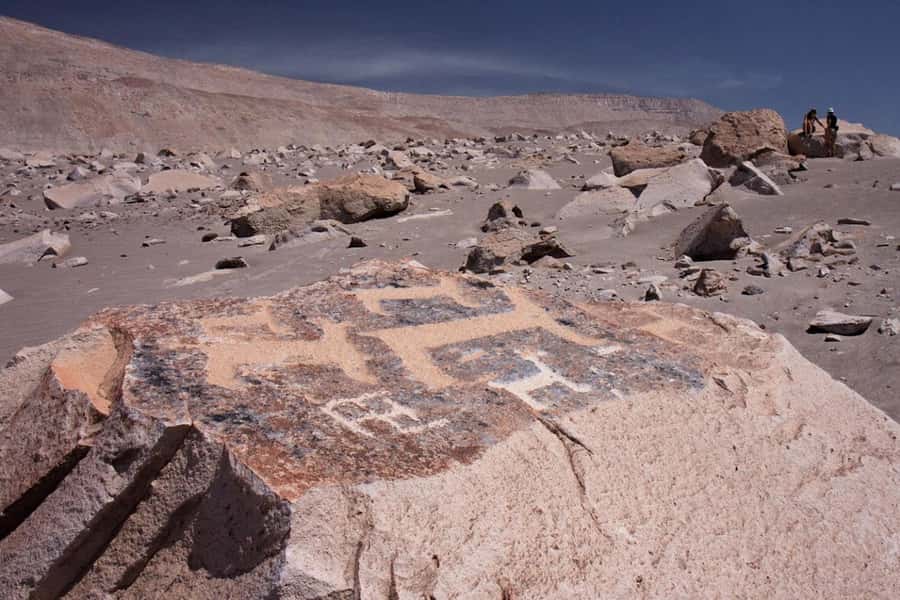
This outing fits best if you want a mixed day: stone craft plus nature, both with a guide. It’s especially good for:
- people who like photography and want canyon views fast
- anyone curious about local building materials and ashlar masonry
- visitors who enjoy rock art as a visual experience, even when the meaning is uncertain
You should think twice if:
- you have back problems, due to the hike on uneven rock
- you use a wheelchair, since it is not suitable for wheelchair users
- you hate walking inside tight canyon routes or you need lots of flat ground
Also, be honest with your expectations. If you’re expecting a highly interpretive, panel-heavy museum experience at the quarry, you may feel a bit underwhelmed. If your goal is guided context plus a real canyon walk, you’ll likely feel rewarded.
What to pack for Culebrillas canyon photos
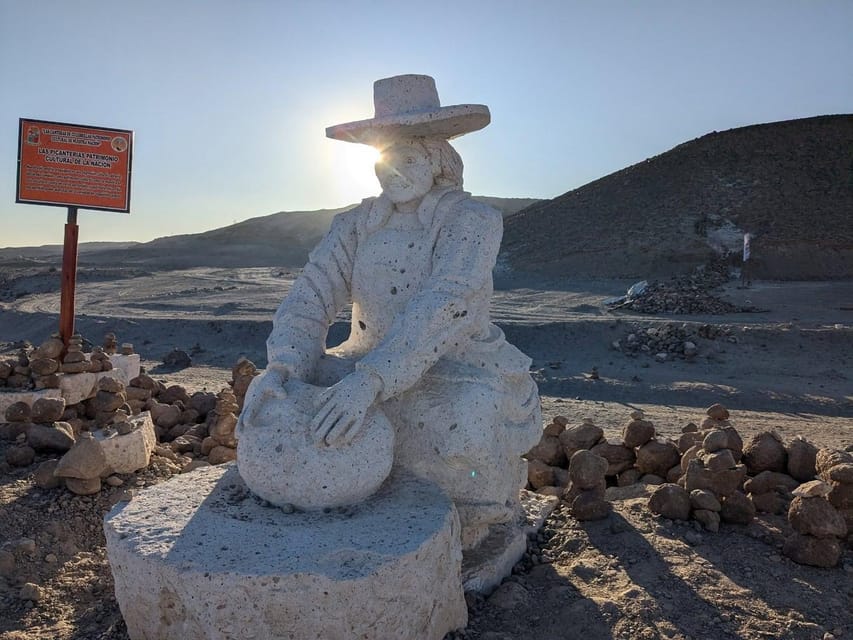
You’ll be taking pictures in a rocky canyon. You won’t need expedition gear, but you should prepare for uneven footing and changing light.
Bring:
- comfortable walking shoes with grip
- a light layer, since canyon shade can change temperatures quickly
- water, because it’s a short outing but still time on foot
- your phone or camera, and be ready to shoot from awkward angles because the walls rise fast
If you’re prone to feeling uncomfortable in tight spaces, take it slow on the canyon route. The canyon walls are close, and you’ll naturally spend time looking up.
Should you book this tour?
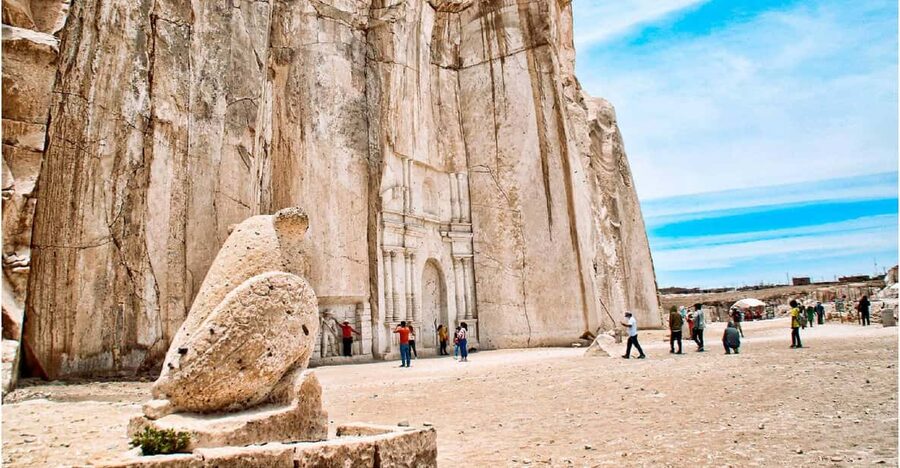
Book it if you want an efficient, guided taste of Arequipa that combines the local stone tradition and a canyon with rock art in one half-day. The best part is the way the guide connects the hand-carved sillar to local architecture, then sends you into a dramatic ravine where petroglyphs add mystery to the walk.
Skip it or rethink it if you mainly want a super visual quarry show with lots of signage and staged photo moments. The quarry portion is more about craft and stone than theme-park vibes. Also, don’t book if the hike would be difficult for your body.
If you do book, my advice is simple: confirm pickup details carefully, wear grippy shoes, and treat this as a focused sampler. You’ll come away with a stronger understanding of Arequipa’s building material, plus photos and rock art memories from the canyon.
FAQ
How long is the Sillar Route + Culebrillas Canyon tour?
The tour lasts about 4 hours total.
How much does the tour cost?
The price is listed as $20 per person.
Does the tour include hotel pickup and transportation back to Arequipa?
Yes. Pickup is included from your hotel in Arequipa, and the tour includes transfer back to downtown Arequipa.
What languages are spoken by the guide?
The guide speaks both English and Spanish.
Are entrance fees included in the $20 price?
No. Entrance to the Culebrillas canyon is 5 S/ per person, and the entrance fee to the ashlar stone quarries is also 5 S/ per person.
Where does the tour start and where does it end?
Pickup options include the Historic Centre of Arequipa at Plaza de Armas. The tour ends near Plaza Mayor de Arequipa.
Is there a hike in the Culebrillas canyon?
Yes. You walk about half an hour to get to the canyon route, then you take a hiking route among rocky canyon walls.
Is the tour suitable for wheelchair users?
No. It is not suitable for wheelchair users.
Is the tour suitable for people with back problems?
No. It is listed as not suitable for people with back problems.
Is free cancellation available?
Yes, you can cancel up to 24 hours in advance for a full refund.
Recently reviewed around Arequipa
- 2-Day Tour to the Magical Colca Canyon★ 4.5 · 29 reviews
- Full Day Tour to Colca Canyon from Arequipa★ 4.0 · 34 reviews
- Full Day Trip to Colca Canyon from Arequipa★ 4.0 · 34 reviews
- Full Day Tour To The Salt Lake Salinas in Arequipa★ 4.5 · 34 reviews
- Tour Fullday Colca Canyon with Breakfast and Typical Lunch★ 4.3 · 35 reviews
- Colca 2 Days and 1 Night★ 5.0 · 35 reviews
- 2 Day Trek Including Transfer to Puno / Colca Canyon★ 4.5 · 38 reviews
- 3-Day Colca Canyon trek with Professional Guide★ 5.0 · 40 reviews
Sillar Route, compared.
Sillar Route in Arequipa and viewpoint of the Volcanoes
Read our review →
4 hours Tour: Route of Sillar with Trek in Culebrillas
Read our review →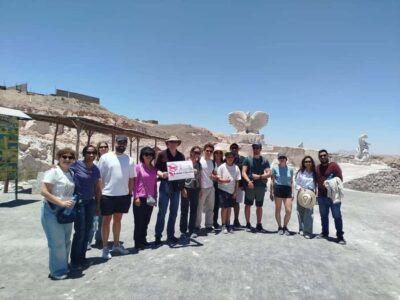
Hike to the Ruta del Sillar and Culebrillas in Arequipa
Read our review →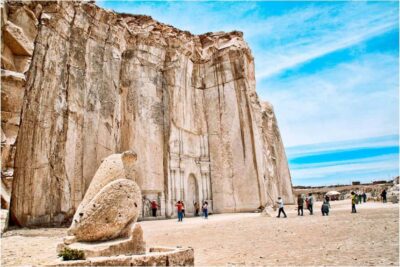
Route of the Sillar | Quarries of Añashuaycos | Half day
Read our review →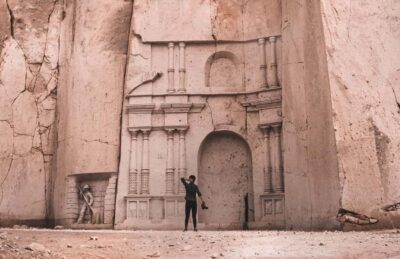
4-hour excursion: Sillar Route with Hiking in Culebrillas
Read our review →Browse the lists this tour appears in