
Reviewed · MARAS SALT MINES
From Cusco: Chinchero, Moray, Maras, Ollantaytambo, Pisaq
This is one of the more efficient ways to see Peru’s Sacred Valley without planning five separate trips. In one long day you’ll move from Inca textile traditions and experimental terraces to working salt mines, then finish with fortress-style Ollantaytambo and the terraced site of Pisac.
I especially like two things here: the tour runs with a small group (max 18), which keeps the vibe friendly, and you get a bilingual guide who ties the sites together so they feel like one story, not random stops.
The main drawback is simple: it’s fast. You’re on the move for about 12 hours, so if you love lingering, taking photos for an hour, and chatting with no schedule, you might feel a bit rushed during the guided time slots.
Key points to know before you go
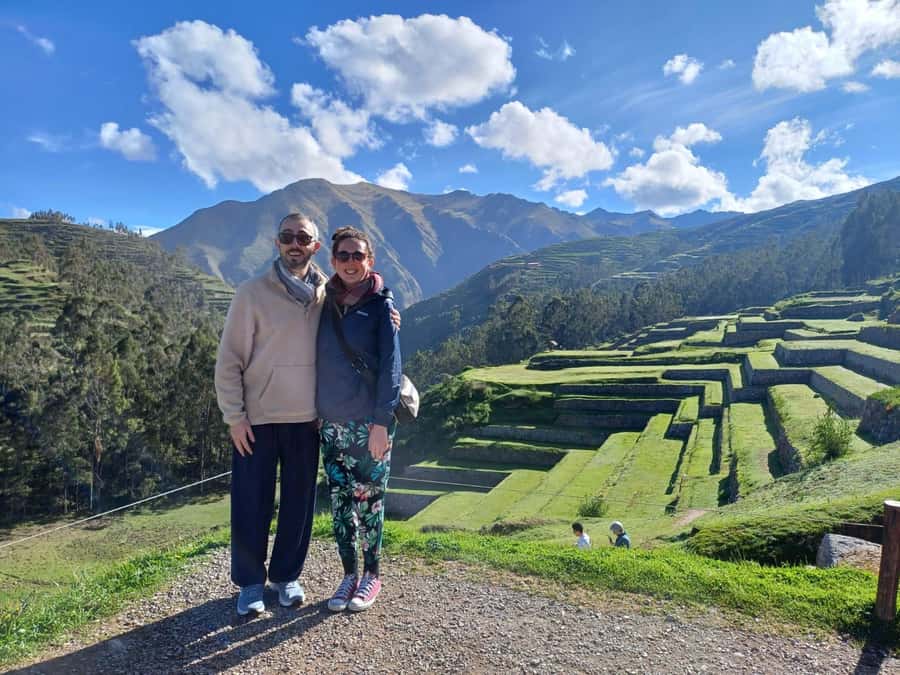
- Chinchero textiles and the Tupac Yupanqui enclosure: you’ll see how alpaca fiber work becomes finished cloth, then connect it to the archaeology.
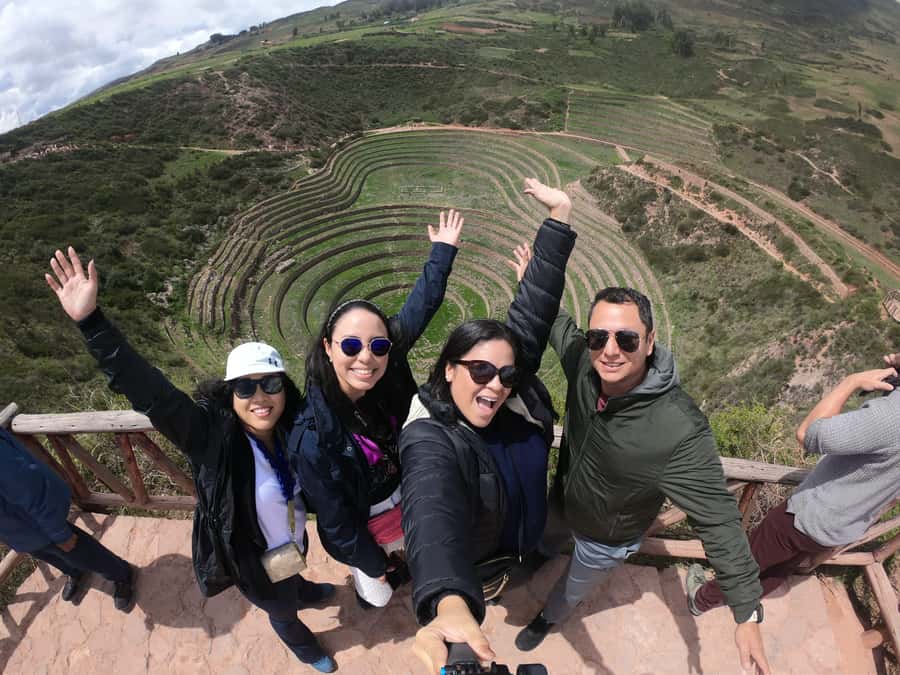
- Moray’s circular terraces: a clear look at how the Incas experimented with growing conditions.
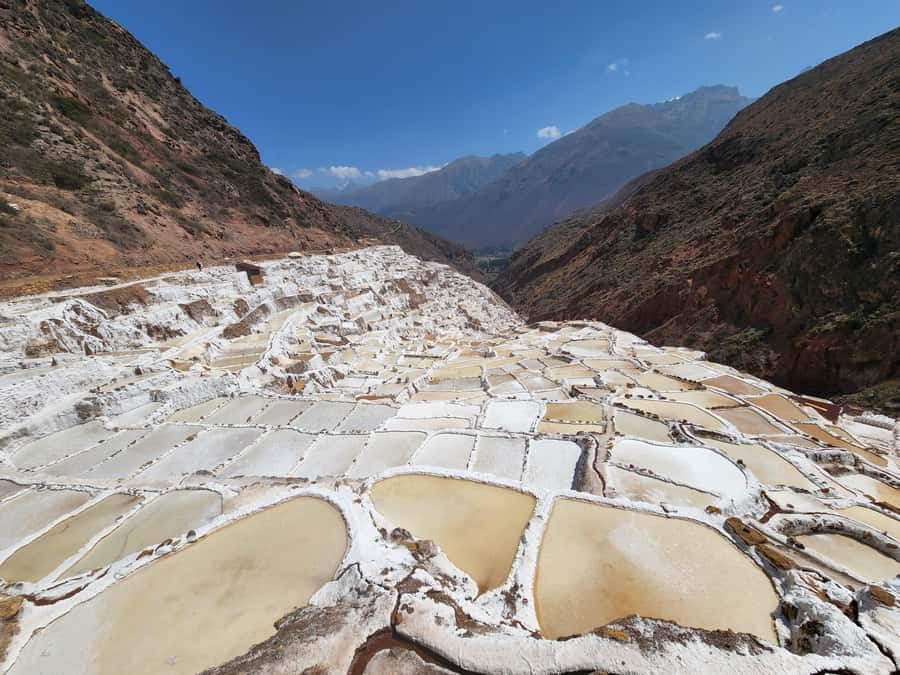
- Maras Salt Mines with 4,000+ pits: learn how salt extraction works at a site still producing today.
- Ollantaytambo fortress walk-through: step inside the Inca defensive feel, including key enclosures.
- Urubamba buffet lunch: includes a vegetarian option, so you’re not scrambling to find food mid-tour.
- Pickup from Cusco historic center and small coach: you start and end close to the city’s main activity.
A 12-hour Sacred Valley circuit that hits the highlights
This tour is built for travelers who want the headline sights of the Sacred Valley, with guidance and transport handled for you. You’ll be picked up from your place in the Cusco historic center and kept moving by a tourist coach, with short bus rides between each stop.
The pace can feel like a highlight reel, but that’s also the value. You get a guided introduction to five major areas: Chinchero, Moray, Maras, Ollantaytambo, and Pisac. By the time you’re back, you’ll have enough context to decide what deserves a second visit.
You’ll also get a kind of “human scale” version of the region. You’re not just looking at stones. You’re hearing how people worked salt, how they made textiles, and how agriculture was tested through terraces.
More of Chinchero:
- From Cusco: Moray, Maras Salt Mines & Chinchero Weavers Tour
★ 4.8 · 1,925 reviews - Cusco:Chinchero,Moray & Salt Mines drop-off in Ollantaytambo
★ 4.8 · 793 reviews - Sacred Valley: Chinchero, Moray, Ollantaytambo & Pisac+Lunch
★ 4.8 · 501 reviews
Getting from stop to stop in a max-18 group
Logistics matter in Cusco. Roads can be curvy, and long drives at altitude can wear you out if the trip is poorly managed. Here, the group size helps. The transport is designed for up to 18 people, so you’re less likely to spend the day playing “find your seat again” during quick transitions.
One thing I’d call out from how the day is run: the whole schedule is about hitting the key parts of each site efficiently. The tour includes guided time at each stop, then you’re back on the bus. It’s not a “stay all morning at one place” style day.
That means the coach driver and timing are part of the experience. The tour is organized to finish everything, and that shows in the reviews people gave for smooth handling during the tougher road sections.
Chinchero, alpaca textiles and the Tupac Yupanqui enclosure
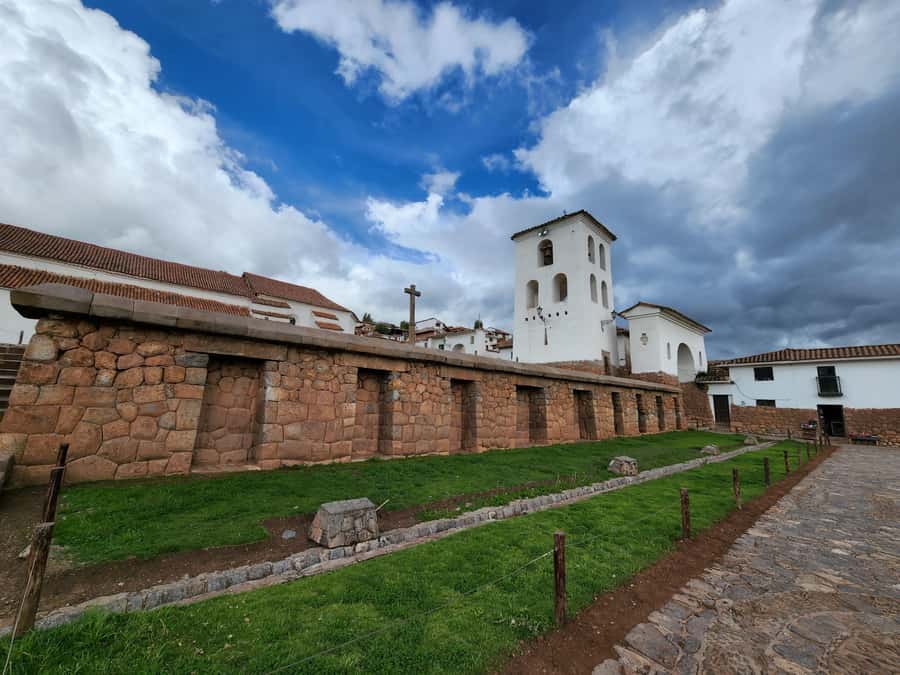
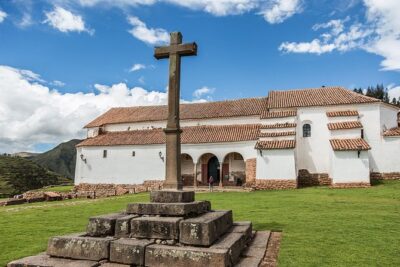
You start with Chinchero, about an hour from Cusco by road. This is where the day gains personality because Chinchero isn’t only archaeology. It also has a textile center where you learn the process of making textiles from alpaca fiber.
Watch how the raw material becomes finished cloth, then you’ll shift to the archaeological center right after. The site comes with explanations, and you’ll be able to see the enclosure linked to Inca Tupac Yupanqui. That combination helps you understand textiles and power, not just as craft but as part of how Inca society expressed status and identity.
What I like about Chinchero on a first Sacred Valley day is that it gives you a lens for the rest of the route. You’ll keep noticing details like how terraces and built spaces are tied to practical work. And you’ll also be more prepared to recognize why people still buy locally made textiles, not just souvenirs.
A small consideration: the time here is guided and time-limited. If you want to watch craft steps slowly, plan to do more than one stop shopping later in Cusco too.
Moray’s circular terraces and the logic of experimental farming
Next up is Moray, famous for its circular terraces. The guide frames it as an experimental agricultural laboratory. You’re looking at a place where the design of the terraces helps create different growing conditions.
That matters because you’re not just seeing a pretty pattern in the dirt. You’re seeing a built system aimed at testing agriculture. The circular layout gives you a visual way to understand how Inca engineers thought about microclimates and food production.
The guided visit here is shorter than at Chinchero, so it’s best if you come with a curious mindset. Look at how the terraces step and how the shapes guide water and temperature effects. If you’re the type who asks questions, Moray is a good place for it, since the site is basically built to be explained.
And yes, Moray can feel like stepping into a “science room” of Inca farming, which is a fun change from temples and fortresses.
More of Ollantaytambo:
- Cusco:Sacred Valley Pisaq,Ollantaytambo,Chinchero with Lunch
★ 4.8 · 183 reviews - Valle Sagrado:Chinchero, Moray, Maras, Ollantaytambo y Pisac
★ 4.5 · 116 reviews - From Cusco: Chinchero, Moray, Maras and Ollantaytambo
★ 4.5 · 83 reviews - Sacred Valley with Peru Vip : Pisac, Ollantaytambo and Chinchero
★ 5.0 · 69 reviews
Maras Salt Mines, 4,000+ pits and a working tradition
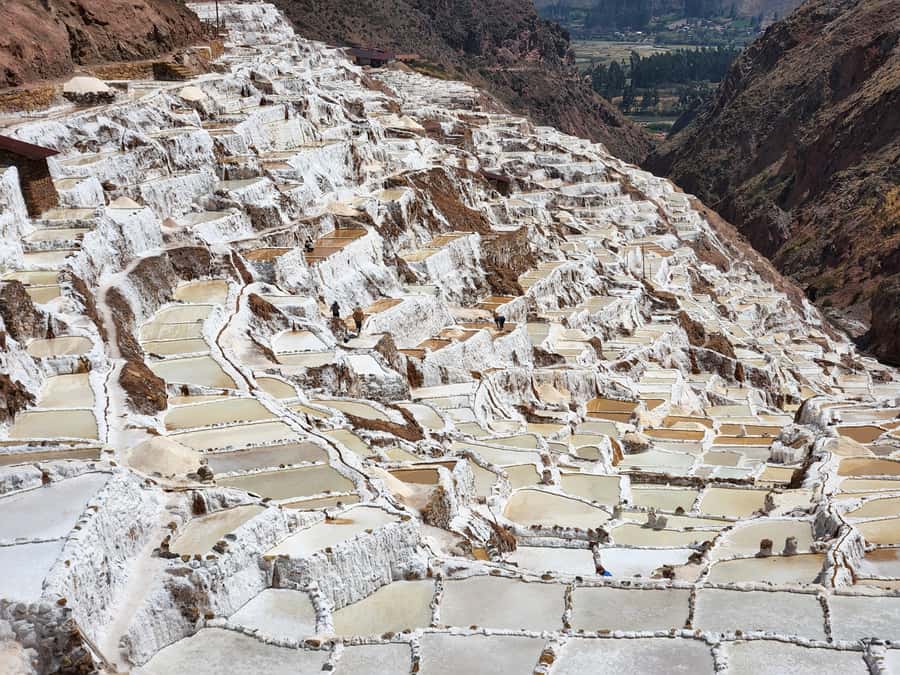
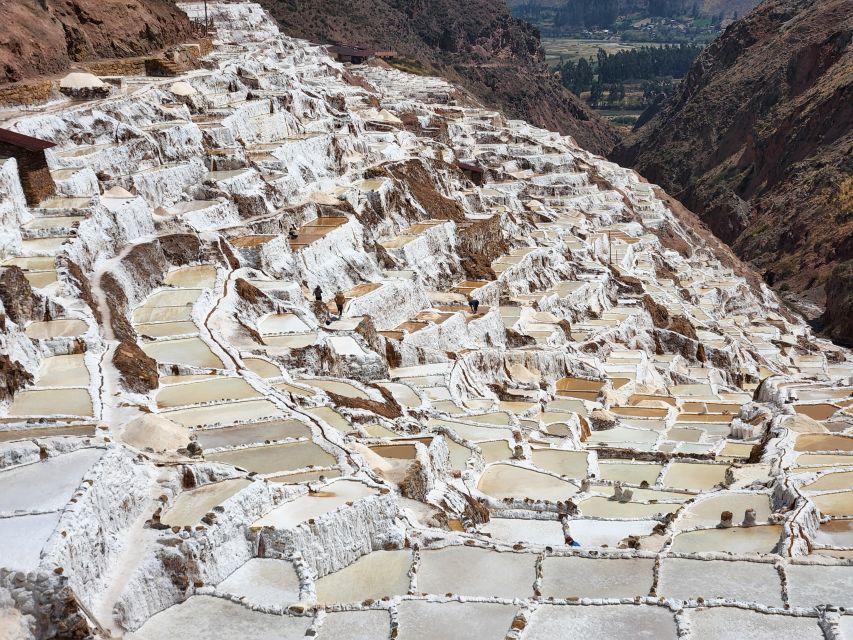
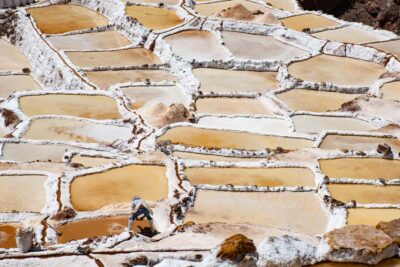
After Moray, you head to the Maras Salt Mines, near enough to make the pairing logical. This is the one stop that often surprises people because it’s not only an archaeological feature. It’s an active, working landscape, with the local population continuing the salt tradition.
The scale is striking. You’ll learn about the extraction process, and you’ll see the thousands of small pits, more than 4,000 in total. That number helps you grasp how labor-intensive salt production was, and why it mattered enough to be worth building systems for.
When salt production is still happening, the experience has a real-world rhythm. It’s not frozen in time. It’s something people manage today, even if techniques evolve.
Practical note: tickets for the salt mines are not included, so you should budget for the separate entrance fee. Also plan for the guided time to focus on the key viewing and explanation points rather than a long wander.
Urubamba buffet lunch with a vegetarian option
Once you reach Urubamba, lunch is served. This tour includes a buffet lunch with a vegetarian option, which is a big deal on a full-day route where you don’t want to waste time searching for food.
A buffet works well on a schedule like this. You can eat what you need, not what’s available nearby, and you can usually choose something that won’t upset your stomach before the afternoon walking.
From the way the day is paced, lunch is also your reset moment. You’re about to head to Ollantaytambo and then Pisac, so you’ll want energy without feeling too heavy.
Ollantaytambo fortress, walking into Inca defense
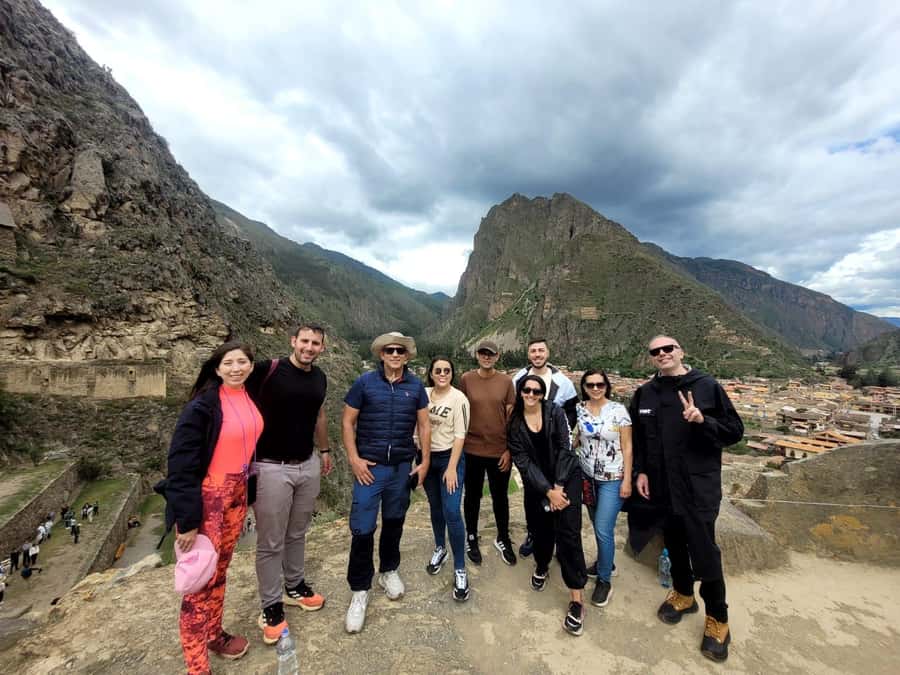
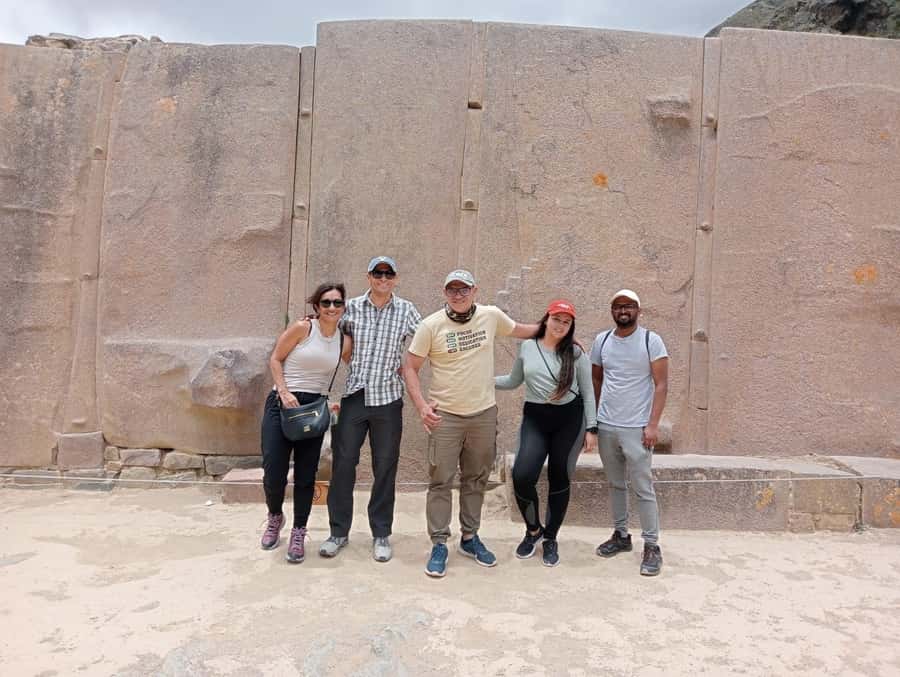
After lunch, the tour goes to Ollantaytambo, one of the most dramatic stops in the Sacred Valley circuit. The focus here is on the fortress feel, including walking inside and visiting the main enclosures.
Ollantaytambo was built to defend the entrance toward Machu Picchu, and the stonework makes that purpose feel real. You can picture why controlling passes mattered. It’s not abstract. You’re standing in a place designed for defense.
What I like about this stop is the shift from agricultural and craft themes into engineering and strategy. Chinchero connects to culture and identity. Moray connects to farming experiments. Maras connects to production. Then Ollantaytambo connects to movement, protection, and power.
The only caveat is time. The guided visit is about 40 minutes, so plan to prioritize what you most want to see. If you love architecture, spend your energy at the enclosures with the strongest defensive layout.
Pisac: terraces, Inca cemetery, and royal enclosures
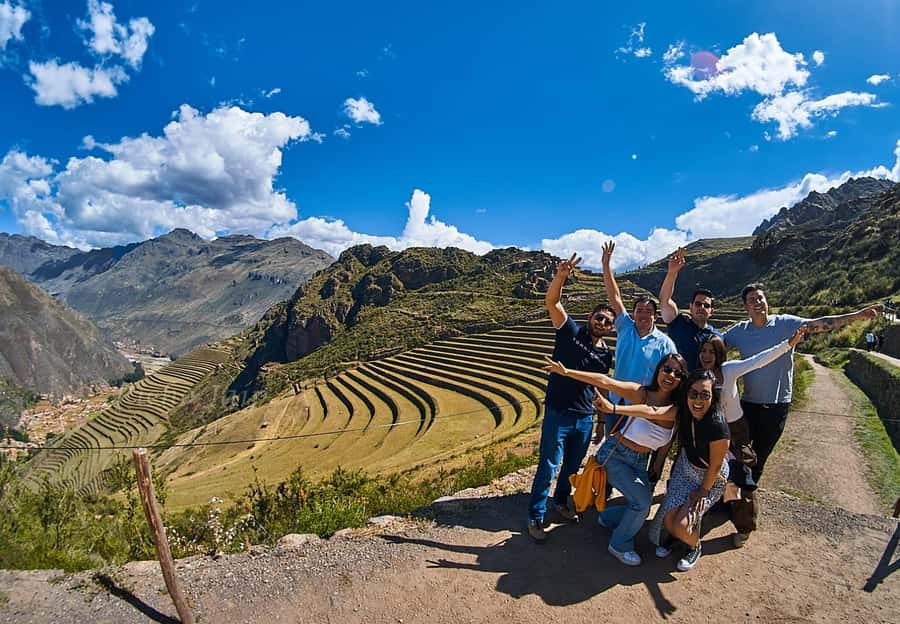
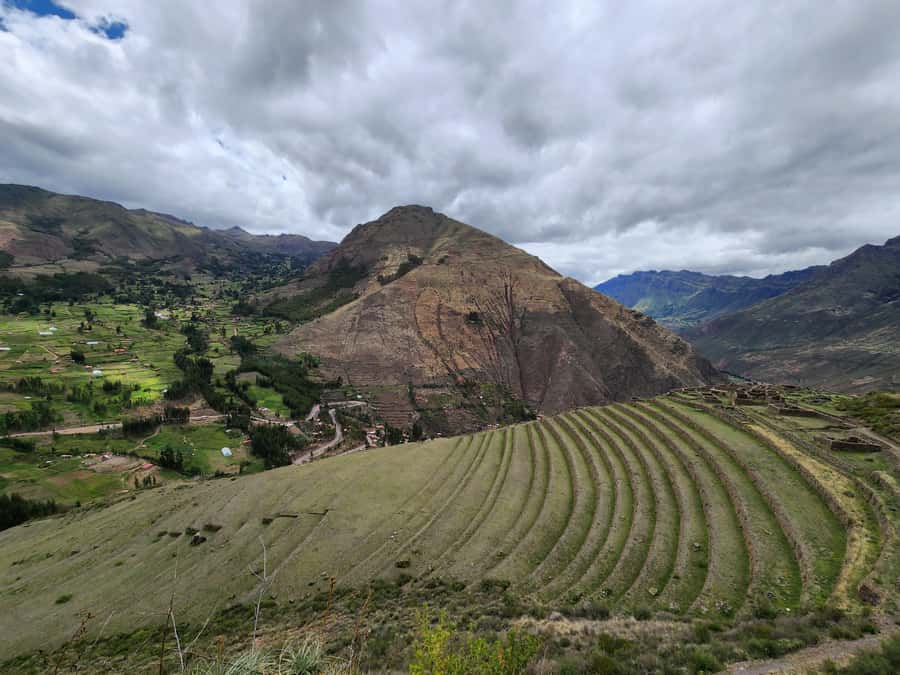
Pisac is the final major archaeological site on the route. Here you’ll see agricultural terraces, an Inca cemetery, and different enclosures associated with Inca royalty.
This stop is ideal for travelers who like sites that show how everyday work and elite spaces could exist close together. Terraces point to farming. A cemetery grounds the place in human life and death. Enclosures connect it to governance and status.
Because it’s the last guided stop, I recommend keeping your stamina steady through the morning and lunch. Pisac is a great finish, but it can also be where your attention starts to split between photos and absorbing explanations.
You’ll end up returning by coach and then be dropped off at Plaza Regocijo, about a block from Cusco’s main square, so you’re not stranded far from restaurants and street life.
Price and logistics: the real value equation
The advertised price is $45 per person, and for that you get several things that add up quickly: pickup from the historic center, tourist transport (max 18), a professional bilingual guide in English or Spanish, a buffet lunch with vegetarian option, and a first aid kit.
That’s good value if you’re trying to avoid the stress of arranging separate transport for each Sacred Valley site. You also get guidance at each stop, which is the difference between seeing stones and understanding what you’re looking at.
Two entrance costs are not included:
- Tourist ticket: 70 soles
- Maras Salt Mines entrance: 20 soles
So your total day cost will be higher than $45 once you add entrances. Still, you’re not paying extra for guides or a private vehicle for each site. It’s a “pay once, move all day” kind of deal.
Also, keep in mind drinks and snacks are not included. If you’re a person who needs water between stops, bring what you can or plan to buy along the way.
Who this Sacred Valley day trip suits best
This is a strong match if you:
- Want a first Sacred Valley day with the major sites covered
- Appreciate a bilingual guide who gives you the main context fast
- Like a structured day with transport handled, especially if you’d rather not drive
It may not be the best fit if you:
- Want long unstructured time at each location
- Need a very slow pace and extra breaks
- Are traveling with mobility needs that require more flexible stops, since the day is designed around quick guided visits
One more practical note: drones are not allowed, and the tour isn’t suitable for people over 95 years.
Should you book this Sacred Valley day trip?
If you’re in Cusco for a short stay and you want the Sacred Valley highlights in one guided loop, I’d book it. The best part is the overall handling: small group size, bilingual guidance, and a tight plan that actually manages to cover all the big names in one day.
Just go in knowing what it is, a full-day circuit with timed stops. If you treat it as an introduction, you’ll be happy. If you treat it like a slow museum crawl, you might feel time pressure.
FAQ
How long is the tour?
The tour lasts about 12 hours. You’ll need to check availability to see starting times.
What does the $45 price include?
It includes pickup from hotels in Cusco’s historic center, tourist transport (max 18 people), a professional bilingual guide in English or Spanish, a buffet lunch with a vegetarian option, and a first aid kit.
What entrance fees should I plan for?
You’ll need to pay separately for the tourist ticket (70 soles) and the Maras Salt Mines entrance ticket (20 soles).
Where do pickups happen in Cusco?
Pickup is included for hotels and Airbnb located in the center of Cusco, and there are also listed pickup options at C. Sta. Clara 2, Coa Cuno Gudith, Portal de Confituria 257, and Concevidayoc 143.
Is lunch included, and is there a vegetarian option?
Yes. Lunch in Urubamba is a buffet and includes a vegetarian option.
What languages does the guide speak?
The guide speaks English or Spanish.
How large is the group?
The transport is listed with a maximum capacity of 18 people.
Where does the tour finish?
The tour ends at Plaza Regocijo, about one block from Cusco’s main square.
Is free cancellation available?
Yes. You can cancel up to 24 hours in advance for a full refund.
Are drones allowed during the tour?
No, drones are not allowed.
More Visits to the Moray Terraces
- from Cusco:Chinchero,Moray & Salt Mines drop-off in Ollantaytambo
★ 5.0 · 40 reviews - Sacred Valley: Chinchero, Maras, Moray, Ollantaytambo Private or Small-Group
★ 5.0 · 36 reviews - Private Tour Sacred Valley, Chinchero, Maras Moray, Ollantaytambo
★ 5.0 · 29 reviews - Cusco: Moray, Maras Salt Mines, and Chinchero Weavers Tour
★ 4.4 · 15 reviews
More Visits to the Maras Salt Mines
- From Cusco: Chinchero Weavers, Moray, Maras Salt Mines Tour
★ 4.7 · 279 reviews - Maras, Moray and Chinchero Private Day Trip from Cusco
★ 5.0 · 131 reviews - From Cusco: Moray, Maras Salt Mines & Chinchero Weavers Half-Day
★ 5.0 · 126 reviews - From Ollantaytambo:Moray, Salt Mines, Chinchero end in Cusco
★ 5.0 · 42 reviews
Recently reviewed around Chinchero
- Private Tour Sacred Valley, Chinchero, Maras Moray, Ollantaytambo★ 5.0 · 29 reviews
- Sacred Valley Private Tour: Chinchero, Ollantaytambo and Pisaq★ 5.0 · 33 reviews
- Sacred Valley: Chinchero, Maras, Moray, Ollantaytambo Private or Small-Group★ 5.0 · 36 reviews
- Sacred Valley Pisac Ollantaytambo and Chinchero Full-Day Tour★ 4.5 · 39 reviews
- from Cusco:Chinchero,Moray & Salt Mines drop-off in Ollantaytambo★ 5.0 · 40 reviews
- Sacred Valley Tour Vip Chinchero Ollantaytambo and Pisac★ 5.0 · 59 reviews
- Sacred Valley of the Incas – Pisaq, Ollantaytambo and Chinchero★ 5.0 · 62 reviews
- Sacred Valley with Peru Vip : Pisac, Ollantaytambo and Chinchero★ 5.0 · 69 reviews
Maras Salt Mines, compared.
Sacred Valley & Maras Salt Mines Tour with Lunch
Read our review →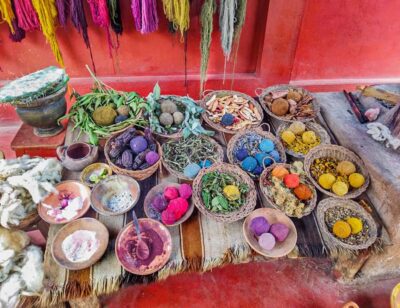
Moray, Maras Salt Mines & Chinchero Weavers Tour
Read our review →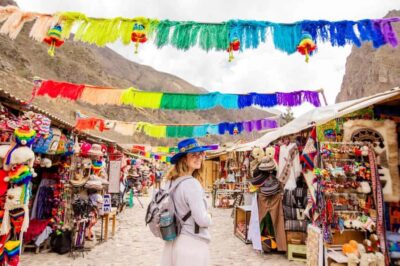
Sacred Valley, Pisac, Ollantaytambo, Salt Mines Moray
Read our review →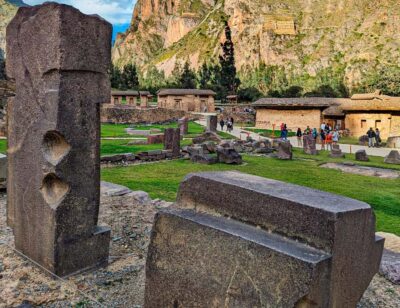
Chinchero,Moray & Salt Mines drop-off in Ollantaytambo
Read our review →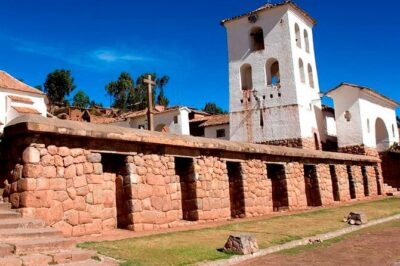
Sacred Valley and Maras Moray Tour with Full Day Buffet Lunch
Read our review →
ATV Tour to Moray Maras and Salt Mines in the Sacred Valley
Read our review →
Tour Sacred Valley & Maras – Moray with buffet lunch
Read our review →Browse the lists this tour appears in