
Reviewed · SILLAR ROUTE
Route of the Sillar and Petroglyphs of Culebrillas
Arequipa’s Ruta del Sillar is one of those places where the city’s famous white stone stops being a postcard and turns into real work. I like that you see the ignimbrite cliffs, learn how ashlar is made, and then walk into a canyon where ancient rock art is still there. One thing to consider: it is a tight schedule, so photo time can feel brief at each stop, and pickup logistics can add a bit of waiting if you are staying near the center.
I also really like the way the route connects craft to culture. You are not just looking at formations, you are watching living stonemasons in operation and stepping into the kind of terrain that explains how communities shaped meaning from the land. The main drawback is that group size can run larger than you might expect, so you should be ready for a busier experience and a bit of back-and-forth during pickups.
Key highlights you should care about
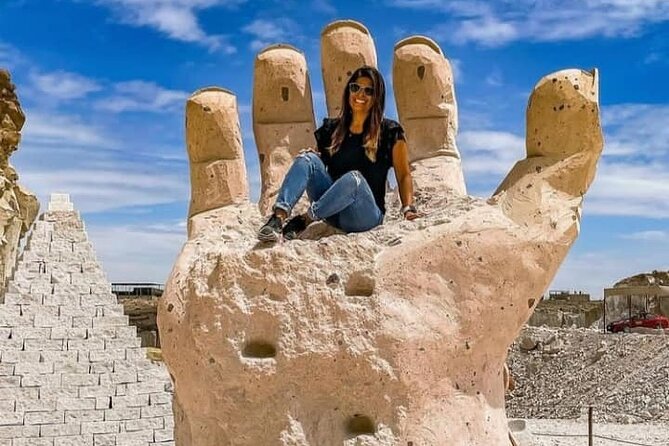
- Añashuayco Quarry operations: You visit active stone extraction areas where you can see the canyon walls formed by extraction.
- Church of the Society of Jesus megacarving: A big ashlar carving created by the stonemasons themselves.
- Quebrada de Culebrillas walk: A short canyon walk, with walls that get higher as you go deeper.
- Wari petroglyphs: Rock art that is over a thousand years old.
- Apachetas: Stone stacks linked to gratitude toward nature and good luck, with a mystical feel.
- Value for $20: Private transportation plus two major stops makes it a solid half-day option if you go prepared.
Ruta del Sillar and Culebrillas: what you’re really signing up for
This is a morning-focused Arequipa tour that pairs two very different but connected experiences: how the region’s stone gets made, and how the region’s people left marks on the rocks. On paper, it is listed as 30 to 35 minutes, but the schedule runs from pickup in the 8:00 to 8:30 window to returning you to the city around 12:30. In practice, think half-day, not quick hop.
Your timing starts with hotel pickups in central Arequipa between about 8:00 and 8:30. Then you head out toward the Ruta del Sillar, stopping first at the Añashuayco Quarry. After that, you move to Quebrada de Culebrillas, where you take a short walk inside a canyon to see the petroglyphs and then notice the Apachetas before heading back.
If your goal is to understand why Arequipa is called the White City, this tour does it with your feet and your eyes. You do not just read about ashlar. You see the quarry walls and the stonework process, then you step through a canyon that feels like it belongs to the same long timeline of human presence.
More Sillar Route trips:
- From Arequipa: Sillar Route Trek
★ 4.2 · 461 reviews - Sillar Route and Culebrillas Petroglyphs
★ 4.5 · 89 reviews - Sillar Route in Arequipa and viewpoint of the Volcanoes
★ 4.0 · 71 reviews
Price and logistics: how to plan so it stays enjoyable
The price is $20 per person, and the big value piece is that it includes private transportation. That matters in Arequipa because distances can add up quickly, and leaving central areas early helps you avoid a chunk of daytime crowds.
Still, there are two logistics points you should take seriously:
First, group size can be larger than some people expect. The tour caps at 18 people, and at least one traveler reported being on a 16-person bus. That does not make it bad, but it does mean it may not feel like a small, chatty workshop tour. Expect a guided experience with shared pacing.
Second, pickups can add time. If you are in the historic center area, you might spend a little longer doing hotel stops before the car or bus finally leaves the city. Build in patience, especially if you are planning another activity right after.
On costs, the listing points out a 10 soles breakfast cost that is not included. Also, site entry charges can be an extra line item. One person paid 5 soles per site, totaling 10 soles per person. If you want a clean budget, set aside that extra amount.
The tour also runs best in good weather, and that is not just a suggestion. If conditions are poor, the experience can be canceled and you may be offered a different date or a full refund.
Añashuayco Quarry: ignimbrite cliffs and how ashlar becomes the city
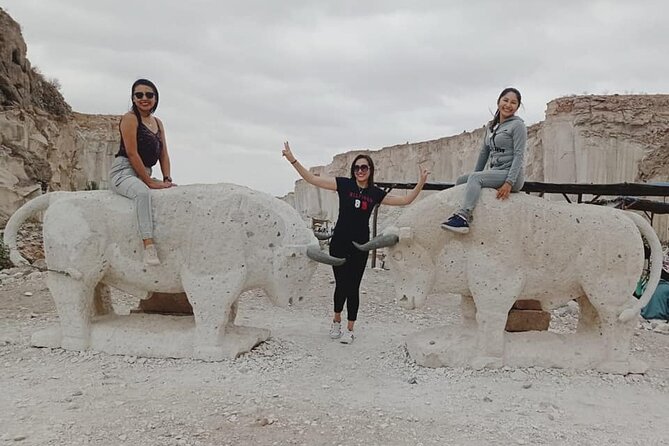
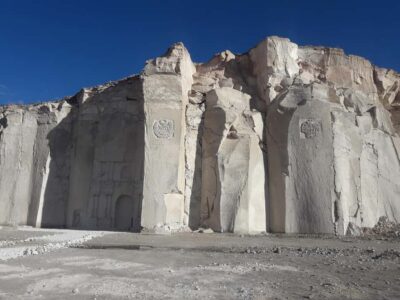
Añashuayco is the first real wow moment, and it is not about one viewpoint. You are walking into a working quarry area where the rock tells the story.
You arrive about 45 minutes after leaving Añashuayco’s route start (based on the schedule), and you get time to understand the canyon-like space created by extraction. The walls are made of ignimbrite, often called ignimbrite walls in descriptions, and they can be several meters high. When you stand near the cliffs, the scale clicks. The stone used for Arequipa’s ashlar is not pulled from a neat quarry wall you can picture from a distance. It comes from a landscape that has been cut and shaped over time.
What I like here is the practical framing. Instead of treating the quarry like a museum, your guide explains the history of ashlar, how it is elaborated, and what it has been used for. You are seeing the raw material plus the reason it mattered: it is a stone suited to the White City’s signature look.
You also get a chance to witness stonemasons working very early. The operation runs early in the day, so the quarry feels alive. Even if you do not speak Spanish, you will see enough in action to understand the rhythm: cutting, shaping, and moving heavy blocks with careful technique.
Watching the Church megacarving get explained (and tried)
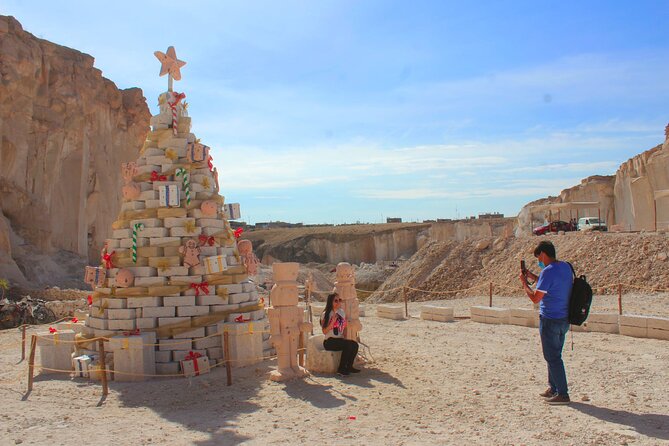
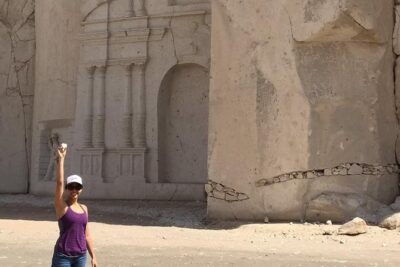
The quarry stop includes something special: a megacarving of the Church of the Society of Jesus made by the stonemasons themselves.
This is one of those details that makes the tour feel tangible. It is not a generic craft demonstration. It ties local workshop skill to a recognizable religious and cultural landmark. The scale of the carving helps you understand why ashlar became so important. When stonework can create big, detailed forms, that craft becomes part of a city’s identity.
One of the standout possibilities at Añashuayco is the hands-on element. You can sometimes visit the stonemasons so they explain daily work and even let you experiment by cutting a stone block yourself. You should not treat that as a full workshop class, but it is a fun, grounding way to appreciate why stone carving is slow, heavy, and precise.
If you care about photography, the quarry provides strong visual texture. The canyon walls, the stone color variations, and the contrast between carved surfaces and rough extraction marks give you good angles. Just remember you are on a schedule, so plan quick shots first. If you wait for the perfect light, you may miss your chance.
A few more Arequipa days worth comparing
- 2 day 1 night trek / Colca Canyon
★ 5.0 · 1,069 reviews - From Arequipa: Colca Canyon Full-Day Guided Tour with Meals
★ 4.5 · 982 reviews - Tour to the Salinas Lagoon and National Reserve in Arequipa
★ 4.5 · 548 reviews - Colca Full Day Tour
★ 4.5 · 429 reviews
The trip from quarry to canyon: why the timing works
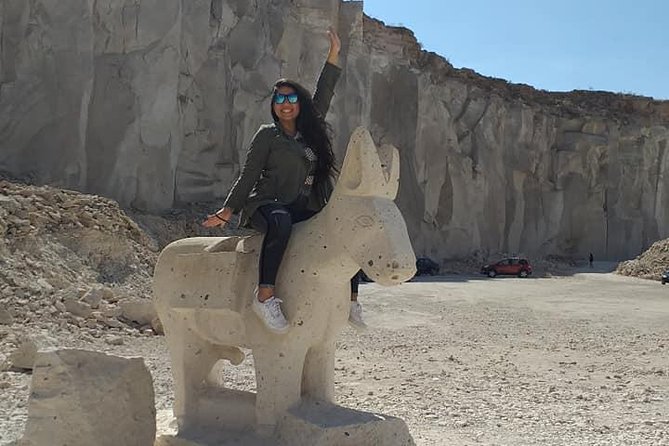
After Añashuayco, the route moves to Quebrada de Culebrillas, about 30 minutes away. This travel gap is short enough that the day stays connected. The quarry teaches you how stone is shaped and why it matters. The canyon walk then tests your legs and rewards you with a different kind of stone meaning: petroglyphs carved long before the ashlar tradition.
This transition also helps you adjust. If you took photos at Añashuayco, you will likely have a minute to reset before the walk. If you want to bring water, this is a good time to do it. The schedule does not emphasize it, but you will be more comfortable if you are not scrambling halfway through.
Quebrada de Culebrillas: a short canyon walk with big payoffs
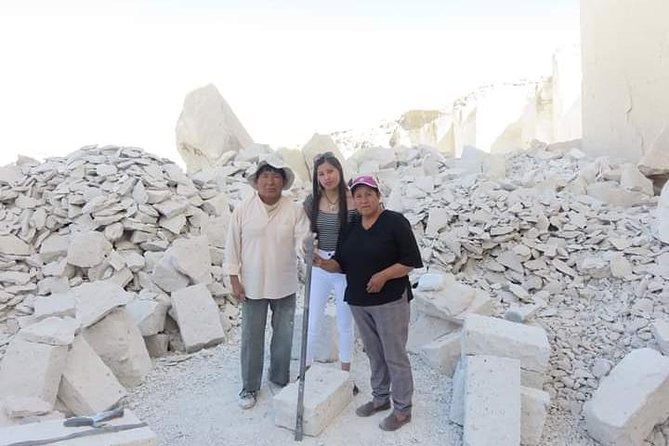
Quebrada de Culebrillas is where the tour shifts from stonework to stone storytelling.
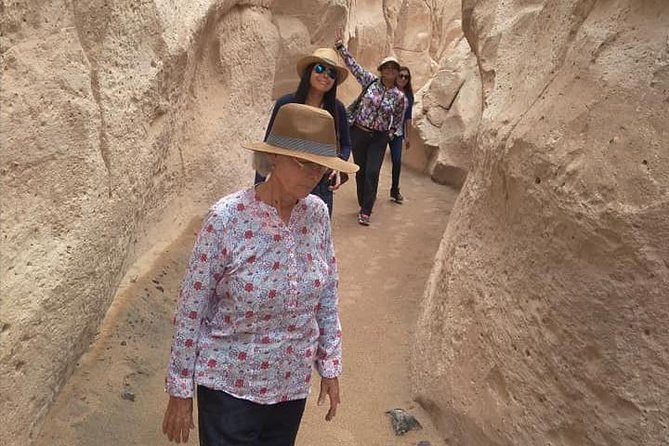
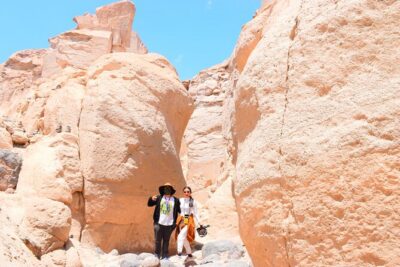
You walk inside a small canyon formed by the passage of water. The walls are described as about 15 to 20 meters at the start of the walk, and they increase in height as you go in. That means the canyon closes in visually. Your brain starts to treat it less like a trail and more like a protected space, which is exactly the feeling you want before you see the petroglyphs.
The walk is about 20 minutes. It is not framed as extreme trekking, but you should treat it as a real footing test. At least one traveler specifically recommends trekking shoes because the terrain can be a bit slippery or hard on soles.
Half the fun is the change in depth. Early on, the canyon looks passable and open enough for quick photos. Deeper in, the walls rise and the light shifts. That can make photos easier in some spots and harder in others, depending on how the light reaches the rock.
Wari petroglyphs: what to look for when you get there
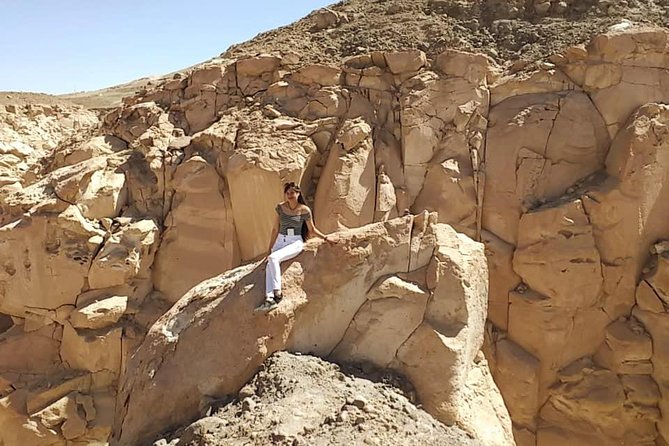
At the end of the walk, you see petroglyphs made by the Wari culture, described as more than a thousand years old.
The tour does not claim you will get a full archaeological lesson, but it does give you the big anchor: these marks are old, and they are placed in a natural corridor of stone. That matters because it helps you see the canyon as part of how people lived and understood their world.
When you stand near petroglyphs, do not rush. Give yourself a minute to adjust your eyes to the rock textures. Some carvings can look faint until your brain reads the lines. If your guide moves quickly, you still want to slow down for one careful look. A quick glance is easy, but a careful look helps the markings make sense.
This is also a good place to plan your phone storage and battery. If you are taking lots of pictures, the canyon walk can drain battery faster than expected, and you do not want to save all your photos for the final second.
Apachetas: stone stacks, gratitude, and a little mysticism
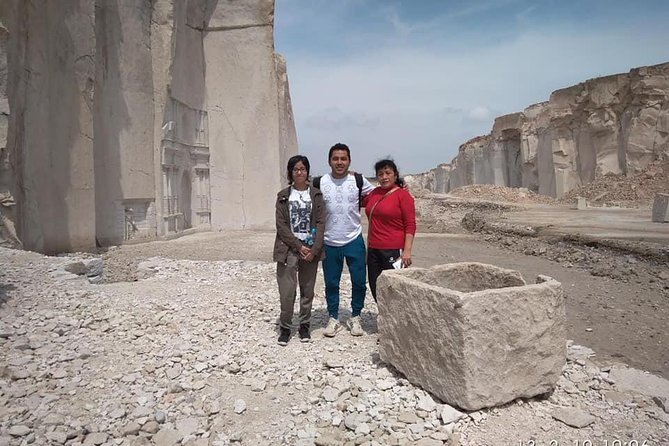
Before returning to the city, you observe the Apachetas, described as stone formations placed one on top of the other.
These are not random piles. They are described as a symbol of gratitude toward nature and also associated with good luck. Whether you treat that as spiritual or cultural, the practical effect is the same: the Apachetas make you pause. They change the mood from sightseeing to reflection for a moment.
I love adding this kind of stop to a route like this, because it ties the whole day together. You started with humans shaping stone into ashlar. You stepped through a canyon where older humans marked rock. Now you see a tradition that uses stone to express gratitude and hope. It is the same material, three different meanings across time.
Photo tips and what to wear so you enjoy the canyon
If you want better photos, you need fewer surprises under your feet.
Wear shoes with grip. The canyon involves descent and uneven ground, and it is easier if your soles are confident. You do not need technical gear, but walking sandals are a gamble. I would rather be slightly over-prepared than under-prepared here.
Bring a light layer. Arequipa can feel chilly when the sun changes, and the canyon walk tends to feel cooler than open areas. One traveler noted it was cold around 2:30 during their visit, so cooler conditions are possible.
For wind, expect some of it. One comment mentioned wind that takes the energy out of you on the way back up. That is not a dealbreaker, but it is a reason to keep your water and your pacing in mind.
For photos, quick rule: take your quarry shots first, then focus on the canyon views and petroglyph area. Quarry lighting can be tricky if clouds roll in, but the canyon’s walls can create a dramatic frame if you time your shots.
How long will it take in real life?
Based on the schedule, expect:
- Pickup from hotels in central Arequipa between 8:00 and 8:30.
- Drive to Añashuayco, arrive in about 45 minutes after leaving.
- Quarry time, then drive about 30 minutes to Quebrada de Culebrillas.
- Walk about 20 minutes inside the canyon.
- Return journey begins around 11:30 and you reach central Arequipa around 12:30.
That is why it feels like half-day. The duration line of 30 to 35 minutes might be describing a segment, but your calendar will see a longer morning block.
If you are trying to stack lunch plans, keep them flexible. The main risk is pickup time across multiple hotels, especially if your pickup route includes several stops before the group consolidates.
Who this tour suits best
This tour fits you if you want a hands-on, place-based understanding of Arequipa’s identity, without spending a full day driving and hiking.
It also works well if you like a balanced mix of:
- working craft (stonemasons and ashlar)
- short but meaningful nature terrain (the canyon walk)
- cultural depth in a physical space (Wari petroglyphs and Apachetas)
It might not be your first choice if you want lots of free time at each stop. One traveler felt the guide did not give much time for photos or staying in the area. If you are the type who likes to wander slowly without pressure, choose a tour format with longer stop durations.
Should you book this Ruta del Sillar and Culebrillas tour?
If you are in Arequipa and you want more than a scenic drive, I think this is a strong pick. The $20 price point is hard to beat for private transportation and two major stops that connect stonework to ancient rock art.
Book it if:
- you want to see Añashuayco beyond a viewpoint
- you are curious about how ashlar and the White City are linked
- you like canyon walks with petroglyphs and Apachetas stops
- you are okay with a group up to 18 and a structured schedule
Pass or reconsider if:
- you need long free time at each site for slow photography
- you are very sensitive to pickup delays before departure
- you are hoping for a tiny group experience with lots of personal space
If you do book, my best advice is simple: bring solid trekking shoes, set aside a little budget for site entry if it applies, and treat the day as a focused morning circuit, not a wandering photo safari.
FAQ
Where does the tour start?
The meeting point is Plaza de Armas, Arequipa 04001, Peru.
What time does pickup begin?
Hotel pickups in central Arequipa start between 8:00 am and 8:30 am.
What locations will we visit?
You will visit the Ruta del Sillar with a stop at the Añashuayco Quarry, then go to the Quebrada de Culebrillas for the canyon walk and petroglyphs, and you will also observe the Apachetas.
How long is the walk at Culebrillas?
The walk inside the canyon is approximately 20 minutes.
Is the transportation included?
Yes. The tour includes private transportation.
What is the price?
The price is $20.00 per person.
Is breakfast included?
No. A 10 soles breakfast cost is listed as not included.
Are there additional site entry fees?
Site entry can require an extra payment. One traveler reported 5 soles per site, for a total of 10 soles per person.
How big is the group?
The maximum group size is 18 travelers.
What kind of weather does the tour require?
The experience requires good weather, and if it is canceled due to poor weather, you will be offered a different date or a full refund.
Recently reviewed around Arequipa
- Colca Trek – 2 Days Tour★ 5.0 · 8 reviews
- Arequipa and Secret Bars★ 4.5 · 8 reviews
- Walking Tour Arequipa Including Santa Catalina Monastery★ 4.0 · 8 reviews
- 3 Hour Congata Rover Biking Ride Tour in Arequipa★ 5.0 · 8 reviews
- 2-Day Group Tour to Colca Canyon from Arequipa to Puno★ 4.0 · 9 reviews
- Colca Canyon Tour 2 Days★ 5.0 · 9 reviews
- Colca Canyon / 2 Day 1 Night Trek★ 4.5 · 9 reviews
- Tour 10 Hours Pillones Waterfall and Puruña Stone Forest★ 5.0 · 9 reviews
Sillar Route, compared.
Sillar Route in Arequipa and viewpoint of the Volcanoes
Read our review →
4 hours Tour: Route of Sillar with Trek in Culebrillas
Read our review →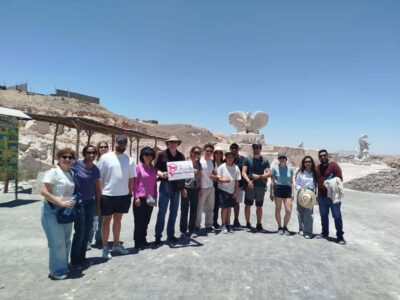
Hike to the Ruta del Sillar and Culebrillas in Arequipa
Read our review →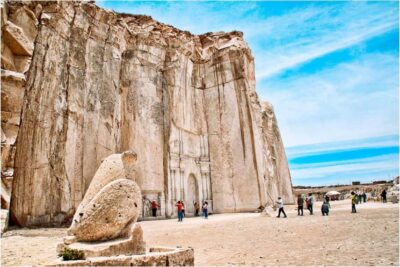
Route of the Sillar | Quarries of Añashuaycos | Half day
Read our review →
Excursion to the Sillar Route with Walk in Culebrillas
Read our review →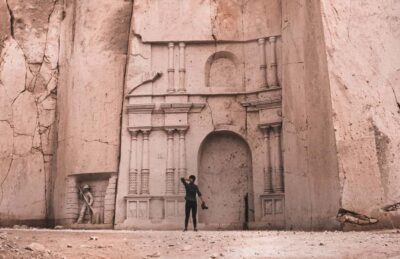
Browse the lists this tour appears in