
Reviewed · MACHU PICCHU
4-Day Lares Trek to Machu Picchu from Cusco
This is interesting because you trade the usual jump-off-your-bus-and-queue line for a real high-altitude trek, then you finish with an early-morning visit to Machu Picchu while the mist is still doing its thing. I really like the small-group size (max 15, avg around 4) and the fact that the trek is led by a local bilingual guide, like Percy, who was described as experienced, funny, helpful, and with very good English. One consideration: you are walking a lot on steep days at around 4,000m plus, so this is not a casual stroll.
If you want value, this tour bundles the hard parts for you: transport from Cusco, camping setup, a 3-star hotel in Aguas Calientes, train tickets, and the Machu Picchu guided visit. The itinerary is structured so you end the trek with the right kind of energy for an early bus and a focused 2-hour site walk. The one catch is planning for optional hikes like Huayna Picchu, because those extra tickets have to be secured ahead of time.
Key things to know before you go
- Small group feel: Max 15, average around 4, so you spend less time herding and more time walking and asking questions.
- Local leadership: You’re guided by a professional bilingual guide during the trek and at Machu Picchu, with a guide quality level highlighted by Percy’s performance.
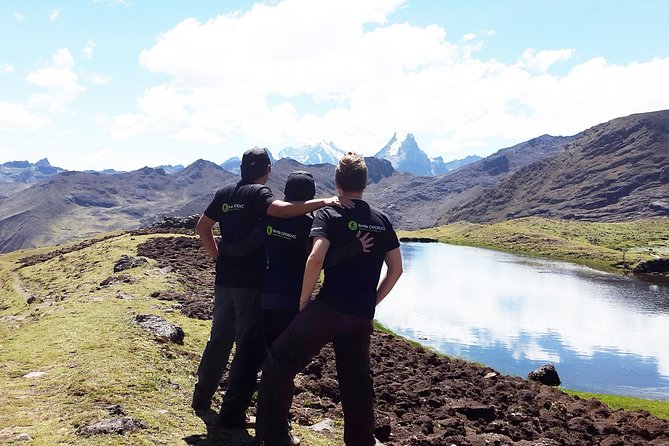
- Altitude route with passes and lakes: Ipsayccocha Pass sits at about 4,400m, and you get lunch by a lake on day 2.
- Camping with real support: Tents and basic sleeping mats are included, plus horses handle cooking and camping gear so your pack stays reasonable.
- Early Machu Picchu timing: You catch a first bus around 05:30 to see the ruins in early light.
- Food that works on the trail: Full meals are included, with vegetarian options available if you request ahead.
Why the Lares route feels more human than a straight Machu Picchu day trip
Machu Picchu is the headline, but what you do on the way matters just as much. The Lares Trek takes you through mountain communities, farmland, and high passes where you can actually see daily life, not just scenery from a bus window. It also means your arrival at Machu Picchu does not feel like you popped out of a hotel elevator and into a museum crowd. It feels earned.
This is also a good match if you like your big moments explained. Your guide handles the 2-hour walking tour at Machu Picchu, so you’re not just scanning for photo angles. You get context for what you’re seeing, plus time afterward to wander at your own pace.
One more reason this works: the tour keeps the group small. In places like Lares, a bigger group can slow everything down, from pace to rest stops to how much your guide can tailor answers. Here, you’re more likely to feel like you’re part of a team.
More Hiking & Trekking in Cusco
- Classic Inca Trail Trek 4D/3N to Machu Picchu (Group Service)
★ 5.0 · 8,653 reviews - Machu Picchu: 4-Day Inca Trail Trek with Panoramic Train Ride
★ 5.0 · 4,568 reviews - Salkantay Classic Trek 5 Days from Cusco
★ 5.0 · 4,062 reviews
Cusco to Lares Town: the morning start and hot springs option
On day 1, you get picked up in Cusco around 6:00 am and transferred by bus to Lares Town, about 2,900m. This early departure is typical for trek schedules, but it also helps you avoid a half-day of wasted waiting. By the time you start walking, you’re already warmed up by altitude and rhythm.
In Lares Town, you’ll have time to soak in the hot springs if you want. They cost extra (10 soles). I like this option because it gives you a low-effort reset before the climb. It also helps with first-day leg stiffness, which you will appreciate later when the trail gets steeper.
Even if you skip the hot springs, the key thing is this: day 1 is where you establish your pace. Your guide will guide you through the early zigzag climb, so you do not need to gamble on the pace yourself.
Day 1 to Wakawasi (around 14km): climbing with glacier views and community nights
Day 1 includes a trek of about 6 hours and roughly 14km. You climb from Lares Town up toward Wakawasi community at around 3,850m. The route is a zigzag climb, which is exactly what you want on a steep day: switchbacks that help you manage breath and footing.
You’re also walking through a landscape of contrasts. Expect views that can include glaciers in the distance, plus wildlife and local community areas along the way. This is not just “pretty photos.” You’re moving through a working region, and that changes the vibe.
The end point, Wakawasi, is where you camp. This matters because camping here is not just a logistics box. It’s part of the connection to the community, including the chance to meet local families living in harmony with nature. You also get that first real taste of trekking at altitude, since sleeping at 3,850m is a different feeling than sleeping in Cusco.
Logistics you should know:
- Camping is included for night 1, with a basic sleeping mattress and tent setup for two people.
- If you’re a solo traveler, tent sharing is part of the setup for days 1 and 2.
Day 2 over Ipsayccocha Pass to Patacancha (around 15km): the hardest day, with a lake break
Day 2 is your big altitude push. You start with about 4 hours uphill to Ipsayccocha Pass, around 4,400m. That elevation is real. If you’ve never experienced a high pass, keep this in mind: the goal is steady breathing and careful steps, not speed.
Then you get about a 40-minute downhill walk to your lunch stop next to the lake. This is the mental and physical break that keeps the day from feeling like a nonstop grind. After lunch, you walk for about 3 more hours to Patacancha town around 3,800m.
Your camping location on night 2 is one of the most memorable parts of the route. You camp surrounded by llamas and alpacas, with native crop plantations nearby. I like these details because they signal you’re not camping in some generic staging area. You’re sleeping in a lived-in place where animals and fields are part of the background.
Day 2 is listed as roughly 8 hours and about 15km. If you’re someone who does better on a “painful but brief” day, plan for the opposite. This is more of a long effort with altitude and a pass. Bring your patience, and you’ll get rewarded.
More Lares treks:
- Lares Valley Trek with Hot Spring 4-Day, 3-Night
★ 5.0 · 656 reviews - Lares Trek to Machu Picchu 4D/3N Including Hot Springs
★ 5.0 · 499 reviews - Lares Trek to Machu Picchu 4 days with Panoramic Train
★ 5.0 · 298 reviews - Lares Trek to Machu Picchu 4 Days
★ 5.0 · 68 reviews
Day 3: the transition day from Patacancha to Ollantaytambo, then train to Aguas Calientes
Day 3 is built to ease you into Machu Picchu mode. You start at Patacancha around 3,800m and trek about 4 hours to Ollantaytambo. There’s lunch in Ollantaytambo, and then you hop on the train to Aguas Calientes, where you sleep overnight in a 3-star hotel.
This “walk to the train” rhythm is smart. It prevents the classic problem where you arrive at the sacred site exhausted and cranky from a too-long last-day hike. Here, you still walk, but you also get a proper transition into the Machu Picchu logistics flow.
Aguas Calientes is a practical base. If you have time after settling in, the town has internet cafes, shops, and places to relax. It’s also where your guide gives you indications for the next day, including how to handle timing for Machu Picchu.
This is also a good night for quick planning: decide if you want to attempt Huayna Picchu, check what you need for the morning, and manage your energy like you would for any big event.
Day 4: the 05:30 bus to Machu Picchu and a 2-hour guided walk
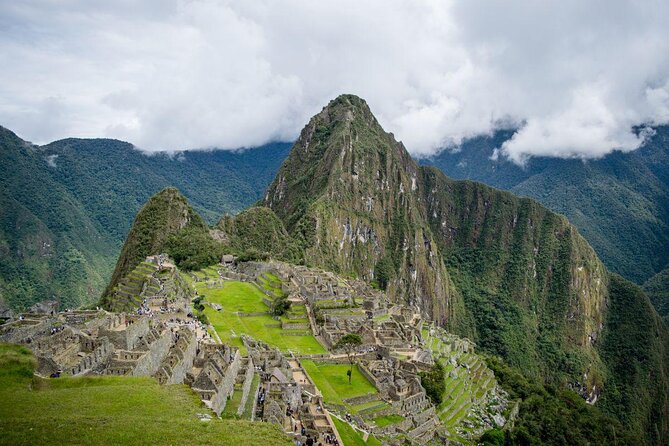
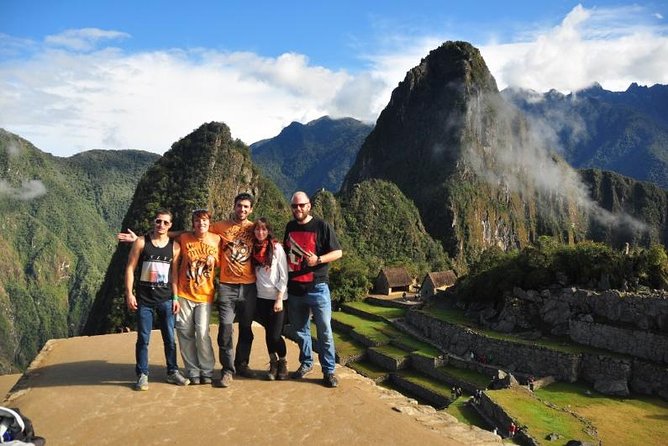
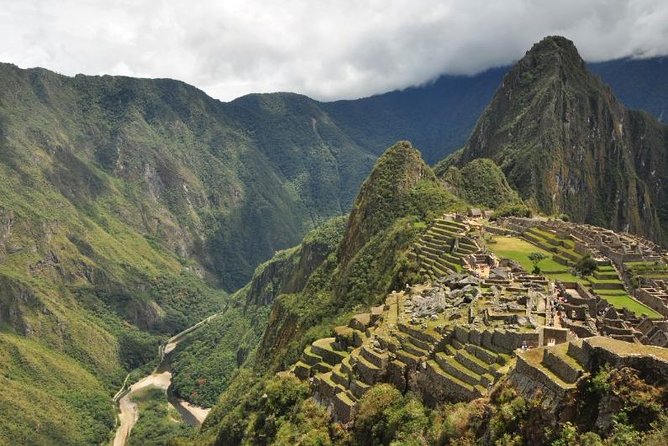
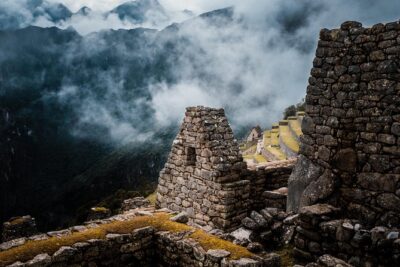
Day 4 starts early on purpose. You catch one of the first buses to Machu Picchu, around 05:30, with about a 25-minute ride. The payoff is that you’re there early enough to see the ruins when the mist dissipates in early morning light.
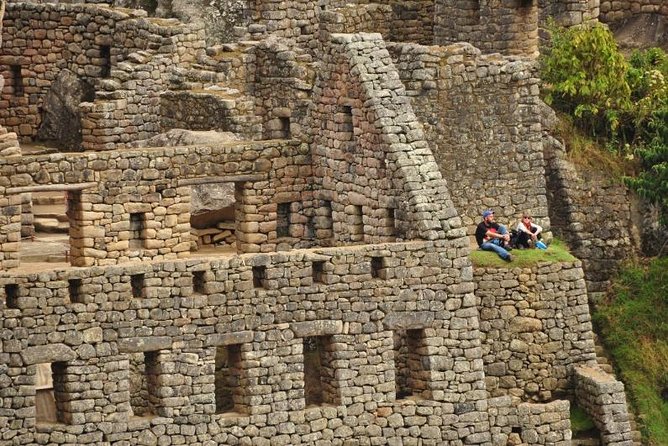
Your guided portion is about 2 hours. You’ll walk through the most important parts of Machu Picchu with your guide and cover the history and meaning of the site. This is a big value point. Without a guide, Machu Picchu can feel like a cool set of stones with great views. With a guide, it becomes a coherent place with a story.
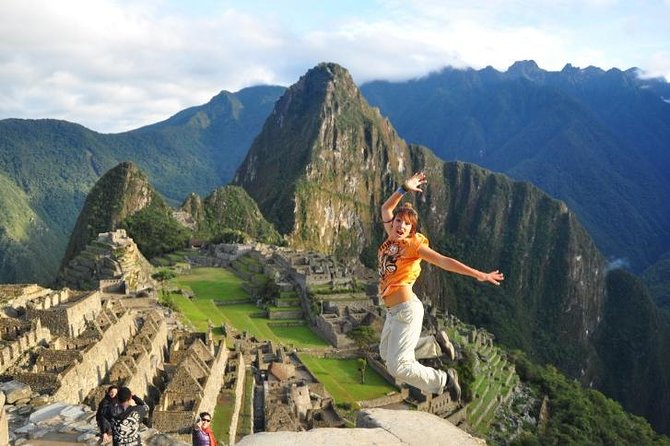
After the guided walk, you get free time to explore on your own and take pictures without feeling rushed. This free time is key. Some people want to just look. Others want to test their best angles again and again. You can do that.
If you have energy and like a challenge, there’s an optional hike up Huayna Picchu. It takes about 45 to 60 minutes and can be muddy. The important catch is ticket access: you must purchase passes at least 2 weeks in advance for an additional cost. There are 400 passes total, 200 for the 7:00 am slot and 200 for the 10:00 am slot. Your tour team can guide you on requesting the extra ticket by email.
After the site visit, you ride the bus back down to Aguas Calientes. There’s time to visit the local marketplace next to the train station. You can shop until the train whistle blows, signaling your return to Ollantaytambo. Then you take the bus back to Cusco, arriving around 08:00 pm and getting dropped at Plaza San Francisco, where you handle your own transfer to your accommodation.
How the small-group setup, camping gear, and horses affect how you feel on the trail
This tour is doing something many “adventure” trips forget: it reduces your decision load. You’re not figuring out gear hauling, meals logistics, or campsite setup. That is huge when you’re already managing altitude.
Here’s what’s included that makes a difference day to day:
- Camping equipment: tents and basic sleeping mattresses are included.
- Horses for gear: horses carry cooking and camping equipment plus a total of 7 kilos of load for each trekker for the first 3 days. That total includes 2.5 kilos for your sleeping bag and mattress plus 2.5 kilos for your personal items.
- Cooking and camp support: a cook handles meal prep and serving for the group.
- First aid kit and emergency oxygen: included for safety.
The “horses plus limited personal load” system is one of the reasons this trek is approachable for travelers with moderate fitness. You still hike, but you’re not hauling everything on your back from scratch. That keeps the trek from feeling like a survival expedition.
Small group size also affects your day in quieter ways. You tend to get more thoughtful pacing, more chance to ask questions, and less time stuck behind someone’s slow turns on steep sections.
And yes, food matters up here. The meals are fresh, prepared during the trip, with vegetarian options available if you request ahead.
Meals and vegetarian options: what you’ll actually be eating
On the trek, meals include breakfasts, lunches, dinners, plus snacks. A vegetarian option is available for every meal if you request at least 2 days in advance.
The tour provides a typical variety of Andean staples and comfort food, which is exactly what you want when your body is burning calories and your appetite is both hungry and weird at altitude. Expect items like hot porridge for breakfast, quinoa or oats, eggs, pancakes at times, and fruit like fried bananas. For lunch and dinner, you’ll see soups like vegetable or mushroom options, then second courses that can include chicken or beef stews, plus grain dishes and pasta.
There are also desserts and snacks, including things like fried plantains and chocolate cake. That matters more than you might think. Sugar and calories can be the difference between feeling drained and feeling steady on a long day.
One practical note: bottled water and day 1 breakfast and day 4 lunch are not included. Plan to budget for water as needed. You’ll also likely want extra cash for trail snacks, since some items can cost more in the mountains.
Price and value: what $847 covers, and what you should budget for separately
At $847 per person for a 4-day itinerary, this is not the cheapest way to do Machu Picchu. But it’s also not just “transport plus a name-brand destination.” This price bundles a lot of real costs.
What you get that adds value:
- Guides: professional bilingual guide for the trek and the Machu Picchu walking tour.
- Transport: bus transfers from Cusco to the trek start, train Ollantaytambo to Aguas Calientes, bus back to Cusco.
- Lodging: camping nights plus a 3-star hotel in Aguas Calientes.
- Meals and snacks: multiple full meals each day, including vegetarian options.
- Camp setup support: tents, basic mattresses, cook, plus horse support for carrying gear.
What you should plan to spend beyond the tour:
- Sleeping bag rental: $15 USD for the trek.
- Hot springs in Lares Town: 10 soles.
- Optional hikes: Huayna Picchu requires extra tickets and advance booking.
- Tips: optional, but commonly expected, and the tour provides recommended guidance.
- Bottled water and some meals outside the listed inclusions.
When you compare it to doing Machu Picchu on your own, the math can flip fast. You’d still need the same transport pieces, some lodging, and a guide for the trek logistics. Here, you’re paying for coordination, reduced risk, and support.
Practical tips so you enjoy it, not just survive it
Altitude is the main thing to respect. The trek spends time around 3,800m to 4,400m. The tour also emphasizes that it’s difficult and you need good physical conditions. That doesn’t mean you must be an elite hiker. It does mean you should be honest about your stamina.
My best advice:
- Bring warm clothes. Daytime can feel tolerable, but nights and passes get cold fast.
- Consider trekking poles. They can help on uneven ground, especially for long downhill sections.
- Pack rain gear. Rain ponchos and rain pants help you stay moving, not stuck.
- Plan for limited electricity during the trek. Bring a charged phone and keep camera batteries ready.
The tour suggests a packing list including hiking poles, rain pants, rain poncho, trekking boots, warm socks, sweater, thermals, hat and gloves, sun protection, flashlight/torch, waterproof bag for your camera, hand sanitizer, and a personal first aid kit. Also bring your original passport and insurance card, plus any personal medications you rely on.
If you want the hot springs, bring a bathing suit.
For Huayna Picchu, remember the extra ticket must be arranged at least 2 weeks ahead if you want to hike it.
Finally, go easy on your day 4 pace. You’ll hike the site, then possibly climb Huayna Picchu. Save the “I must do everything” attitude for a different trip.
Should you book the 4-Day Lares Trek to Machu Picchu from Cusco?
Book this if you want the full Machu Picchu payoff but also crave a real mountain journey to get there. The small group, the presence of a strong local bilingual guide, and the practical support like horses and camp organization make it feel doable without turning it into a comfort-only tour. I also think it’s a great fit if you care about learning as you walk, since the Machu Picchu portion is a guided 2-hour visit.
Skip it or rethink if you know your body struggles at altitude, or if you only want a light, sightseeing-style experience. Day 2 includes a high pass around 4,400m, and the itinerary is demanding by design. You’ll have a better time if you can handle long walks in cold air.
If you’re booking, decide early about Huayna Picchu because the passes are limited and require planning.
FAQ
What is included in the Machu Picchu guided visit?
You get a 2-hour guided walking tour at Machu Picchu, covering the most important sites and the history of the place, followed by free time to explore on your own.
Is vegetarian food available on the trek?
Yes. Vegetarian options are available for every meal if you request prior to departure (at least 2 days in advance).
Do I need to bring a sleeping bag?
A sleeping bag is not included. You can rent one for $15 USD for the trek.
How big are the groups?
The tour has a maximum of 15 travelers, with an average group size of about 4.
What time do you go to Machu Picchu on the last day?
You catch one of the first buses to Machu Picchu at about 05:30 am.
Can I do Huayna Picchu?
Yes, it’s optional. You must book the Huayna Picchu pass at least 2 weeks in advance, and it costs extra.
Are there guides for the bus and train transfers?
You have a guide during the trek and the Machu Picchu tour. During bus and train transfers, you are on your own for those portions.
What level of fitness is required?
This hike is described as difficult, with most hiking at high altitudes around 4,000 meters. Good physical conditions are needed.
Where do you get dropped off after the trip ends in Cusco?
After returning around 08:00 pm, you are dropped off at Plaza San Francisco in Cusco.
More Ways to Reach Machu Picchu
- Short Inca Trail to Machu Picchu 2D/1N
★ 5.0 · 3,007 reviews - 2-Day Inca Trail to Machu Picchu with Panoramic Train
★ 5.0 · 1,876 reviews - From Cusco: Full-Day Group Tour of Machu Picchu
★ 4.7 · 1,767 reviews - Machu Picchu Day Trip from Cusco
★ 4.5 · 1,644 reviews
Recently reviewed around Cusco
- Cusco Cooking Class by ChocoMuseo in Cusco★ 5.0 · 29 reviews
- ATV Adventure to Moray and Maras Salt Mines – Half Day★ 4.5 · 29 reviews
- 1-day excursion to Machu Picchu from Cusco★ 5.0 · 29 reviews
- Private Tour Sacred Valley, Chinchero, Maras Moray, Ollantaytambo★ 5.0 · 29 reviews
- From Cusco: Humantay Lake with Breakfast and Buffet Lunch★ 4.5 · 29 reviews
- 4 Day – Inca Jungle to Machu Picchu★ 5.0 · 29 reviews
- 2-Day Machu Picchu Tour by Train from Cusco★ 4.5 · 29 reviews
- 2-Day Sacred Valley and Machu Picchu Tour By Train★ 4.5 · 29 reviews
Machu Picchu, compared.
Classic Inca Trail Trek 4D/3N to Machu Picchu (Group Service)
Read our review →
4-Day Inca Trail Trek with Panoramic Train Ride
Read our review →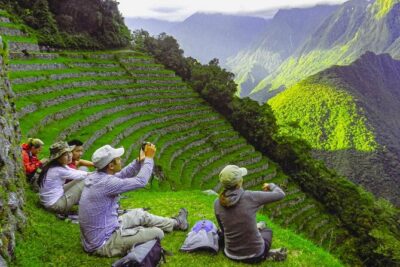
2-Day Inca Trail to Machu Picchu with Panoramic Train
Read our review →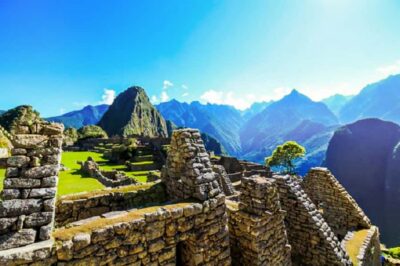
2-Day Tour: Sacred Valley and Machu Picchu by Train
Read our review →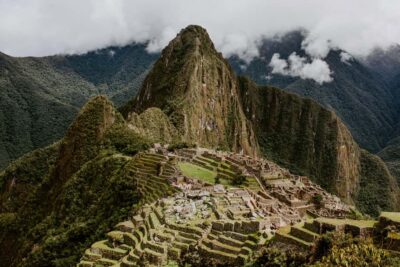
Browse the lists this tour appears in