
Reviewed · CITY TOURS
Cusco City Tour Half-Day Group Tour
What makes this half-day Cusco city tour interesting is that it links major sacred sites into a route that feels like a quick history lesson you can walk. I love getting street time in San Blas, because it slows the day down just enough to see Cusco as a living city.
I also like the way the guide helps you practice tricky Quechua words, then explains how Inca beliefs show up inside local Catholic traditions. That combination makes the monuments feel less like distant ruins and more like part of everyday Cusco.
The main thing to plan for is the cost of entrances and the pace. The base price is $18, but you’ll still pay for the Boleto Turistico and separate tickets for the cathedral and Qorikancha, and the schedule is packed, especially at high altitude.
Key things to know before you go
- Small group size (max 18 travelers), which usually makes it easier to hear your guide.
- Hotel pickup and drop-off near or at your place, so you do not have to coordinate transit on Day 1.
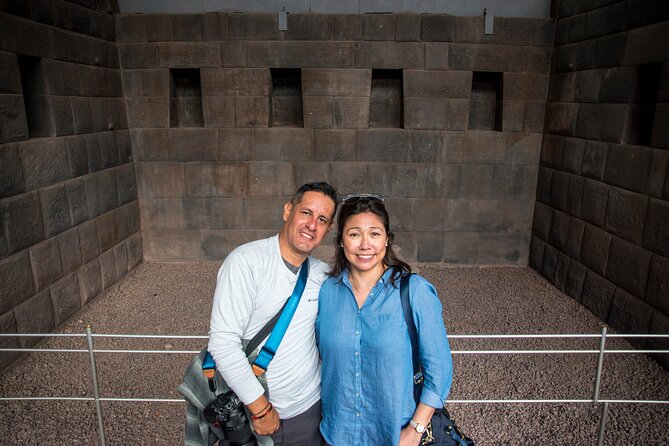
- Inca and Catholic mix, explained in plain language at stops tied to Qorikancha.
- San Blas walking time, so you get more than a photo sprint between gates.
- Quechua pronunciation practice, a fun extra that makes the history stick.
- Fast pace over 5 to 6 hours, good for orientation, not ideal if you want slow wandering.
Why this Cusco half-day route feels like a timeline
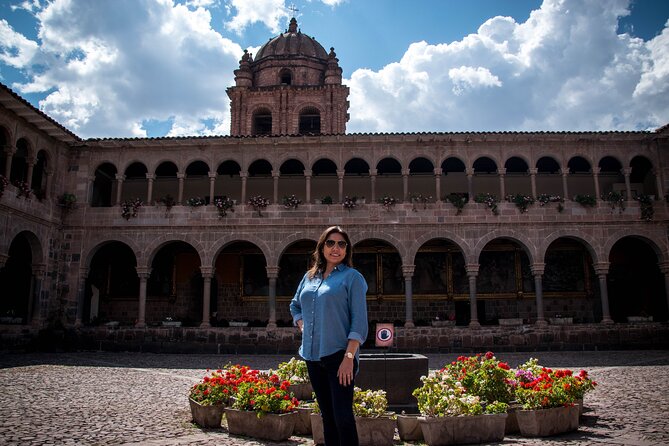
Cusco is one of those places where you can’t really separate “Inca” from “Spanish,” because the city grew on top of older sacred meaning. This tour leans into that reality. You start with the Cusco Cathedral, then move toward Qorikancha, and from there into major ruins around town, with walking plus bus time that keeps you moving.
If you have limited time, this is a smart way to get oriented fast. You learn where the major sights sit, how the neighborhoods connect, and what the big sites are trying to communicate. You also get a chance to compare what you see: church art and styles one minute, massive Inca stonework the next.
The walk through San Blas is a big reason I like this format. It is not just another “stand here, take the picture” stop. The point is to show you what Cusco feels like between the monuments.
More City Tours in Cusco
- Cusco: Half-Day City Tour with Sacsayhuaman and Q’enco
★ 4.6 · 1,129 reviews - City Tour Cusco Qoricancha Sacsayhuaman y Tambomachay
★ 4.7 · 617 reviews - Cusco City Tour Four Ruins in Half-Day
★ 5.0 · 530 reviews
Price and logistics: the real budget math (tickets matter)
On paper, the tour is $18 per person, lasting about 5 to 6 hours. The included value is solid: a local guide (English or Spanish), a tour bus, and hotel pickup and drop-off near or at your hotel.
But you should budget for entrance fees. The tour does not include:
- Boleto Turistico: S/70, or S/130 if you are doing Sacred Valley and Maras Moray tours
- Cusco Cathedral ticket: S/25
- Qoricancha ticket: S/15
- Tips
So yes, this can still be a bargain compared to private guiding. But it is not truly “all-in” at $18. If you want a smooth day, plan on pulling some cash or having soles ready before you arrive at the gates.
One more practical note: this is a group tour with a max of 18. That is small enough to feel personal, but it still means you move as a unit. Expect timing that is designed to fit multiple stops, not to linger at one wall because you love that wall.
Pickup that can make or break your morning
Cusco tours usually start with pickup, and this one does too. You get hotel pickup and drop-off near or at your hotel, and the route uses a tour bus.
Even with that, there can be a little chaos. In one experience with this style of operation, pickup was late and there was limited back-and-forth communication at the start. The safest approach is simple:
- Double-check the pickup window the day before.
- Be ready a bit early with your phone charged.
- If you do not speak Spanish well, have the reservation details on your screen so the pickup point is crystal clear.
If you want extra confidence, ask your hotel to help you confirm the exact pickup spot at curb level. In Cusco, that small step can save you from wandering around the wrong corner.
The group guide factor: English, Spanish, and what to ask
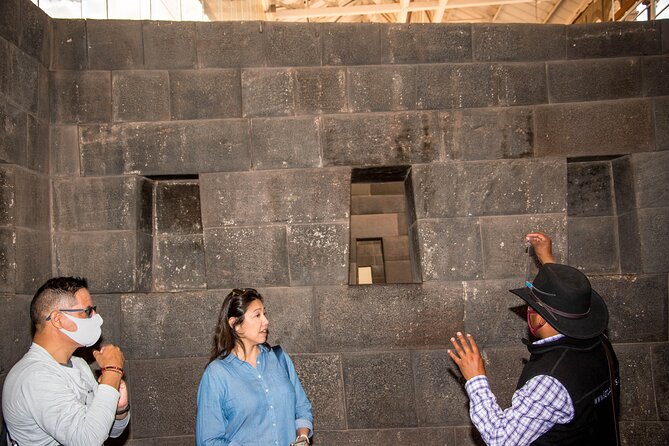
Your guide is listed as local English- or Spanish-speaking. That sounds straightforward, but Cusco is full of mixed-language group dynamics. One guide named Romolo came up in a similar tour context as a professor who explains Peru history with a strong voice for the group. If you get a guide like that, you’re in good shape.
Still, if your goal is to understand every sentence in English, ask a direct question when booking:
- Will this group be fully English, or mixed English and Spanish?
- If it is mixed, will key explanations be repeated or translated?
It is not that translation never happens, but you should not assume it will cover everything equally. If you plan for that, you can enjoy the tour for what it is: guided orientation plus cultural context.
More Half-Day Tours in Cusco
- Cusco: City Tour | Half-Day Tour to 4 Archaeological Sites
★ 4.6 · 206 reviews - Cusco: Half-Day City Tour
★ 4.2 · 129 reviews - From Cusco: Moray, Maras Salt Mines & Chinchero Weavers Half-Day
★ 5.0 · 126 reviews - Cusco: Half-Day Horseback Riding at Devil’s Balcony
★ 4.9 · 89 reviews
Stop 1: Cusco Cathedral, art styles you can actually notice
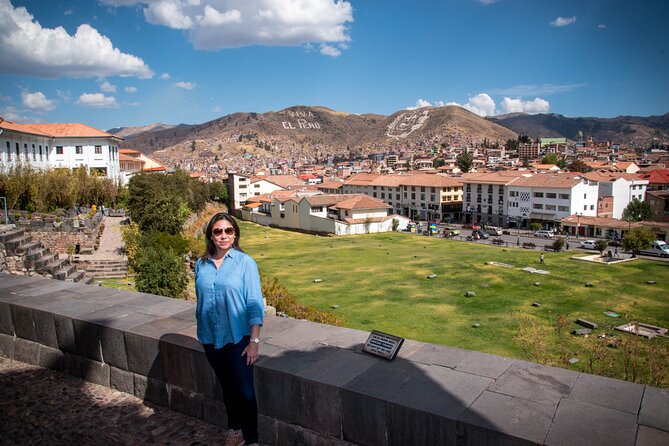
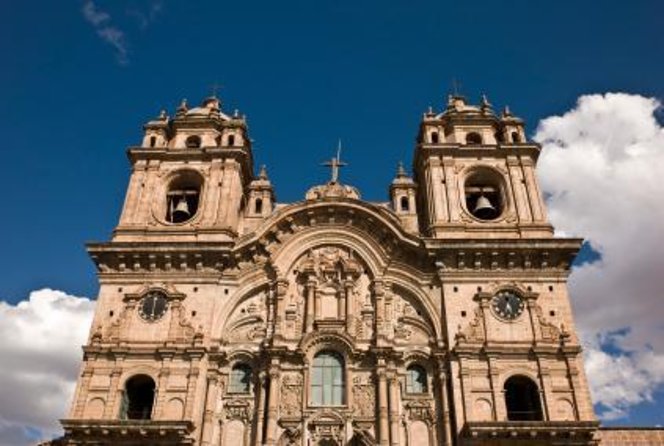
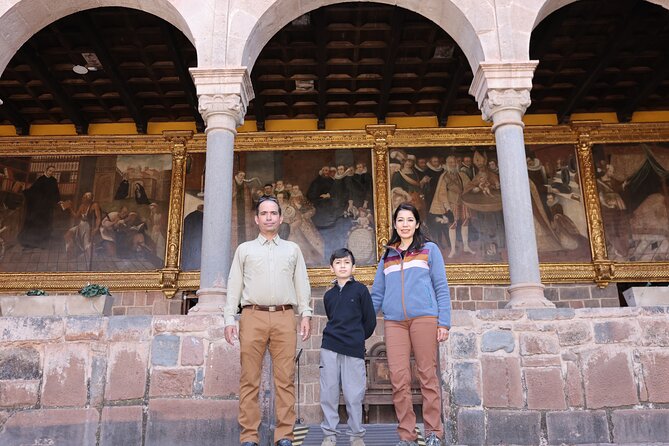
The tour starts at Cusco Cathedral. You get about 30 minutes there, and the ticket is not included (listed as S/25).
This is not just a quick photo stop. The cathedral is known for a mix of architectural influences, including Renaissance, baroque, and neoclassical details. The tour also points you toward artwork from the Cusqueña school, with specific mention of canvases by Diego Quispe Tito.
In a time-limited stop, the best move is to pick two or three things you want to look for before you enter, like:
- a type of ceiling or façade detail that matches baroque style
- an example of religious painting connected to the Cusqueña tradition
- any place your guide calls out by name
Thirty minutes goes fast. If you usually want slow museum pacing, you may feel a little rushed. If you want a cultural primer that connects art to history, it works well.
Stop 2: Qorikancha, where Inca meaning meets Catholic worship
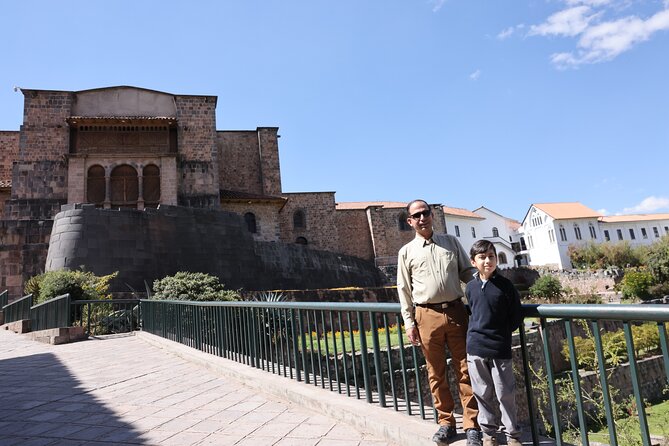
Next up is Qorikancha, with about 40 minutes allotted. The Qoricancha ticket is not included (listed as S/15).
This stop matters because it is where you can see how older sacred spaces were reworked under Spanish influence. The tour highlights the idea that Inca religion got incorporated into local Catholicism. Your guide should help you connect what you see on the ground with what the site meant in earlier times.
Even if you are not an archaeology nerd, this is a good place to practice your attention. Look at how the structures relate to each other, and listen for explanations about why this location mattered. When guides explain symbolism in plain words, you usually end up remembering the concept, not just the walls.
One more thing: Qorikancha is a busy site, and you are also navigating a schedule. If you want your best photos, aim to take them early in your time window before the crowd thickens.
Stop 3: Sacsayhuaman, the stones that do the talking
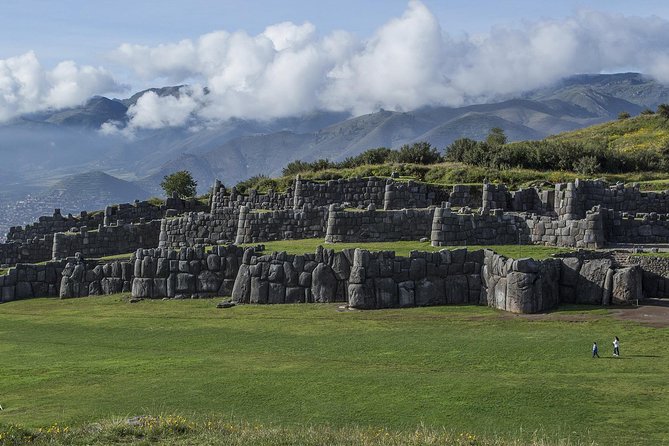
You then head to Sacsayhuaman for about 40 minutes. Entrance is not included (and tickets are managed through the broader tourist ticket, depending on what you buy).
The highlight here is the sheer scale of the stones. The tour description calls out rocks over 100 tons each. That is one of those numbers your brain wants to question, and then your eyes finally stop arguing when you stand in the place.
This stop works best when you treat it like a story. Your guide should connect:
- what you see in the ruins
- why the site was important
- how Inca culture and later changes shaped the meaning of the space
Also, Sacsayhuaman is high. Even fit people can feel the altitude if they have not acclimated. If you are arriving fresh to Cusco, consider keeping the rest of your day gentle. This tour is a lot of movement and a lot of sitting, which can still hit hard if you are altitude-sensitive.
Stop 4: Qenqo, Puka Pukara, and Tambomachay, the water and altars stop
After Sacsayhuaman, the itinerary describes a short drive to Qenqo and then stops at Puka Pukara and Tambomachay. The total time listed is about 30 minutes, so you’re not going to get long-form explanations at each place.
Here is what to expect based on the tour framing:
- You’ll see Qenqo’s altar, described as magical in tone, and your guide should explain why people visited sites like this.
- You’ll pass by Puka Pukara, the red fort.
- You’ll end at Tambomachay, described as the Temple of Water.
In a short visit, the most useful strategy is to focus on one question: What did each place do for the people who built it? If your guide helps you answer that, the stop turns from rushed sightseeing into a set of connected ideas.
If you are prone to altitude sickness, these quick stops can still be tough. Take slow breaths, sip water, and do not sprint uphill just because it feels like you have to. The schedule is packed, but you do not have to make it harder than it already is.
San Blas: the neighborhood walk that makes Cusco feel real
The highlights list includes time to wander San Blas, one of Cusco’s most famous districts. Even though the formal stop list does not spell out an exact minute count, you should expect a walking segment built into the route.
This is a chance to see the city at human speed. You can look at crafts, street life, and the way buildings hug the hillside. It also gives your brain a break from ruins and ticket lines.
In my view, this is what turns the tour from “a list of sights” into something more useful: it teaches you how Cusco fits together. After this, you’ll usually find it easier to plan the rest of your trip, like where to return for dinner or where to start a self-guided walk.
Quechua pronunciation practice: a small activity with big payoff
One of the neat extras is that your guide teaches you to pronounce challenging Quechua words. This is not academic trivia. It is a practical way to connect with locals and make place names easier to remember.
When you know how to say a name, you can:
- recognize it faster on signs
- order food and ask for directions with less confusion
- feel more confident reading the story of the site
Even if you only catch a few words, it gives you a thread you can carry through the rest of your Cusco days. Guides who do this well often turn into mini-language teachers for the group.
Pacing and altitude: when fast is good, and when it hurts
This tour is built as an efficient loop, and that means it can feel fast-paced. You have multiple sites in a half-day window, plus ticket checks and a bit of walking. The upside is you get a lot of context quickly.
The downside is that it might not match your preferred travel style if you like slow detail. One person noted that even being in decent shape, altitude sickness showed up. That is a reminder that Cusco is not just about fitness, it is about physiology.
If you are arriving from sea level and you have the choice, I’d lean toward scheduling a tour like this on your second day in Cusco, not your first. If you do book it for Day 1, plan to take it easy afterward, and do not stack a hike later that afternoon.
Also, bring emergency money, just in case you need cash for entrances, snacks, or a last-minute taxi back.
What to bring so the day feels easy
The tour recommends a solid practical packing list. I’d follow it closely:
- Tourist ticket (not included), bought at the archaeological centers
- Passport or current identity document
- Small backpack with a water bottle and snacks
- Extra soles for souvenirs
- Hat or cap, sunglasses, sunscreen
- Comfortable sneakers
- Light and warm clothes
- Waterproof jacket or rain poncho if you’re visiting October to March
- Camera and extra batteries
This is especially important because you are in and out of different sites and you likely will not want to search for basics mid-route.
How much value is $18, once you add tickets?
The base price is attractive because it covers the hard parts: a guide plus transportation plus hotel pickup. You are basically paying for access and interpretation.
Then the paid admissions layer hits. Cathedral and Qorikancha have listed prices, and the Boleto Turistico is a bigger line item. Still, compared to hiring a private guide for the entire arc of Cusco, it often works out well if your goal is orientation and high-level context.
To judge value, ask yourself this:
- Do I want multiple “big name” stops in one morning?
- Do I want someone to explain why these places matter?
- Am I okay with entrances not being included?
If yes, it’s good value. If you only care about one or two sites and hate paying extra at each gate, you might prefer a simpler self-guided plan.
Should you book this Cusco City Tour half-day group tour?
Book it if you want a quick Cusco orientation, like Inca and Catholic connections explained clearly, and you are happy to move at a group pace. It is also a great fit if you like neighborhoods, since San Blas is part of the experience, not just an add-on.
Skip or reconsider if you:
- need a fully English tour with every detail repeated
- want long time inside major sites like cathedrals
- know altitude hits you hard and you are arriving fresh to Cusco
If you do book, do two things that pay off instantly: budget for the Boleto Turistico and tickets, and plan your day so you are not doing heavy hikes the same afternoon. That turns a busy half-day into a genuinely satisfying Cusco introduction.
FAQ
What is the duration of the Cusco City Tour?
It runs about 5 to 6 hours.
How much does the tour cost?
It costs $18.00 per person.
What is included in the price?
You get a local English- or Spanish-speaking guide, a tour bus, and hotel pickup and drop-off near or at your hotel.
Do I need to buy the Boleto Turistico?
Yes. The Boleto Turistico is not included in the price.
Are tickets for Cusco Cathedral and Qorikancha included?
No. The Cusco Cathedral ticket is listed separately, and the Qoricancha ticket is listed separately.
How much are the entrance tickets?
The Boleto Turistico is listed as S/70, or S/130 for the Sacred Valley and Maras Moray tours. The Cusco Cathedral is listed as S/25, and Qoricancha is listed as S/15.
What is the maximum group size?
The tour has a maximum of 18 travelers.
Do I need to bring identification?
Yes. You should bring a passport or current identity document.
What is the cancellation policy?
Free cancellation is available, as long as you cancel at least 24 hours before the experience’s start time for a full refund.
Recently reviewed around Cusco
- 6-Day ||All Included|| Excursion – MachuPichu & Rainbow Mountain-Humantay Lake★ 4.5 · 8 reviews
- Horseback Riding thru the Mountains of Cusco★ 5.0 · 8 reviews
- Cuzco City Tour and Archaeological Ruins in Half Day★ 5.0 · 8 reviews
- Full Day – Rainbow Mountain tour – Group Service★ 5.0 · 8 reviews
- Half Day Tour in Cusco: Exploring the City and Four Ruins★ 4.5 · 8 reviews
- Machu Picchu and Sacred Valley 2 Day Tour★ 5.0 · 8 reviews
- Cusco 4 Days Machu Picchu and Sacred Valley | All included★ 5.0 · 8 reviews
- City Tour Cusco With Qoricancha and 4 Ruins★ 5.0 · 8 reviews
City Tours, compared.
Lima Half-Day City Walking Tour (Small Groups)
Read our review →
Half-Day City Tour with Sacsayhuaman and Q’enco
Read our review →
City Tour Panoramic Bus Departure From Larcomar
Read our review →
City Tour Cusco Qoricancha Sacsayhuaman y Tambomachay
Read our review →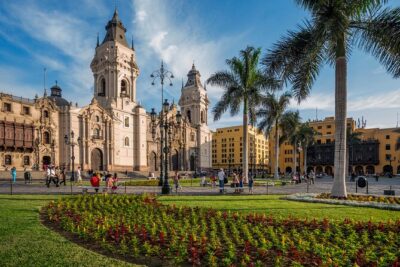
Lima’s lively Heritage: Exploring the City’s Landmarks Half-day
Read our review →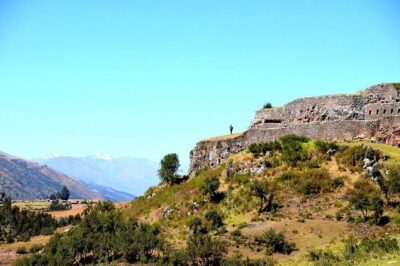
Sightseeing Tour of the City on an Open-Top Bus
Read our review →
Lima City, Central Market & Catacombs Tour (Pick-up & Drop Off)
Read our review →Browse the lists this tour appears in