
Reviewed · MACHU PICCHU
Lares Trek to Machu Picchu 4 days with Panoramic Train
This Lares Trek to Machu Picchu works because it mixes real hiking time with the payoff day, sunrise at Machu Picchu, then a return on the Vistadome panoramic train. I love that the group stays small, so you get actual hands-on help, not just a stamp-and-go schedule.
I also like the route choice. It avoids the biggest Inca trail and Salkantay crowds, and swaps in quieter stops like Lares hot springs, a women-led weaving co-op, and the lesser-known Inca terraces of Ancasmarka. One consideration is the altitude and the early schedule, with a 4:30 am start and a high point at Condor Pass (4,750 m).
Key highlights to know before you go
- Sunrise Machu Picchu access plus a guided walk focused on how the Incas lived, built, and used the space
- Less-crowded trek route that trades famous trails for community and mountain scenery
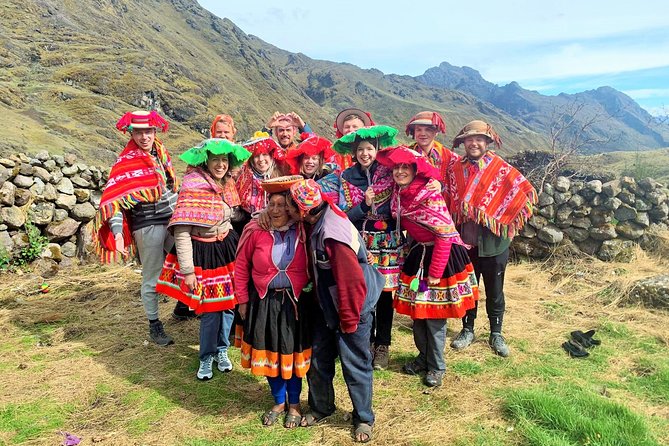
- Lares hot springs break followed by a visit to natural dyes and backstrap weaving traditions
- Condor Pass and Apus offering moment at the trek’s highest point, with coca tea to celebrate
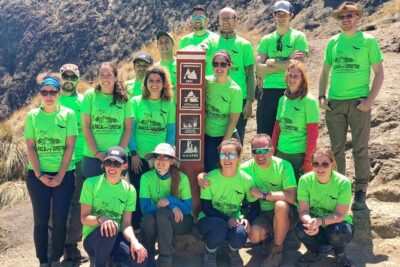
- Small group size (max 16) for better pacing, clearer instructions, and more guide attention
- Vistadome panoramic train return that turns the long travel day into something you can enjoy
Why the Lares route to Machu Picchu feels different
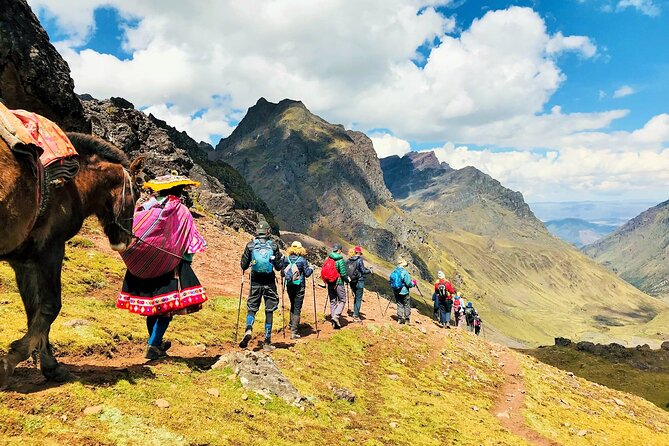
Most Machu Picchu trips are built around one thing: getting you there. This one is built around the journey too. You start in Cusco, then work your way through smaller communities and high Andean passes, finishing with the sunrise experience at Machu Picchu.
That sounds lofty, but the practical payoff is simple. By the time you reach Machu Picchu, you have already built altitude awareness, rhythm, and confidence. You also avoid the crush that forms on the most famous trekking corridors. If you want Machu Picchu without spending your whole week elbowing your way through other tour groups, this routing makes a real difference.
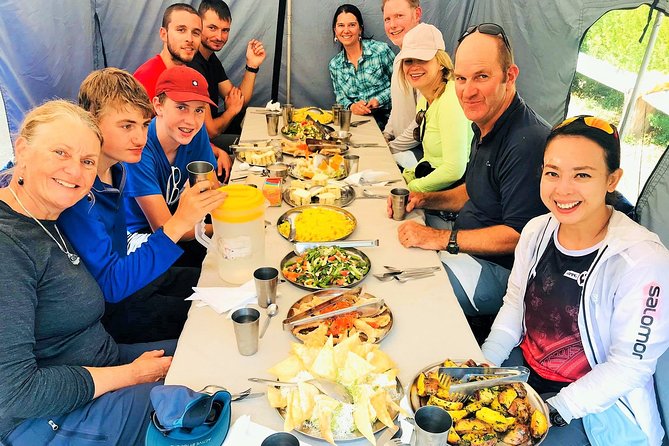
Another plus is team structure. You are not just assigned a guide. You travel with a full support crew concept, including muleteers and transport for food and gear, plus a dedicated chef and staff in the camps. In past departures tied to this trek, people have specifically praised guides by name like Filio and David, and cooks like Ramon, Beto, and Julio. Your exact team can vary by date, but the pattern is consistent: the trip is run as a working crew, not a DIY adventure.
More Hiking & Trekking in Cusco
- Classic Inca Trail Trek 4D/3N to Machu Picchu (Group Service)
★ 5.0 · 8,653 reviews - Machu Picchu: 4-Day Inca Trail Trek with Panoramic Train Ride
★ 5.0 · 4,568 reviews - Salkantay Classic Trek 5 Days from Cusco
★ 5.0 · 4,062 reviews
4:30 am pickup in Cusco, then Calca and Ancasmarka
Your day begins early, with a 4:30 am start and hotel pickup in Cusco or nearby Sacred Valley areas like Pisac. You’ll head toward Calca first, then stop for the local market atmosphere. This is a useful warm-up. You get a taste of everyday Andean life before you’re hiking at altitude.
Calca is where you can quickly see what people actually buy and wear, and it’s a good place to spot textiles, produce, and local specialties. Don’t overthink it. Even if you only have time for a snack and a quick walk, it sets the tone: this trek is about more than ruins.
Next you drive to Ancasmarka, a quieter Inca archaeological site with terraces and storehouse areas tied to trade control in the valley. You also have a chance to admire Puyas de Raimondi, giant plants that flower only once in a century. Whether you catch flowering depends on timing and conditions, but the stop is still worthwhile because it’s about seeing how the Inca world and the natural world overlap.
A small note for expectations. This part of the day is mostly driving and short stops, so if you are the type who wants nonstop action, you might feel like the first day is building toward the trek. If you are okay with that, it works well. It gives you time to acclimate before the heavy hiking begins.
Lares hot springs, women’s weaving, and a real cultural slowdown
After Ancasmarka, you descend into Lares for thermal baths and a scenic breakfast. The hot springs are included, so you can treat them like part of your body recovery plan instead of a separate ticket or pricey add-on.
Here’s why this stop matters: it’s not just relaxation. It’s also a chance to reset after the first drive days at altitude. Your legs are going to feel different on Day 2 and beyond, so taking a proper soak while the temperature and rhythm are still manageable is smart.
Right after, you visit a women-led weaving cooperative. You’ll learn about natural dye work and traditional backstrap weaving techniques passed down through generations. This is one of those stops that can go either way on tours, depending on how it’s handled. Here, the value is that it connects craft to local knowledge and materials, not just souvenirs. If you plan to buy textiles, this is a good moment to do it while you understand what you are looking at.
One practical tip: if you tend to get cold easily, plan your layers for this day. You’re moving between hot springs comfort and higher-elevation air, and it can swing quickly.
Laguna, Kiswarani waterfall, and sleeping under the stars at 3,900 m
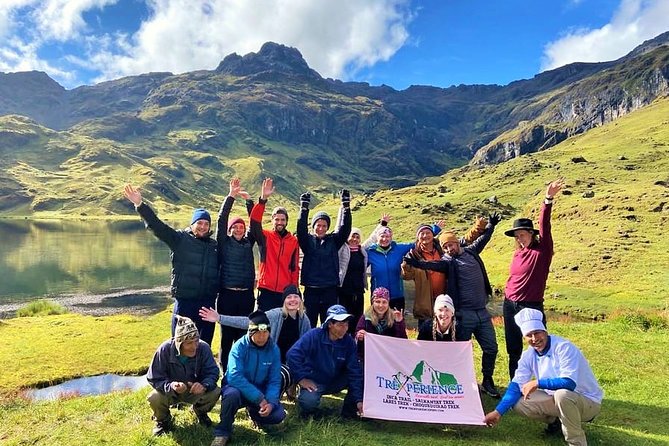
Day 1 continues toward Laguna Canchispaccha and then into the hike zone near Pamparrocal and Kiswarani. The pace shifts from sightseeing to walking through calmer valleys where llamas and alpacas graze.
As the trail rises, you reach the Kiswarani waterfall. Even if you’ve seen waterfalls elsewhere, this one hits differently because it’s tucked deep in high Andes terrain. It feels remote. That remoteness is exactly what you’re paying for with this route choice. You are not just checking a box. You’re actually in the region.
The night is the real memory-maker. The itinerary sets you up at the Blue Lagoon campsite around 3,900 meters. You get a cozy tent setup, tea, and a sky full of stars. Reviews also line up with this, with people stressing how cold the nights can get, even for those used to chill climates.
So here’s my straightforward advice: pack warm. Not “a light sweater” warm. Think actual layers for sleeping and for early morning starts. If the operator can provide a sleeping bag or mattress as an optional add-on, it’s worth considering, especially if you run cold.
More Lares treks:
- Lares Valley Trek with Hot Spring 4-Day, 3-Night
★ 5.0 · 656 reviews - Lares Trek to Machu Picchu 4D/3N Including Hot Springs
★ 5.0 · 499 reviews - Lares Trek to Machu Picchu 4 Days
★ 5.0 · 68 reviews - Ultimate Lares Trek & Inca Trail 5 days
★ 5.0 · 47 reviews
Condor Pass, coca tea at the summit, and the Cancha Cancha community
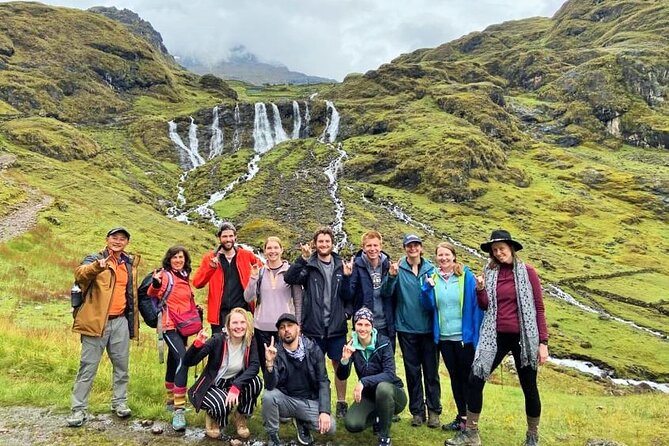
Day 2 is the hardest day, and the itinerary makes that clear. You start at Mirador Sirhuayani with coca tea or coffee delivered to your tent, then begin the climb through highland valleys with turquoise lakes, alpacas, and Wallatas (Andean geese).
You will work up to Condor Pass at 4,750 m, the highest point of the journey. Once you reach the top, you get 360-degree views of the Andes. That’s not just a scenic bonus. It’s also a psychological boost. When you see the scale of where you are, the effort of the climb clicks into place.
Another meaningful moment is the traditional offering to the Apus, sacred mountain spirits, led by your guide. This is included in the trek experience and is part of how local communities understand the mountains. If you have questions, ask. A good guide will explain what it means and how it fits into local tradition.
After reaching the pass and celebrating with hot coca tea, you descend toward Acopata for lunch and then continue walking downhill into the day’s final settlement area.
That evening you arrive at Cancha Cancha around 3,750 m. Camp is set near local homes. This is where the trip stops feeling like “transport between sites” and starts feeling like community time. In past departures, people have described chances to meet villagers and even play soccer with children, plus simple practice of Quechua words. Even if the games are informal, you’ll feel that you are sharing space, not touring a zoo.
If you are shy, you will still be fine. Your guide and the team handle the flow. You can hang back and observe, or you can join in. Either way, it’s a change from the controlled feel of many big-group treks.
Huaran picnic, farewell to the muleteers and chef, then Maras Salt Mines and Ollantaytambo
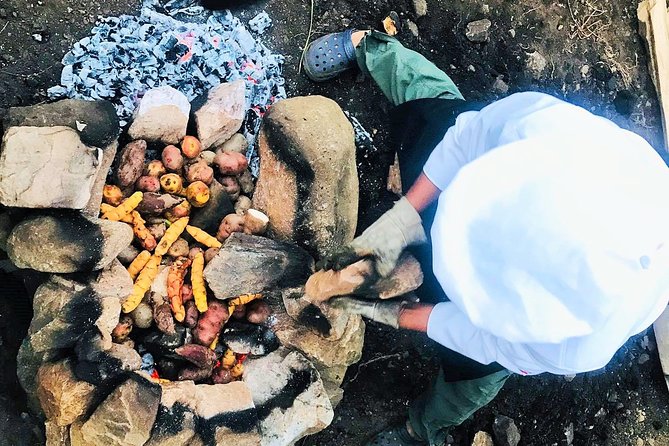
Day 3 is a shift day. You move from trekking into a mix of scenic descent and cultural stops, with private transport to make the time efficient.
You start with a gentle descent through fertile valleys, watching agriculture change as elevation drops, from highland crops like potatoes and beans toward Sacred Valley staples like corn and avocado. It’s a visible reminder of why communities here have endured. People farm at different heights because the climate changes.
Then you reach Huaran around 2,700 m for a scenic picnic lunch. This is also where you say farewell to the muleteers and chef. It’s one of those moments that feels more emotional than expected, because their work kept you comfortable and moving.
Next comes Maras Salt Mines, the Salineras de Maras. You’ll see thousands of salt pools harvested since Inca times. This is visually striking, and it’s also practical to understand as a living tradition, not an abandoned site. The entrance is included.
After Maras, you go to Ollantaytambo, explored as the Last Living Inca town, with ancient stone streets and water canals still connected to daily life for locals. This is one of the few places where you can feel how the Inca city planning interacts with real people living nearby.
You also have dinner in Ollantaytambo before heading to Aguas Calientes by evening train. The train ride winds through Andean scenery, and it helps break up the travel day so you don’t arrive at Machu Picchu tired and flat.
Sunrise Machu Picchu, guided walking time, and optional extra peaks
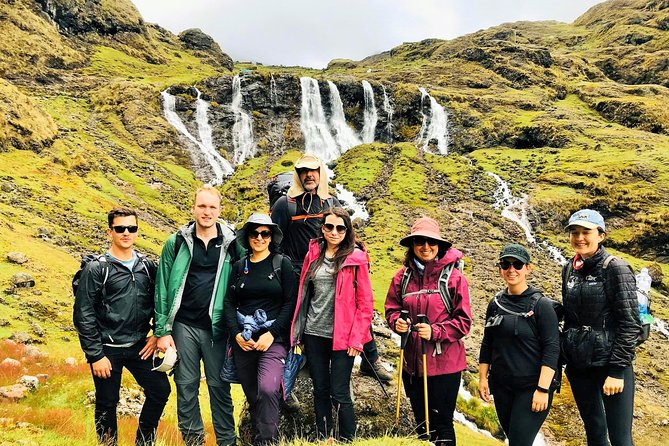
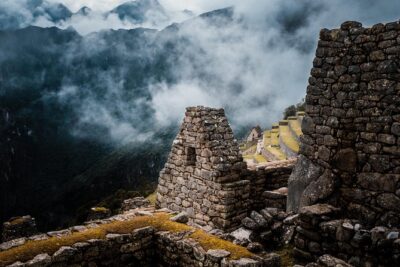
Day 4 is the payoff. You wake up in Aguas Calientes (a 3-star hotel for one night), eat early, then take the bus up to Machu Picchu. The schedule is set so you arrive around sunrise. The mist lifting over the citadel is the part people remember for years.
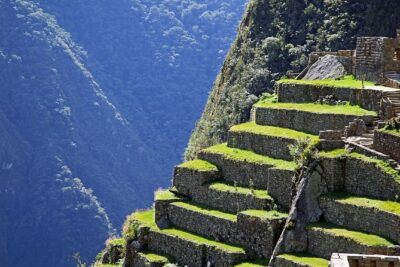
Once you’re inside, you’ll visit the classic viewpoints for photos. Then you get a 2 to 3 hour walking tour with your guide. The guide work is important here. You’re not just looking at stones. You’re learning about Inca engineering, temples, terraces, and how the site connected to daily life.
If you want extra viewpoints, you can hike Huayna Picchu or Montaña Machu Picchu, but those tickets are optional and need advance booking. The core Machu Picchu visit is included, and that is already a full experience.
My practical advice for Machu Picchu day: pace yourself. It’s easy to rush and miss the logic of the place. Use your guide time to ask simple questions like what you’re looking at and why it was built that way. You’ll remember the answers more than the random photo you took on the run.
After your guided time, you return to Aguas Calientes for free time and lunch on your own schedule. This is smart. Machu Picchu days get tiring fast, and having time to eat and reset makes your return ride more comfortable.
Vistadome return to Ollantaytambo and back toward Cusco
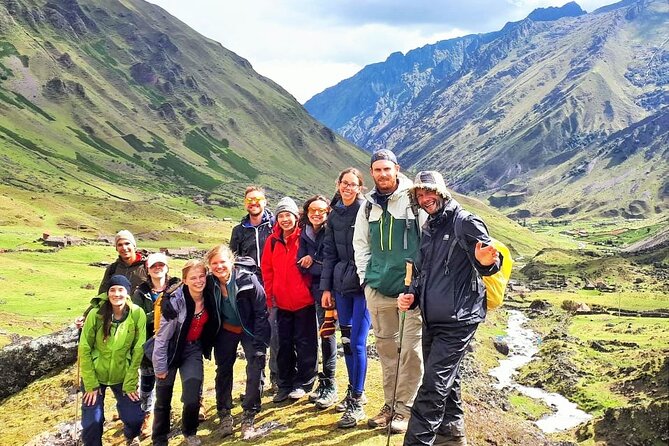
After Machu Picchu, you head back by train with panoramic views on the Vistadome. The itinerary uses the panoramic train from Aguas Calientes back to Ollantaytambo, then includes a private transfer onward to Cusco.
Why I like this part: you get a long ride where you can actually enjoy the scenery without the effort of driving and logistics. It turns the final day into a celebration, not another grind.
You arrive in Cusco in the evening, so plan for a normal dinner and a real night’s sleep. If you like to download photos and map notes, this is your window.
Price and value: what $698 really covers
At $698 per person, you’re paying for more than a tour name. You’re also paying for a working support system, multiple transport legs, and multiple included admissions.
Here’s what your money is built around:
- Machu Picchu entry plus the included bus to the site (round-trip bus is included)
- Maras Salt Mines entrance and the Lares hot springs entrance
- A guide-led Machu Picchu walking tour
- Two nights in campsites with tent setup, plus one night in a 3-star hotel
- Guided trekking days with food and gear transported by horses and muleteers
- Train transport, including the Vistadome return
If you tried to piece this together on your own, it would be hard to match the “one team carries the weight” model. The trekking structure alone is expensive to replicate, especially when someone is managing meals, camp setup, and animal transport.
The value is clearest if you want a hassle-free trek with real local access and you don’t want to spend your vacation juggling tickets, porters, and accommodation logistics at high elevation.
Fitness, cold nights, and what to pack (without overpacking)
This tour asks for moderate physical fitness. Day 2 climbs to 4,750 m, and it’s the most challenging day. You do not need to be a mountaineer, but you do need stamina and willingness to take it slow.
Altitude reality check: you will feel it. The itinerary includes coca tea traditions and summit comfort breaks, but you should still manage your effort. Walk steady. Take breaths between steps. Drink water. Don’t chase speed.
Cold nights are not a theory here. In past trip feedback tied to this trek, people called out how chilly it gets after dark. So treat nighttime gear like a real priority. If the optional mattress, sleeping bag, and trekking poles are offered for your departure, I’d seriously consider them if you don’t already have solid winter-weight gear.
For the daily carry, you get a personal duffel bag limit of 7 kg / 11 lb and complimentary luggage storage in Cusco. That suggests you are expected to travel light, with your main luggage handled for you while you carry what you need for the day.
Also remember the basics:
- warm layers for evening and sleeping
- a reliable outer layer for wind
- sun protection, because altitude sun is no joke
- any dietary needs should be shared at booking, and vegetarian is available
Who should book the Lares Trek with Panoramic Train
This trek fits best if you want:
- Machu Picchu, but not as a rushed day trip
- a less crowded approach than the most famous trekking routes
- real time in small Andean communities, with culture stops that focus on daily work and traditions
- a tour format that handles transport, meals, and camp logistics for you
It might be less ideal if:
- you dislike early mornings, since the day starts around 4:30 am
- you struggle with altitude climbs, especially on Day 2 toward Condor Pass
- you want a purely sightseeing itinerary with no hiking effort at all
Should you book this tour?
Yes, if you want Machu Picchu with a trek that feels more local and less mass-tour. I’d book it if you like the idea of trading the biggest trail routes for the quieter Lares Valley and getting a strong sunrise Machu Picchu day plus an enjoyable Vistadome return.
I would think twice if cold nights and altitude climbs are your weak spots. The trek is doable with moderate fitness, but you still need to show up ready to hike and sleep at elevation.
If you do book, do two things early: plan for advance tickets if you want Huayna Picchu or Montaña Machu Picchu, and pack for real cold. That combo will make the whole trip feel smoother.
FAQ
What time is the pickup or meeting start?
The start time is 4:30 am.
How big is the group for this trek?
The maximum group size is 16 travelers.
What sleeping arrangements should I expect?
You sleep in tents at campsites for two nights, and you stay in a cozy 3-star hotel for one night in Aguas Calientes.
Is Machu Picchu included, and will I have a guide there?
Yes. Machu Picchu entrance is included, plus a guided 2 to 3 hour walking tour through temples, terraces, and ceremonial areas.
Are Huayna Picchu or Montaña Machu Picchu included?
No. Tickets for Huayna Picchu or Montaña Machu Picchu are optional and must be booked ahead of time.
What train ride is included?
You ride the panoramic Vistadome train on the return portion back toward Ollantaytambo.
What if the weather is bad?
This experience requires good weather. If it is canceled due to poor weather, you will be offered a different date or a full refund.
More Ways to Reach Machu Picchu
- Short Inca Trail to Machu Picchu 2D/1N
★ 5.0 · 3,007 reviews - From Cusco: Full-Day Group Tour of Machu Picchu
★ 4.7 · 1,767 reviews - Machu Picchu Day Trip from Cusco
★ 4.5 · 1,644 reviews - 2-Day Tour: Sacred Valley and Machu Picchu by Train
★ 5.0 · 1,127 reviews
More Train Journeys to Machu Picchu
- 2-Day Inca Trail to Machu Picchu with Panoramic Train
★ 5.0 · 1,876 reviews - Machu Picchu Full Day from Cusco by Panoramic Train
★ 5.0 · 857 reviews - Cusco: Machu Picchu 2-Day Inca Trail with Panoramic Train
★ 4.9 · 260 reviews - Hiram Bingham Round Trip Luxury Train to Machu Picchu
★ 4.5 · 157 reviews
Recently reviewed around Cusco
- Cusco Cooking Class by ChocoMuseo in Cusco★ 5.0 · 29 reviews
- Private Tour Sacred Valley, Chinchero, Maras Moray, Ollantaytambo★ 5.0 · 29 reviews
- ATV Adventure to Moray and Maras Salt Mines – Half Day★ 4.5 · 29 reviews
- 1-day excursion to Machu Picchu from Cusco★ 5.0 · 29 reviews
- From Cusco: Humantay Lake with Breakfast and Buffet Lunch★ 4.5 · 29 reviews
- 4 Day – Inca Jungle to Machu Picchu★ 5.0 · 29 reviews
- 2-Day Machu Picchu Tour by Train from Cusco★ 4.5 · 29 reviews
- 2-Day Sacred Valley and Machu Picchu Tour By Train★ 4.5 · 29 reviews
Machu Picchu, compared.
Classic Inca Trail Trek 4D/3N to Machu Picchu (Group Service)
Read our review →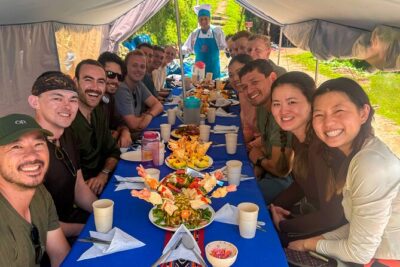
4-Day Inca Trail Trek with Panoramic Train Ride
Read our review →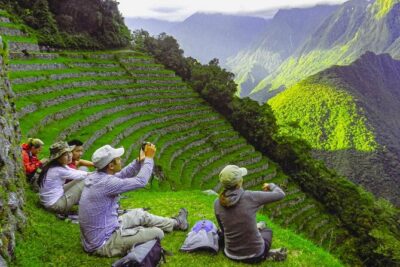
2-Day Inca Trail to Machu Picchu with Panoramic Train
Read our review →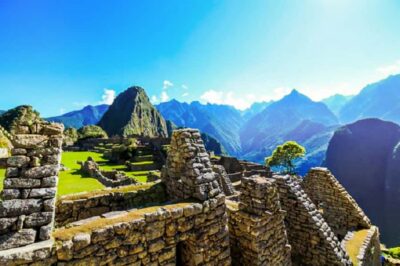

2-Day Tour: Sacred Valley and Machu Picchu by Train
Read our review →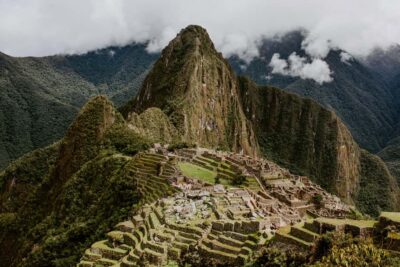
Browse the lists this tour appears in