
Reviewed · CITY TOURS
Cusco: Historical Guided City Tour with 4 Inca Ruins
This Cusco half-day tour strings together Koricancha and four major Inca ruins in one easy bus route. I love the way the guide connects what you see on the ground to what the Inca were doing, and I love the planned photo moments like the Qenqo eucalyptus area. You are moving fast, but in a good way, if you want a big taste of Cusco’s archaeological highlights.
One possible drawback to plan for: the tour price does not cover site entries, and access to Inca areas depends on getting the Cusco Tourist Card in person with your passport.
Key things to know before you go
- Five big sites in about 6 hours, built around a practical route with transport
- Bilingual guiding (English and Spanish), with strong praise for clarity and pacing
- Photo-friendly stops, including Qenqo’s eucalyptus area
- Inca religion and daily power, from Temple of the Sun to surveillance and water temples
- Cathedral add-on on certain time slots, with its own ticket and availability
- Real-world value, if you time your tickets and bring the right basics
A half-day Cusco plan that feels efficient, not rushed
Cusco can be intense at first: altitude, cobblestones, and a lot to see. This tour is designed as a concentrated sampler, with the logistics handled by bus so you can spend your energy on the ruins and the stories behind them. At $23 per person, it’s also the kind of outing that fits well if you have a packed itinerary, like a short Cusco stop before something else.
The best part is how the stops build on each other. You start with Inca religion at Koricancha, then shift to military and ceremonial power at Sacsayhuamán and Qenqo, then move into surveillance and water ritual spaces at Puka Pukara and Tambomachay. It is not random sightseeing, it is a tour of how the empire organized belief, control, and daily life.
More City Tours in Cusco
- Cusco: Half-Day City Tour with Sacsayhuaman and Q’enco
★ 4.6 · 1,129 reviews - City Tour Cusco Qoricancha Sacsayhuaman y Tambomachay
★ 4.7 · 617 reviews - Cusco City Tour Four Ruins in Half-Day
★ 5.0 · 530 reviews
Morning options and the cathedral timing twist
You basically choose between morning and afternoon versions, and the route can include the Cusco Cathedral depending on the option.
Option 1 (morning city tour) starts at Koricancha around 8:55 am. After Koricancha, you board the bus for the Inca sites and the tour finishes around 2:30 pm, dropping you near Plaza de Armas on Calle Plateros.
Option 2 (morning city tour with more pickup) runs with hotel pickup between 8:35 am and 9:00 am. The tour ends near Plaza de Armas around 2:30 pm, so you can head back to your hotel or lunch without feeling like your day is ruined.
Option 3 (afternoon city tour) meets at the cathedral entrance door around 11:50 to 12:00. It visits the cathedral, then the Inca sites, then finishes between 6:00 pm and 6:30 pm. There is also a bilingual tour variant where you are dropped off near the main square.
If you want the easiest midday recovery, go with Option 1 or 2. If you want the cathedral art added in and you prefer a later finish, Option 3 is your pick.
Starting at Koricancha, the Inca Temple of the Sun
Your tour begins at Qorikancha, also called the Temple of the Sun, and it is easy to see why this is where they start. It was the most important Inca religious construction, so it sets the tone for everything you will see later.
From a practical perspective, this stop also helps you get oriented. Once you grasp what Koricancha represented, the rest of the sites make more sense as parts of a bigger system, not isolated monuments. If you are coming from the modern city, this is your first clue that Cusco’s center of gravity used to be spiritual.
Keep in mind the Temple of the Sun has an entrance ticket (listed at 15 soles). Also, access to Inca sites depends on the Cusco Tourist Card, bought in person with your passport.
Sacsayhuamán and its puma-head stone power
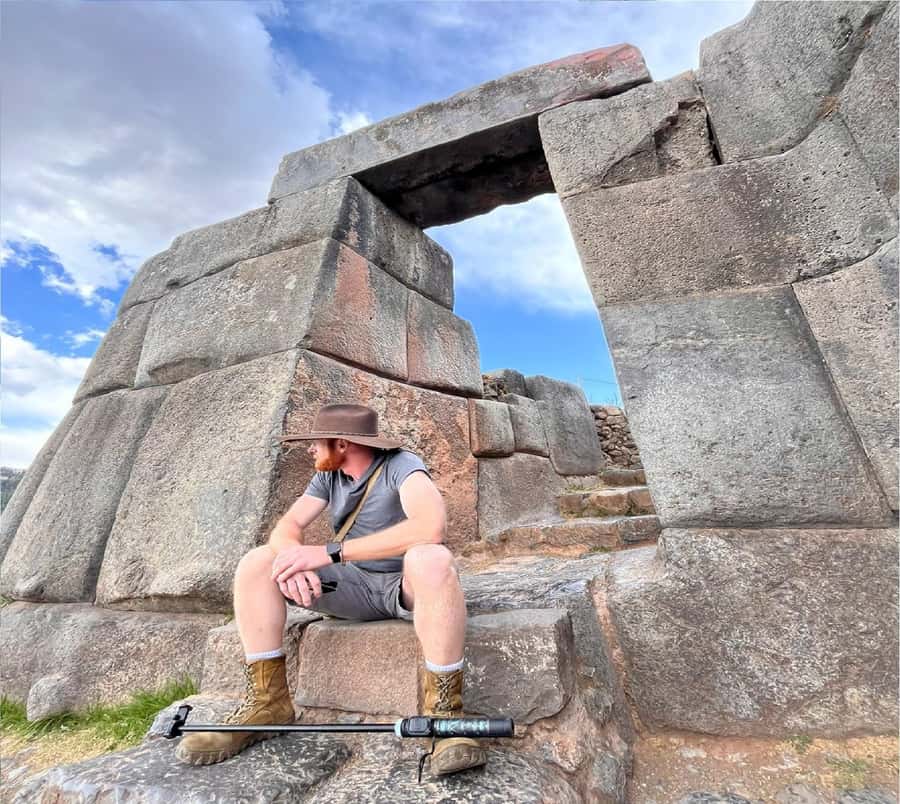
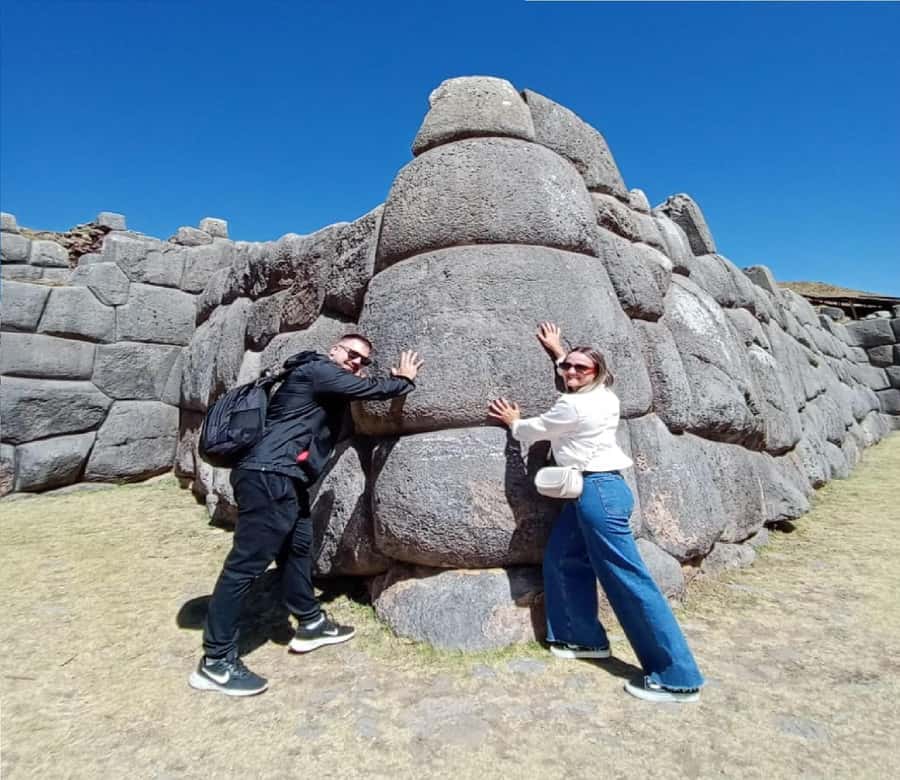
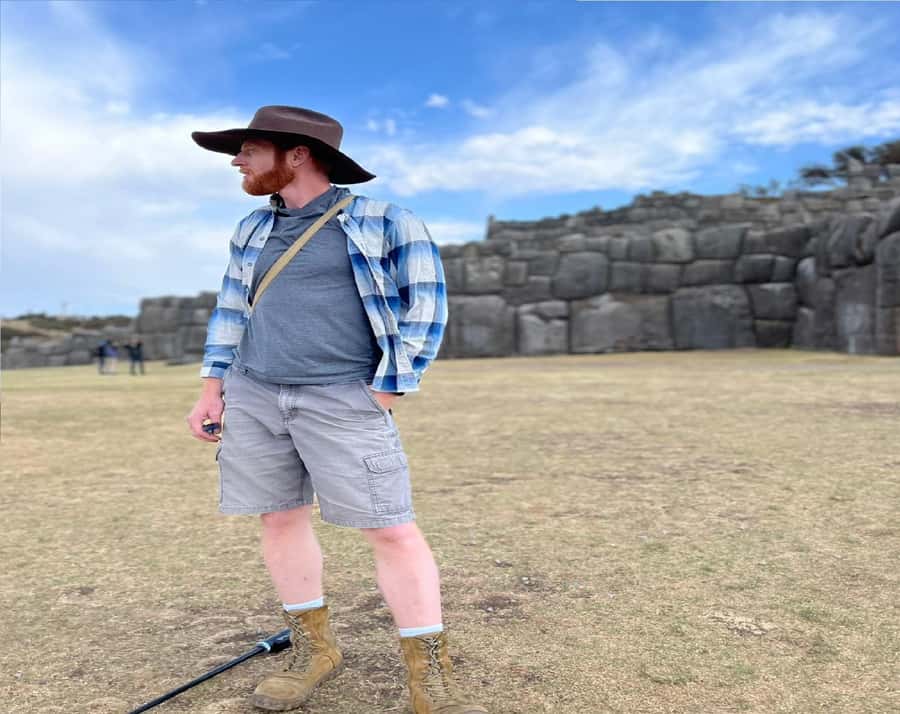
Next up is Saksaywaman (often spelled Sacsayhuamán), translated as puma head. This is described as the largest archaeological site within Cusco itself, and the headline detail is the stones. Some blocks are noted as being 4 to 6 meters high, with weights that can exceed 100 tons.
What I like about seeing Sacsayhuamán on a guided tour is the translation layer. The guide is not just pointing out walls, they are connecting the construction style and the location to the Inca worldview, including how spaces were built for defense and statement-making. If you tend to miss context at ruins, this is where the guide helps most.
Also, walking here is only part of it. The real impact is visual scale, and the bus route keeps you from burning your legs too early.
Entrance is tied to the archaeological zones ticket (listed as 70 soles, available for purchase at Saqsayhuaman). And again, the Tourist Card requirement applies.
More Historical Tours in Cusco
- Cusco: Historic Walking Tour with Pisco Sour and Local Music
★ 5.0 · 190 reviews - Machu Picchu Private Archaeological and Historical Guided Tour
★ 5.0 · 86 reviews - Cusco Highlights Walking Tour: History, Culture, Traditions
★ 4.9 · 72 reviews - Cusco: Historic Walking Tour with Pisco Sour and Music Show
★ 4.6 · 65 reviews
Qenqo: ceremonies, mummification, and a photo stop in the eucalyptus area
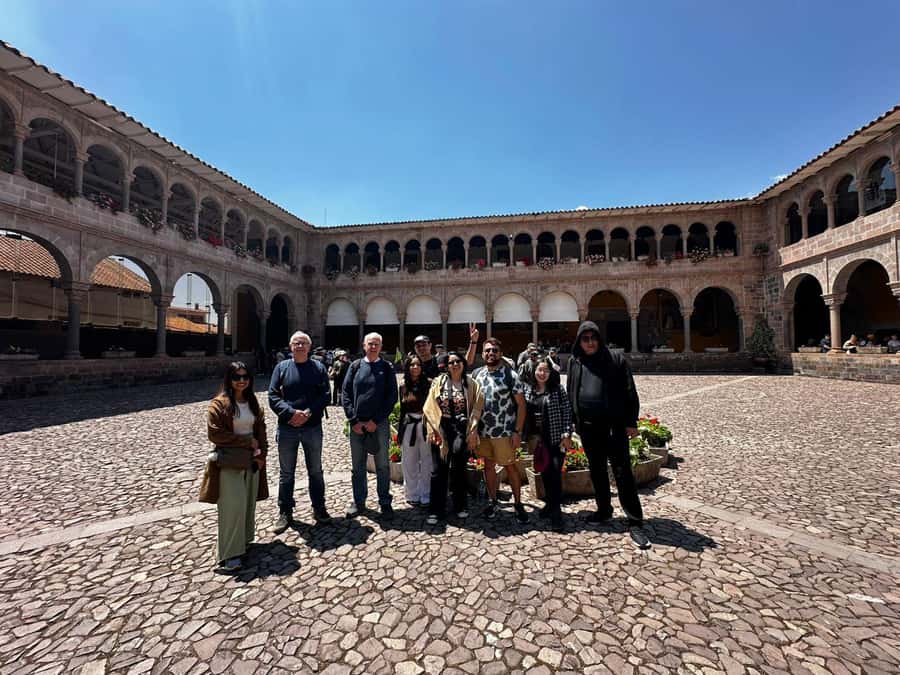
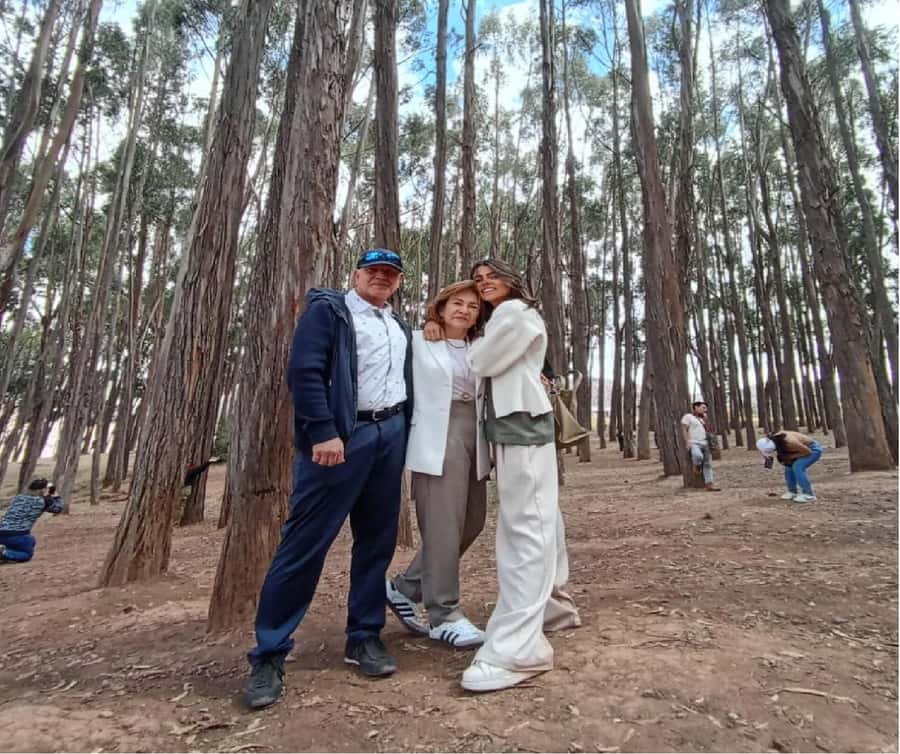
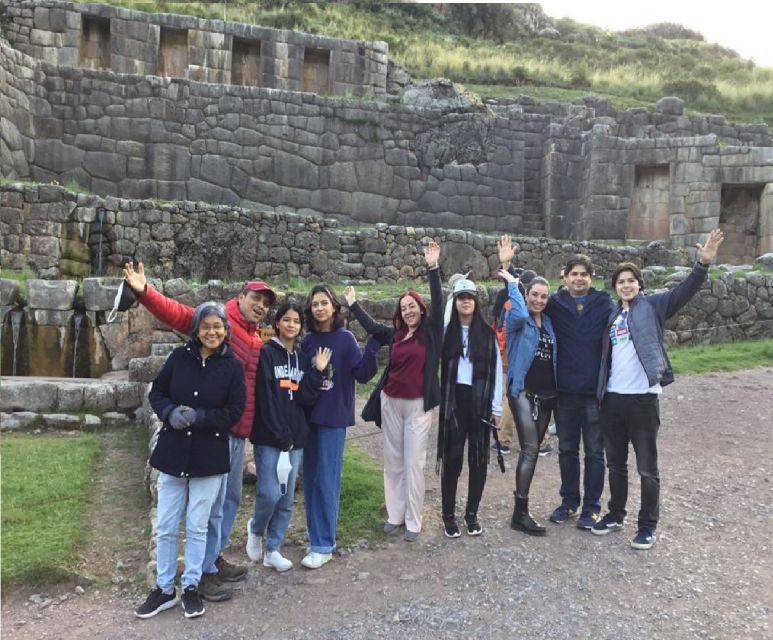
Q’enco (Qenqo) is next, and it is one of the most interesting stops because it has multiple roles in how it is described. It is described as an ancient mummification site, and it is also described as a place where sacrifices were made to the Sun God. That combination makes the site feel like a bridge between life rituals and spiritual power.
Then you get a planned moment in the Qenqo eucalyptus forest for photos. This is not just for picture-taking. It also gives you a break from staring at stones and lets you reset before the viewpoints and final two sites.
The timing matters here. You spend enough time to process what you are seeing, then you are off to the next stop before the day drags.
Puka Pukara, the Red Fortress viewpoint
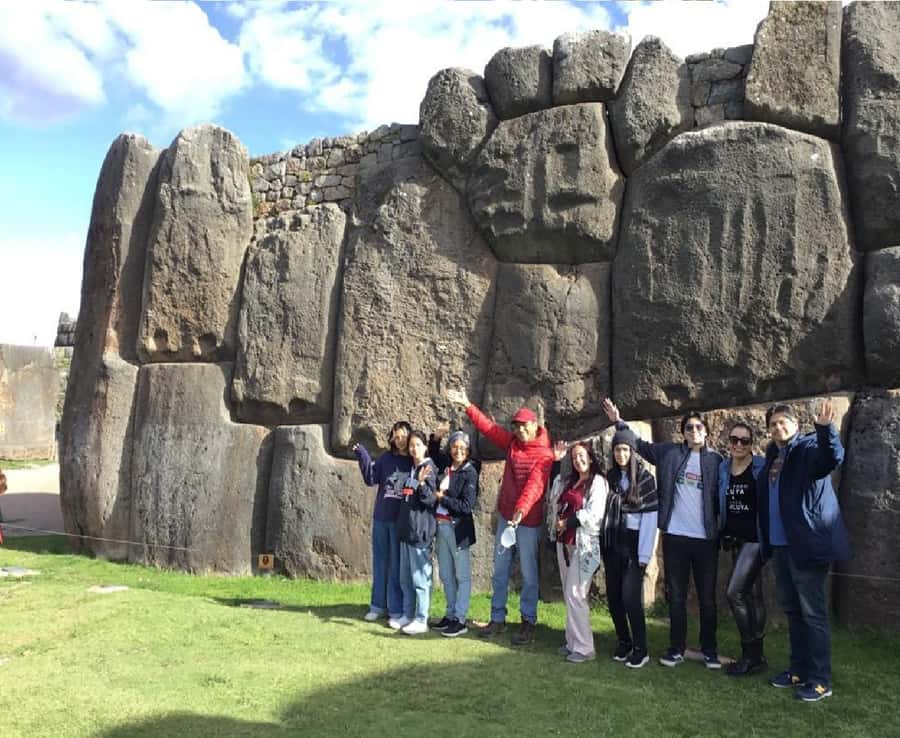
Puka Pukara is popularly known as the Red Fortress because of the pigment in the rocks used to build it. It is an archaeological complex that also offers a standout view over the Andean scenery, so you get both architectural details and a wider perspective.
This stop also connects to why these sites were placed where they were. It is described as an Inca surveillance center built to control access to the Inca city. Standing at Puka Pukara, you start to understand how the empire used elevation for information and movement, not just for dramatic sightlines.
The day moves on after your viewpoint time, so you are not stuck waiting for the group to catch up. Still, bring comfortable shoes, because even when transport is included, you will do some uneven walking.
Tambomachay, the Temple of Water
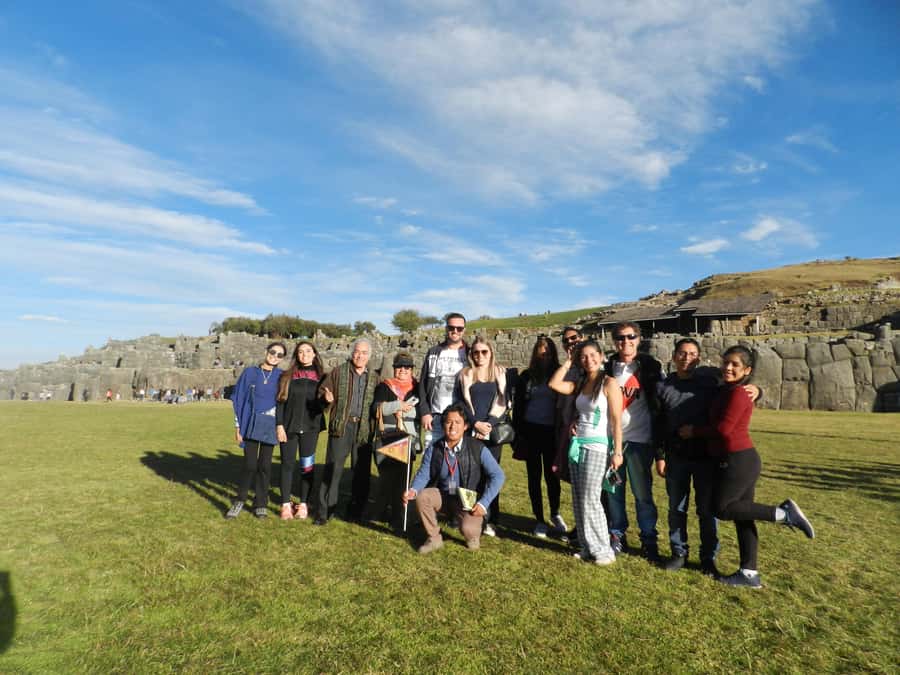
The final Inca ruin on the main loop is Tambomachay, popularly known as the Temple of Water. The big attraction is the water fountains distributed throughout the area.
This is a good closing stop because it shifts you away from stone-and-control vibes into water symbolism. Water is essential in high-elevation life, and the guide framing can help you see it as more than just irrigation or engineering. It feels like a place where nature and ritual were treated as linked.
Like the other Inca sites, access depends on the Cusco Tourist Card, and entries fall under the archaeological zone pricing listed for the ruins.
The Cusco Cathedral option, art worth budget space
If you choose Option 2 or Option 3, you also visit the Cusco Cathedral. The tour notes that you can appreciate impressive paintings of the Cusco school.
Two practical things to know. First, the cathedral entrance ticket is 50 soles, and it is not included in the tour price. Second, cathedral visits depend on availability, so if this is a must-do, try to go with a time option that includes it and ask the operator about access at booking.
Optional add-ons: photography experience and Cristo Blanco viewpoint
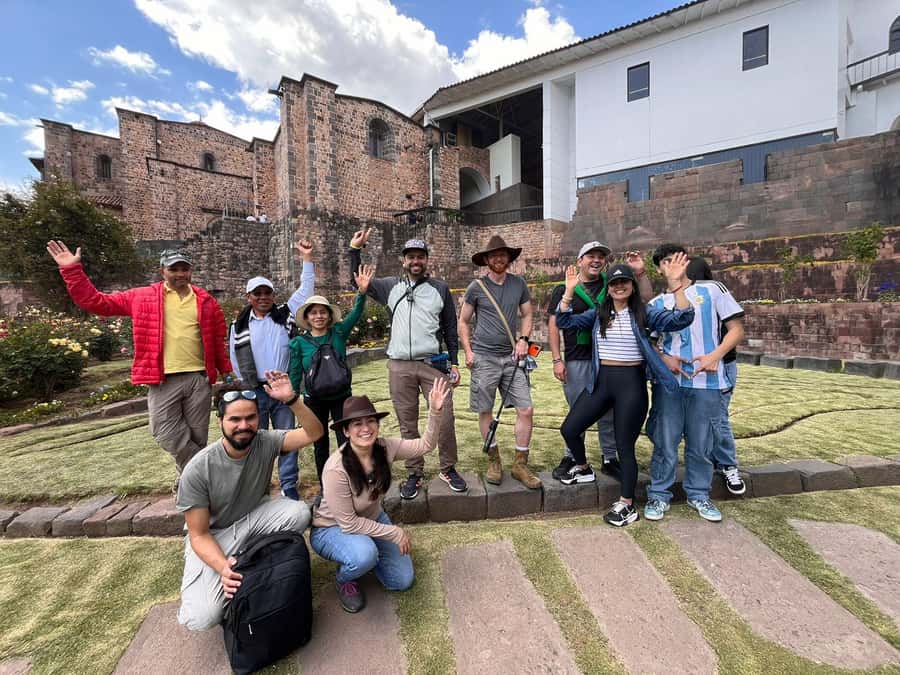
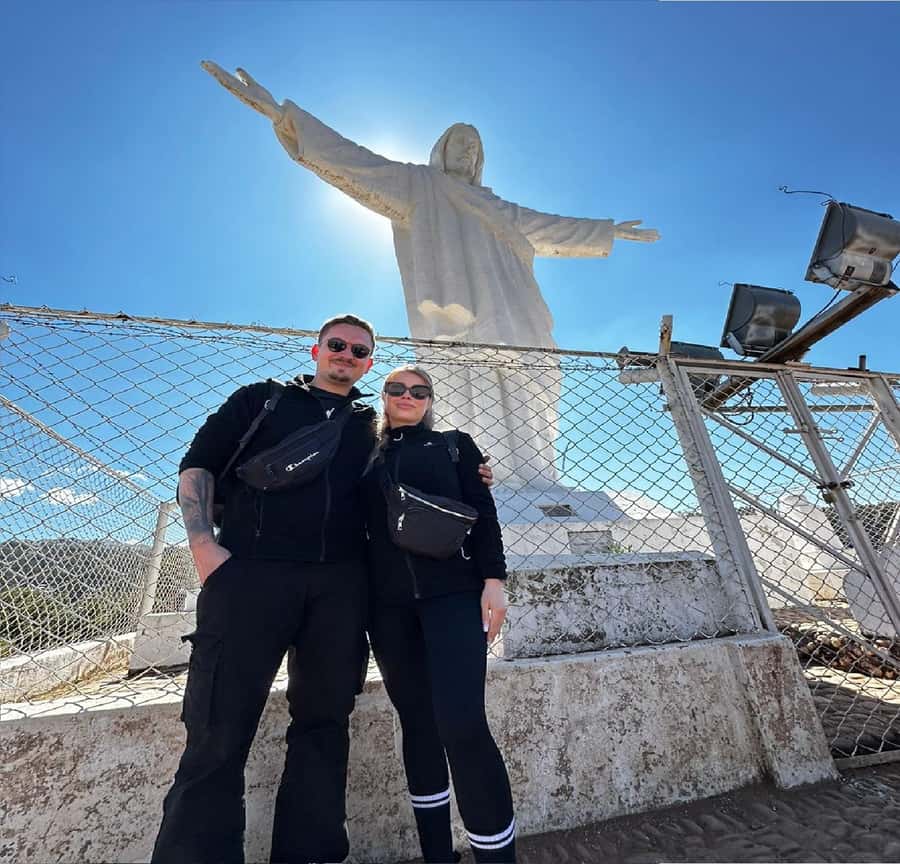
Some versions of the tour mention extras depending on the option. For Option 1 special tour, there is a photography experience, and there is also a visit to Cristo Blanco Mirador del Cusco.
These are optional-style add-ons, so if they matter to you, confirm the version you are buying. Even without add-ons, the planned photo moment at Qenqo eucalyptus forest is already built into the route.
Price and value: what you pay, what you still need to budget
The tour price is $23 per person for a 6-hour experience. That can feel like a steal for the number of major sites you visit, especially because transportation and a professional accredited guide are included.
But here is the truth you should plan around: entrance tickets are not included. The listed amounts you might pay are:
- Qorikancha (Temple of the Sun): 15 soles
- Archaeological zones: 70 soles
- Cusco Cathedral: 50 soles (only if your option includes the cathedral)
On top of that, access to Inca sites requires the Cusco Tourist Card, purchased in person with your passport. That card can add time to your pre-tour routine, but it is the key to getting through the gates without stress.
So is it good value? Yes, if you do two things: buy your Tourist Card ahead of time, and budget the site entries. If you show up without planning, you might end up stuck figuring out tickets while you are already at altitude and short on time.
What makes the guide quality matter in Cusco
The ruins are impressive, no question. But the guide can make or break whether the tour feels like a checklist or a real understanding.
In the reviews included with this activity, guides such as Luis and Alfredo receive strong praise for switching seamlessly between English and Spanish and for keeping explanations clear and detailed. Romulo and Hyame are also named, with feedback that the guide answered questions well and helped people understand the difference between facts and myths. One review specifically highlighted that the guide used real facts while comparing them with myths, which is exactly the kind of skill you want in a place like Cusco, where legends are easy to pick up.
If you like learning while you walk, you are in good hands. If you want silence and pure wandering, you may find guided time feels structured. Still, the tour leaves enough room for photos, and the stops are timed so you are not just stuck listening for hours.
Getting around, timing, and altitude practicality
Cusco is at high altitude, and even people who travel well can feel it. This tour helps because you are not hauling yourself across town on foot between the major sites. You use tourist transportation, and that makes a big difference in how the day feels.
Timing is also friendly. Most options finish around 2:30 pm, so you still have a full afternoon after your ruins. Option 3 is later, but the schedule is still contained, ending around 6:00 to 6:30 pm. Either way, you are not signing up for an all-day grind.
What to bring, so you do not get caught off guard
Cusco weather can flip quickly, and the ruins do not pause for bad conditions. Bring:
- Passport or ID
- Comfortable shoes
- Camera
- Sunscreen
- Water
- Rain gear
- Cash
Also note what is not allowed: bikes, alcohol and drugs, explosive substances, and alcoholic drinks in the vehicle. It is a straightforward, sensible list, but it’s worth checking if you are thinking of bringing anything extra.
Who this tour is best for
This is a strong fit if you:
- Want a half-day overview of Cusco’s top Inca sites without planning a bus day
- Appreciate guided explanation more than solo wandering
- Have limited time, like a short Cusco stop before another trip
The tour is also not for everyone. It is noted as not suitable for people over 95 years.
If you already know a lot about the Inca and prefer deep independent exploration, you might want a longer, slower plan. But if you want your first taste of Cusco to be organized and meaningful, this hits the mark.
Should you book this Cusco historical guided tour?
I’d book it if you want maximum payoff in minimum time. The price is attractive, the route hits the big names, and the guided explanations are clearly a highlight in past experiences, especially with bilingual guides who keep the story grounded.
I would pause before booking if you do not want to deal with entry logistics. You must have the Cusco Tourist Card and you should budget separate ticket costs, especially if you include the cathedral. If you plan that part early and show up ready with comfortable shoes and weather gear, this tour is a smart way to understand Cusco’s Inca foundations fast.
FAQ
How much does the Cusco historical guided city tour cost?
The price is listed at $23 per person.
How long is the tour?
The duration is 6 hours.
What languages are available for the live guide?
The live tour guide is available in English and Spanish.
Is hotel pickup included?
Pickup is available as an option, and the tour includes hotel pick up options. You wait in your hotel lobby, and pickup is for hotels close to the main square.
Which Inca ruins are included?
The tour includes visits to Sacsayhuamán, Qenqo, Puka Pukara, and Tambomachay, plus Qorikancha.
Does the tour include the Cusco Cathedral?
It depends on your time option. The cathedral is included for Option 2 and Option 3, but you must plan for its entrance ticket and request availability.
Are entrance tickets included in the price?
No. The listed not-included tickets are Qorikancha (15 soles), Cusco Cathedral (50 soles), and archaeological zones (70 soles).
Do I need the Cusco Tourist Card?
Yes. Access to Inca sites requires the Cusco Tourist Card, which is bought in person with your passport.
Where does the tour end?
Most options end near Plaza de Armas, with drop-offs listed as Plaza de armas, Calle Plateros. Option 3 ends between 6 pm and 6:30 pm at night.
What is required and what should I avoid bringing?
Bring passport or ID, comfortable shoes, camera, sunscreen, water, rain gear, and cash. Avoid bikes and alcohol and drugs.
Recently reviewed around Cusco
- Cusco Cooking Class by ChocoMuseo in Cusco★ 5.0 · 29 reviews
- ATV Adventure to Moray and Maras Salt Mines – Half Day★ 4.5 · 29 reviews
- 1-day excursion to Machu Picchu from Cusco★ 5.0 · 29 reviews
- Private Tour Sacred Valley, Chinchero, Maras Moray, Ollantaytambo★ 5.0 · 29 reviews
- From Cusco: Humantay Lake with Breakfast and Buffet Lunch★ 4.5 · 29 reviews
- 4 Day – Inca Jungle to Machu Picchu★ 5.0 · 29 reviews
- 2-Day Machu Picchu Tour by Train from Cusco★ 4.5 · 29 reviews
- 2-Day Sacred Valley and Machu Picchu Tour By Train★ 4.5 · 29 reviews
City Tours, compared.
Lima Half-Day City Walking Tour (Small Groups)
Read our review →
Half-Day City Tour with Sacsayhuaman and Q’enco
Read our review →
City Tour Panoramic Bus Departure From Larcomar
Read our review →
City Tour Cusco Qoricancha Sacsayhuaman y Tambomachay
Read our review →
Lima’s lively Heritage: Exploring the City’s Landmarks Half-day
Read our review →
Sightseeing Tour of the City on an Open-Top Bus
Read our review →
Lima City, Central Market & Catacombs Tour (Pick-up & Drop Off)
Read our review →Browse the lists this tour appears in