
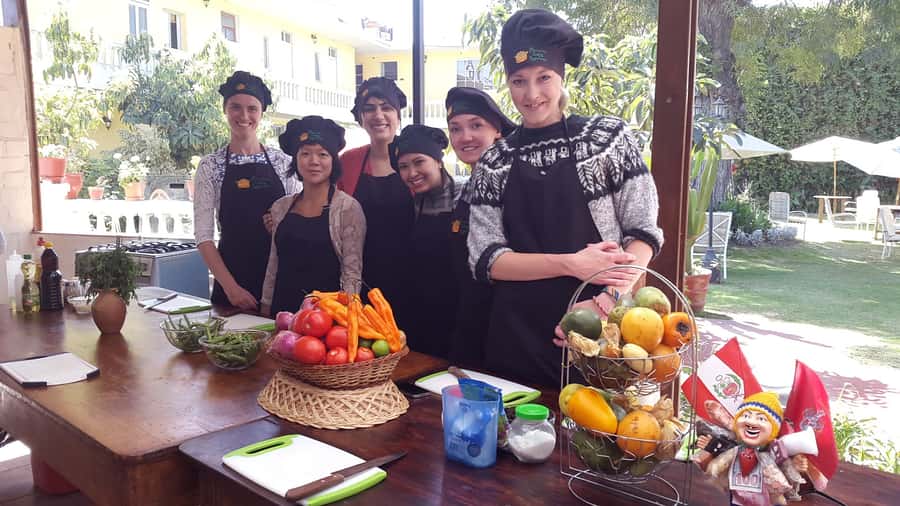
Reviewed · COOKING CLASSES
Arequipa: Peruvian Cooking Class
Cooking in Arequipa is a smart way to understand Peruvian food instead of just tasting it. This 2-hour class happens right in the historic center, with you wearing an apron, getting step-by-step help from a professional chef, and learning why the dishes work the way they do.
I especially like the hands-on structure, where you don’t just watch, you actually prepare the dishes. I also love the menu choice and the variety, from spicy rocoto to Chinese-Peru Lomo Saltado, or the lemony punch of ceviche. The main drawback to consider is that your chosen menu needs to be clearly confirmed, since a mismatch or a rushed pace can spoil the experience.
Key Highlights Worth Booking
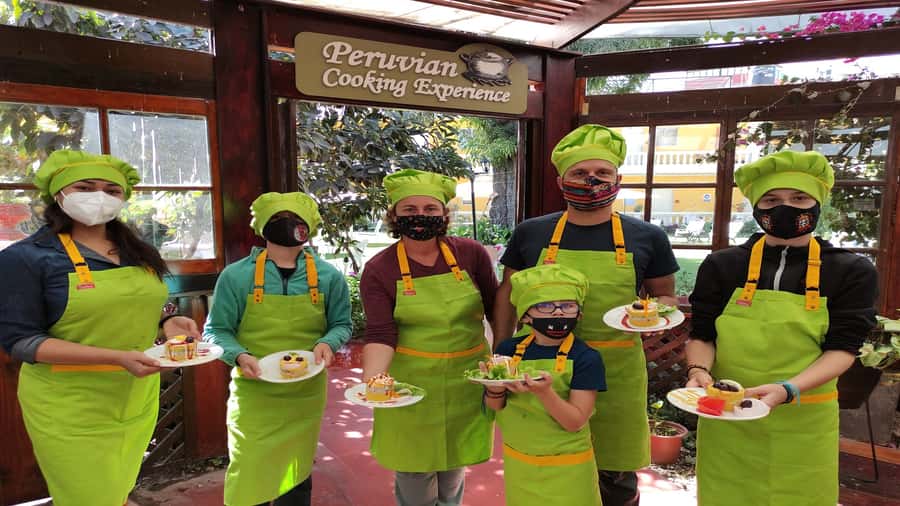
- Historic center start point at Casa de Avila Hotel, easy to reach on foot in Arequipa
- Chicha morada welcome drink in the beginning, a sweet nonalcoholic purple corn drink
- Cook what you choose: Andean, Traditional, or Seafood menu (two dishes each)
- Professional chef in Spanish and English, with instruction you can follow without guessing
- Max group size of 12, which keeps the class from turning into a food factory
- Wi-Fi included, handy if you want to share photos mid-cooking
Arequipa Cooking Class in the Historic Center: What You’re Really Signing Up For
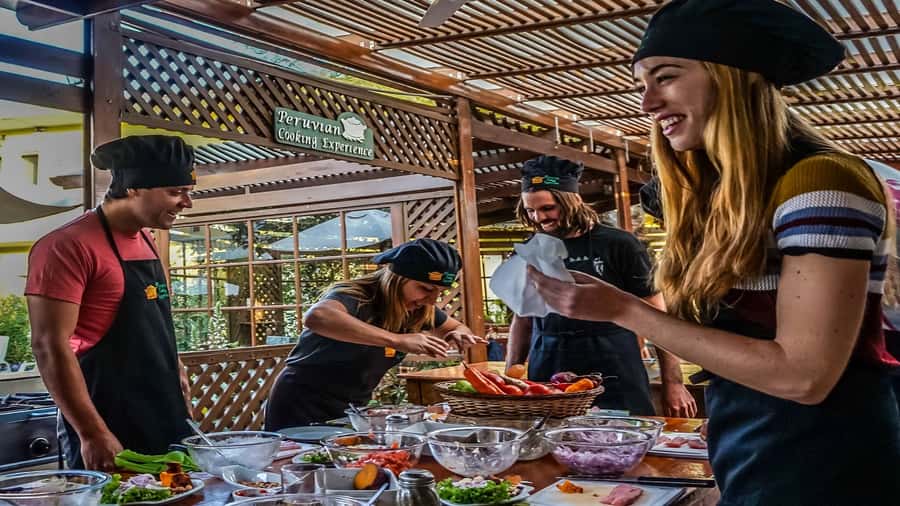
This isn’t a drive-by show kitchen. It’s a short, focused cooking class designed to get you cooking fast and talking to other people while you do it. You’ll meet in the historic center of Arequipa at Casa de Avila Hotel, then kick things off with a drink that feels instantly local: Chicha Morada.
Chicha Morada is sweet, made from purple corn, and it is nonalcoholic. It’s a nice warm-up because it sets the tone for the flavors you’ll be working with later. And because the class is only 2 hours, you’re not stuck in a long tour. You get a concentrated Peru food experience, then you sit down to eat what you made.
There’s also a practical point that matters: your chef speaks Spanish and English, and the class stays small (maximum 12). That combination helps a lot if you want to ask questions, not just hear instructions.
More cooking classes in Arequipa:
- Peruvian Cooking Experience in Arequipa
★ 5.0 · 173 reviews - Peruvian Cooking Class in arequipa
★ 5.0 · 41 reviews - Peruvian Cooking Class Cocktails and Market Tour in Cusco
★ 5.0 · 1,712 reviews
Meeting at Casa de Avila Hotel and Your First Sip of Chicha Morada
The tour starts after you arrive at the meeting point at Casa de Avila Hotel in the historic center of Arequipa. That location is a big deal for value, because you can plan without needing special transit just to get started. Still, roundtrip hotel transfers are not included, so you’ll want to factor in how you’ll get to Casa de Avila yourself.
Once everyone arrives, the class begins with a welcome drink: chicha morada. After that, you put on your apron and chef’s hat and start working. This early ritual sounds simple, but it helps you get out of tourist mode and into participation mode. It also means the class gets rolling quickly, which is part of why the whole experience fits into a 2-hour window.
One more small detail that makes it feel organized: cookware and ingredients are included. You are not paying just to be entertained. You’re paying to cook, taste, and learn.
How the Cooking Class Works: From Step-by-Step Instruction to Sitting Down
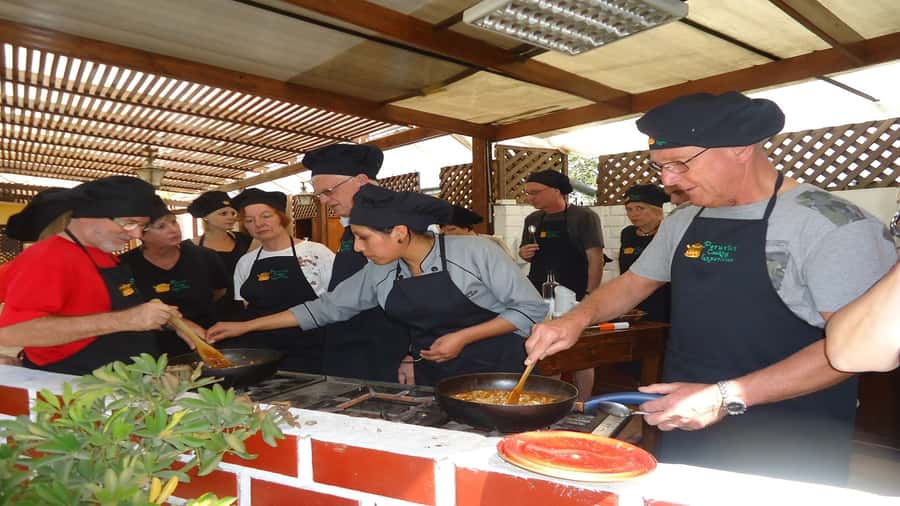
The format is straightforward. A professional chef leads you through the process step by step, explaining what you’re doing and why. During the class, you’ll also learn some of the history behind Peruvian food, not as a lecture, but as context that helps the dishes make sense.
You’ll prepare two traditional dishes from one selected menu. At the end, you eat what you cooked, then you finish with dessert. Sharing travel stories with the group and chatting with the chef is part of the experience, and that social element tends to be what turns a cooking class into an actual memory.
A quick heads-up from a practical standpoint: because the class is compact, timing is everything. If the class runs rushed, it can affect how much you get to enjoy each stage, including dessert. So it’s worth arriving on time and being ready to move with the group pace.
The Menu Choice: Andean, Traditional, or Seafood (Two Dishes Per Menu)
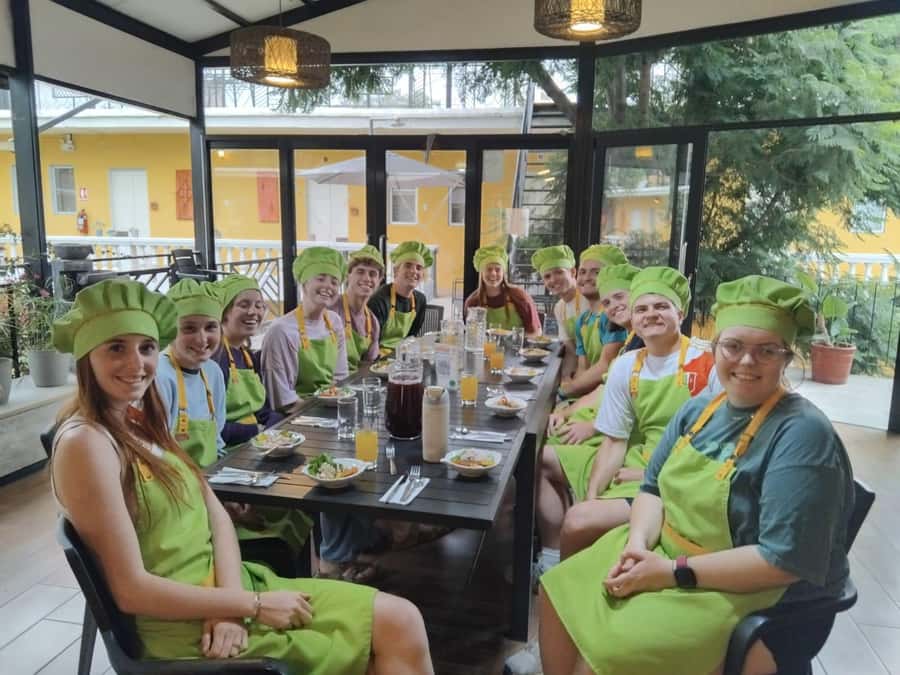
After your reservation is confirmed, the organizers contact you to indicate which menu you’ll be cooking. The class also includes vegetarian options if requested, and they can adapt for allergies or dietary restrictions if you tell them at booking.
Here’s what each menu looks like, and why each one is fun.
More workshops in Arequipa:
- Chaqchao Chocolate Making Workshop
★ 5.0 · 104 reviews - #1 Reviewed Lima Cooking Class
★ 5.0 · 995 reviews - Peruvian Cooking Class, Local Market Tour & Exotic Fruit Tasting
★ 5.0 · 744 reviews - Cusco Cooking Classes and San Pedro Market Tour
★ 5.0 · 691 reviews
Andean Menu: Solterito and Rocoto Relleno
First course: Solterito
This is a fresh salad made with onion, tomato, corn, beans, cheese, and potatoes. It sounds like a simple mix, but it is exactly the point. It teaches you how Andean ingredients work together and how potato adds comfort while still keeping the salad feel fresh.
Second course: Rocoto Relleno
You’ll make stuffed rocoto, which is a strong spicy red fruit (shaped a bit like an apple). It’s filled with ground meat seasoned with spices, plus cheese and raisins. That sweet-and-spicy combo is one of those flavors that feels very Peruvian because it is bold without being random.
If you like meals that balance heat with sweetness, the Andean menu is a strong pick.
Traditional Menu: Causa and Lomo Saltado
First course: Causa
This starts with mashed potato seasoned with yellow pepper and lemon. Then it’s filled with avocado and tuna or chicken, decorated with black olives and vegetables. Causa is one of those dishes that looks impressive without being complicated, and it helps you understand how Peru uses acidity and spice to wake up even simple ingredients.
Second course: Lomo Saltado
This is a classic Chinese fusion dish, cooked in a wok. You’ll make it with beef, onion, yellow pepper, tomato, and French fries, served with white rice on the side. The wok method matters because it makes the dish feel lively and fast.
If you want something that feels familiar if you’ve eaten stir-fry before, but still very Peruvian in the ingredients, this menu is a great match.
Seafood Menu: Ceviche and Pescado a lo Macho
First course: Ceviche
Fresh fish marinated with lemon juice, with onion, sweet potato, and corn. Ceviche is a lesson in timing and balance, because the lemon does the heavy work, and you’re learning how the sides fit into the whole plate.
Second course: Pescado a lo Macho
A fried fish fillet topped with a sauce of onions and tomatoes, served with white rice on the side. It’s flavorful comfort food, and it contrasts nicely with the bright, sharp energy of ceviche.
If you’re craving seafood and want a Peruvian meal that feels like it has two moods, the Seafood menu is a strong choice.
What You Learn Beyond the Recipes (and Why That Matters)
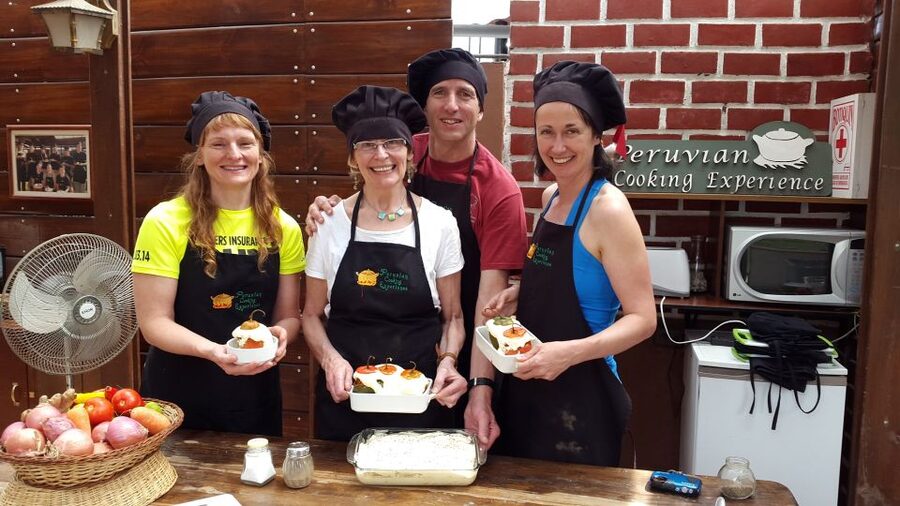
The chef explains the history of Peruvian food during the class. You’ll pick up how ingredients travel and how influences show up in the dishes, like the Chinese-Peru twist behind Lomo Saltado. That type of context makes your meal feel more meaningful than a list of steps.
You also learn practical technique. For example:
- How to build a salad with texture and balance, like Solterito
- How peppers carry the flavor in Rocoto Relleno
- How yellow pepper and lemon shape the taste of Causa
- How wok cooking changes the feel of stir-fry style dishes
- How lemon marinates fish in ceviche
That’s what you’ll remember next time you cook. It’s not just eating. It’s learning how the flavors are constructed.
Chef and Group Dynamic: Small Class Size Is a Real Advantage
The class is capped at 12 people, and that shows in how the chef can keep an eye on what’s going on. It also keeps the atmosphere more personal, not chaotic.
One chef name you might run into is Diana. A recent participant praised her as a perfect teacher and noted that her instructions and energy helped everyone have fun with the group. Another person highlighted clear English and a well-prepared, organized course. That’s the kind of combination that makes a cooking class feel fair, not overwhelming.
The downside can be simple: if the background music is too loud, it can make it harder to hear instructions at the table. So if you’re sensitive to noise, consider bringing a pair of earplugs. It’s not a deal-breaker, just good planning.
Lunch or Dinner and the Pace: What 2 Hours Feels Like
You choose a time slot for either lunch or dinner, and you eat the two dishes you cooked. Since the total duration is 2 hours, you should assume this is a fast, organized flow.
A potential issue to know: if the class runs rushed, it can change how much you get out of certain parts, including dessert. The good news is that dessert is included, and the plan is to taste it at the end. But timing matters in short experiences.
So plan your day with a little breathing room afterward. You’ll want time to enjoy the meal, not rush off to your next stop immediately.
Price and Value: Is $63 Worth It in Arequipa?
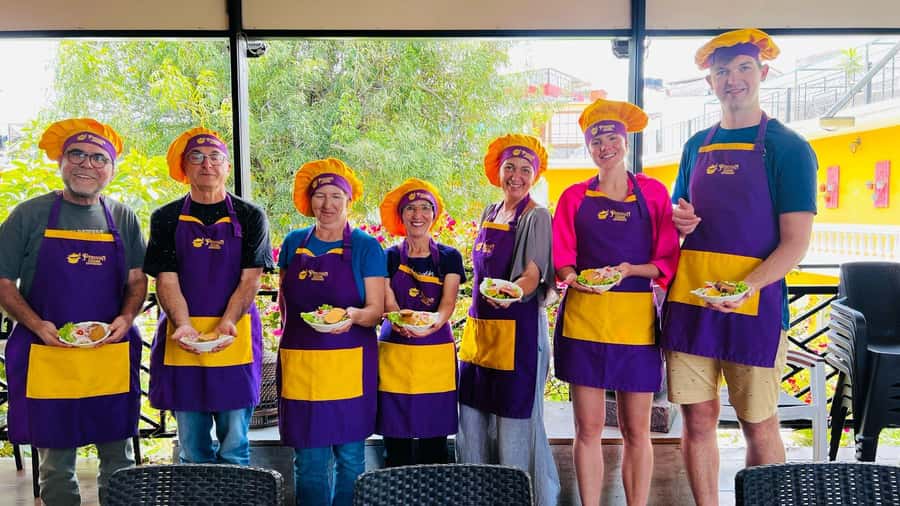
At $63 per person for a 2-hour, hands-on class with a professional chef, cookware and ingredients, two dishes, Chicha Morada, and dessert, the value is solid if you want more than a snack.
Here’s why it can be worth it:
- You’re paying for active cooking, not just observation
- You get two full courses from one menu
- The chef instruction is in Spanish and English
- Small group size improves the quality of interaction
- You also get Wi-Fi included, which is a small but practical extra
Where it can feel less worth it is when menu selection doesn’t match what you requested or the class pace feels tight. So the real value depends on two things: your clarity about your menu choice and the class’s timing that day.
If you like interactive experiences and you’ll actually cook, you’ll likely feel it was a good use of time. If you want a slow, relaxed food tour vibe, this may feel a bit speedy.
Practical Tips Before You Go (So You Don’t Lose Your Flavor Focus)
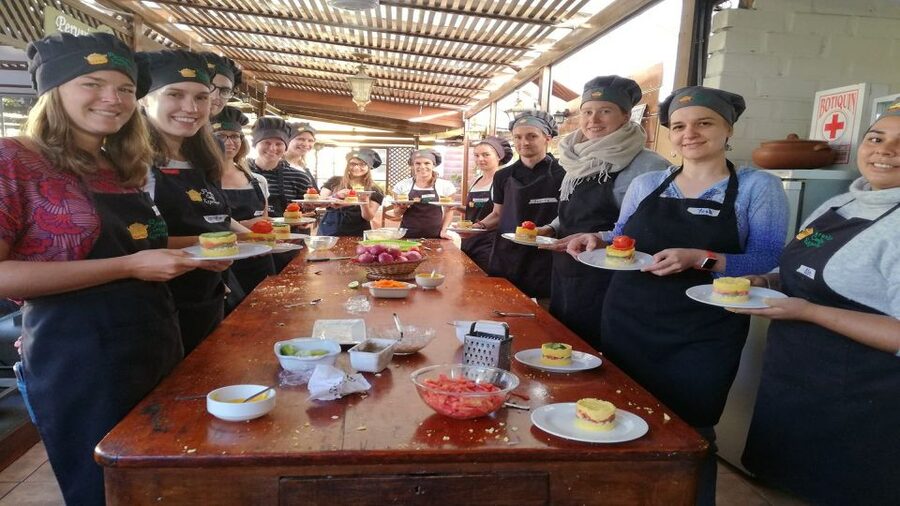
Bring comfortable clothes. You’ll be standing, cooking, and moving around enough that stiff clothing can be annoying. Also, consider wearing something with sleeves you don’t mind getting a little food on.
When you book, pay attention to menu selection:
- If you want Andean, Traditional, or Seafood, make sure your chosen menu is confirmed after reservation
- If you’re vegetarian, request that option at booking
- If you have allergies or dietary restrictions, tell them at booking so the menu can be adapted
Also, plan transport to the meeting point yourself. No roundtrip hotel transfers are included, so you’ll want to know how you’ll reach Casa de Avila Hotel in the historic center.
And yes, arrive a few minutes early if you can. In a 2-hour class, arriving late can knock you off rhythm quickly.
Who This Cooking Class Suits Best
This is a great fit if:
- You want an active cultural experience, not just a meal
- You enjoy learning through cooking and asking questions
- You like small groups and a chef-led format
- You want a taste of Peru in a short window while you explore Arequipa
It may not be the best fit if:
- You strongly prefer a single specific menu and want zero flexibility
- You’re expecting a long, slow dinner experience
- You’re traveling with small children, since it is not suitable for children under 8
Should You Book It? My Decision Guide
Book it if you want a hands-on way to understand Peruvian flavors in Arequipa’s historic center. The combination of chef instruction in Spanish and English, a small group, two dishes, chicha morada, and dessert makes it a strong value package for $63.
Don’t book blindly if menu choice is non-negotiable for you. When you confirm your reservation, double-check that the menu you want is the one you’ll cook. If you have allergies, treat the booking message as your key safety step.
If you go in ready to cook and taste, you’re likely to leave with practical skills and a better sense of how Peruvian cuisine builds flavor.
FAQ
Where is the meeting point for the Arequipa Peruvian cooking class?
The meeting point is at Casa de Avila Hotel in the historic center of Arequipa.
How long is the cooking class?
The class duration is 2 hours.
What menus are available to cook?
You can cook one of three menu options: Andean (Solterito and Rocoto Relleno), Traditional (Causa and Lomo Saltado), or Seafood (Ceviche and Pescado a lo Macho).
Is Chicha Morada included?
Yes. You’ll start with a welcome drink called Chicha Morada, a sweet nonalcoholic purple corn drink, and it is included.
Can you accommodate vegetarian diets or allergies?
Vegetarian options are available if you request them when booking. If you have allergies or dietary restrictions, you should let the organizers know at the time of booking so they can adapt the menu.
Are hotel transfers included?
No. Roundtrip transfers to and from your hotel are not included.
Recently reviewed around Arequipa
- 2-Day Tour to the Magical Colca Canyon★ 4.5 · 29 reviews
- Full Day Tour to Colca Canyon from Arequipa★ 4.0 · 34 reviews
- Full Day Trip to Colca Canyon from Arequipa★ 4.0 · 34 reviews
- Full Day Tour To The Salt Lake Salinas in Arequipa★ 4.5 · 34 reviews
- Tour Fullday Colca Canyon with Breakfast and Typical Lunch★ 4.3 · 35 reviews
- Colca 2 Days and 1 Night★ 5.0 · 35 reviews
- 2 Day Trek Including Transfer to Puno / Colca Canyon★ 4.5 · 38 reviews
- 3-Day Colca Canyon trek with Professional Guide★ 5.0 · 40 reviews
Cooking Classes, compared.
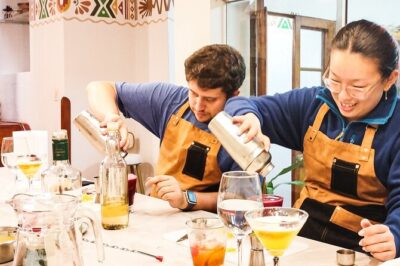
Peruvian Cooking Class Cocktails and Market Tour in Cusco
Read our review →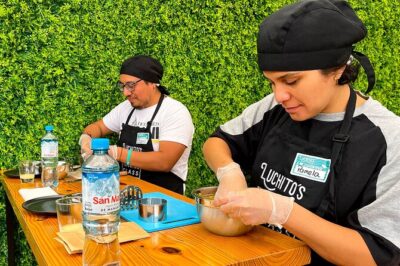
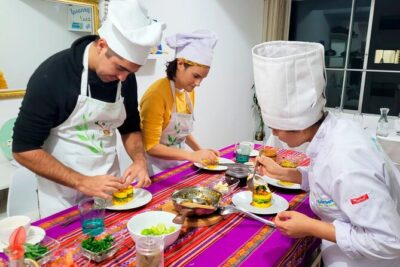
Peruvian Cooking Class, Local Market Tour & Exotic Fruit Tasting
Read our review →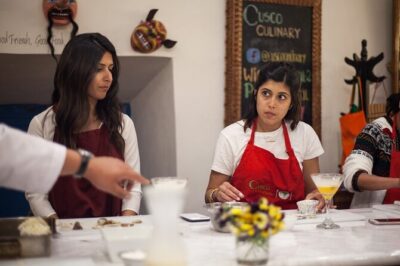
Cusco Cooking Classes and San Pedro Market Tour
Read our review →
Peruvian Cooking Class, Cocktails & Local Market Tour
Read our review →
Hands-on Peruvian Cooking Class & San Pedro Market Visit in Cusco
Read our review →
Local Market and Peruvian Cooking Class with Pisco Sour in Cusco
Read our review →
Traditional Peruvian Cooking Class and Market Tour in Cusco
Read our review →Browse the lists this tour appears in