
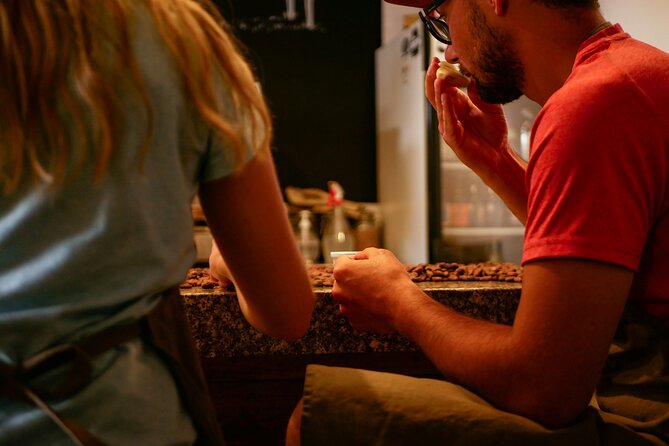
Reviewed · WORKSHOPS
Chaqchao Chocolate Making Workshop
This is one of the more interesting ways to understand chocolate in Peru because you are not just tasting. You are doing bean-to-bar work, from roasting the cacao to making a chocolate bar with Andean ingredients, all inside the Chaqchao café.
What I like most is how hands-on it feels in a private workshop setting, and how you get both a cultural drink experience (cacahuatil) and a serious taste lesson with a blind tasting. One thing to plan for, the whole session runs about 2.5 hours, so it is not the kind of activity you tack on between quick errands.
Key Points at a Glance
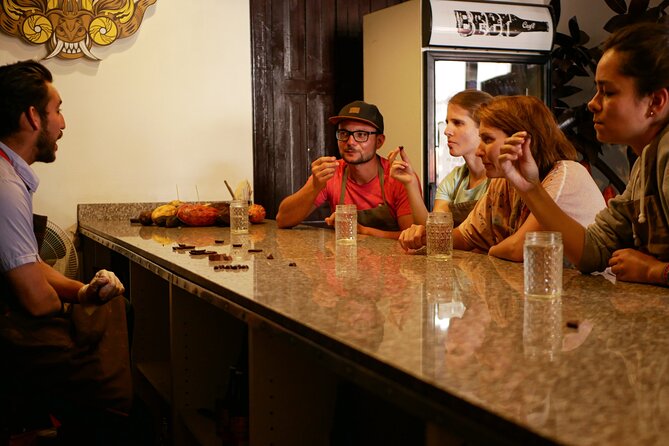
- Private, one-group class: only your group participates.
- Hands-on cacao process: roasting beans and making cacao paste with a granite stone mortar.
- Cacahuatil lesson: you taste and make a traditional Mexican-style cacao drink.
- Blind chocolate tasting: compare commercial vs artisan flavor differences.
- Take-home chocolates: you make bars and add Andean grains like quinoa and kiwicha, plus coca.
- Real instructor energy: guides like Andreas and Joshua come up often for their upbeat teaching style and clear English.
Getting There and Understanding the Setup at Chaqchao Café
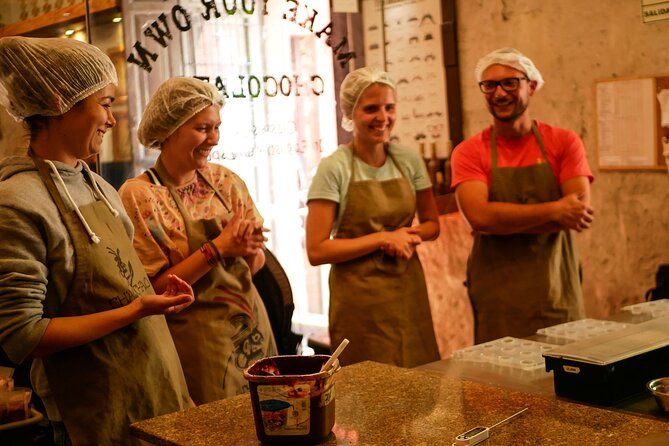
Your workshop starts at Santa Catalina 204, Cercado De Arequipa 04001. The activity ends back at the meeting point, so you can plan a clean block of time without worrying about a long transfer.
The class happens within the Chaqchao café. That matters more than you might think. You are surrounded by the stuff you are learning, including bean-to-bar chocolates, organic Peruvian coffee, homemade desserts, and craft Peruvian beer. If you arrive a bit early, you can browse and settle in. If you arrive hungry, you will still have the chance to taste what you make, so it usually lands as a complete “hands-on food experience,” not a quick demo.
This is also near public transportation, which is handy in Arequipa when you do not want to fight for parking or rely on taxis for everything.
A few more Arequipa days worth comparing
- Bean to Bar Chocolate Workshop in ChocoMuseo Cusco
★ 5.0 · 410 reviews - Bean-to-Bar Chocolate Workshop in ChocoMuseo Lima Miraflores
★ 5.0 · 258 reviews - Chocolate Workshop in Cusco with Premium Organic Cacao
★ 5.0 · 75 reviews
Choosing the Right Class Time in Arequipa
Chaqchao typically runs classes at 11:00 AM or 2:45 PM. The workshop itself runs about 2.5 hours. You will want to pick your time based on the rest of your day, not just convenience.
One practical tip: if you book, you should send a message to tell them what time you prefer. They specifically ask you to reach out by email or WhatsApp, and that message matters because the class normally operates at those two set times. If you do not message, you might still get confirmation, but it is better to be proactive.
If you are traveling with a tight schedule, book early. On average, this one gets snapped up around 13 days in advance, which is another reason to lock in your spot sooner rather than later.
What a Private Workshop Really Means Here
This is a private tour or activity, meaning only your group participates. In practice, that changes the feel of the class. You get more time to ask questions, and you are less likely to be shuffled through steps just to keep a larger group on pace.
The reviews strongly point to instructors who bring energy and humor into the room. Andreas is mentioned often for enthusiasm, clear explanations, and keeping things fun without rushing. Joshua also gets named as patient and informative. Even when the class is small, you can expect the instructor to stay active and guide you step by step, instead of leaving you alone at the workstation.
That personalized pace is a big part of why this workshop lands as a standout activity for both solo travelers and families.
The Core Experience: Bean to Bar, Step by Step
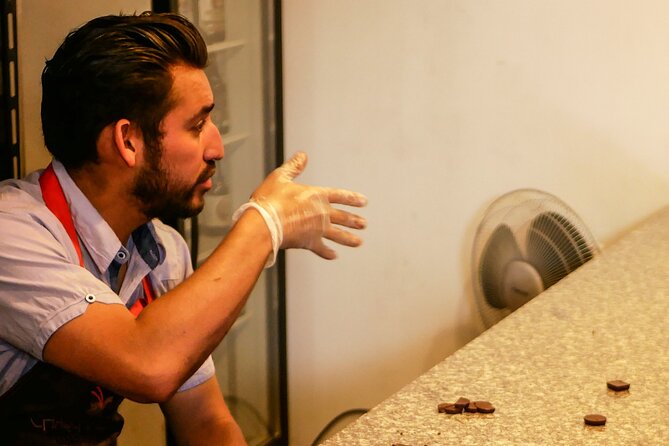
The workshop covers the chocolate story from cacao origin to finished candy. Here is the sequence you can expect, and why each step is valuable.
More workshops in Arequipa:
- Peruvian Cooking Class in arequipa
★ 5.0 · 41 reviews - Arequipa: Peruvian Cooking Class
★ 4.4 · 9 reviews - Peruvian Cooking Class Cocktails and Market Tour in Cusco
★ 5.0 · 1,712 reviews - #1 Reviewed Lima Cooking Class
★ 5.0 · 995 reviews
Roasting your cacao beans (the flavor switch)
You start by roasting your own cacao beans. Roasting is where the aroma changes from “raw” to “chocolate.” It also teaches you something useful beyond this class: cacao can taste wildly different depending on processing. When you control the roast, you feel that change instead of just reading about it.
If you have only ever seen chocolate wrapped in foil, this part is a reality check. You get to handle the ingredient itself, not just the product.
Making cacao paste the traditional Mexican style
Next, you make cacao paste in the traditional Mexican style using a granite stone mortar. This is not just a cultural detail. Grinding and pressing affect texture and flavor release, and the mortar method keeps you connected to the physical work of turning beans into something creamy.
This is the part that tends to be memorable for hands-on people. It is tactile, a bit gritty at first, and then it comes together.
Learning cacao history while you work
You also get an explanation of the bean-to-bar process and history of cacao. The point is not to drown you in dates. It is to give you a framework for why different chocolates taste different, and why artisan makers pay attention to process, not just branding.
Even if you think you already know chocolate, the class structure nudges you into seeing it as craft.
Cacahuatil: The Drink That Connects Chocolate to Culture
One of the most distinctive parts of this experience is cacahuatil, a traditional Mexican-style chocolate drink. You taste it as part of the workshop, then you also make it.
Why this matters: it reminds you that chocolate did not begin as a candy bar. It started as a drink, with a different texture, aroma, and role in meals. You will pick up flavor cues that later help you understand the differences in the blind tasting.
If you like food experiences that connect to culture through ingredients and method, this section is a real win. And it keeps the workshop from feeling like a purely technical lab.
Blind Tasting: How to Catch Commercial vs Artisan Chocolate
Then comes the blind taste. You will sample different chocolates without knowing which is which, so you can focus on flavor instead of packaging and marketing.
This is where the class pays off for your future chocolate shopping. Once you train your palate a bit, you start noticing differences like:
- sweetness level
- how strong cocoa flavor comes through
- mouthfeel, especially how chocolate melts
- aftertaste
One review detail that matches this: the class includes competition-style taste testing to help you identify what is real and what is more commercial. Even if you are not competitive, the format keeps you alert and makes the lesson stick.
This is also a good moment to ask questions, because your tasting makes the theory instantly relevant.
Making Your Own Chocolates With Andean Ingredients
Finally, you make your own chocolates, with Andean grains like quinoa, kiwicha, and coca to take home. This is a fun twist because it is not just “chocolate with toppings.” It is a chance to blend cacao with ingredients tied to the Andes and Peruvian food culture.
You also get to learn the practical workflow of producing finished pieces, not just mixing ingredients and calling it done. Reviews mention hands-on steps like grinding and, in some sessions, tempering, which makes sense because proper texture matters in the final bar. You should expect to get real participation at the workstations.
Then you leave with a bag of chocolates you made. For many people, that is the main reason they book on their last day in Arequipa, because it turns the class into a souvenir that actually tastes good.
Where the Café Fits Into the Value
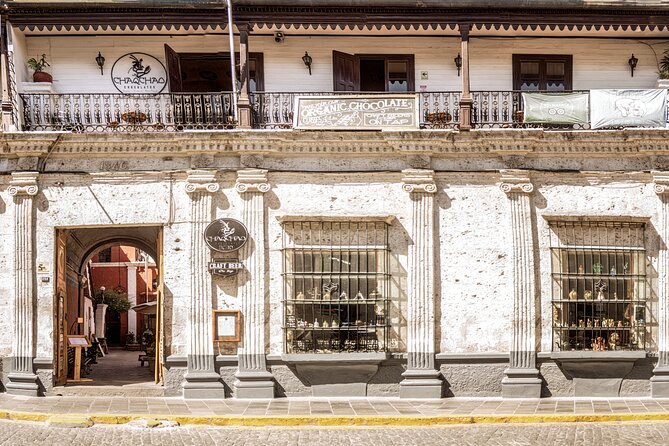
Because everything happens in Chaqchao café, the experience is easy to frame as a half-day food activity. You are not shuttled to another location and dropped off. You are learning in the same place where they sell related products.
That is practical for you. It means if you discover you love the organic coffee, or you want another dessert after the class, you can do it without planning an extra stop. It also gives you a chance to browse the bean-to-bar range before you go, so you can compare what you made with what they offer for sale.
Price and Value: Is $35 a Good Deal?
At $35 per person for about 2 hours 15 minutes to 2.5 hours, this workshop is priced like a small group food class, not a luxury culinary tour.
Here is the value math that matters:
- You get multiple hands-on steps (roasting, grinding, paste-making, drinking cacao).
- You get tastings (including a blind comparison) that teach you how to evaluate chocolate later.
- You make chocolates and take them home.
- You are not competing with a large crowd for attention because it is private for your group.
- The content covers both craft technique and a cultural thread through cacahuatil.
If your goal is simply to taste chocolate, you could do it elsewhere for less. But if you want skills, context, and a take-home result, $35 feels like a fair trade for a session that uses cacao in multiple forms.
One more value point: it is a popular activity, booked about 13 days in advance on average. When something sells that consistently, it usually means people keep finding it worth their time and money.
Timing and Day Planning Tips That Actually Help
Because the class is long enough to feel like a real block, schedule it when you have a little breathing room before and after.
If you book the 11:00 AM slot, you can often use the rest of the day for sightseeing without rushing. If you book 2:45 PM, keep your evening open because you will be working, tasting, and making. You will likely want a low-key dinner plan afterward.
Also, remember this workshop depends on good weather. If poor conditions cancel it, you will be offered a different date or a full refund, so keep that flexibility in mind when your itinerary is tight.
Who Should Book This Chocolate Workshop
This is a great fit if you:
- love chocolate but want more than a basic tasting
- enjoy hands-on cooking or food-making activities
- want a cultural link through cacao and cacahuatil
- travel with family, including teenagers who can handle active work steps
- prefer private, instructor-led experiences in a small setting
Solo travelers can also feel right at home. Several people mention they did the class solo and still got a lively, engaging experience with plenty of attention.
If you hate mess or prefer purely passive experiences, consider that you will be handling cacao beans and grinding. If you are okay getting a little hands-on, you will likely have a good time.
Should You Book Chaqchao? My Take
Book it if you want a chocolate experience that actually teaches you something. The combination of roasting, cacao paste with a granite stone mortar, cacahuatil, and a blind tasting makes it more than a sweet snack tour. And the take-home chocolates with Andean ingredients turn the class into a tangible result you can share.
Skip it or be cautious if you only want a quick bite and you cannot spare about 2.5 hours. Otherwise, this is one of the strongest value choices in Arequipa for chocolate lovers who want the real process, not just the final product.
FAQ
FAQ
How long is the Chaqchao Chocolate Making Workshop?
The class runs for about 2.5 hours (listed as approximately 2 hours 15 minutes as well).
What time do the classes run in Arequipa?
Classes normally run at 11:00 AM or 2:45 PM.
Is it a private class?
Yes. It is a private tour or activity, so only your group will participate.
Where is the meeting point?
You meet at Santa Catalina 204, Cercado De Arequipa 04001, Peru.
What do I make during the workshop?
You roast cacao beans, make cacao paste in the traditional Mexican style with a granite stone mortar, make and taste cacahuatil, do blind chocolate tastings, and make chocolates you can take home using Andean grains.
What ingredients are used in the chocolates I take home?
You make chocolates with Andean grains such as quinoa, kiwicha, and coca.
How much does the workshop cost?
It costs $35.00 per person.
Do I need to tell them what time I want?
They ask you to send a message telling them what time you prefer (either 11:00 AM or 2:45 PM) by email or WhatsApp.
Is weather a factor?
Yes. The experience requires good weather, and if it is canceled due to poor weather, you will be offered a different date or a full refund.
Recently reviewed around Arequipa
- 2-Day Tour to the Magical Colca Canyon★ 4.5 · 29 reviews
- Full Day Tour to Colca Canyon from Arequipa★ 4.0 · 34 reviews
- Full Day Tour To The Salt Lake Salinas in Arequipa★ 4.5 · 34 reviews
- Full Day Trip to Colca Canyon from Arequipa★ 4.0 · 34 reviews
- Tour Fullday Colca Canyon with Breakfast and Typical Lunch★ 4.3 · 35 reviews
- Colca 2 Days and 1 Night★ 5.0 · 35 reviews
- 2 Day Trek Including Transfer to Puno / Colca Canyon★ 4.5 · 38 reviews
- 3-Day Colca Canyon trek with Professional Guide★ 5.0 · 40 reviews
Workshops, compared.
Peruvian Cooking Class Cocktails and Market Tour in Cusco
Read our review →
Peruvian Cooking Class, Local Market Tour & Exotic Fruit Tasting
Read our review →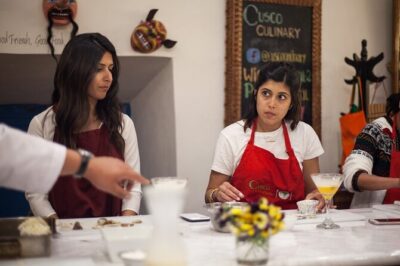
Cusco Cooking Classes and San Pedro Market Tour
Read our review →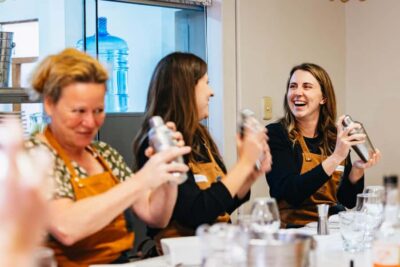
Peruvian Cooking Class, Cocktails & Local Market Tour
Read our review →
Hands-on Peruvian Cooking Class & San Pedro Market Visit in Cusco
Read our review →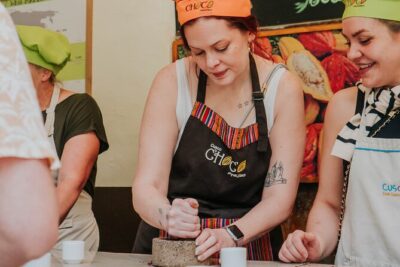
Bean to Bar Chocolate Workshop in ChocoMuseo Cusco
Read our review →
Local Market and Peruvian Cooking Class with Pisco Sour in Cusco
Read our review →Browse the lists this tour appears in