
Reviewed · 4-DAY EXPERIENCES
Classic Inka Trail: 4-Day, 3-Nights
The Classic Inca Trail is interesting because you walk the Andes the same way you entered in spirit, then you top it off with an early arrival to Machu Picchu. I like the guarantee of both your Inca Trail spot and your Machu Picchu ticket. I also like that the plan is built for smooth logistics, with transfers, camping, and meals handled for you.
One possible drawback to keep in mind is communication and gear expectations. A “private” pickup and drop can still end up being less door-to-door than you imagine, and the package does not include a sleeping bag, so you may need to rent one or bring your own. If you want everything crystal clear, you should confirm pickup time, exact meeting point, and any rentals before you arrive.
If you get the guide assignment that includes Sebastian, that matters. In one highlighted experience, Sebastian was praised for being both friendly and focused on Inca history. That kind of guide can turn a tough day on the trail into one you remember for the reasons beyond the view.
Key things that make this Classic Inca Trail stand out
- Guaranteed permit and Machu Picchu ticket, so you are not stuck chasing access while you are already in Peru
- Early start from Cusco at 6:00 am, plus a sunrise push to Inti Punku for a calmer Machu Picchu entry window
- Camping comfort details like personal tents (2 people per tent, inside 4-person capacity) and hot water for washing
- Guide-led stops at major ruins such as Runkurakay, Sayacmarca, Phuyupatamarca, and Wiñay Huayna
- Food handled for you, with vegetarian or special menus available at no extra cost, if you tell them ahead
- Small group cap of 15 travelers, with 2 guides when the group is over 8
Price and logistics: what $740 really buys you
At $740 per person, this is not a budget hike. But it can still be good value when you look at what is included versus what you would likely have to arrange yourself.
You are paying for the parts that are both expensive and annoying to coordinate:
- Your Inca Trail permit and Machu Picchu entrance fee
- Your train ticket from Aguas Calientes to Cusco (Expedition Service)
- Private transportation for key transfer legs, plus support in Cusco
- A trekking crew with an English-speaking official guide, plus a chef and cooking setup
- Camping infrastructure, meals, and washing water
The other practical advantage is that the day-by-day plan is built around altitude. It is not just “walk until tired.” You hit passes like Warmiwañusca (Dead Woman’s Pass) and the second high point around 3,950 meters, with scheduled meals and stops that help you keep moving without falling apart.
The tradeoff is that you still need to bring smart gear. The package lists recommended footwear, rain gear, and warm layers, and it explicitly notes that a sleeping bag is not included. Plan to handle that before you go, not on Day 1 with cold fingers and guesswork.
A few more Cusco days worth comparing
- Classic Inca Trail Trek 4D/3N to Machu Picchu (Group Service)
★ 5.0 · 8,653 reviews - Cusco: Rainbow Mountain and Red Valley Day Trip with Meals
★ 4.9 · 4,893 reviews - Machu Picchu: 4-Day Inca Trail Trek with Panoramic Train Ride
★ 5.0 · 4,568 reviews
Cusco to Chilca: Day 1 is mostly setup, plus first big views
Your day starts early. You get picked up from your hotel in Cusco around 6:00 am, then you ride by private bus to Chilca at Km 82, where the trek begins along the Inca route.
Before the trail even starts, you get two things that are worth it:
- A scenic bus ride through the Peruvian Andes
- A short break stop around 20 minutes in Ollantaytambo, which helps reset your legs and attention before you hike
Then comes the “get ready fast” moment. You unpack and prepare at the start point with your trekking guide and team. Have your passport on hand, since it is required during the process.
From there, Day 1 is a walking warm-up plus a high payoff:
- After about three hours of walking, you reach a lookout area where you can see Llactapata
- You stop for lunch there, then continue toward Wayllabamba, your campsite at about 3,000 meters
- Dinner is at the camp
Why this matters: Day 1 is your acclimation on purpose. You are not sprinting to the top. You are building rhythm, and you are learning what altitude does to your pace.
What to watch: take it easy at first. The Andes will make you feel “fine” and then suddenly not fine. If you rush on Day 1, you will feel it on Day 2.
Warmiwañusca on Day 2: the pass you earn, the view you remember
Day 2 is the toughest and most memorable hiking push in the classic four-day arc. The routine begins simply: tea in the morning, then breakfast, then you start climbing.
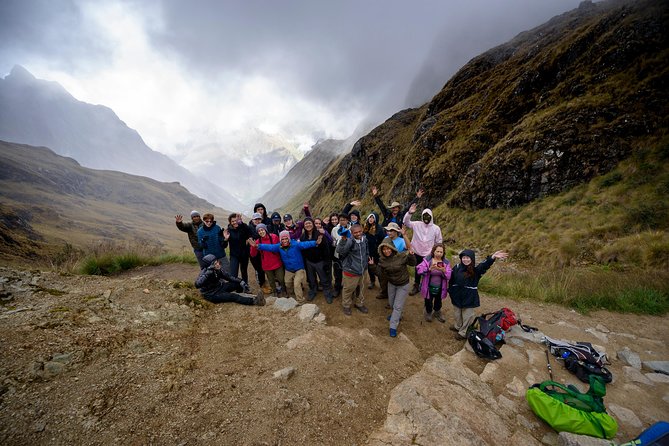
The big moment is the ascent to the highest point of the Inca Trail around 4,250 meters. As you climb, you also notice microclimates. That is not just poetic. You will feel different temperatures and conditions as you move across changing zones.
After about a five-hour walk, you reach the first major pass: Warmiwañusca, also called Dead Woman’s Pass. It is one of those points where you feel a mix of achievement and relief. You made it to the “line in the sand,” and now you can breathe again.
Then you descend to Pacaymayo for lunch, and you spend the night at the campsite at around 3,600 meters.
Practical note: the descent can feel easier while you are doing it, but it can also hammer your knees and hips. Trekking poles (rental is available) can help. If you like to minimize joint stress, bring or rent poles before you start.
Day 3 in the cloud forest: ruins, passes, and Wiñay Huayna
If Day 2 is the hardest, Day 3 is the most scenic and the longest in “feel.” You leave breakfast and start hiking into changing conditions that head toward the cloudy forest.
The second big pass sits at about 3,950 meters. This is also a day packed with archaeology stops, so you hike, pause, and learn, instead of just marching.
Key on-trail moments:
- A guided visit at Runkurakay on the way
- After the second pass, you visit Sayacmarca
- You continue to Phuyupatamarca, known as a cloud-level town, where you stop for lunch
- Then you descend to Wiñay Huayna, one of the most beautiful ruin areas along the trail
The campsite is right beside Wiñay Huayna. You drop your belongings, then you get a guided tour of the site. It is a late-day reward built into the schedule.
Night vibe matters too. This is when goodbyes happen. Your local guide organizes a small party to thank the porters and cooks for sharing the experience with you.
Why this day often sticks with people: it blends physical work with a strong sense of place. You are watching how altitude and weather shape the environment, and you are seeing ruins that sit right in that reality, not behind museum glass.
A different kind of day out of Cusco:
- Salkantay Classic Trek 5 Days from Cusco
★ 5.0 · 4,062 reviews - 4-Day Salkantay Trek with Sky Camp Stay
★ 5.0 · 3,346 reviews - Short Inca Trail to Machu Picchu 2D/1N
★ 5.0 · 3,007 reviews - Excursion to Rainbow Mountain Full Day Optional Red Valley
★ 5.0 · 2,996 reviews
Day 4 to Machu Picchu: sunrise at Inti Punku, then your guided loop
Day 4 is an early start again, because you are aiming for sunrise at Inti Punku. You set off very early after breakfast, then walk about one and a half hours through cloud forest to reach the Gate of the Sun.
When you arrive, you get a panoramic view of Machu Picchu. This is where “beating crowds” becomes real. The route is timed so you are in the right place early.
After that, you reach the citadel and take a guided tour of about two hours. You visit the main sites and monuments, then you get free time to wander on your own.
Your timing matters on the exit. After your visit, you take a bus down to Aguas Calientes, then catch the train back to Cusco or Ollantaytambo, based on your train ticket details. The tour ends back at the meeting point once you return.
What is not included on Day 4: lunch after the guided tour at Machu Picchu. So if you think you will get hungry, plan for snacks and pocket money in Nuevos Soles.
Camping comfort: the small things that make altitude survivable
A lot of trekking companies say “camping.” This one includes some practical upgrades that you will feel, especially when you are tired.
You get:
- Personal tents: 2 people sharing a tent that fits 4 in total capacity, which helps keep backpacks safer
- A chef and cooking setup so meals are not just survival food
- Hot water every morning and evening for washing
- Boiled water to fill your water bottle in the morning and at night, and at lunch if requested with enough time ahead
- A first-aid kit with an emergency oxygen bottle
Then there are the sustainability and hygiene details:
- One textile snack bag per person to avoid plastic bag use
- Bio-degradable personal hand soaps
You still need to bring the basics that the Andes demand: a warm layer, rain gear, and a hat. The camp routine will not feel like a resort, but the setup is designed so you can focus on the trail instead of improvising everything.
Food and vegetarian needs: good coverage, still confirm your specifics
Meals are included throughout:
- Breakfast (4)
- Lunch (3)
- Dinner (3)
Vegetarian or special menus are listed as available at no extra cost, as long as you advise at booking time.
Here is the one thing you should do to protect yourself: when you book, clearly state what you eat and what you do not. If you are primarily vegetarian but allow some meat sometimes, spell that out exactly. One highlighted experience praised the crew and food, but also included frustration when beef or ham showed up even after preferences were given. That is not something you want to gamble on.
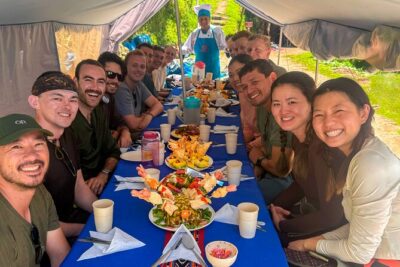
The good news: the crew is described as friendly and the food served from a make-shift tented kitchen was called super. For many people, this is a big part of why the long days feel doable.
Gear check that matches the actual demands
This trek is doable for “moderate physical fitness,” but the altitude and early starts mean you should plan like a serious hiker. You can rent certain items through upgrades, including:
- Hiking poles for $20
- Sleeping bag for $20
- Sleeping bag Deluxe Package (+ pillow and liners) for $30
- Private tent upgrade for $30
- Vistadome Train (one way) for $55
- Optional entry to Huayna Picchu or Machu Picchu Mountain for $70 (subject to availability)
Bring what you can, rent what you must. If you want a less stressful Day 1, do it all before you arrive in Peru.
From the packing guidance, the practical essentials are:
- Rain gear: rain-jacket and waterproof trousers
- Footwear: waterproof trekking shoes or resistant footwear
- Warm layers for cold nights
- Hat or cap
- Sun cream and insect repellent with at least 20% DEET
- Flashlight or headlamp
- Small rucksack
- A swimsuit, if you want the thermal baths in Aguas Calientes
One extra point: batteries drain faster in cold conditions. If you use a camera heavily, keep spares close to your body.
Train and Machu Picchu timing: the sunrise plan plus one optional upgrade
This package includes the train from Aguas Calientes to Cusco on the Expedition Service. If you want nicer scenery on the way, there is an upgrade to Vistadome Train (one way) for $55, with panoramic windows in the walls and roofs.
Whether you upgrade or not, the real “timing win” is on Day 4:
- early movement
- sunrise at Inti Punku
- guided loop around the citadel
- then a free exploration window
Optional add-ons exist too:
- Huayna Picchu or Machu Picchu Mountain entry is not included and costs extra, subject to availability
If you are the type who wants the view from the highest point, budget for that decision early, because availability can be the limiting factor.
Who should book this Classic Inca Trail trek
This trip is a strong fit if you want:
- a classic 4-day Inca Trail route to Machu Picchu from Cusco
- guided archaeology stops on multiple ruins sites
- camping support with washing water and a real cooking setup
- a plan that aims for early entry timing to Machu Picchu
It is also a good fit if you appreciate structure. The included transfers, meal schedule, and guide support reduce the mental load of doing a multi-day high-altitude trek.
I would think twice if:
- you hate any uncertainty about communication and pickup or drop points, because a highlighted experience included a mismatch in how close the return drop felt
- you have strict dietary needs and cannot tolerate substitutions, because even with advance preferences, a highlighted experience reported unwanted meat showing up
- you want to travel ultra-light, because you will likely need to rent a sleeping bag or bring one
One last decision factor: this experience is listed as non-refundable and not changeable. If your dates are fragile, you might want a backup plan.
Should you book this Classic Inca Trail: 4-Day, 3-Nights?
I think this is worth booking if you want the Classic Inca Trail experience with the hard-to-get pieces handled for you: the permit, the Machu Picchu entry, and the train back. The small group cap and the guide-plus-crew setup also make it feel less like a chaotic scramble and more like a real adventure with support.
Book it if you can commit to early mornings, warm clothes, and clear dietary preferences. If you do that, you’ll likely spend your energy on the trail, the passes, and the ruins, not on logistics.
FAQ
FAQ
What time does the pickup in Cusco start?
The start time is listed as 6:00 am.
Is the Inca Trail permit and Machu Picchu ticket included?
Yes. The tour includes the Inca Trail Permit and entrance fee to Machu Picchu.
Are meals included during the trek?
Yes. The package includes breakfast (4), lunch (3), and dinner (3).
Are vegetarian meals available?
Yes. Vegetarian or special menus are available at no extra cost, as long as you advise at booking.
Do I need to bring a sleeping bag?
A sleeping bag is not included, but you can rent one as an upgrade.
Where does the trek start from?
You are collected from your hotel and transferred to the starting point at Challacancha (Km 82).
What train is included after Machu Picchu?
The included train is from Aguas Calientes to Cusco using the Expedition Service.
Is hot water provided for washing while camping?
Yes. The package includes hot water every morning and evening for washing purposes.
Recently reviewed around Cusco
- 6-Day ||All Included|| Excursion – MachuPichu & Rainbow Mountain-Humantay Lake★ 4.5 · 8 reviews
- Horseback Riding thru the Mountains of Cusco★ 5.0 · 8 reviews
- Cuzco City Tour and Archaeological Ruins in Half Day★ 5.0 · 8 reviews
- Full Day – Rainbow Mountain tour – Group Service★ 5.0 · 8 reviews
- Half Day Tour in Cusco: Exploring the City and Four Ruins★ 4.5 · 8 reviews
- Machu Picchu and Sacred Valley 2 Day Tour★ 5.0 · 8 reviews
- Cusco 4 Days Machu Picchu and Sacred Valley | All included★ 5.0 · 8 reviews
- Walking Tour in Legendary & Historical Cusco City★ 4.5 · 8 reviews
4-Day Experiences, compared.
4-Day Inca Trail Trek with Panoramic Train Ride
Read our review →
Inca Trail 4-Day 3-Night Trek to Machu Picchu with Expert Guides
Read our review →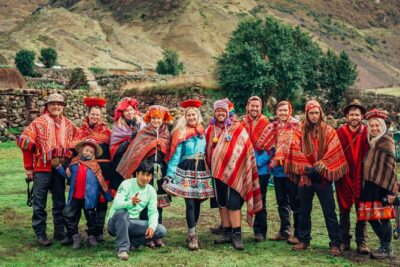
Lares Valley Trek with Hot Spring 4-Day, 3-Night
Read our review →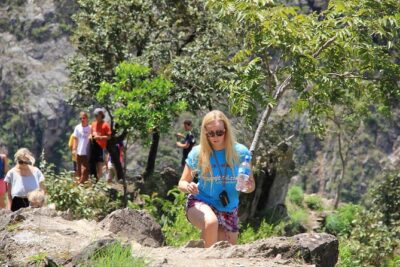
4-Day Inca Jungle Trail to Machu Picchu Hiking and Biking Tour
Read our review →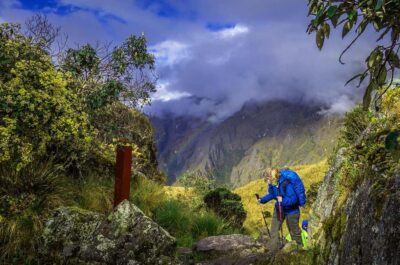
4-Day Inca Trail to Machu Picchu with Accommodation
Read our review →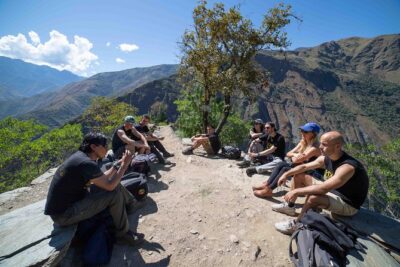
4-Day Adventure Tour: Inca Jungle Trail to Machu Picchu
Read our review →
Browse the lists this tour appears in