Reviewed · TICKETS
Cochahuasi Animal Sanctuary® Admission Ticket
Cochahuasi Animal Sanctuary is a standout wildlife stop near Cusco because you’re not just watching animals, you’re seeing how rescue and rehab work in real life. I love that you can skip the line with an advance admission ticket, so your day stays on schedule.
I also love that the visit is led by a local guide, who explains the animals you’ll see and why some can never be released. One possible drawback to consider is that you may notice enclosures and smaller living areas, since this is care for rescued wildlife, not a free-roaming park.
Key things I’d focus on before you go
- Advance ticket convenience: booking ahead helps you avoid waiting at the gate
- Guided, story-based visit: your local guide explains rescues and current status
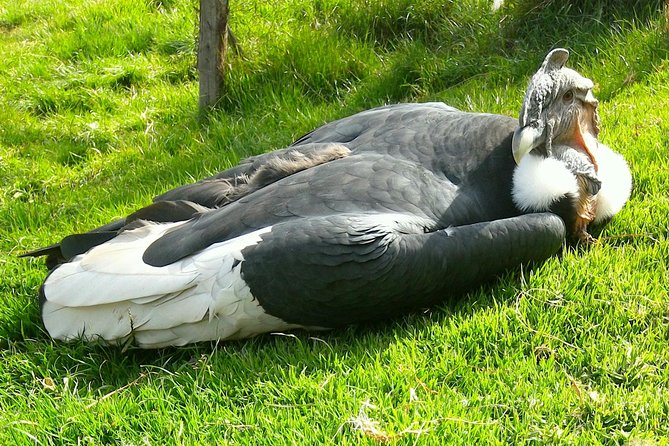
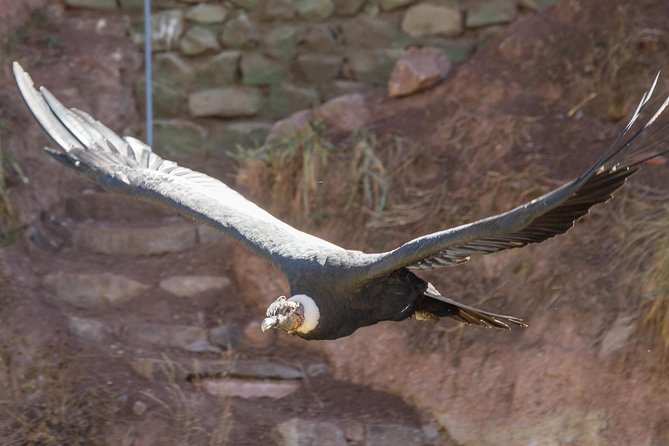
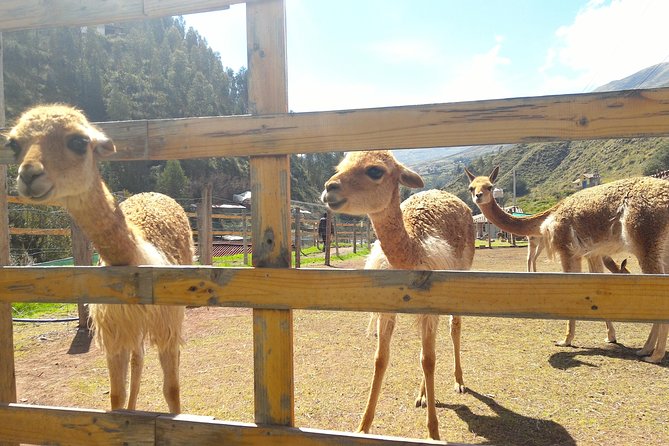
- Andean species up close: you may see condors, pumas, bears, monkeys, llamas, and alpacas
- Conservation mindset: some animals can be released after rehab, others stay permanently
- Plan transport carefully: the sanctuary is described as somewhat remote from Cusco
Cochahuasi Animal Sanctuary in Cusco, a quick wildlife detour that actually has purpose
Cochahuasi Animal Sanctuary gives you an hour-ish break from Cusco city time, while keeping the focus on wildlife conservation. The visit is built for a steady pace, not a long, exhausting day. For many people, that makes it an easy fit between other Cusco sights.
This is also the kind of activity where you’re likely to learn something you can talk about afterward, because rescued animals come with real stories. You’ll hear how abuse, trafficking, and human-caused injuries translate into rehab plans, and why sanctuaries exist in the first place.
If you’re traveling with a tight schedule, the duration matters. Expect about 45 minutes to 1.5 hours, depending on how many questions you ask and how long you linger at animal areas.
A few more Cusco days worth comparing
- Classic Inca Trail Trek 4D/3N to Machu Picchu (Group Service)
★ 5.0 · 8,653 reviews - Cusco: Rainbow Mountain and Red Valley Day Trip with Meals
★ 4.9 · 4,893 reviews - Machu Picchu: 4-Day Inca Trail Trek with Panoramic Train Ride
★ 5.0 · 4,568 reviews
Price and booking: how $10 compares to paying on the spot
The ticket price is $10.00 per person, and it includes entry plus a local guide. That sounds simple, but the value is really in what you get for the time. You’re paying for guided access and conservation context, not just walking through grounds on your own.
One practical note: some people report paying a higher amount if they pay directly at the sanctuary. If that’s your plan, it can be worth double-checking the current local price at the counter so there are no surprises when you arrive.
Timing also matters. Your ticket can be booked in advance, and the average booking window is about 6 days ahead, which tells me this visit can fill up when people schedule their Cusco week. Advance booking helps you avoid waiting in line, which is exactly what you want when you’re coordinating taxis and sightseeing blocks.
What’s included, what isn’t, and who the visit works best for
Your admission includes a local guide, and that is the main add-on value. You’re not just seeing animals, you’re getting help understanding the rescue history and what’s possible now for each one.
Food and drinks are not included. So if you’re coming from a morning of walking or you plan to combine this with other Cusco activities, I’d plan to grab a snack or water before you head out. The time on-site is short enough that skipping food is usually workable, but skipping hydration is where people feel it later.
A couple of helpful boundaries are clearly stated:
- Moderate physical fitness is recommended.
- Children must be accompanied by an adult.
- The group size has a maximum of 15 travelers.
That small group limit is underrated value. It tends to keep the visit more personal, and it makes it easier to ask questions without feeling like you’re in a crowded cattle line.
Your guided walk through Cochahuasi: what you’ll actually see
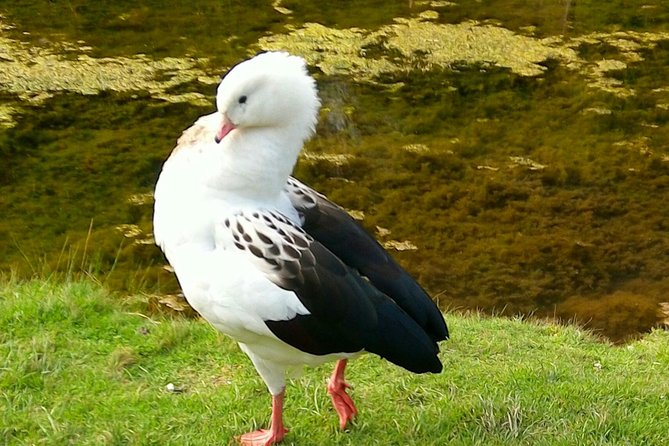
This ticket is for a single main stop: Cochahuasi Animal Sanctuary. Think of it as a guided route where you can also take your time. The goal is to get up close to rescued Andean wildlife while learning what happened to them, what their care looks like now, and what the sanctuary is working toward.
A different kind of day out of Cusco:
- Salkantay Classic Trek 5 Days from Cusco
★ 5.0 · 4,062 reviews - 4-Day Salkantay Trek with Sky Camp Stay
★ 5.0 · 3,346 reviews - Short Inca Trail to Machu Picchu 2D/1N
★ 5.0 · 3,007 reviews - Excursion to Rainbow Mountain Full Day Optional Red Valley
★ 5.0 · 2,996 reviews
The big species moments
Based on the sanctuary’s typical animal mix, you might see:
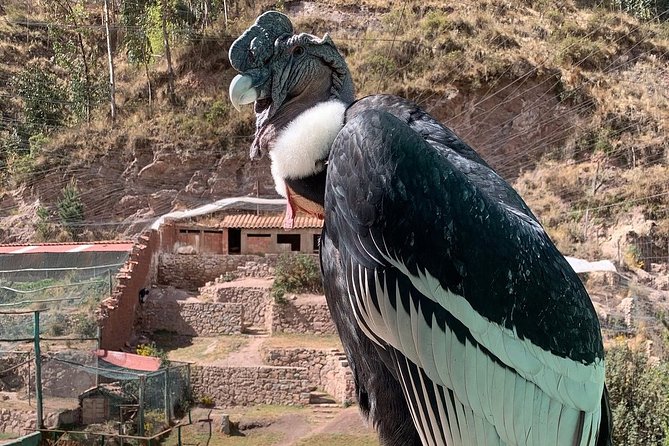
- Condors
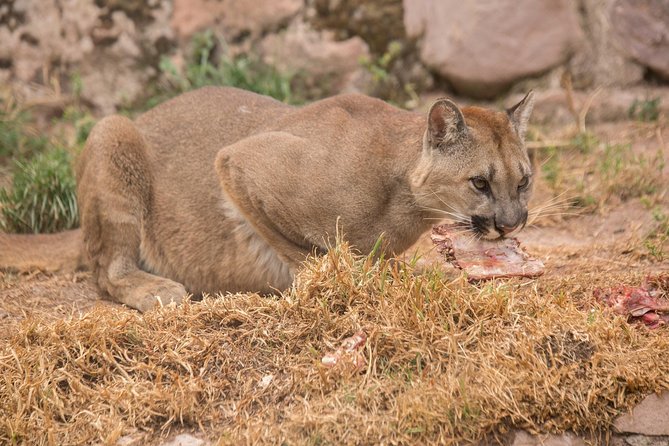
- Pumas
- Bears
- Monkeys
- Llamas and alpacas
People often mention condors and the smaller alpaca moments as highlights, like when you get the chance to interact with alpacas. Whether or not you get the interaction varies with the on-site schedule, but you should expect that alpacas are a common focal point in the visit.
The rescue stories that explain the cages
Some visitors go in expecting a fully natural setting. Instead, they’re surprised by the fact that animals are kept in controlled areas. The key is understanding why. Many rescued animals cannot go back to the wild due to injuries, health limitations, or because of human imprinting.
You may hear examples of extreme situations, like big cats that were once in terrible conditions. One story that comes up is pumas that had teeth and claws removed, after which the sanctuary helped them function again by providing dentures so they could eat. You may also hear how animals are separated into two categories in practice: those that can be released after rehab, and those that need a permanent sanctuary home.
That classification is the heart of the visit. It’s not about making the place look like a zoo brochure. It’s about being honest about what’s reversible and what isn’t after harm has already happened.
A realistic word on animal areas
If you’re sensitive to the idea of captivity, this is the point where you should be mentally prepared. One review-style concern you might echo is that some living areas can feel small, and that animals may be behind barriers.
Here’s the balanced way to think about it. Sanctuaries can be imperfect places that still represent the best option for animals that have already been harmed. The value is in seeing how care is managed, how diets and health needs are handled, and how the center supports long-term survival, not in pretending animals are in a natural ecosystem.
Conservation in plain language: why this place matters even if it feels uncomfortable
Cochahuasi’s conservation message is practical, not preachy. You’ll learn that rescue is only the first step. The hard work is rehab, ongoing treatment, and making daily life possible for animals that can’t return to their former world.
It also helps that the guide walks you through the animals’ current status. That turns a quick viewing experience into something more meaningful, because you’re connecting:
- the initial harm or trafficking situation
- the rehab process
- the final outcome, either release or long-term care
The fact that some animals can be released is important. It shows conservation isn’t just holding space forever. At the same time, the reality that many cannot return is equally important, because it explains why sanctuaries remain necessary.
If you like wildlife and you also like learning how conservation really works on the ground, you’ll probably leave with a better sense of what your money supports.
Time management: how long it takes, and how to keep it from eating your day
Since the visit runs about 45 minutes to 1.5 hours, it’s best thought of as a half-day anchor. You can slot it before dinner, or pair it with an earlier Cusco activity that doesn’t require late timing.
A tip that helps: treat the on-site time as flexible. Even though the structure is guided, you’ll likely want extra minutes for certain animals, especially the ones people talk about most like condors and alpacas. If you try to schedule this with a strict train or a late flight, you’ll be more stressed than you need to be.
Getting there without stress: transport and the remote feeling
Cochahuasi is not described as right in Cusco city center. People often call it fairly remote, and that affects your plan for getting there and back.
What’s worked well for others:
- taking a taxi from Cusco
- arranging pickup so you are not stuck waiting
- having a driver wait during your visit, sometimes for a small added fee
Uber is sometimes mentioned as less predictable when the destination feels far out. So I’d plan for a straightforward round-trip plan ahead of time, rather than assuming your phone will solve everything on-site.
Also keep in mind the sanctuary visit is short, but you will still be on your feet and moving between areas. Comfortable shoes are a good idea, especially if the ground is uneven.
Is it worth it? My decision guide for different travel styles
This ticket is a great match if you:
- want a wildlife-focused stop in Cusco that isn’t just photos
- care about conservation outcomes, not only animal viewing
- like short visits with a guide so you can ask questions
- prefer smaller groups, up to 15 travelers
It might be a tough match if you:
- strongly prefer wildlife to be fully free-roaming
- feel upset by the idea of animal enclosures, even when rescue care is the goal
- want a long, spacious nature experience rather than a guided sanctuary walkthrough
If you land in the middle, you’ll likely find the visit meaningful. The guide context matters, and it changes the way you interpret what you see.
Should you book the Cochahuasi admission ticket?
I’d book it if you want a short, guided encounter with rescued Andean wildlife and a clear explanation of conservation tradeoffs. The $10 price for entry with a local guide feels like fair value, especially when you use advance booking to avoid waiting.
If you’re uneasy about sanctuaries in general, go in with open eyes. This is care for animals who cannot simply go back to the wild. If you can accept that reality, the visit offers more understanding than a typical animal stop.
FAQ
How long does the Cochahuasi Animal Sanctuary admission ticket last?
The visit is approximately 45 minutes to 1 hour 30 minutes.
What is the price per person?
It costs $10.00 per person.
Where is the Cochahuasi Animal Sanctuary located?
It’s in Cusco, Peru.
What is included with the admission ticket?
The ticket includes a local guide.
Are food and drinks included?
No, food and drinks are not included.
How many travelers can be in the group?
The tour/activity has a maximum of 15 travelers.
Do I need moderate physical fitness for this visit?
Yes, travelers should have a moderate physical fitness level.
Do children need to be accompanied by an adult?
Yes, children must be accompanied by an adult.
When will I receive confirmation after booking?
Confirmation will be received at the time of booking.
What is the cancellation policy?
You can cancel for a full refund if you cancel up to 24 hours in advance of the experience start time. If you cancel less than 24 hours before, the amount paid is not refunded.
Recently reviewed around Cusco
- Cusco Cooking Class by ChocoMuseo in Cusco★ 5.0 · 29 reviews
- ATV Adventure to Moray and Maras Salt Mines – Half Day★ 4.5 · 29 reviews
- 1-day excursion to Machu Picchu from Cusco★ 5.0 · 29 reviews
- Private Tour Sacred Valley, Chinchero, Maras Moray, Ollantaytambo★ 5.0 · 29 reviews
- From Cusco: Humantay Lake with Breakfast and Buffet Lunch★ 4.5 · 29 reviews
- 4 Day – Inca Jungle to Machu Picchu★ 5.0 · 29 reviews
- 2-Day Machu Picchu Tour by Train from Cusco★ 4.5 · 29 reviews
- 2-Day Sacred Valley and Machu Picchu Tour By Train★ 4.5 · 29 reviews
Tickets, compared.

Skip the Line: Planetarium Cusco Admission Ticket
Read our review →
Machu Picchu Private Tour from Aguas Calientes (Tickets included)
Read our review →
Hop-On Hop-Off Tourist Bus in Lima – Tickets 24h, 48h or 72h
Read our review →