Reviewed · MORNING
Cusco: Archaeological Park Morning Tour
What makes this Cusco morning tour interesting is how it connects Inca religion and water across several big archaeological sites. I love how the stone scale at Sacsayhuaman hits you right away, and I love the underground setting at Qenqo, where the sun cult feels built into the rock itself.
One possible drawback is logistics at the end of the tour. You finish around Calle Plateros, and if your hotel is farther out, you may need to spend extra time orienting yourself. (In one case I’d treat as a cautionary note, even when a guide like Willians did a good job, the provided return address led to delays.)
Key things to know before you go
- 6 hours, tight and focused: a morning route that fits major sites without an all-day grind
- Inca “water thinking”: aqueducts, gutters, and ritual water show up in multiple stops
- Qenqo’s underground galleries: a guided look at the maze-like sacrifice area
- Watchtower design at Puca Pucara: terraces and walls made for surveillance
- Realistic walking time: you’ll move between sites, so comfortable shoes matter
- Entry fees are extra: plan for the tourist ticket (70 soles) plus Koricancha (15 soles)
A morning route that actually makes sense
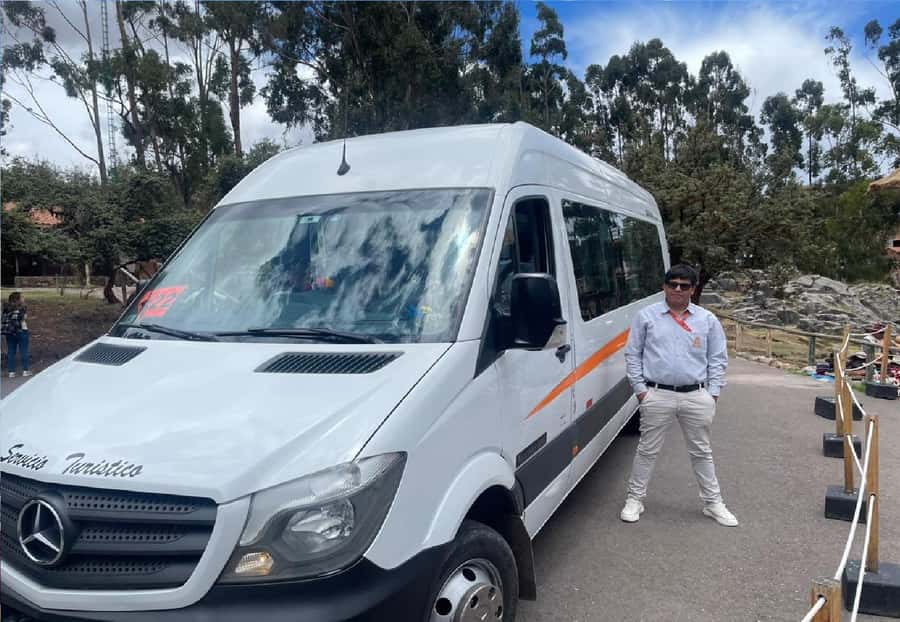
This is the kind of Cusco tour I like: short on fluff, heavy on context. You’re picked up at 8:45 AM from your hotel area, you get a professional guide, and you’re back near the center of Cusco around 2:00 PM to 2:30 PM. That timing is ideal if you want the morning for archaeology, then keep your afternoon for Cusco’s plazas, markets, or just recovering from the altitude.
The route is built around two themes you can keep in your head as you go: what the Incas believed (sun worship and ritual spaces) and how they handled water (aqueducts, water gutters, channels, and controlled flow). Even if you only remember a few terms, you’ll start noticing patterns in how sites were laid out.
You’ll also get a bus or coach ride between stops, with an initial transfer time around 20 minutes. So this isn’t a long hike day. It’s still outdoor time, still stairs and uneven ground, so bring comfortable shoes and expect some walking.
A few more Cusco days worth comparing
- Classic Inca Trail Trek 4D/3N to Machu Picchu (Group Service)
★ 5.0 · 8,653 reviews - Cusco: Rainbow Mountain and Red Valley Day Trip with Meals
★ 4.9 · 4,893 reviews - Machu Picchu: 4-Day Inca Trail Trek with Panoramic Train Ride
★ 5.0 · 4,568 reviews
Coricancha: Cusco’s sun-temple starting point
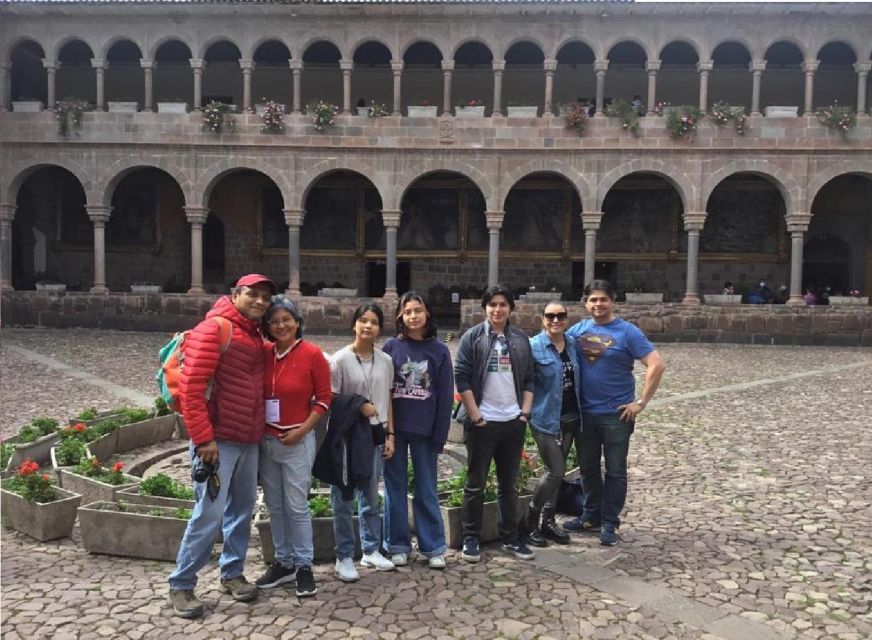
The tour includes a guided visit to Coricancha for about 45 minutes. This stop matters because it sets the “why” before you move into the “how.” Coricancha is where the Inca sun cult and sacred architecture mindset becomes obvious, even at a glance.
Here’s what I’d pay attention to during the guide talk: the idea that sacred space was not an afterthought. Coricancha was meant to be used, to be read visually, and to connect belief with place. When you later stand at other sites, you’ll have a reference point for how the Incas used design to reinforce ritual.
Practical tip: Coricancha is a good place to ask your guide to point out key architectural details while you’re still fresh. If you wait, you’ll spend the rest of the day trying to remember what you already saw.
Sacsayhuaman: massive stones and ritual water logic
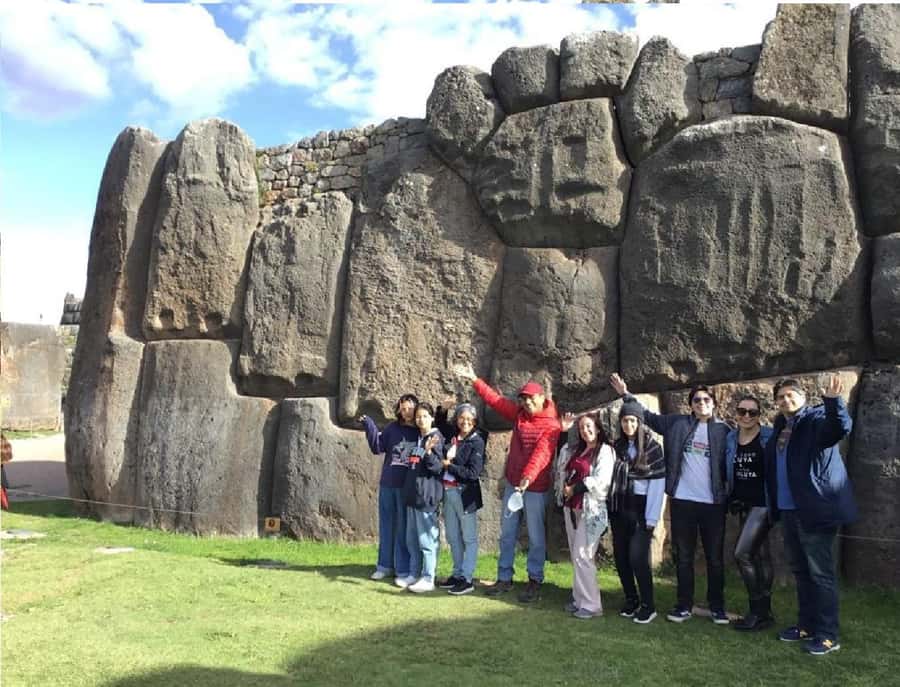
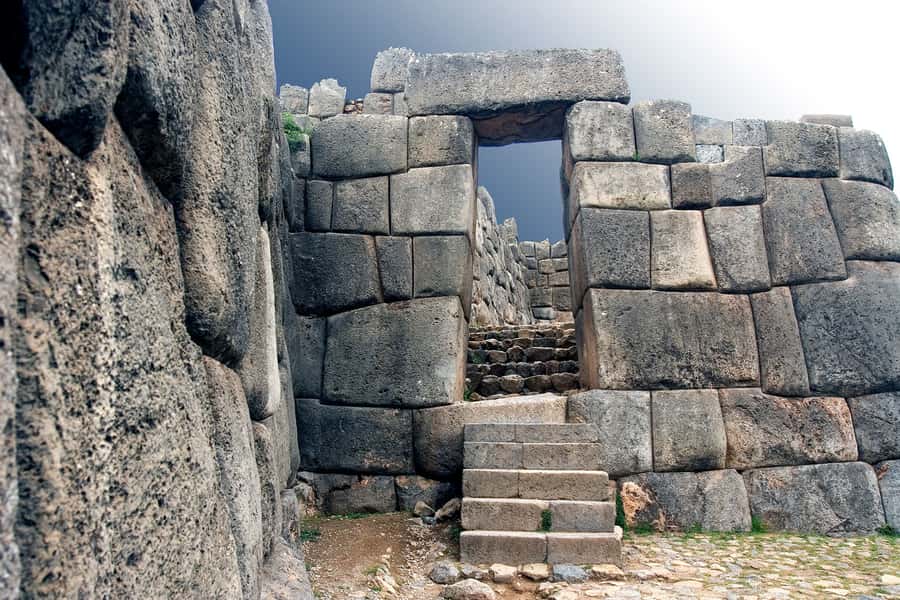
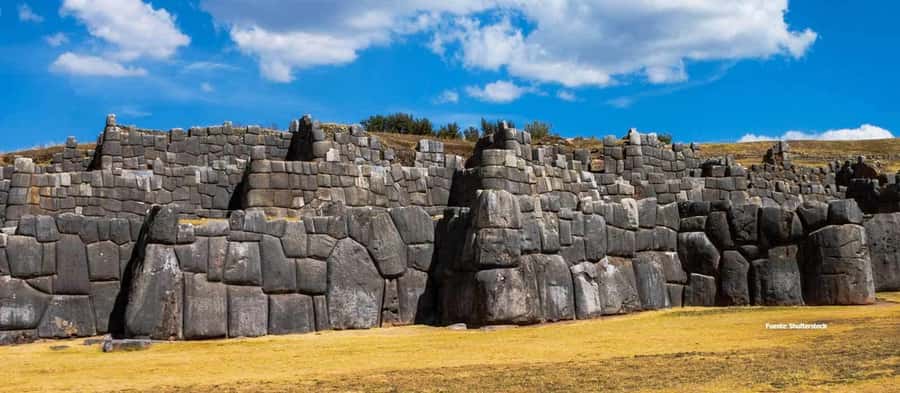
Next up is Sacsayhuaman with a 45-minute guided tour. This is the site where the tour’s opening promises start feeling real. The huge rockwork can look dramatic in photos, but on the ground it’s more than spectacle. It helps you understand how much effort the Incas put into building statements of power and devotion.
What I like about this stop is the way the guide frames it: you’re not just looking at walls, you’re learning how the site also ties back to sun reverence and water use. The morning tour description connects Sacsayhuaman with towers and temples tied to reverence and water, and that helps you interpret the layout rather than only admire it.
You’ll likely notice how the site is structured for visibility and movement. Even without perfect technical knowledge, you can see why this place would feel imposing and purposeful. It’s one thing to say Incas were engineers, it’s another thing to watch the scale of the stonework make that claim feel physical.
Good to know: this stop can involve some uphill walking and uneven surfaces. If your feet tire fast, slow down early so you don’t run out of energy for Qenqo.
Q’enqo: underground galleries made for ritual
Then you move to Q’enco, also guided for about 45 minutes. This is one of the tour’s strongest picks because Q’enco is not just an outdoor complex. It includes underground galleries that create a labyrinth-like route, described as a setting for sacrifices tied to the Sun God.
This is where a good guide changes everything. When your guide explains how the underground spaces connect to the site’s purpose, it stops feeling like random corridors in a rock wall. You start seeing it as a designed experience: you enter, you move through, and the setting is part of the ritual language.
If you get a moment before the guided talk, take a second look at the entrances and the way pathways are carved. You don’t need to be an archaeologist to sense that the Incas shaped access intentionally.
Photo break nearby: there’s also a stop at Bosque de Eucaliptos de K’enko for about 35 minutes. It’s positioned as a photo stop, so treat it like a short breather. Stand where your guide suggests, snap a few pictures, then hydrate. This break helps you stay upbeat for Puca Pucara and Tambomachay.
A different kind of day out of Cusco:
- Salkantay Classic Trek 5 Days from Cusco
★ 5.0 · 4,062 reviews - 4-Day Salkantay Trek with Sky Camp Stay
★ 5.0 · 3,346 reviews - Short Inca Trail to Machu Picchu 2D/1N
★ 5.0 · 3,007 reviews - Excursion to Rainbow Mountain Full Day Optional Red Valley
★ 5.0 · 2,996 reviews
Puca Pucara: terraces and watchtower design
After the Q’enco area, the tour continues with Puca Pucara, a surveillance center made of terraces, staircases, and large walls. Even if you’re not into military history, the design is easy to read. Terraces and stair steps are built for climbing, moving, and managing visibility.
What I think is valuable here is the way Puca Pucara gives your earlier stops context. You’ve seen sacred spaces. Now you’re seeing strategic space. It reinforces that Inca architecture wasn’t split into categories like religion only or engineering only. They fused functions into one working system.
You’ll also get more sense of how the surrounding terrain shaped site purpose, without needing to memorize anything. Just keep asking the guide one simple question in your head: Why would people need to watch from here?
Tambomachay: aqueducts, gutters, and water control
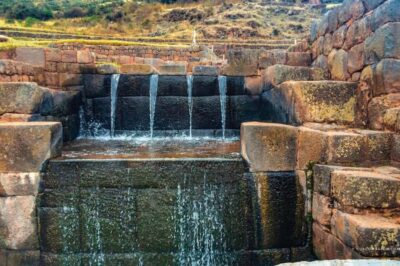
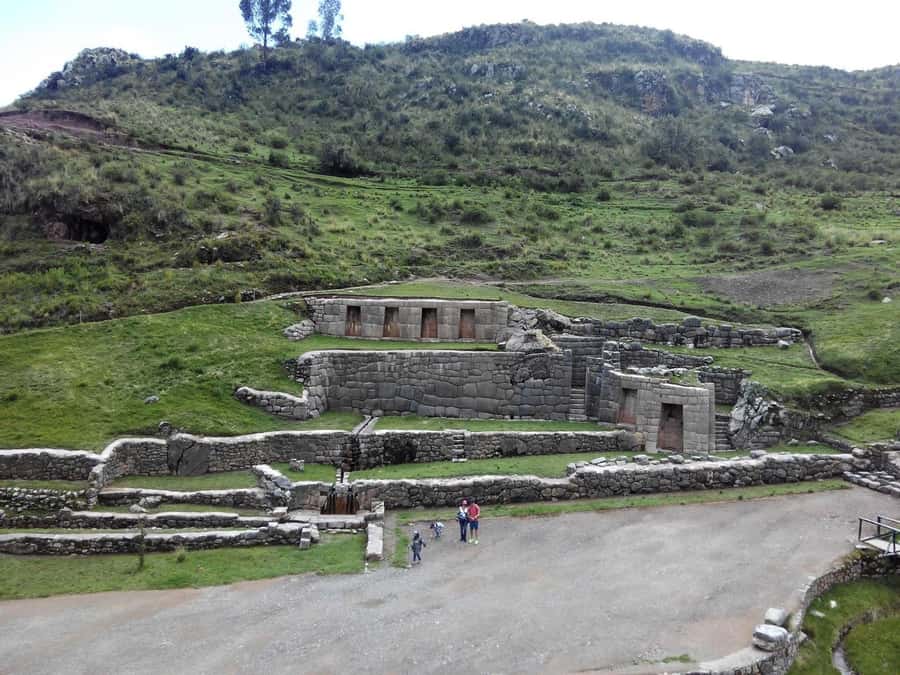
The last archaeological stop is Tambomachay, described as an Inca resting place with aqueducts, waterfalls, and water gutters. This is the part of the tour that feels most “modern” in its brainy logic. People like to talk about Inca roads and stonework, but water control is where you feel their practical genius.
If you’re the type who likes taking notes, you can use Tambomachay to connect ideas: aqueducts bring water in, gutters channel it, and the built environment helps manage how water behaves. Even if the waterfalls are not constant in the way you imagine, the intention is clear. The site is designed around moving and using water.
This is a great final stop because it answers the tour’s biggest theme. By the time you leave Tambomachay, you’re not just thinking about religious spaces, you’re thinking about flow, distribution, and planning.
Then you ride back toward central Cusco, finishing around Calle Plateros around 2:00 PM to 2:30 PM.
Price and what you will actually spend
The tour price is listed at $13 per person, which is unusually low for a guided, half-day route that includes multiple archaeological complexes. The value comes from the guide time and transportation. You’re not just hiring a car and wandering, you’re paying for interpretation at several sites.
The key catch is that entry fees are not included. You’ll need to budget:
- Tourist ticket: 70 soles
- Koricancha: 15 soles
So while the tour itself is cheap, your real cost depends on those entry payments. If you already planned to visit these sites anyway, this package makes sense because you’re getting a structured route and transport back-to-back.
Also factor in what you’re saving: time. Cusco ruins are not hard to find, but stitching them together efficiently is. This tour reduces decision stress and gets you into guided explanations while you’re still at your freshest energy level.
Logistics, drop-off, and how to avoid a bad ending
Here’s the practical side that can make or break the day.
Pickup is included. You’re picked up from hotels near the main square of Cusco. If your hotel is farther away, you should be given an exact pickup address.
At the end, you finish at Calle Plateros. That’s convenient if you’re already staying central. If you’re not, don’t assume it’s a simple walk back. Build in a little buffer. It’s totally normal to feel hungry or tired after a 6-hour morning, so give yourself room to get back without panic.
One caution I’d take from a reported experience: even with a good guide, return directions can cause delays when the drop-off plan is unclear. If you’re sensitive to details, do this before you start:
- Save the pickup and drop-off address info to your phone
- Bring enough cash or card options for entry tickets
- Keep your guide’s contact method handy if you have it from the booking
About an extra detour: one account notes a sales pitch connected to a llama farm. The tour as described focuses on Inca sites, but if there’s any extra stop for shopping or animal-related add-ons, you’ll want to decide ahead of time how much that fits your style.
Who this Cusco morning tour suits best
This is a strong match if you want:
- A guided primer on major Inca sites around Cusco without committing to a full day
- A tour that explains themes like sun worship and water engineering
- A morning plan that gets you back before afternoon crowds decide what you will do
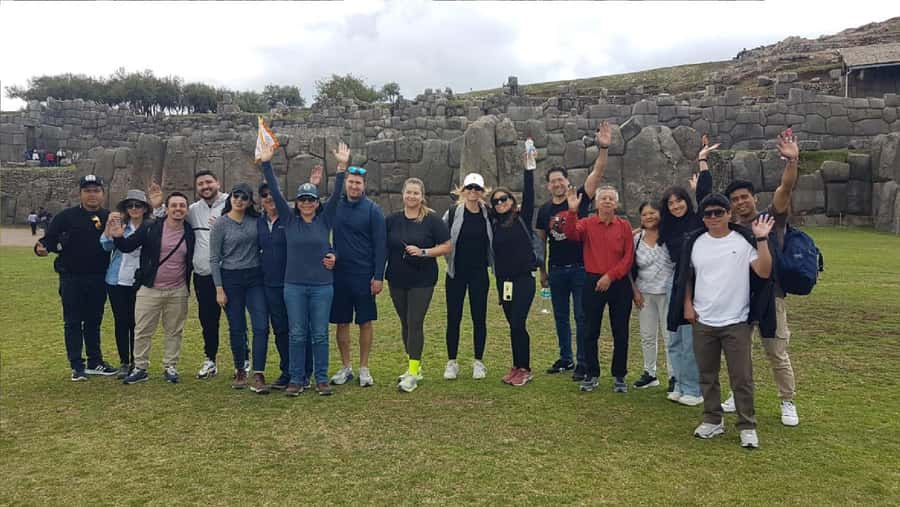
It’s also a decent option if you prefer structure. You get guided time at Coricancha, Sacsayhuaman, and Q’enco, plus a photo break and then the remaining key stops.
It’s not suitable for pregnant women, based on the tour’s own suitability note. If you have mobility concerns, the walking between ruins and stairs are worth considering before you book.
Bottom line: should you book?
I’d book this Cusco morning tour if you like compact planning and you want guided context at multiple Inca sites. The $13 base price is a big plus, and the focus on how Incas linked belief with water engineering is a smart way to make the ruins feel connected.
I’d skip it or choose carefully if you hate uncertainty about where you’ll end up. Since the tour finishes at Calle Plateros, people staying farther out should plan their return. Also, remember the entry fees are extra, including Koricancha and the tourist ticket.
If you’re staying near the center and you want a clear, guided Inca highlight run from morning to early afternoon, this is a good value bet.
FAQ
What time does the Cusco Archaeological Park morning tour start?
Pickup starts at 8:45 AM from your hotel area. The tour is scheduled for a 6-hour duration.
What time does the tour finish?
The tour returns to Cusco at an average of 2:00 PM to 2:30 PM, finishing around Calle Plateros.
Is hotel pickup included?
Yes. Cusco hotel pickup and round trip transportation are included.
How long is the guided portion at major sites like Coricancha, Sacsayhuaman, and Q’enco?
Coricancha, Sacsaywaman, and Q’enco each have guided time of about 45 minutes.
Are the archaeological site tickets included in the price?
No. You need to pay entry fees separately: the tourist ticket is 70 soles, and Koricancha is 15 soles.
What languages are the live guides?
The live tour guide is available in Spanish and English.
What should I bring?
Bring a passport or ID card, comfortable shoes, and water.
Is this tour suitable for pregnant women?
No, it is not suitable for pregnant women.
Where does the tour end?
The tour ends at Calle Plateros.
Can I get a refund if I cancel?
Yes. Free cancellation is available up to 24 hours in advance for a full refund.
Recently reviewed around Cusco
- Cusco Cooking Class by ChocoMuseo in Cusco★ 5.0 · 29 reviews
- ATV Adventure to Moray and Maras Salt Mines – Half Day★ 4.5 · 29 reviews
- 1-day excursion to Machu Picchu from Cusco★ 5.0 · 29 reviews
- Private Tour Sacred Valley, Chinchero, Maras Moray, Ollantaytambo★ 5.0 · 29 reviews
- From Cusco: Humantay Lake with Breakfast and Buffet Lunch★ 4.5 · 29 reviews
- 4 Day – Inca Jungle to Machu Picchu★ 5.0 · 29 reviews
- 2-Day Machu Picchu Tour by Train from Cusco★ 4.5 · 29 reviews
- 2-Day Sacred Valley and Machu Picchu Tour By Train★ 4.5 · 29 reviews
Morning, compared.

7-Day Lima and Cusco Tour with Sunrise at Machu Picchu
Read our review →
Sacred Valley Experience and Machu Picchu Sunrise 2-day Journey
Read our review →
Humantay Lake small group with late morning departure option
Read our review →
08am Departure Rainbow Mountain Tour: Late Morning Tour
Read our review →