
Reviewed · SILLAR ROUTE
Half-day tour in Arequipa: Sillar route
Arequipa’s Sillar Route is interesting because it shows you where the city’s famous white stone comes from, while you also get big views of the Andes. In just half a day, I love how the tour mixes working quarries with very photogenic stops, and I also like that the route is timed so you can plan your day around the light and your energy.
One consideration: this is a short, structured outing. You’ll do a bit of walking on uneven paths, and if you’re hoping to stock up on lots of small souvenirs, the on-site options may feel limited.
Key Things You’ll Notice on the Sillar Route
- Ashlar quarries that are still active, so you see real stone work, not just a museum stop
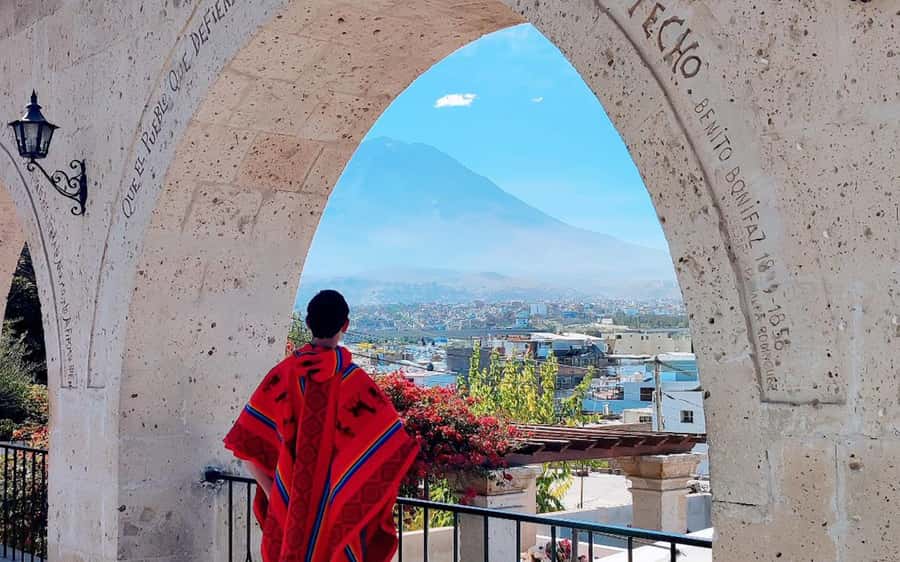
- Volcano viewpoint with 360-degree photo potential, aimed at three names: El Misti, Chachani, and Picchu Picchu
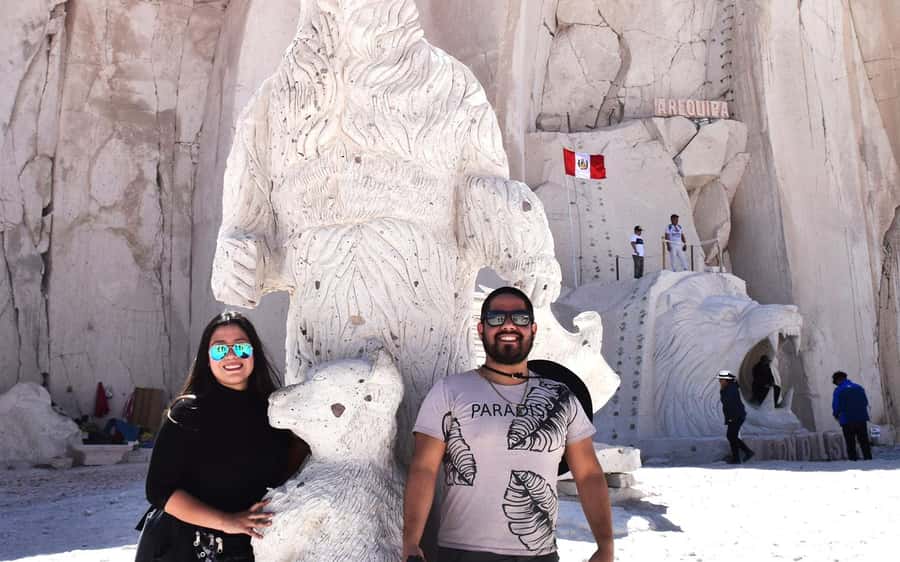
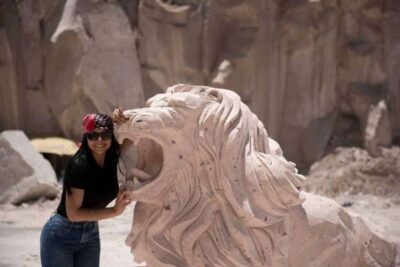
- Farallones Canyon and tall stone formations, plus a large Compañía church carving made by stonemasons
- A short 20-minute canyon walk, where water history and rock art come together
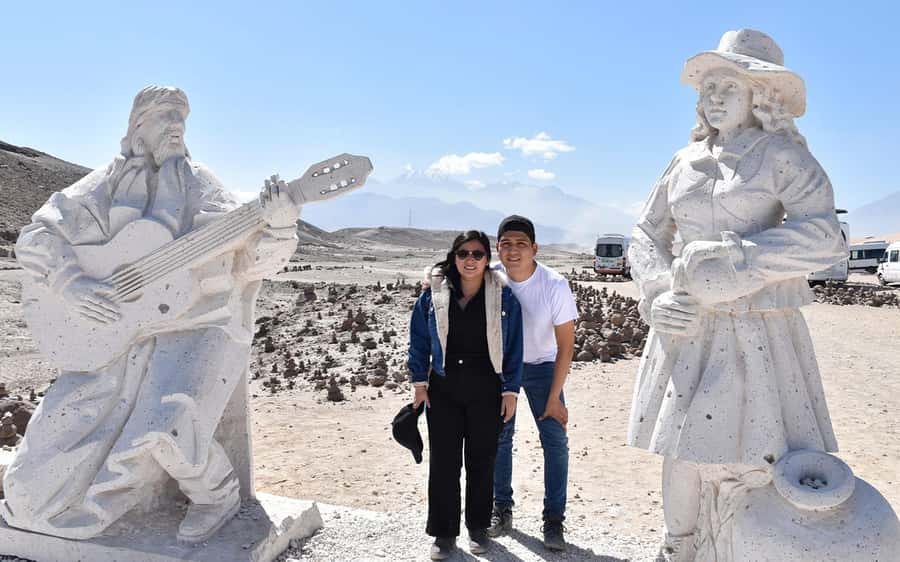
- Wari petroglyphs and Apachetas, ending with you building your own small stone marker
Ashlar Quarries and the Sillar Route: A Half-Day That’s Actually Packed
If you’re in Arequipa for a few days, this kind of half-day tour can be a smart move. You get the “story” behind the city’s look, plus fresh air and wide-open viewpoints, without committing a full day.
The Sillar Route focuses on ashlar quarries and the stone culture around them. That means you’re not just looking at scenery, you’re seeing how stonemasons shape the region’s signature white stone. And because it’s built as a 4-hour experience, you can often choose the visiting time that fits your schedule and the kind of photos you want.
The tour also ends conveniently back in central Arequipa, at Plaza de Armas. That matters because it keeps your evening free for good food and an easy stroll through the city center.
More Sillar Route trips:
- From Arequipa: Sillar Route Trek
★ 4.2 · 461 reviews - Sillar Route and Culebrillas Petroglyphs
★ 4.5 · 89 reviews - Sillar Route in Arequipa and viewpoint of the Volcanoes
★ 4.0 · 71 reviews
Hotel Pickup, Van Time, and How the 4 Hours Really Feel
You’ll start with pickup from your Arequipa hotel, based on the schedule you choose. Then you ride by van toward the quarry route, with about one hour of transfer each way.
This van time is part of why the tour works. In one afternoon, you’ll cover viewpoint stops, quarry areas, canyon paths, and the stone-carving highlights without needing your own transport.
The rhythm is also practical: you’ll get time for photo stops and guided walking, but it stays focused. Expect guided explanation plus short active stretches rather than long hikes. The tour is built for people who want memorable photos and key sights, without turning the day into a fitness test.
Volcano Viewpoint Photo Stop: El Misti, Chachani, and Picchu Picchu
One of the most rewarding moments is the volcano viewpoint stop. You’ll pull in somewhere with broad visibility and time to take in the views of three volcanoes: El Misti, Chachani, and Picchu Picchu.
What I like about this stop is the way it’s framed for photography. The tour is timed and positioned so you can chase 360-degree panoramic photos. That’s not a generic promise, it’s the reason this stop is listed as a key feature. Even if you only take a few shots, you’ll get that “Arequipa from above” feeling.
Practical tip: dress for temperature shifts. Arequipa can change quickly, and viewpoint stops often feel cooler and windier than the city.
Añashuayco Quarry: Where the Stonework Looks Real
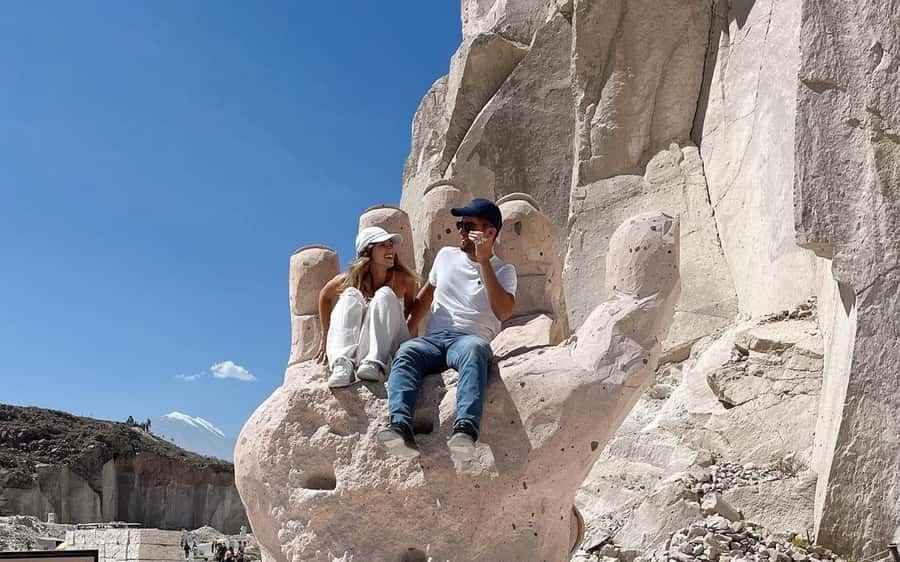
Next you reach the Añashuayco quarry, and this is where the experience turns from scenic to hands-on culture. The quarry is currently in operation, and you’ll see stonemasons working.
That living piece is the real value. In many tours, quarries feel like background. Here, the emphasis is on the craft and the people who still do it. You’re not just seeing finished stone carvings, you’re seeing stonework as an ongoing activity.
If you’re the type of traveler who likes to understand how a destination makes its iconic look, this stop delivers. The white stone used around Arequipa comes from places like this, and it’s easier to connect the city’s architecture to the quarrying when you can actually watch the work.
A few more Arequipa days worth comparing
- 2 day 1 night trek / Colca Canyon
★ 5.0 · 1,069 reviews - From Arequipa: Colca Canyon Full-Day Guided Tour with Meals
★ 4.5 · 982 reviews - Tour to the Salinas Lagoon and National Reserve in Arequipa
★ 4.5 · 548 reviews - Colca Full Day Tour
★ 4.5 · 429 reviews
Farallones Canyon and the Mega Carving of Compañía Church
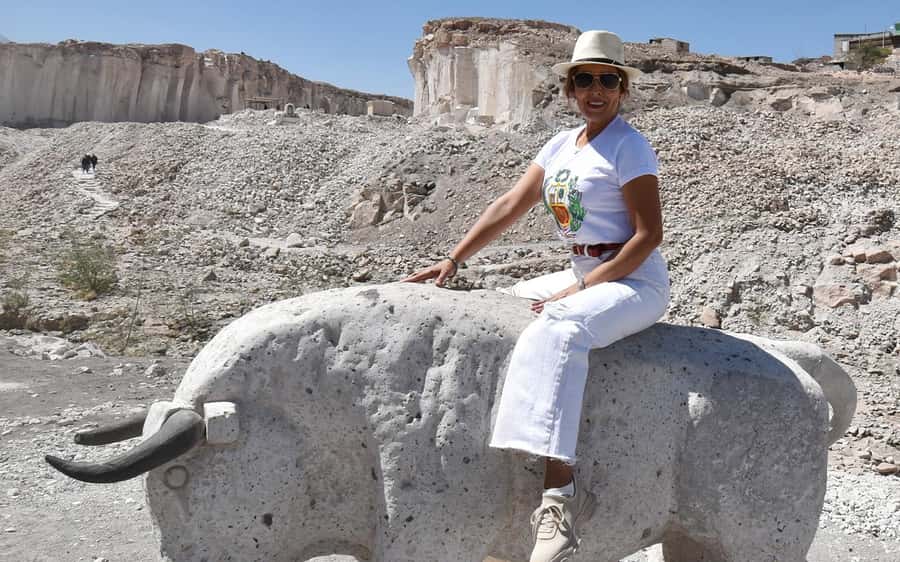
The route continues into an area with a dramatic, tall feature: the Farallones Canyon, described as several meters high. This is one of those spots where your photos will look instantly more interesting because the stone shapes give the frame texture.
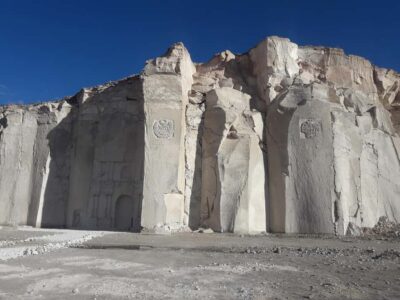
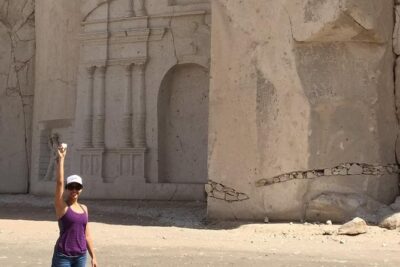
Then you’ll see a large mega carving of the Compañía church. The detail that matters is that it was built by stonemasons themselves. That shifts the carving from being a random attraction into something like a large-scale showcase of local skill.
This stop is also where you start to appreciate the “Sillar” idea beyond color. The technique is what’s impressive. You’re watching how stone can be shaped into recognizable forms, at a scale that feels bold and very Arequipa.
Culebrillas Ravine Walk: Petroglyphs, Time Depth, and a Short Stroll
After the quarry and canyon viewing, you transfer to the Culebrillas ravine, followed by a short 20-minute walk through a small canyon. The walk is described as moving through a canyon that originates from the passage of water, so even if you don’t focus on plants or weather, the water connection helps make the rock feel less random.
At the end of the walk, you’ll see petroglyphs made by the Wari culture, made more than a thousand years ago. That’s a big time jump in a short distance, and it gives the tour depth. You’re standing in a place where people left marks long before the stone industry and the church carving became part of the story.
If you like guided interpretation, this is a good moment for it. Rock art is much easier to appreciate when you’re told what you’re looking at and why it mattered to earlier cultures.
Practical tip: comfortable shoes are important here. The walk is short, but canyon paths can be uneven.
Apachetas Experience: Building Your Own Stone Marker
One of the more personal moments is the Apacheta portion. You’ll observe Apachetas, which are important stone formations made by stacking stones.
Then you get the experience of building your own Apacheta. That’s the kind of activity that can feel small, but it tends to stick, because you’re doing more than taking photos. You’re participating in a local tradition of marking space and meaning through stone.
Even if you don’t know much going in, the guide’s explanation should help you understand why this practice shows up in the Andes. You end the experience with a tangible reminder and a better sense of how people relate to the landscape through simple actions.
The tour then returns to Arequipa, finishing back at Plaza de Armas.
Price and Value: Is $26 Worth It?
At $26 per person for a 4-hour half-day, this tour is priced like a value add rather than a premium experience. The big reason it holds up is what’s included:
- hotel pickup and tourist transport
- a professional English and Spanish tour guide
- entrance tickets
Food is not included, so you’ll likely want a plan for lunch or a snack afterward, depending on your start time. But for the core experience, you’re paying mainly for transport plus a guided route through quarries and key cultural stops.
Who the price makes sense for:
- you want photo-worthy views and stone-carving culture without needing a rental car
- you like learning how materials connect to architecture and daily life in a place
- you want a half-day that returns you to central Arequipa
What to Bring, and How to Get Better Photos
The tour is practical about essentials. Bring:
- comfortable shoes for the short canyon walk
- camera (this tour is built for photos, especially at the viewpoint)
- comfortable clothes for changing conditions
- cash, since extras are not included
For better photos, aim to keep your camera ready during transitions. The best moments often happen right when you arrive at the viewpoint and when you’re near the canyon and carvings.
If you’re using your phone, bring a portable power bank. You’ll likely be taking a lot of shots, because the route is designed around panoramas and stone detail.
A Quick Reality Check on Souvenirs
A small note from experience: the stone carvings are a big highlight, but one common complaint is that the variety of small figures for sale may feel limited. If souvenir shopping is your main reason for booking, treat this as a photo and culture stop first, shopping trip second.
Should You Book This Sillar Route Tour?
You should book if you want a compact tour that connects Arequipa’s look to the place where the stone is actually worked, plus you care about viewpoints and memorable carvings. It’s especially good for first-timers because it hits the essential ingredients in a short time.
Skip or reconsider if you’re chasing a very long hike, a relaxed day with lots of free time, or you’re mainly interested in shopping for lots of small souvenir options. This is an organized route with set highlights, and it’s built to move efficiently.
If your goal is a satisfying half-day with strong photography potential and real quarry culture, this one is a solid match.
FAQ
How long is the Sillar Route tour from Arequipa?
The tour lasts 4 hours.
Where does the tour start and end?
Pickup is from your hotel in Arequipa, and the tour finishes at Plaza de Armas Arequipa.
Can I choose what time to visit?
Yes. It’s a half-day tour where you can choose the visiting time based on availability.
What languages are the guides?
The guide is available in English and Spanish.
Does the tour include entrance tickets?
Yes. Entrance tickets are included.
Is food included?
No. Food is not included.
What should I bring?
Bring comfortable shoes, a camera, comfortable clothes, and cash.
Is the tour refundable if plans change?
There is free cancellation up to 24 hours in advance for a full refund, and you can reserve and pay later.
Recently reviewed around Arequipa
- 2-Day Tour to the Magical Colca Canyon★ 4.5 · 29 reviews
- Full Day Tour to Colca Canyon from Arequipa★ 4.0 · 34 reviews
- Full Day Trip to Colca Canyon from Arequipa★ 4.0 · 34 reviews
- Full Day Tour To The Salt Lake Salinas in Arequipa★ 4.5 · 34 reviews
- Tour Fullday Colca Canyon with Breakfast and Typical Lunch★ 4.3 · 35 reviews
- Colca 2 Days and 1 Night★ 5.0 · 35 reviews
- 2 Day Trek Including Transfer to Puno / Colca Canyon★ 4.5 · 38 reviews
- 3-Day Colca Canyon trek with Professional Guide★ 5.0 · 40 reviews
Sillar Route, compared.
Sillar Route in Arequipa and viewpoint of the Volcanoes
Read our review →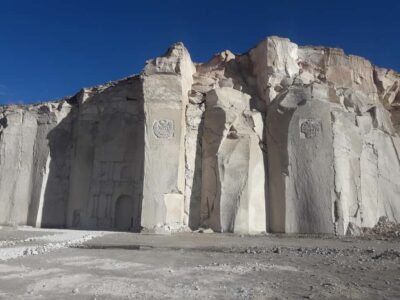
4 hours Tour: Route of Sillar with Trek in Culebrillas
Read our review →
Hike to the Ruta del Sillar and Culebrillas in Arequipa
Read our review →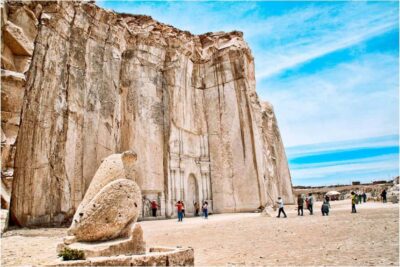
Route of the Sillar | Quarries of Añashuaycos | Half day
Read our review →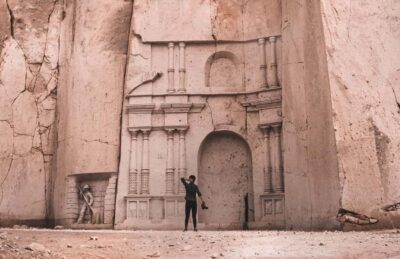
4-hour excursion: Sillar Route with Hiking in Culebrillas
Read our review →Browse the lists this tour appears in