
Reviewed · MACHU PICCHU
Lares Trek to Machu Picchu: 4-Day Tour
What makes this Lares Trek to Machu Picchu so interesting is that you hike through real Andean communities, then reach Machu Picchu with less fuss than the famous Inca Trail routes. I especially like the hot-springs break in Lares and the way the trail threads through colorful village life.
I also like the stress-reducer angle here: it is small-group travel with a lot handled for you, including a guide, meals, gear support, and the train into Aguas Calientes. With a maximum group size of 8 hikers, you tend to get more personal attention and a calmer pace when you need it.
One thing to consider is that this trek is not just scenic strolling. The second day includes a high pass around 4,600 meters (15,456 feet) and you start very early (5:00 am), so you will want to be ready for altitude, early mornings, and cold nights if you are coming from sea level.
Key things I’d plan around
- Hot springs at Lares give you a genuine recovery moment before the hiking gets serious
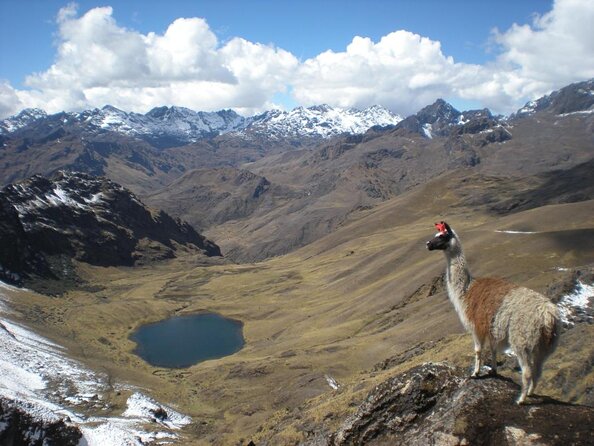
- Ipsaycocha pass views include high-altitude lake scenery and classic Andean farming life
- Small-group size (max 8) helps keep the trail experience feeling more human
- Machu Picchu is guided, then free time so you get context and your own wandering time
- Mules and camp setup are included so you carry less than you think
- Huayna Picchu costs extra and must be arranged in advance if you want it
Why this Lares route feels calmer than the Inca Trail crowds
If you have dreamed about Machu Picchu but do not want the stampede energy of the most famous alternatives, the Lares path is a smart compromise. You still get big Andes scenery, you still reach Aguas Calientes by train, and you still have a guided day inside Machu Picchu. The difference is that your days are built around smaller villages and gradual immersion, not a tightly scheduled, high-competition corridor.
The trek also feels unusually supportive for its level of adventure. You are not just dropped into the mountains with a map and hope. You have a professional guide (English and Spanish), mule support, and full camp infrastructure, which matters because it turns your focus toward walking, breathing, and taking photos, not logistical chaos.
Finally, the timing has a practical feel. You start early on trek days and you walk up to Machu Picchu before the busiest moments. That helps your brain get the experience sooner, when you still feel energized instead of running on tired adrenaline.
More Hiking & Trekking in Cusco
- Classic Inca Trail Trek 4D/3N to Machu Picchu (Group Service)
★ 5.0 · 8,653 reviews - Machu Picchu: 4-Day Inca Trail Trek with Panoramic Train Ride
★ 5.0 · 4,568 reviews - Salkantay Classic Trek 5 Days from Cusco
★ 5.0 · 4,062 reviews
Day 1: Cusco to Lares town, medicinal hot springs, and Huacawasi camp
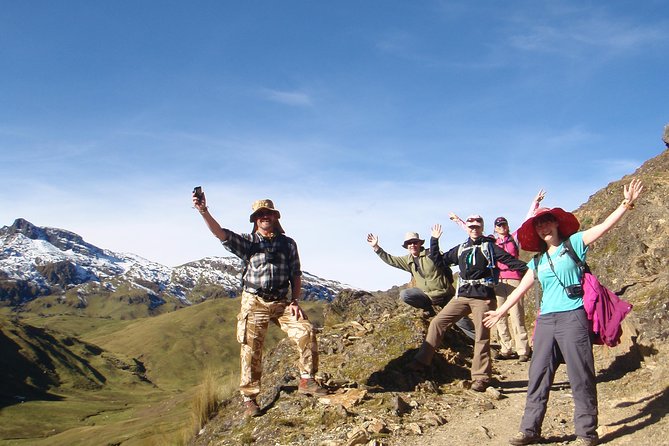
Your day starts in Cusco with an early departure and hotel pickup, with the tour set to begin at 5:00 am. After driving into the Sacred Valley area, you pass through Calca at about 2,900 meters, then continue across the valley.
Then comes the part many people remember most: the stop in Lares town for medicinal hot springs. It is not a random detour. It is a real recovery pause that helps your legs reset before the first trekking afternoon. You also get lunch at Lares before you start hiking.
The first trek segment is roughly 4 hours of walking plus about 30 minutes of additional time to reach Huacawasi, where you sleep at the first campsite. Expect this as a first-day adjustment. You are going upward and you are transitioning from driving time to trekking time, so a steady pace matters more than speed.
A small, grounding detail from participant experiences: some groups ended up sleeping in a warm, covered setup rather than only open-air tents when conditions were cold. That is not something you should count on as a guarantee, but it does reflect the way camp planning can be flexible when weather hits hard.
Day 2: Ipsaycocha pass at 4,600m and village welcomes in Patacancha
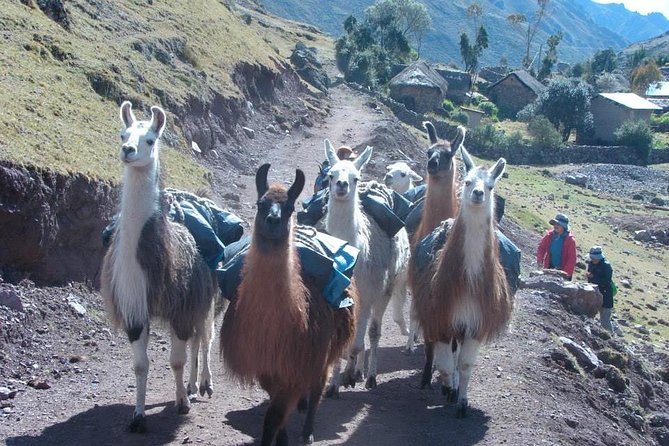
Day two is the big altitude day, and you will feel it. You start early and cross the Ipsaycocha pass at 4,600 meters (15,456 feet). On a clear day, the payoff is the view of Ipsaycocha Lake at around 4,280 meters. You also see Andean farmers at work, often in bright ponchos and traditional headwear, plus alpacas and llamas moving through their daily routines.
The itinerary includes a lunch stop near the lake. That timing is useful because it gives you food when you are already in high country, not when you finally reach camp and collapse. After lunch, you keep moving to Patacancha.
This is also where the human side of Lares shines. The route passes by a spot where children may greet the group after school. It is quick, but it changes the feel of the day. You are not hiking past scenery only, you are walking through living places with schedules, families, and routines.
You finish by spending the night in Patacancha. Temperatures can drop quickly at altitude, so think layers. And if altitude is new to you, go slower than you think you need to. That is one of the best ways to protect your energy for the final walking days.
One extra note from real experiences: some guides may add cultural moments along the route. For example, one group mentioned an earth-god style celebration with cocoa leaves near the pass, and another shared that Luis completed an Inka sacrificial offering at a mountaintop. These are not listed as a standard guarantee in the basic plan, but they show how guides can bring meaning into the walk.
Day 3: Pumamarka terraces, Ollantaytambo, and the train to Aguas Calientes
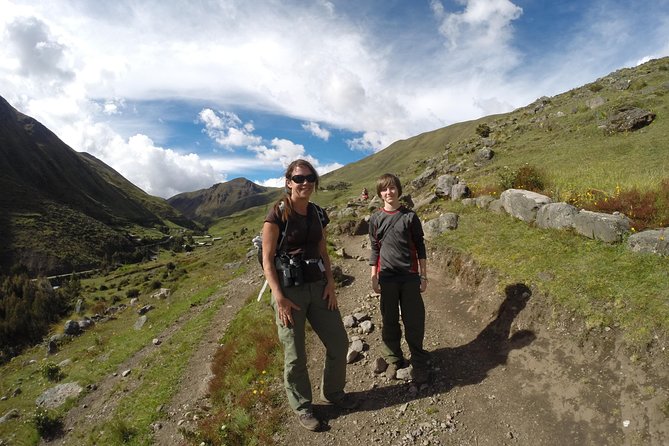
Day three is lighter in walking time but heavier in travel logistics, and it is designed that way. You start early, then reach a viewpoint for a break and photos. After that, you continue for about two hours to Pumamarka, where you can enjoy Inca terraces.
This section is a nice contrast to day two. Instead of a single big climb-focused moment, you get more rhythm and a cultural reward that is tied to the landscape itself. The terraces remind you that this is not only about nature, it is also about how people engineered farms at high altitude.
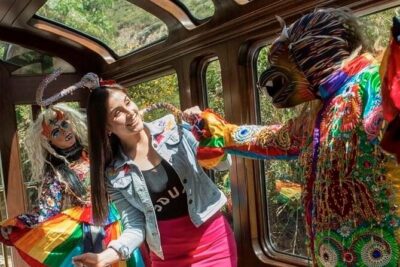
You then end the hiking route in Ollantaytambo. After that, you switch from trail mode to rail mode, taking the train toward Aguas Calientes and spending the night there.
If you like a break after a trek day, Aguas Calientes is the “yes, you can breathe again” part of this tour. One participant pointed out the town can have a lot of evening music, so earplugs can be a lifesaver if you are a light sleeper. Another detail worth knowing: the overnight room in Aguas Calientes can include hot water, which is exactly what you want after two cold nights.
The day can feel like a reset, but it still prepares you for Machu Picchu the next morning, when you will be up early and walking again.
More Lares treks:
- Lares Valley Trek with Hot Spring 4-Day, 3-Night
★ 5.0 · 656 reviews - Lares Trek to Machu Picchu 4D/3N Including Hot Springs
★ 5.0 · 499 reviews - Lares Trek to Machu Picchu 4 days with Panoramic Train
★ 5.0 · 298 reviews - Lares Trek to Machu Picchu 4 Days
★ 5.0 · 68 reviews
Day 4: Machu Picchu circuit with guided context, then free wandering
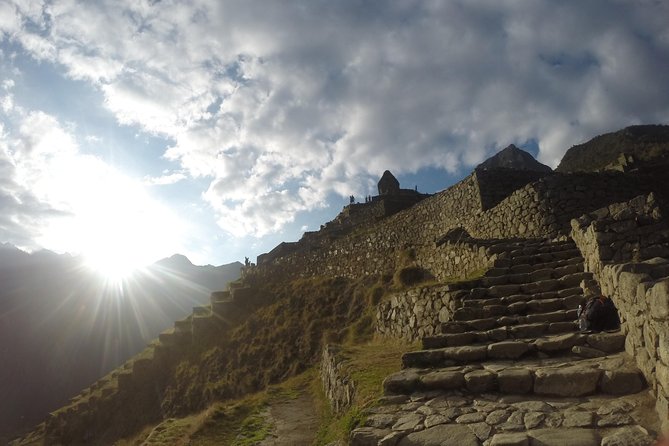
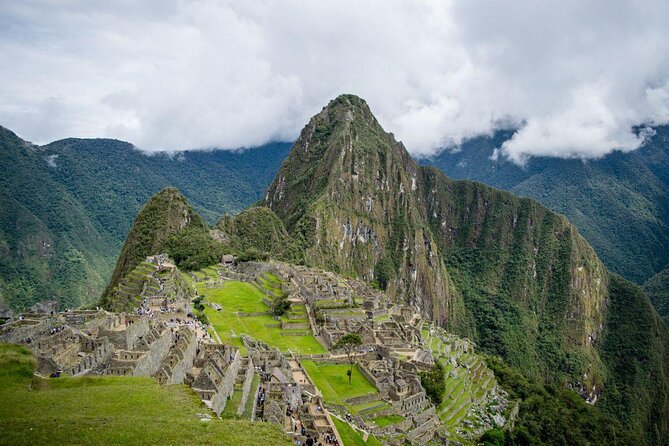
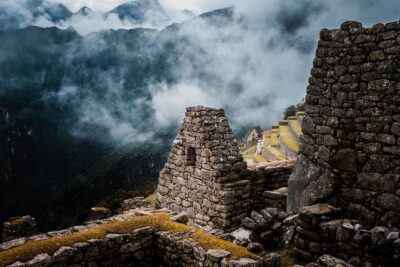
Machu Picchu day starts very early. You walk up to the citadel for about 1 hour 30 minutes, then you get a guided tour for around 2 hours. This matters, because Machu Picchu is big and confusing if you wander without context.
After the guided portion, you get free time to explore on your own. That free time is where you can move at your pace. You can also choose optional add-ons if your plans allow, including the Huayna Picchu visit, plus the Inti Punku area and the Inca Bridge. Inti Punku and the bridge are the kind of spots you usually do not fully appreciate until you see them with your own eyes.
A participant note that is practical for your planning: if you book Huayna Picchu, try to schedule it with enough buffer after your main Machu Picchu entry time. In one case, the group’s timing worked out so they could handle Circuit 2 and then go up partway to Huayna Picchu. The big takeaway is simple: do not stack everything back-to-back without margin, especially when you are at altitude and moving through crowds.
After exploring, you return by train to Ollantaytambo, then take the bus back toward your Cusco hotel. It is a full day, but it is a well-paced one, with walking early and then structured time after.
Food, tents, and what you really carry on the Lares trek
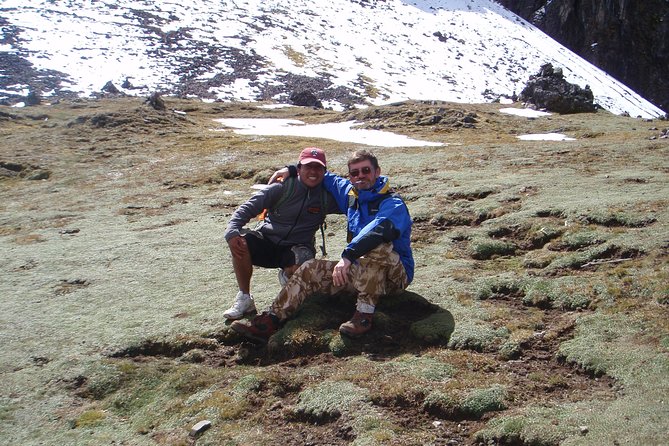
This trip is inclusive in the ways that matter in real life. You get tents and mattresses, plus camp kitchen and dining tents. There is a cook and a professional guide, and meals are included: breakfast (3), lunch (3), and dinner (3). There is also a first-aid kit and oxygen tank.
That coverage is not just comfort. It changes the math of packing. You are not responsible for hauling camp infrastructure. You are also working with muleteers and mules, so your load can be smaller than you might expect on a multi-day trek.
From participant experience, you may be asked to keep personal item weight to around 7 kg per person for mule transport. Even if your exact limit is a bit different, the lesson is the same: travel light. Bring the basics, skip the extra, and assume you will want dry clothes later.
One underrated win is the food quality. Multiple participants mentioned that the meals were genuinely delicious and not the usual tired-trek fare. After a day at altitude, that kind of food can feel like morale support.
Price and logistics: is $602.06 good value for this 4-day plan?
At $602.06 per person for an approximately 4-day experience, the value depends on what you compare it against. This price is doing a lot of heavy lifting because it includes big cost items like Machu Picchu entrance, the train (Machu Picchu to Ollantaytambo), one night accommodation in Aguas Calientes, and pickup plus transportation between key points.
It also includes the “invisible” trip costs that can add up fast when you self-arrange. You are covered for guide time, camp gear, mule support, and meals. That is exactly where trekking tours can save you money and headaches at the same time.
You do still need to budget for a few add-ons. The tour does not include:
- the last lunch in Aguas Calientes
- a sleeping bag
- thermal baths entrance (listed as 10 soles)
- Huayna Picchu entrance (must be booked in advance)
Also remember that this experience is listed as non-refundable with no changes allowed. That matters if you are not fully confident about your altitude tolerance or your travel schedule. In real life, the best use of this kind of trek is when you are ready to commit.
Who this trek is best for, and who should be cautious
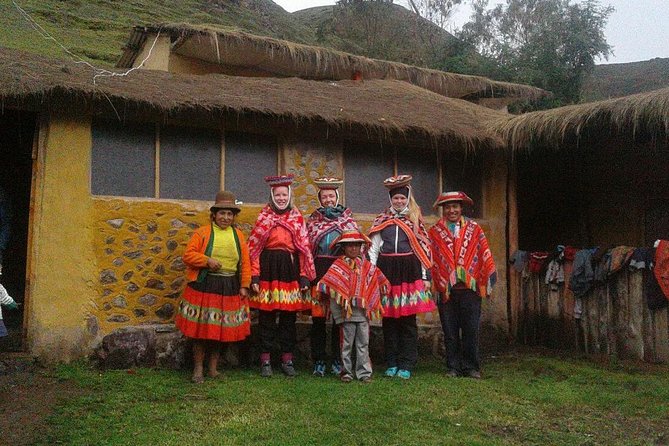
This is built for people who want an adventure but also want it to feel manageable. A maximum of 8 travelers keeps it small enough for a more personal experience, and the inclusion of camp setup means you are not stuck doing chores you did not sign up for.
Minimum age is 6 years, so it is not completely limited to athletic teens and above. Still, the altitude day is real. If you have never hiked above 3,000 meters, give yourself time to acclimate in Cusco first. The trek includes a 4,600 meter pass on day two, so your body needs preparation.
If you are the kind of traveler who likes history but hates crowded lines, this works well. Machu Picchu is guided, so you get the story without hunting for facts alone. And because the Lares route is an alternative, it can feel less like a conveyor belt than the most famous trek paths.
If you are very sensitive to cold nights, plan better rather than hoping for luck. Bring appropriate layers, and remember a sleeping bag is not included. If you are sensitive to sound, the evening in Aguas Calientes can get loud, so earplugs can be worth packing.
Should you book the Lares Trek to Machu Picchu?
I think this is a strong choice if you want the Andes experience first, not just the destination photo. The hot springs in Lares, the high pass scenery, and the village moments make it feel like a real journey. The small-group size and the included gear and meals help you spend your energy on walking and seeing, not managing logistics.
I would book it if:
- you want Machu Picchu with guidance, plus free time to explore
- you value small-group pacing (max 8)
- you are okay with early mornings and a serious altitude day
- you do not want the stress of sourcing train tickets and camp logistics yourself
I would reconsider if:
- altitude is a major concern and you cannot prepare for it
- cold nights are a big issue for you and you are not ready to bring a sleeping bag
- you are unsure about the non-refundable nature of the booking, since changes are not allowed
If you do book, treat the trek like a climbing trip, not just a hiking vacation. Slow your pace on day two, dress for cold, and plan your Huayna Picchu timing carefully if you want it. That mix of practical choices is what turns this from a trip you survived into one you actually remember.
FAQ
What is the duration of the Lares Trek to Machu Picchu?
It is listed as a 4-day tour (approximately).
Where does the tour start?
It’s based in Cusco, Peru, and you get hotel pickup.
What time does the tour start?
The meeting/start time is 5:00 am.
How big is the group?
The tour has a maximum of 8 travelers.
What languages are the guides?
The tour includes a professional guide (English & Spanish).
Is Machu Picchu entrance included?
Yes, entrance to Machu Picchu is included.
Do I need to book Huayna Picchu in advance?
Yes. Entrance to Huayna Picchu is not included and must be booked in advance.
What is included in the trek meals?
The tour includes breakfast (3), lunch (3), and dinner (3).
What should I bring that is not included?
A sleeping bag is not included.
Are there any key documents or requirements?
A current valid passport is required on the day of travel, and the minimum age is 6 years. A minimum of 2 people per booking is required.
More Ways to Reach Machu Picchu
- Short Inca Trail to Machu Picchu 2D/1N
★ 5.0 · 3,007 reviews - 2-Day Inca Trail to Machu Picchu with Panoramic Train
★ 5.0 · 1,876 reviews - From Cusco: Full-Day Group Tour of Machu Picchu
★ 4.7 · 1,767 reviews - Machu Picchu Day Trip from Cusco
★ 4.5 · 1,644 reviews
Recently reviewed around Cusco
- 6-Day ||All Included|| Excursion – MachuPichu & Rainbow Mountain-Humantay Lake★ 4.5 · 8 reviews
- Cuzco City Tour and Archaeological Ruins in Half Day★ 5.0 · 8 reviews
- Horseback Riding thru the Mountains of Cusco★ 5.0 · 8 reviews
- Full Day – Rainbow Mountain tour – Group Service★ 5.0 · 8 reviews
- Half Day Tour in Cusco: Exploring the City and Four Ruins★ 4.5 · 8 reviews
- Cusco 4 Days Machu Picchu and Sacred Valley | All included★ 5.0 · 8 reviews
- Machu Picchu and Sacred Valley 2 Day Tour★ 5.0 · 8 reviews
- Walking Tour in Legendary & Historical Cusco City★ 4.5 · 8 reviews
Machu Picchu, compared.
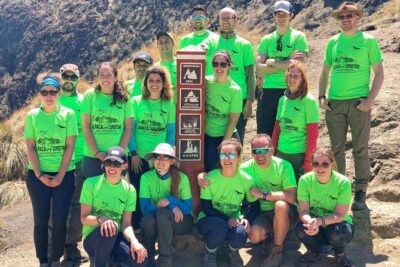
Classic Inca Trail Trek 4D/3N to Machu Picchu (Group Service)
Read our review →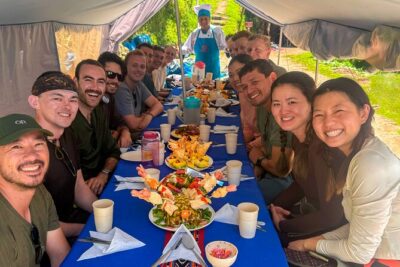
4-Day Inca Trail Trek with Panoramic Train Ride
Read our review →
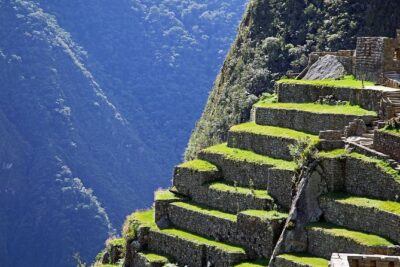
2-Day Inca Trail to Machu Picchu with Panoramic Train
Read our review →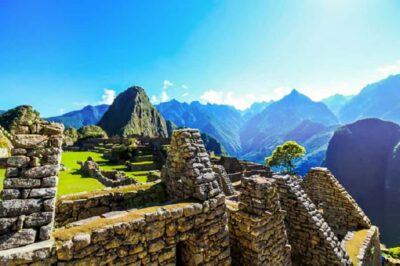
2-Day Tour: Sacred Valley and Machu Picchu by Train
Read our review →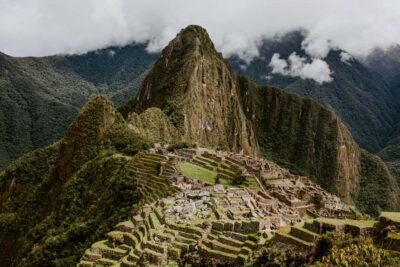
Browse the lists this tour appears in