
Reviewed · SALKANTAY TREK
Salkantay Trek Llactapata 5 days 4 nights
Salkantay to Llactapata is interesting because it trades the cookie-cutter train-and-bus rhythm for real altitude, real trail days, and a Machu Picchu approach that feels earned. I like how the itinerary builds in variety, from Salkantay’s high pass views to tropical forest stops and coffee farm time. I also like the Machu Picchu morning plan, with an early start to help you see the Royal Citadel in calmer light.
One possible drawback to consider is how tight and time-sensitive the Machu Picchu ticket situation can be. There’s at least one account of an organizational failure with tickets, so you’ll want to confirm your Machu Picchu entrance ticket details in writing before you go, not just assume everything is handled.
Key things to know before you lace up
- A true high point at 6,264 meters on Day 2, with a steep 6 km climb that sets the tone for the whole trek
- Humantay Lake at 4,200 meters plus a long round-trip hike on Day 1, with an S/20 entrance fee mentioned
- Support staff and pack animals: equipment rides on horses and mules, so you hike more comfortably
- Cloud forest scenery plus coffee on Day 3, including a visit to an organic coffee farm
- Llactapata ruins give you an in-your-face view of Machu Picchu, plus a small Inca Trail segment feeling
- Optional add-ons cost extra: bus to Machu Picchu and Huayna Picchu/Machu Picchu Mountain need advance planning
Cusco pickup at 4:30 am, then right into mountain scenery
Your day starts before most people even think about breakfast. The pickup is from Plaza de Armas in Cusco at 4:30 am to 5:00 am, then you ride by bus toward Mollepata. If you’re the type who hates waking up late, good news: you will not be tempted to go back to sleep. The upside is you’ll gain those critical daylight hours for the trek itself.
The drive through the Anta plains is part of why this works as a short trek. You get panoramic views of Salkantay and surrounding snow-covered peaks, plus the Apurimac River valley scenery. It’s a nice warm-up for what’s coming, especially if you haven’t spent time at altitude yet.
In Mollepata, you’ll stop for breakfast (not included) and any last-minute supplies. After that, you head on to Challacancha, where you meet your support staff. This is where a big practical detail helps: equipment is loaded onto horses and mules, so you’re not carrying all the group gear up the trail. That makes the trek more manageable for most moderate-fit travelers.
More Hiking & Trekking in Cusco
- Half Day Andean Llama Trek in the Sacred Valley
★ 5.0 · 20 reviews - Salt Mines at Maras and Hiking to Tours of Sacred Valley
★ 5.0 · 19 reviews - Hike with Llamas and Alpacas in the Sacred Valley from Cusco
★ 4.5 · 12 reviews
Soraypampa camp, Humantay Lake at 4,200 m, and the glacier payoff
Day 1 climbs in a controlled way: you start around 9:30 am from Challacancha and reach Soraypampa at 3,900 meters. Plan on about 2 hours of trekking to get there if you keep a regular pace.
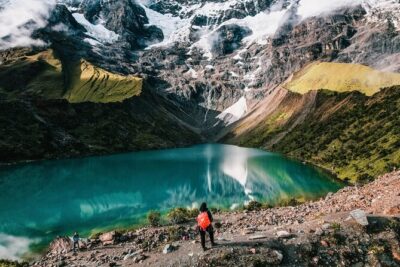
Soraypampa is your first camp stop, and after lunch you shift to a highlight many people remember for years. You visit Humantay Lake (4,200 meters). The ticket price is listed as S/20, and the hike time is described as a round-trip around 3 hours from the camp. The attraction is the glacier lake view, plus the way the trail scenery changes as you gain elevation.
A practical note: the tour notes show mixed information on whether Humantay’s entrance is included. In the itinerary it’s referenced as S/20, while the inclusions list shows meals and Machu Picchu ticketing, and the exclusions explicitly mention Humantay entrance. Before you leave Cusco, ask the operator what you should budget and whether it’s already handled for your departure date.
You also get your first early taste of how the trek handles altitude. At Soraypampa, the air is thinner, so even “easy” hiking feels like it takes more effort. The best strategy is simple: steady pace, short pauses to catch your breath, and hydration even when you do not feel thirsty yet.
Day 2: the 6 km uphill grind to Salkantay’s 6,264 m pass
Day 2 is the hardest day, and the itinerary makes that clear for a reason. You wake up early with coca tea, then get breakfast around 6:00 am. After that, you start the steep push toward the trek’s highest point.
This is where the Salkantay identity shows up. You hike about 6 kilometers uphill through rocky mountain scenery to reach the top, with Salkantay’s peak shown as 6,264 meters. The pass is described as the second highest mountain in the Cusco region, and regardless of the exact rank, the feeling is the same: this is big altitude in open air.
What to expect on the climb:
- It’s uphill for a reason, so your legs will feel it.
- The views are part of the work, because the scenery is described as magnificent with Salkantay and other snowy peaks.
- Timing matters. You’re moving toward a top experience, then you’ll turn downhill afterward.
After reaching the top, you drop downhill about 2 hours to lunch around 1:00 pm at Huayracmachay. Then it’s more walking, roughly 3 hours downhill to Chaullay, where you sleep at about 2,900 meters in Indian huts. Dinner is around 7:00 pm, and this is a night where you’ll be glad you’re not the one cooking.
For you, this day should shape your expectations. You’re not just “doing a hike.” You’re doing an altitude challenge. If you go in tired, or you treat the climb like a casual stroll, you’ll pay for it later. But if you keep a steady rhythm, the pass day becomes a memorable finish line instead of an exhausting slog.
Santa Teresa valley to La Playa, then Lucmabamba and the organic coffee stop
Day 3 shifts from high Andean altitude to a more tropical feeling trail. You start around 6:00 am, hiking toward La Playa through the Santa Teresa valley. The total hiking time is described as about 6 hours.
This is one of those days where the variety keeps you from zoning out. You’re walking past rivers and waterfalls, with wild orchids mentioned, and you pass plantations of coffee, banana, and avocado. The itinerary also calls out a village area called Colpapampa, described as the “brow of the cloud forest.” There’s an ecosystem feel here: waterfalls, birds, hot springs, and fruit-bearing trees are all part of the story.
After lunch at La Playa, you only walk about 20 minutes to reach your base camp in Lucmabamba. You explore the tropical forest briefly and visit an organic coffee farm. If coffee is your thing, this is likely the most enjoyable “break” on the trek, because you can taste coffee prepared by local people.
Even if you’re not a coffee person, I think this is a strong cultural add-on because it changes the rhythm of the trip. You go from “hike, altitude, camp” to “walk, observe, learn how something is grown.” It gives your body a mental shift too.
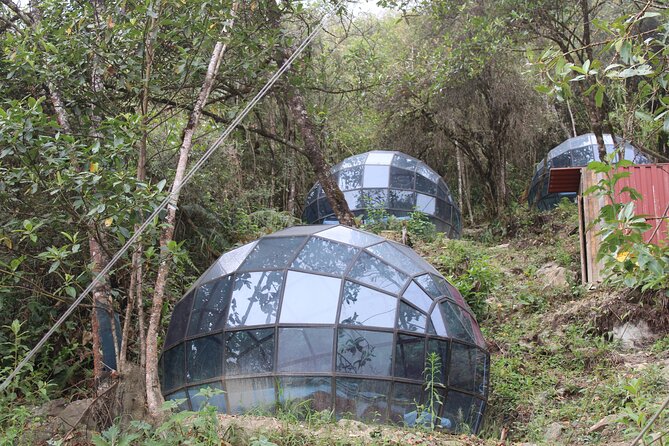
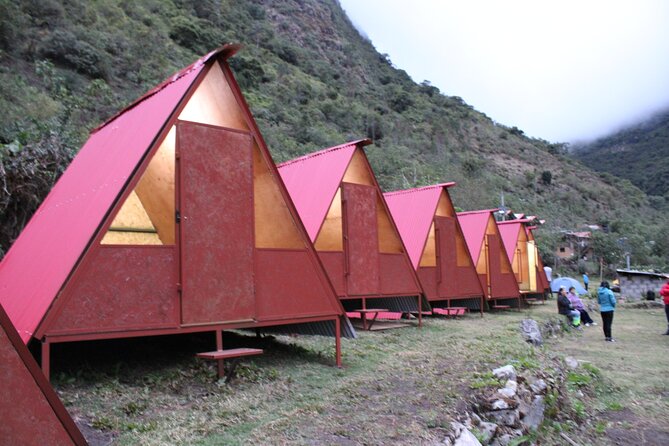
You sleep in huts again. That stays consistent, so your biggest comfort variable on Day 3 is how well you handled your Day 2 recovery.
More Salkantay treks:
- Salkantay Classic Trek 5 Days from Cusco
★ 5.0 · 4,062 reviews - 4-Day Salkantay Trek with Sky Camp Stay
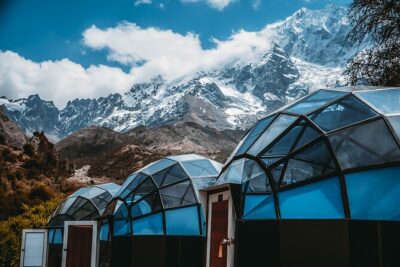
★ 5.0 · 3,346 reviews - Salkantay Trek 5D/4N with Glass Cabins, Domes and Hobbit House
★ 5.0 · 2,488 reviews - 5-Day Premium Salkantay Trek
★ 5.0 · 788 reviews
Llactapata and the Inca Trail taste, then Machu Picchu views without waiting
Day 4 is about the approach, not just the destination. You start early and get a small segment of the famous Inca Trail feeling. You reach Llactapata Inca site, and the payoff is that you can see Machu Picchu from this spot, including Huayna Picchu and Machu Picchu Mountain.
After Llactapata, you hike downhill for about 2 hours. The itinerary notes that Machu Picchu stays in view during this section, which is great because it turns the hike into something scenic for the whole time rather than one brief sighting at the beginning.
You continue until you reach the Hidroelectrica train station for lunch. One of the dramatic sights mentioned is a 300-meter-tall natural waterfall that generates electricity for the entire Cusco region. This is the kind of practical, local detail that makes the region feel alive, not staged.
After lunch, you arrive at Intiwatana, described as an ancient rock used as a sundial in the Incan era. That connects the daily travel grind to the larger reason you’re here, because you’re seeing how time and movement mattered to the people who built these places.
Day 4 is also a good day to keep your energy and expect some tired legs. You’re getting closer to Machu Picchu, but you’re still on foot.
Machu Picchu Day 5: early entry, guided circuit, and optional mountains
On Day 5, you wake up early after sleeping overnight at a hostel, with the explicit goal of beating the crowds to reach the top of Machu Picchu. The entrance checkpoint is listed as open from 6:00 am to 3:00 pm, so early start matters here.
From there, you hike up to Machu Picchu, with an optional bus ride listed for $12.00. Later, the exclusions list a bus up or down option for 24 usd extra, so confirm what your departure needs and what cost applies to your ticket day.
You then enter Machu Picchu and join a 2-hour guided tour. The tour route focuses on:
- temples and terraces
- palaces and priest’s houses
- the sundial
- the industrial sector
- the farming fields
Even if you’ve seen photos, this guided format is useful because it helps you read the place. The engineering is repeatedly emphasized, and you’ll also hear that some details remain partially a mystery, which is exactly the kind of nuance that makes the ruins feel real rather than fully explained.
Optional climb: Huaynapicchu or Machupicchu Mountain is listed as 60 usd extra per person, with a note that you need to book in advance if you want spaces. If that matters to you, treat it like a separate plan, not a last-minute decision.
Price and value: what $299 covers, and what you should budget on top
At $299 per person, this trek can be good value if you want a full package. Here’s what’s covered based on the provided details:
- Machu Picchu ticket
- 4 breakfasts, 4 lunches, and 4 dinners
- day-to-day ground handling, including the minivan return from Hidroelectrica
- trekking support structure, including use of animals for equipment
- guided time on Machu Picchu
What’s not included and could change your total:
- Drinking water
- Sleeping bag ($20 extra)
- Walking poles ($20 extra)
- Humantay Lake entrance (S/20 is mentioned)
- Bus up or down to Machu Picchu (listed as $24 extra in exclusions)
- Optional Huayna Picchu or Machu Picchu Mountain (60 usd)
- Optional train back service (80 usd)
So how do you judge value? I’d do it this way. If you add up what it costs to arrange guided transport, meals, Machu Picchu entry, and logistics around Hidroelectrica, the price starts to make sense. But your real cost will depend on whether you add the mountain climb and whether you need gear like a sleeping bag or poles.
Also, consider timing. This tour is often booked about 20 days in advance on average, so leave room for planning rather than hoping you can sort everything last minute.
Who this suits, and what fitness to plan for
This trip is described as requiring moderate physical fitness level, and that’s honest. The reason is Day 2, with the uphill to the top. Day 1 and Day 3 have climbs and long days too, but Day 2 is the “line in the sand.”
You should be comfortable with:
- early starts (including the 4:30 am pickup in Cusco)
- long walking hours, including downhill segments
- changing climates across altitudes (camp at 3,900 m, lake at 4,200 m, high pass at 6,264 m, then down toward 2,900 m and into warmer zones)
If you’re the kind of person who needs frequent breaks, bring that need into your pacing. The itinerary suggests regular pace and fixed time estimates, but your body will decide the actual rhythm. Plan to go slower than you think on Day 2.
Getting the most out of your trek, with a little common sense
A few practical choices can make this feel smoother.
First, for Machu Picchu day, treat tickets as your responsibility too. The itinerary says the Machu Picchu entrance ticket is included, but there’s a known risk when plans are dependent on vendors and timing. Before you commit, ask for written confirmation that your Machu Picchu ticket is already secured for your date.
Second, plan for hydration and basic comfort. Drinking water is not included, so bring a plan to buy or refill as allowed. Also, sleeping bag and poles cost extra, and if you already own good ones, you’ll feel better by Day 3 or Day 4.
Third, if Huayna Picchu or Machu Picchu Mountain matters, book early. The itinerary specifically warns about advance booking and limited spaces.
Finally, keep your expectations aligned with the structure of the route. This isn’t just a hike to a view. It’s a multi-day moving schedule where the payoff is spread out: Humantay on Day 1, the high pass on Day 2, coffee and cloud forest on Day 3, Llactapata on Day 4, and guided Machu Picchu on Day 5.
Should you book Salkantay Trek Llactapata (5 days, 4 nights)?
Book it if you want a classic Andean trek with real altitude, you enjoy scenic walking days, and you want your Machu Picchu time paired with a guide and a calmer morning entry. The route also gives you a rare mix, high pass to coffee forest to Machu Picchu, instead of only one kind of scenery.
Hold off or ask more questions first if you are risk-sensitive about ticket handling. Confirm your Machu Picchu ticket in writing, and clarify Humantay Lake entrance costs because the details are presented inconsistently.
If you’re comfortable with moderate fitness, early mornings, and a trek pace that includes steep uphill work, this can be a strong value way to reach Machu Picchu while earning it on foot.
FAQ
What time is the pickup in Cusco?
Pickup is scheduled from Plaza de Armas in Cusco between 4:30 am and 5:00 am.
How long is the trek and how many nights do you sleep on it?
It is 5 days and about 4 nights.
What is the highest point on the trek?
The itinerary lists the highest point at Salkantay, at 6,264 meters above sea level, reached on Day 2.
Is Humantay Lake entrance included?
The itinerary mentions a S/20 entrance fee for Humantay Lake, while the exclusions list Humantay entrance as not included. Confirm at booking what you will pay on your date.
How long is the Machu Picchu visit and is there a guide?
You get a guided tour of about 2 hours through Machu Picchu, covering multiple areas such as temples, terraces, palaces, and the sundial.
Do I need to pay for bus rides to Machu Picchu?
An optional bus ride is listed in the itinerary for $12.00, and the exclusions list bus up or down for 24 usd extra. Confirm the cost for your specific day.
Are Huayna Picchu or Machu Picchu Mountain included?
They are optional and cost 60 usd extra per person, with a note that you must book in advance if there are spaces.
What is included in the meals?
The package lists 4 breakfasts, 4 lunches, and 4 dinners.
More Hiking & Trekking in Sacred Valley
- Classic Inca Trail Trek 4D/3N to Machu Picchu (Group Service)
★ 5.0 · 8,653 reviews - Machu Picchu: 4-Day Inca Trail Trek with Panoramic Train Ride
★ 5.0 · 4,568 reviews - Rainbow Mountain Full Day Trek
★ 5.0 · 1,469 reviews - 2 day 1 night trek / Colca Canyon
★ 5.0 · 1,069 reviews
Recently reviewed around Sacred Valley
- Cusco 4 Days Machu Picchu and Sacred Valley | All included★ 5.0 · 8 reviews
- Machu Picchu and Sacred Valley 2 Day Tour★ 5.0 · 8 reviews
- Sacred Valley: From Ollantaytambo & Urubamba – Private Tour★ 5.0 · 8 reviews
- Private Sacred Valley VIP Tour: Chinchero, Maras, Moray & Ollanta★ 5.0 · 8 reviews
- Two-Day Train Tour to Sacred Valley and Machu Picchu★ 5.0 · 8 reviews
- Machu Picchu and the Sacred Valley Express Adventure in 2 Days★ 5.0 · 8 reviews
- Sacred Valley and Machu Picchu Tour 2 Days and 1 Night★ 5.0 · 8 reviews
- Sacred Valley and Machu Picchu Excursion 2 days / 1 night★ 4.5 · 8 reviews
Salkantay Trek, compared.
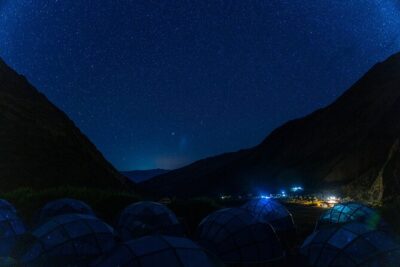
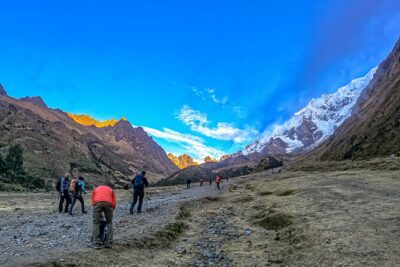
Salkantay Trek 5D/4N with Glass Cabins, Domes and Hobbit House
Read our review →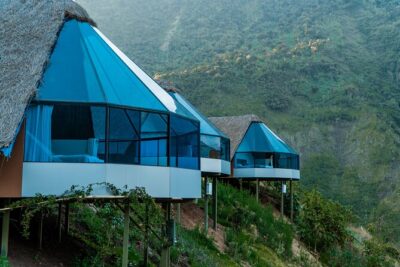
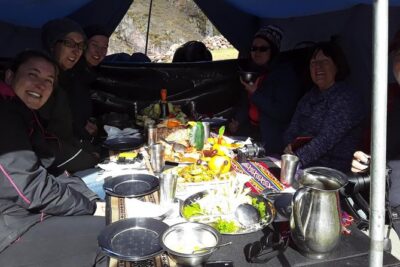
Ultimate Salkantay Trek to Machu Picchu 5 Days
Read our review →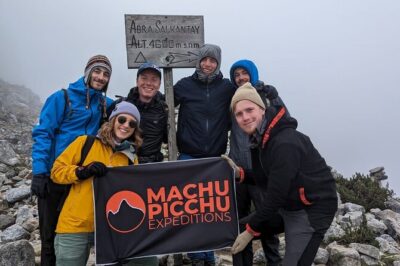
Salkantay Trek to Machu Picchu 5 Days / 4 Nights by Glamping
Read our review →
Humantay Lake and Salkantay Pass Trek – 2 Days / 1 Night
Read our review →Browse the lists this tour appears in