
Reviewed · MACHU PICCHU
4 days/3 nights: Inka Jungle Trek to Machu Picchu
This trek is interesting because it trades the usual pass-only route for a mix of bike time, jungle-edge hiking, and then the grand finale at Machu Picchu at sunrise. You get the feeling of moving through real Inca-era paths, plus the kind of nature time that makes the next day’s views hit harder.
I like that the itinerary includes a guided Machu Picchu visit with key sites like Inti Watana and the Temple of the Condor. I also like the variety baked into the days, from a long riverside walk to the option of zip lining at Cola de Mono.
One possible drawback is that a few activities are weather-dependent, especially the Day 1 rafting option, and if it cannot run you are told there is no refund. I also recommend you pay attention to how the group handles luggage and support in case something goes wrong, since a couple of past experiences did not go smoothly.
Key highlights I think you will actually care about
- Bike descent on Day 1 for 3 to 4 hours, a fast way to start feeling the adventure
- Walking part of an ancient Inca road along the Urubamba River, with fruit and medicinal plants to spot
- Cocalmayo hot springs in Santa Teresa to reset your legs after a full hiking day
- Cola de Mono zip line option (morning on Day 3), for an extra hit of fun
- Early Machu Picchu entry chance so you can chase sunrise with one of the first groups
- Small group size (up to 15), which tends to make the trip feel more personal
Why this Inka Jungle Trek feels like a “real” Machu Picchu route
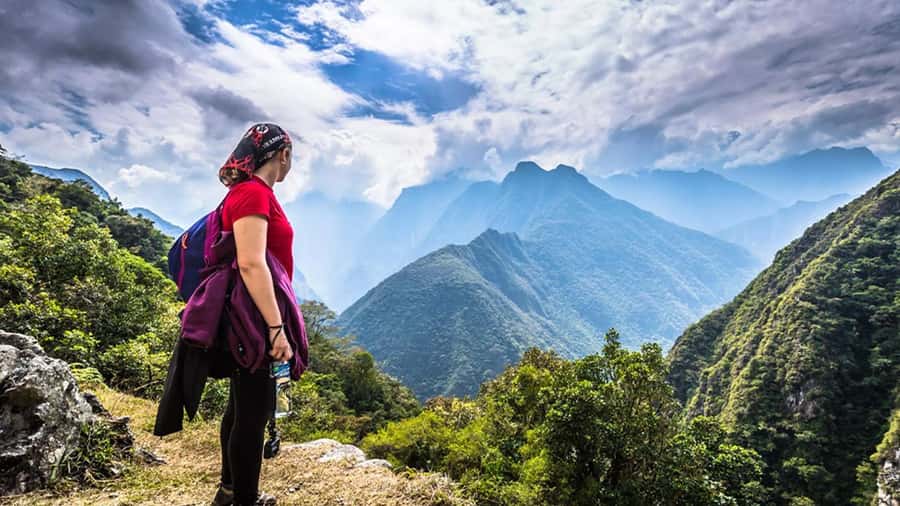
Most Machu Picchu trips are built around one day: get you there, get you in, get you back. This trek is different because it earns Machu Picchu. You spend three nights moving through Cusco Region terrain and getting multiple “mini rewards” before the main event.
On paper, the days look like a list of activities. In practice, the flow matters: you start high with a long transfer, then move down gradually by bicycle and on foot. That pacing helps the trip feel like a journey, not a schedule you sprint through.
And the theme stays consistent. It is not just hiking to hiking’s sake. You are following ancient paths, crossing river sections, spotting local uses of plants, and winding up in Machu Picchu with your day already full of context.
More Hiking & Trekking in Cusco
- Classic Inca Trail Trek 4D/3N to Machu Picchu (Group Service)
★ 5.0 · 8,653 reviews - Machu Picchu: 4-Day Inca Trail Trek with Panoramic Train Ride
★ 5.0 · 4,568 reviews - Salkantay Classic Trek 5 Days from Cusco
★ 5.0 · 4,062 reviews
Price and logistics: what your $420 is really paying for
At $420 per person for 4 days, the big value drivers are what the price includes. You are not just buying a guide and a map. You get:
- Official guide for the trek
- Machu Picchu entrance
- Train from Aguas Calientes to Ollantaytambo
- Transfers tied to Cusco logistics
- All inka jungle meals (3 breakfasts, 3 lunches, 3 dinners)
- Night accommodations in Inka jungle hostels
- Equipment for biking
- A zip line option
- A first aid kit
Then there are the items you should expect to pay separately. Breakfast on Day 1 and lunch in Aguas Calientes are not included, and hot spring entrance at Santa Teresa is also not included. If you want extra sights, Wayna Picchu costs USD 65, and bus tickets up and down to Machu Picchu cost USD 24.
If you compare it to a “DIY plus guide” approach, the logic is simple. This package reduces the number of moving pieces you manage yourself: transport, meal planning, ticket timing, and the train portion. That is where much of the value sits.
Day 1: Cusco to Abra Malaga, the bicycle descent to Santa María, optional rafting
Your day starts early. You are picked up from your Cusco hotel at 06:30 in a private vehicle for about 4 hours through the Malaga pass to reach San Luis, where the trek adventure begins.
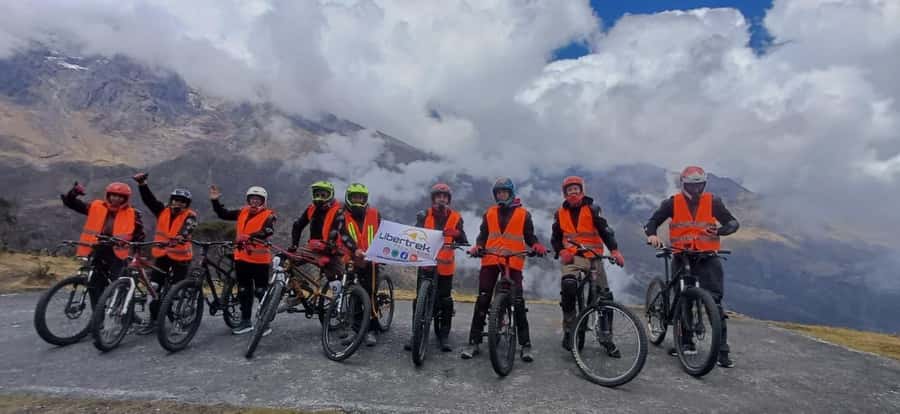
The first big thrill is the bicycle descent. You ride for about 3 to 4 hours, descending until you reach Santa María. It is not just “sit and coast.” You are transitioning through changing terrain, and you also pass by the archaeological center of Huamanmarca. That stop helps you connect the physical route to what you are seeing, rather than treating the day as pure transit.
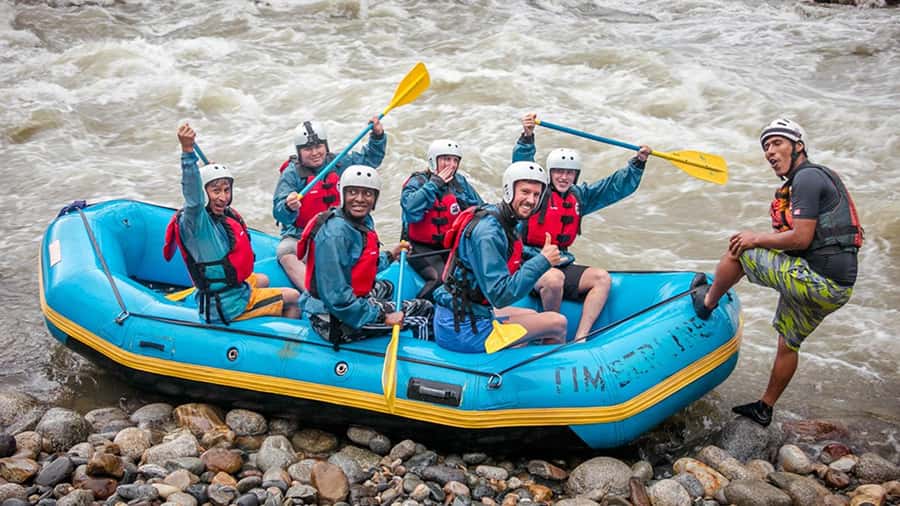
In the afternoon, you have an optional rafting moment. You can choose to do rafting on the Urubamba River, where rapids are described as level III to IV. A key note: the rafting activity is subject to conditions between January 1st and March 31st. If the river is high on your day, it will not take place, and there is no refund.
That matters for your expectations. If you are traveling in the January to March window, mentally plan for rafting to be a bonus, not a guaranteed event.
What this day is best at: getting adrenaline early without rushing through everything.
What to watch: the rafting timing and weather note, plus the overall Day 1 schedule starting at 06:30.
Day 2: Urubamba River hiking, ancient Inca road segments, and Cocalmayo hot springs
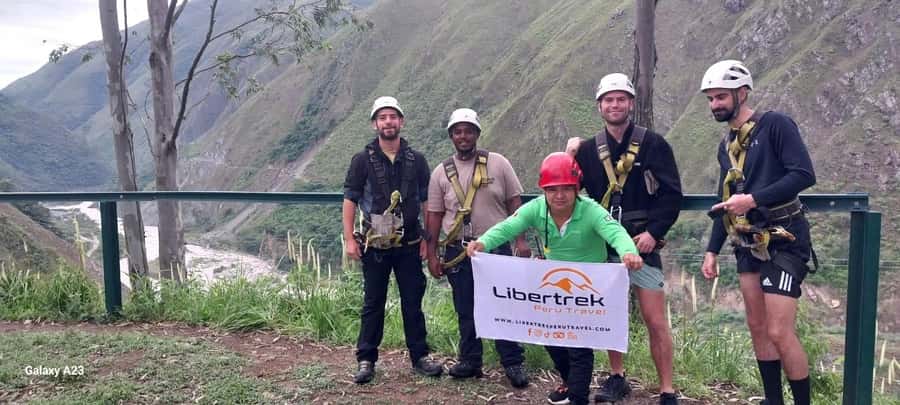
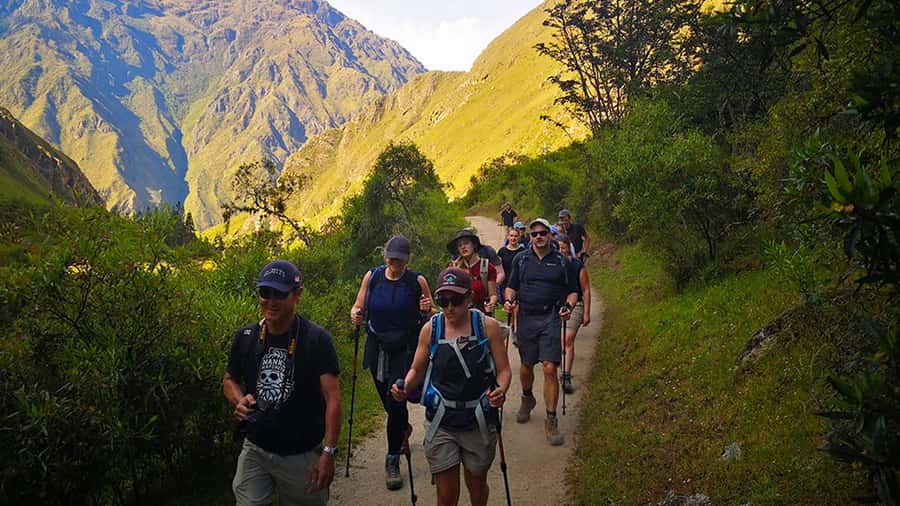
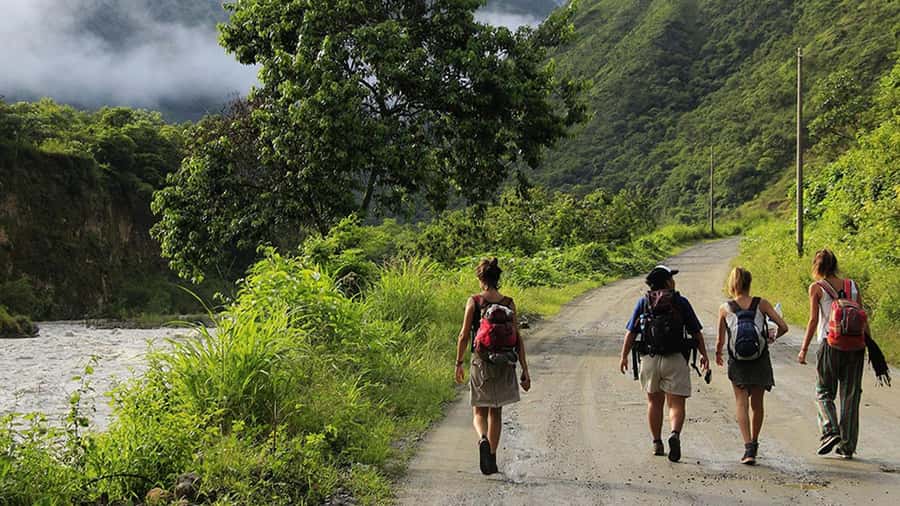
After an early breakfast, you start walking along the Urubamba River banks for about 7 to 8 hours. This is a long day of ascents and descents, so pace yourself. The payoff is that you are walking part of an ancient Inca road that is described as perfectly preserved.
You are also encouraged to look closely. You can spot fruit and medicinal plants that locals use for illnesses. And yes, you will see wildlife and bird life, including parrots. This is the kind of detail that makes a hike feel alive, not repetitive.
Later, you cross the Urubamba River through Oroya to reach the Cocalmayo hot springs in Santa Teresa. The hot spring entrance is not included, so you should plan your budget if you want to fully enjoy that recovery time. Either way, the hot springs stop is a smart reset: after a full hiking day, warm water turns “legs that feel like wood” into “legs that can move tomorrow.”
Night is in Santa Teresa. This day has a built-in mix of effort and recovery, which is exactly what you want on a trek that ends with sunrise Machu Picchu.
What this day is best at: walking ancient infrastructure while still seeing real nature.
What to watch: it is a long hike day, and you will want comfortable footwear plus the energy to keep a steady rhythm.
More ways to reach Machu Picchu:
- Machu Picchu: Group Guided Tour
★ 4.7 · 102 reviews - Machu Picchu: Tour Guide Service & Entrance Ticket Circuit-2
★ 4.6 · 90 reviews - Cusco: One Day Tour to Machu Picchu with Train Transfers
★ 4.8 · 28 reviews - Machu Picchu: historical and photographic guided tour
★ 4.9 · 27 reviews
Day 3: Cola de Mono zip line option, Hidroeléctrica lunch, and the walk to Aguas Calientes
Day 3 begins with a choice. You have the option to zip line in Cola de Mono after breakfast. If you like active breaks, this is the kind of add-on that keeps the trek from feeling like all “walking, walking, walking.”
After breakfast, you start walking to Hidroeléctrica. The route goes through a narrow canyon with pleasant climate, and you will eventually see the mountain of Machu Picchu. Seeing it before the town-and-temple phase is powerful, because it makes the final approach feel earned.
Lunch is at Hidroeléctrica. Then you continue along the train tracks for about 3 hours until you reach Aguas Calientes. That walk can feel long, so think of it as your decompression stretch. By the time you arrive, you are ready for the last day without feeling like you still need to prove something.
You sleep in a hotel night in Aguas Calientes.
One practical note: the trek days are active and your schedule is tight, so this is not the moment to pack your life into the heaviest possible bag. Keep it realistic.
What this day is best at: getting early sight of Machu Picchu and transitioning into the rail corridor.
What to watch: the train-track walk takes time, so plan your energy and pack smart.
Day 4: Early Machu Picchu entry, guided stops, then train back to Cusco
On the morning of Day 4, you walk from Aguas Calientes to Machu Picchu. The plan gives you the chance to be one of the first groups inside, which is how you set yourself up for a beautiful sunrise.
Then you get a guided tour focused on the most important sites, including Inti Watana, the Temple of the Condor, and the sacred rock, plus others. This is where a guide earns their keep. Machu Picchu is complex, and having someone translate the layout makes it far more than postcard terrain.
When your visit finishes, you head back down to Aguas Calientes to board the tourist train from Machu Picchu town to Ollantaytambo. A tourist bus then waits to take you back to Cusco.
What this day is best at: sunrise timing and guided context.
What to watch: tickets are sometimes the difference between an easy plan and a scramble. If you are aiming for extra sights like Wayna Picchu, you should treat optional add-ons as separate planning items.
The guide experience matters, and it really shows
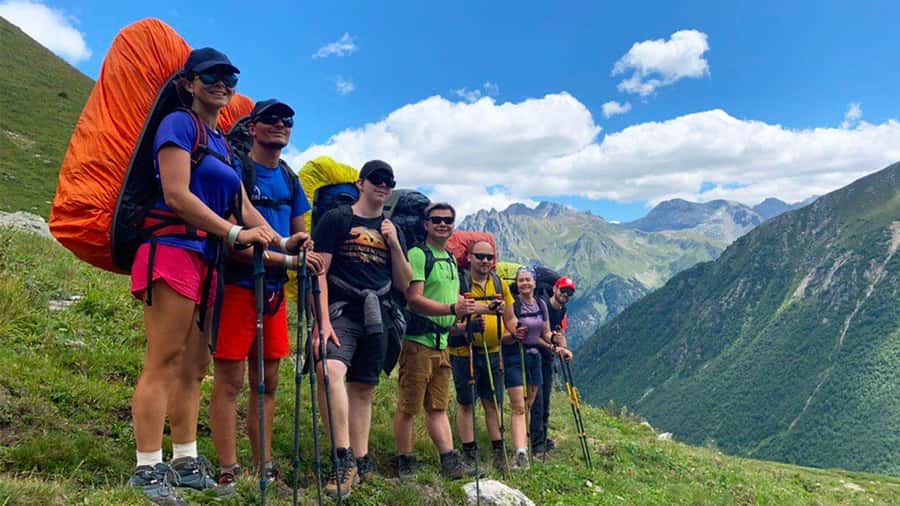
A standout theme in the way people describe this trek is the guide. Many credit their guide, especially Gustavo and Gustavo Candia, for both knowledge and on-the-ground attention.
That matters because adventure treks are not just “walk here, walk there.” Guides handle pacing, safety checks, and the tone of the group. In the best cases, it feels personal, with the guide staying tuned to what you need, not just reciting facts.
At the same time, I would not ignore the mixed side of the story. A couple of past experiences point to issues like unclear packing instructions for day hiking, moments where a guide seems to leave people behind to keep with the rest of the group, and uneven support if someone has an injury. There were also concerns raised about Machu Picchu guidance on the final day and about ticket categories.
You cannot eliminate risk on an outdoor trek. But you can reduce the chances of a bad day by asking direct questions before you go, especially about luggage expectations and who stays with anyone who falls behind.
What to pack for the trek days (so Day 2 does not ruin Day 3)
You do not need a fancy kit, but you do need the basics. The essentials you should bring include:
- Passport
- Comfortable shoes and hiking shoes
- Sunglasses and a hat
- Sunscreen
- Insect repellent
- Insect season logic aside, assume you will want it
- Swimwear and a towel for hot springs
- Camera
- Comfortable clothes and hiking pants
- Personal medication
- Cash
Also, you will be carrying something every day, even if most of your gear stays handled by the logistics plan. If you are unsure what you will be expected to carry on a long walk day, ask ahead of time. One of the complaints tied to past trips was not being told clearly about packing for a hiking day, which turned an easy day into a heavy one.
Keep your daypack small enough to move comfortably, but large enough for what your trek requires.
Who this trek is perfect for, and who should rethink it
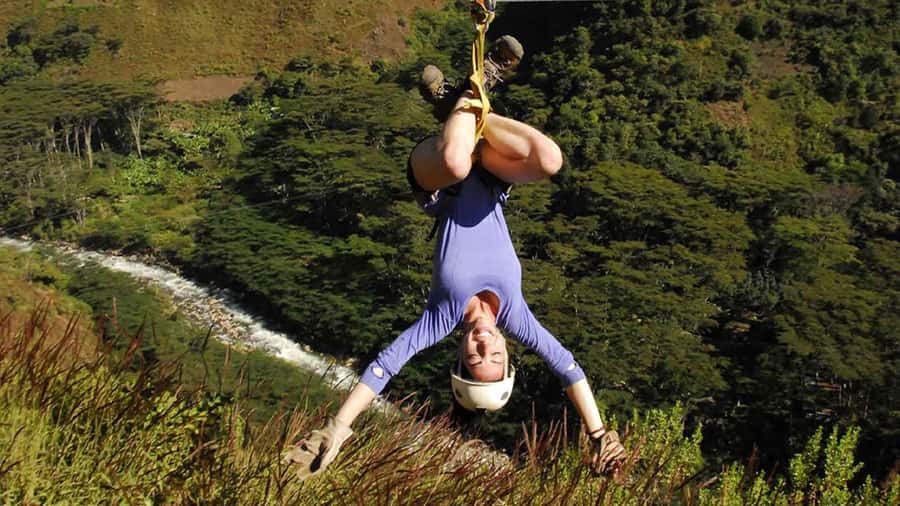
This trek is a great match if you want a Machu Picchu trip with movement built in. You will love it if your idea of a good vacation includes a mix of biking, riverside hiking, hot springs, and a guided Machu Picchu morning.
It is also a good fit for people who like small groups. With up to 15 participants, it is easier for the guide to manage pace and attention.
If you are very sensitive to longer hiking days, consider that Day 2 is 7 to 8 hours with ascents and descents. Day 3 is also active. The trip is doable for many people, but it is not a gentle stroll.
And if you have a tight schedule around optional add-ons, like rafting in the January to March window or Wayna Picchu, plan your expectations carefully. Weather can change the rafting plan, and optional tickets are not included.
Should you book this Inka Jungle Trek to Machu Picchu?
If you want value for money and a more authentic approach than a one-day transfer, this is a smart choice. The price covers major pieces that add up fast on your own, especially Machu Picchu entrance, train transport, daily meals, and guided time.
I would book if you:
- Like multi-activity days, not just one highlight
- Want a guided Machu Picchu visit with specific key sites
- Are comfortable with long hiking time and at least one full day of climbing and descending
I might skip or switch to a different format if you:
- Need guaranteed rafting, since the Day 1 activity depends on river conditions between January 1st and March 31st
- Have mobility or injury concerns and want extra certainty about support if someone falls behind
- Want a specific Machu Picchu ticket category experience and do not want any uncertainty about how it is handled
If you do book, I suggest you message your operator ahead with three clear questions: what your daypack should include for hiking, how support works if someone gets hurt or falls behind, and how Machu Picchu guiding is handled on your specific arrival day. Those questions help you keep the adventure fun, not stressful.
FAQ
What is the duration of the Inka Jungle Trek to Machu Picchu?
It lasts 4 days and 3 nights.
When do you get picked up in Cusco?
You are picked up from your hotel in Cusco at 06:30.
What is the group size for this tour?
It is a small group limited to 15 participants.
Which activities are optional?
Rafting on Day 1 and the zip line on Day 3 are listed as options. Wayna Picchu is also optional.
Is rafting guaranteed?
No. The rafting activity on the Urubamba River is subject to weather conditions between January 1st and March 31st. If the river is high on the day, it will not take place and there is no refund.
What is included for Machu Picchu?
Machu Picchu entrance is included, and there is a guided tour of key sites such as Inti Watana, the Temple of the Condor, and the sacred rock.
What should I bring for the trek?
Bring your passport, comfortable and hiking shoes, sunglasses and a hat, sunscreen, swimwear and a towel, a camera, insect repellent, cash, hiking pants, and any personal medication.
More Hiking & Trekking in Urubamba
- 4-Day Salkantay Trek with Sky Camp Stay
★ 5.0 · 3,346 reviews - Salkantay Trek 5D/4N with Glass Cabins, Domes and Hobbit House
★ 5.0 · 2,488 reviews - Rainbow Mountain Full Day Trek
★ 5.0 · 1,469 reviews - 2 day 1 night trek / Colca Canyon
★ 5.0 · 1,069 reviews
Recently reviewed around Urubamba
- Valle Sagrado:Chinchero, Moray, Maras, Ollantaytambo y Pisac★ 4.5 · 116 reviews
- Super Sacred Valley★ 3.8 · 6 reviews
- From Cusco: Chinchero, Moray, Maras and Ollantaytambo★ 4.5 · 83 reviews
- Machu Picchu: 1-day tour by Vistadome Panoramic train★ 4.7 · 15 reviews
- Machupicchu 2025: The best ticket Circuit 2★ 3.5 · 6 reviews
- Machu Picchu: Tour Guide Service & Entrance Ticket Circuit-2★ 4.6 · 90 reviews
- Machu Picchu: Huayna Picchu Entry Ticket★ 2.8 · 4 reviews
- Machu Picchu: historical and photographic guided tour★ 4.9 · 27 reviews
Machu Picchu, compared.
Classic Inca Trail Trek 4D/3N to Machu Picchu (Group Service)
Read our review →
4-Day Inca Trail Trek with Panoramic Train Ride
Read our review →
2-Day Inca Trail to Machu Picchu with Panoramic Train
Read our review →
2-Day Tour: Sacred Valley and Machu Picchu by Train
Read our review →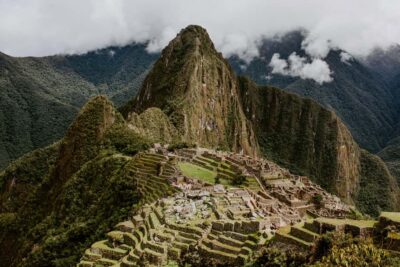
Browse the lists this tour appears in