
Reviewed · COLCA CANYON
From Arequipa Trek : 2-Days of Hiking in the Colca Canyon
The Colca Canyon is the kind of place that looks unreal from the rim, but this trek goes one step further, down toward the canyon floor where the scale really hits you. I especially like the chance to see Andean terraces and communities up close, not just from a bus window. I also like the Sangalle Oasis overnight, with time to swim and cool off after a big day. The drawback is simple: this hike is steep and uneven, so you need solid shoes, good pacing, and zero ego.
This is set up for small groups (up to 18) with a professional guide in Spanish and English. In the real world, that guide experience matters on steep, exposed trails, and some guides are more hands-on than others, so I’d come ready with questions and a clear plan for your comfort level. You’ll also start very early from Arequipa, then return late in the afternoon on day 2.
If you’re the type who likes real effort with real payback, this is a standout way to do the Colca in two days. If you prefer flat walking or you’re worried about heights, it’s not the right fit.
Key things to know before you go
- You hike down into the Colca Canyon floor area, not only viewpoints, which changes the whole feel of the trip.
- Cruz del Cóndor is timed for condors and photos, with a dedicated stop around 3,600 m elevation.
- Sangalle Oasis is your overnight base at about 1,900 m, and you get pool time for recovery.
- Day 2 starts in the dark so you can catch sunrise during the climb back up.
- There’s an extra cash requirement for food, lodging, and an entrance ticket, plus optional hot spring entry.
- The terrain is real: steep descents, uneven paths, and places that can feel exposed.
Colca Canyon floor time: what makes this trek different
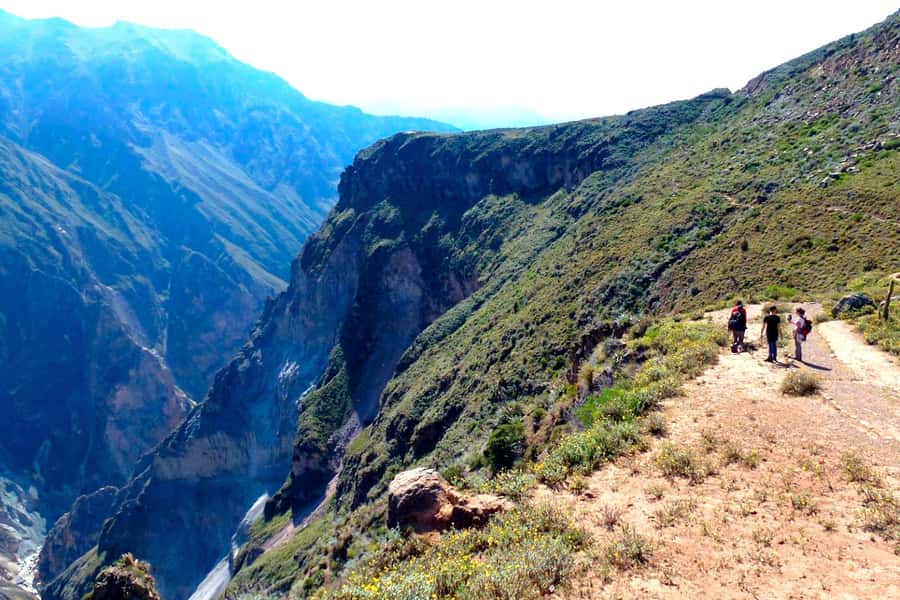
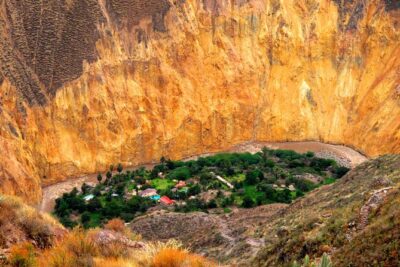
Most Colca trips are rim-only: you drive to viewpoints, you take pictures, you feel the awe, then you leave. This one is different because you actually spend time moving through the canyon itself, starting with a descent that gives you that rare, down-close perspective on depth, rock walls, terraces, and working countryside.
That shift matters. From the top, the canyon is a dramatic photo. From the bottom, it becomes a place with routes, footsteps, communities, and the kind of vertical relief that makes you slow down whether you want to or not.
You also get a classic pairing: condors at Cruz del Cóndor and then hiking your way toward the quieter, lived-in parts of the canyon. The terraces built by the Collaguas show up along the route through communities and farming areas, and those details are a big part of why this trek feels more authentic than a quick sightseeing loop.
One more reason I’d take this seriously: altitude. You’re moving between roughly 3,600 m, 3,200 m, 2,230 m, and down near 1,900 m, then climbing back toward high points again. Even if you’re not “high altitude sick,” your body will feel it in your effort and breathing.
More Hiking & Trekking in Arequipa
- Arequipa: 2-day Colca Canyon Trekking, Ending in Puno
★ 4.8 · 8 reviews - 2 day 1 night trek / Colca Canyon
★ 5.0 · 1,069 reviews - From Arequipa: Sillar Route Trek
★ 4.2 · 461 reviews
Price and what your extra $90 (or 320 soles) actually buys
The listed price is low, but the tour is priced like a base hike package, not a full board, all-in trip. You should plan on paying $90 or 320 soles in cash at the start to cover food, lodging, and an entrance ticket.
On top of that, hot spring entry can cost extra. The hike includes a thermal bath stop, and the hot spring ticket is described as optional, around $5 (or 15 soles).
So what’s the value? Here’s the honest math and logic:
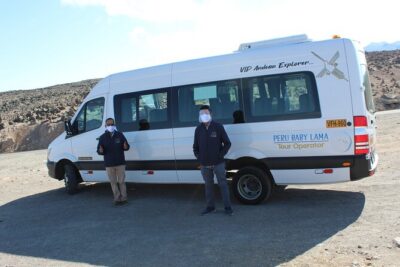
- You’re paying for round trip transport Arequipa to the Colca area and back plus a professional guide (English and Spanish).
- The tour also delivers two “big ticket” experiences that are hard to DIY safely: navigating steep canyon paths with a guide and getting into the right rhythm for condors at Cruz del Cóndor.
- The extra cash is tied to the practical stuff that costs money on location: meals and the Sangalle overnight.
If you budget that extra payment in advance, the overall package still tends to make sense for what you get: two full hiking days, an overnight in the canyon, and hot springs afterward. If you don’t plan for that cash requirement, you’ll feel surprised at the start, so I recommend you treat the extra payment as part of the true cost.
Day 1: the long descent, lunch with a local family, and Sangalle pool time
You’re picked up in Arequipa very early, around 03:00, then you ride to the Colca region by van. Breakfast happens in Chivay after about a few hours of travel.
The day has three “gears”:
- High rim viewpoints and condor time
- The descent into the canyon
- Walking to Sangalle and recovering for tomorrow
Cruz del Cóndor stop before the hike
At about 3,600 m, you’ll visit Mirador Cruz del Cóndor and spend around 40 to 50 minutes there. This is your condor window and your photo window. Even if you’ve seen condor videos before, being there in person is different. The view gives context for why they ride thermal currents, and you’ll get chances to take photos without feeling rushed.
I’d use this time smartly. Take a few minutes to look for circling birds, but also watch the horizon line. Condors can be easier to spot when you’re scanning the sky layer-by-layer instead of staring straight up.
More Colca Canyon trips:
- 2-Day Tour Colca Canyon in Arequipa with end in Puno
★ 4.6 · 248 reviews - From Arequipa: 1-Day Guided Tour to Colca Canyon with Meals
★ 4.1 · 144 reviews - Turist Bus Colca Canyon (Chivay) To Puno
★ 5.0 · 83 reviews - From Puno to Arequipa: 2 Days/1 Night Colca Canyon Tour
★ 3.6 · 83 reviews
Transition to the hike at San Miguel
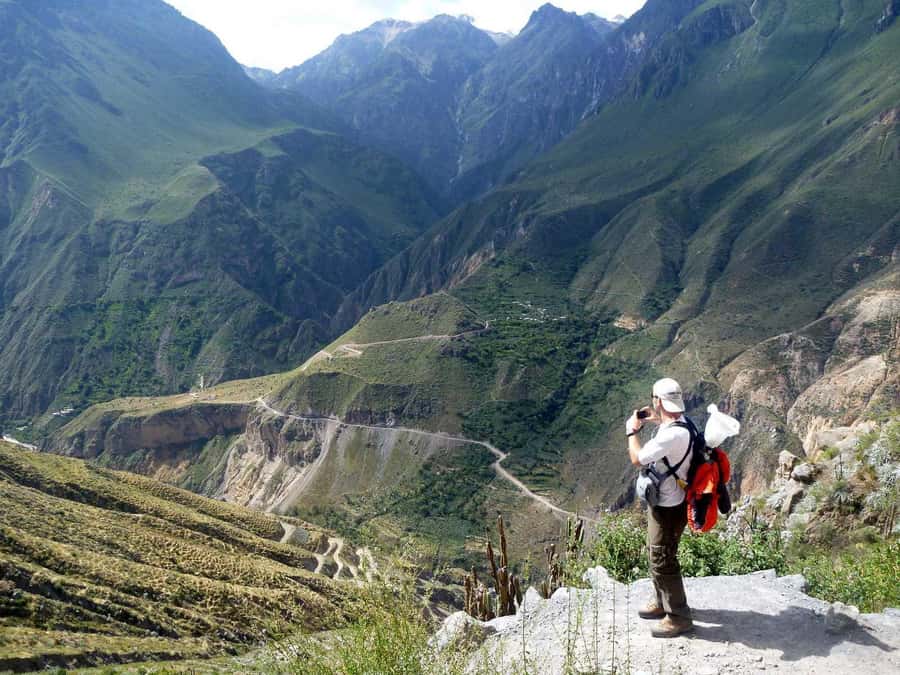
After the viewpoint time, you drive to San Miguel around 3,200 m. Then you start descending. The hike portion begins with canyon views, plus flora and fauna you’ll notice more once you slow down.
Expect the descent to be the main physical event of day 1. The route includes:
- A steady downward push for about 3 hours
- A crossing over a bridge to San Juan de Chuccho at about 2,230 m
This is also where the day becomes more than just hiking. You’ll have lunch at the home of a local family. That lunch is part of what makes the trek feel grounded. You’re moving through agricultural and community life, not just walking past it.
The final walk to Sangalle Oasis
After lunch and rest, you continue walking for about 3 more hours to Sangalle Oasis around 1,900 m.
Sangalle is where the trek starts to feel like a reward. You get time to enjoy the pools and nature and then settle in for dinner and an overnight stay. The pool time is genuinely useful because it helps your legs feel less like they belong to someone else.
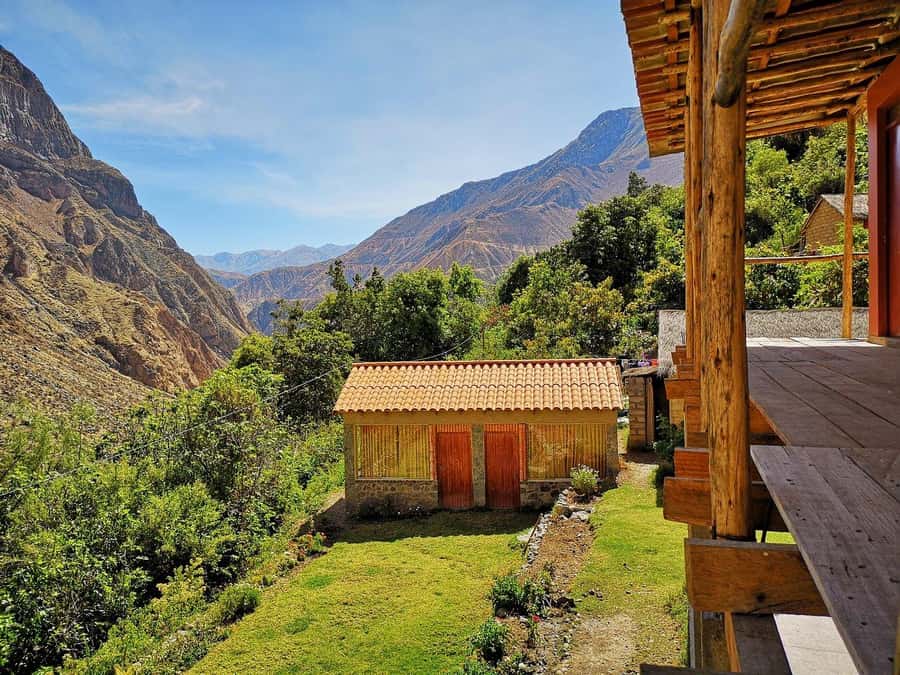
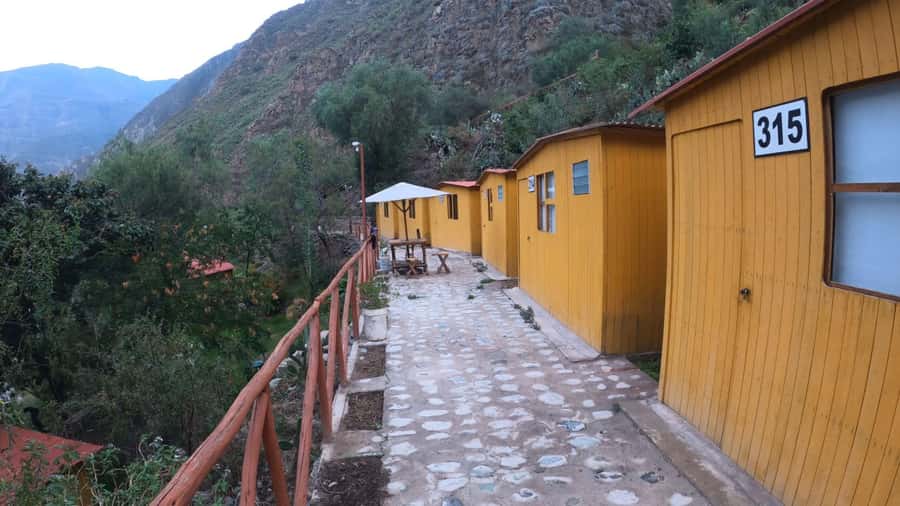
One practical note from real-world experience: lodging in Sangalle can be basic for the price. I’d plan for limited room amenities, so don’t count on comfort details like private bathroom space or charging outlets. Bring what you need for hygiene and keep your expectations realistic.
Day 2: sunrise climb, Cabanaconde breakfast, terraces, and the Chivay reset
Day 2 is the harder one for many people, mostly because it starts very early and then turns into a climb.
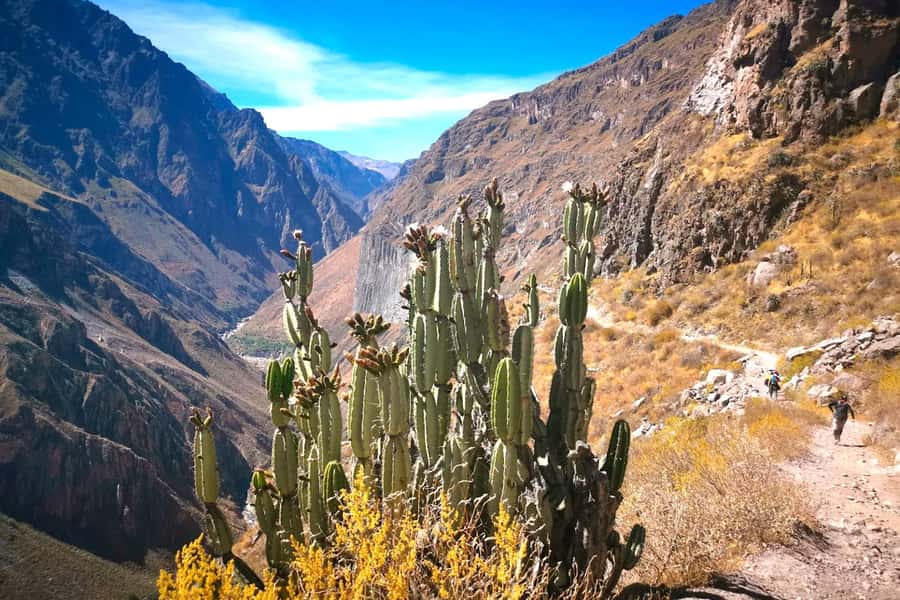
You wake up early, then start hiking upward at night so you can catch sunrise during the ascent. That timing is great for the view, but it also means you should be ready for a colder start and for low-light footing.
The uphill effort and why sunrise starts matter
The second day hike is around 3 to 4 hours up to the highest part of the route. You’ll watch the canyon change as the first light hits, which is exactly the kind of “earned view” that makes early starts feel worth it.
But don’t treat it like a scenic stroll. This is a serious climb, and it can feel brutal if you pace like it’s day 1 again. If you’re prone to overreaching when you’re excited, watch that instinct. You’ll do better with slower, controlled steps.
A smart tip from guides and hikers in this area: bring a headlamp. You’ll start before sunrise, and it makes a huge difference for your safety and comfort.
Back to Cabanaconde for breakfast
After reaching the higher section and resting, the route continues toward Cabanaconde around 3,300 m. You’ll have breakfast there.
This is when you refuel for the remaining stops. You’re not done yet, so I’d eat like you mean it.
Antahuilque terraces and thermal baths
Next, you drive to pass Antahuilque viewpoints where you can see cultivation terraces. This part connects the dots between what you saw on the way down and what people farm and build across the slopes.
Then you visit thermal baths. This is a recovery stop, and it’s also a nice reset after climbing. The hot spring ticket can require extra payment, so expect optional entry costs.
Lunch in Chivay, plus final viewpoints on the way back
You’ll head to Chivay for lunch, then return toward Arequipa with photo stops and a couple of added points of interest, including:
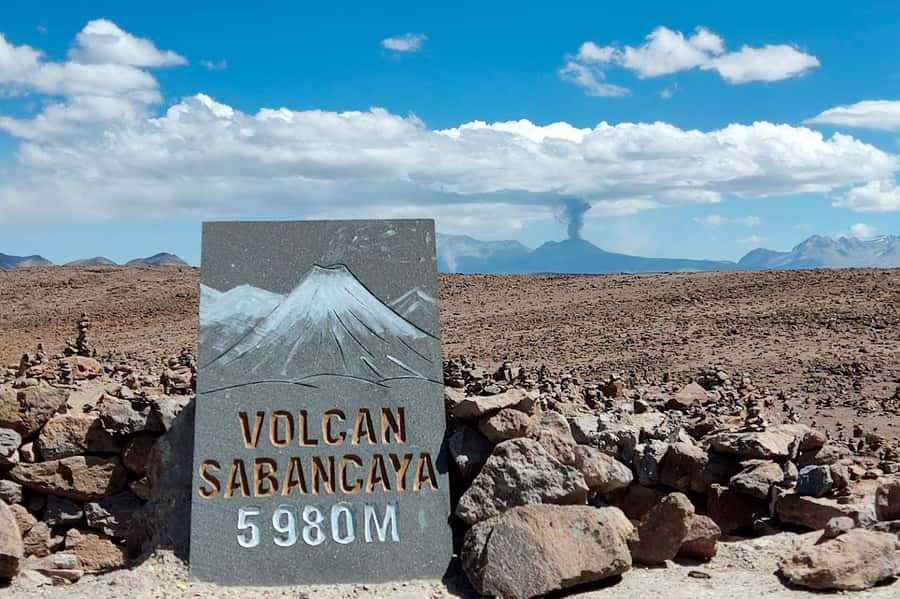
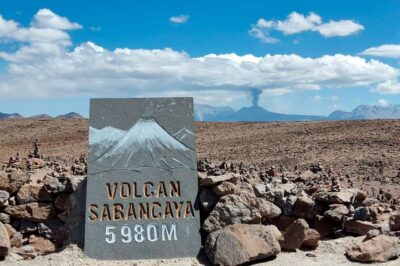
- A higher volcano viewpoint around 4,190 m
- A stop at a traditional village area for a short break and guided visit
You end back in Arequipa around 17:30.
Cruz del Cóndor and condor spotting: how to get the best results
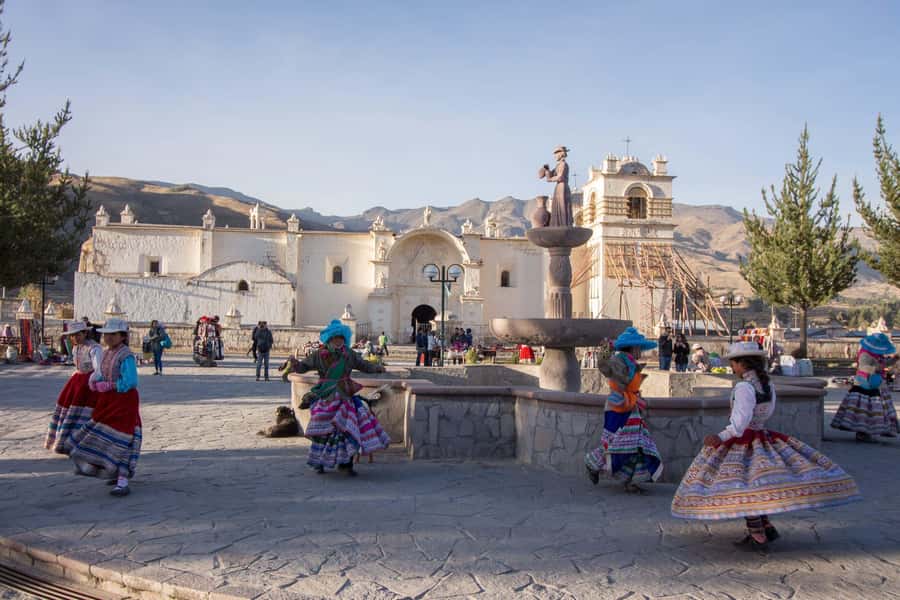
Condor spotting is never 100 percent guaranteed. That said, this tour builds in a focused stop at Cruz del Cóndor with enough time to actually look and reposition.
Here’s how to make the most of it:
- Give yourself 10 minutes to settle in and scan calmly.
- Watch for birds riding wind currents rather than only those that flap.
- Keep your camera ready, but don’t lock your eyes on the lens the whole time.
Because this is at about 3,600 m, you’ll feel the altitude. Take it easy with your breathing and don’t rush to “win” the photo. The birds show up when they show up.
Hot springs in Chivay: the practical reason to care
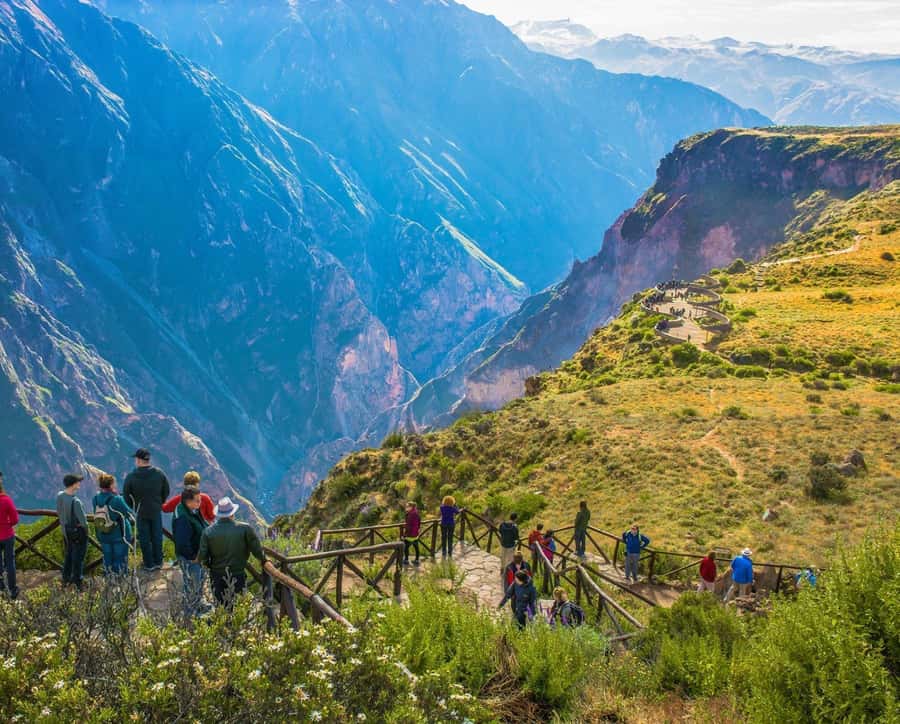
Hot springs are not just a nice extra. After two days of steep walking, they act like a pressure release valve. Your calves and thighs will thank you.
The tour includes time at thermal baths, and there can be an optional entrance ticket for the hot spring area. Either way, it’s part of the “finish line” rhythm: climb, recover, then ride back to Arequipa with your legs functioning again.
If you’re the type who tends to skip recovery because you want to see more, this stop is worth making time for. Your body is still working even after you stop moving.
Terrain, safety, and the reality of steep, uneven paths
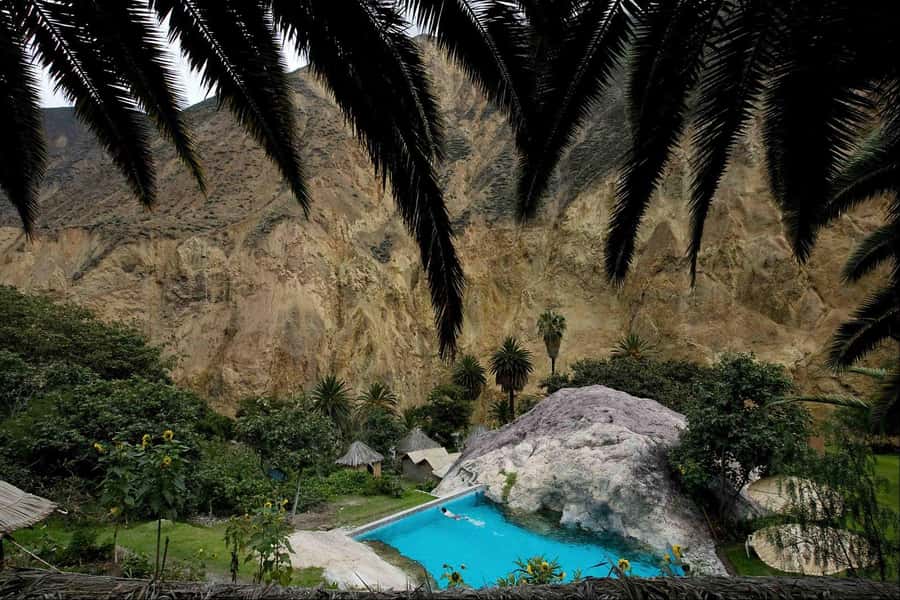
Let’s be direct. This trek is not a casual hike. The paths are steep and uneven, and some sections can feel exposed, especially if you’re not used to mountain footing.
That’s why the tour is clearly not suitable if you have:
- Back problems
- Mobility impairments
- Vertigo
- Low fitness
Even if you are fairly fit, treat this as a hike where technique matters. Use trekking shoes with grip. Keep a slower cadence on descents. Use poles if you have them, even if the tour doesn’t mention them, because they can reduce strain on knees.
Also, don’t assume the guide will cover every detail at the best moment. In practice, communication can vary during van rides and early morning departures. I’d be proactive:
- Ask what the hardest section is for your group’s pace.
- Confirm what you should do if someone needs extra help.
- Clarify whether there are options to reduce the climb if needed.
One encouraging detail: there can be an option to take a mule back up on the second day if your energy or comfort runs low. If that matters to you, ask early and honestly. The earlier you bring it up, the easier it is to manage expectations.
What to bring: shoes, water, and the small items that matter at altitude
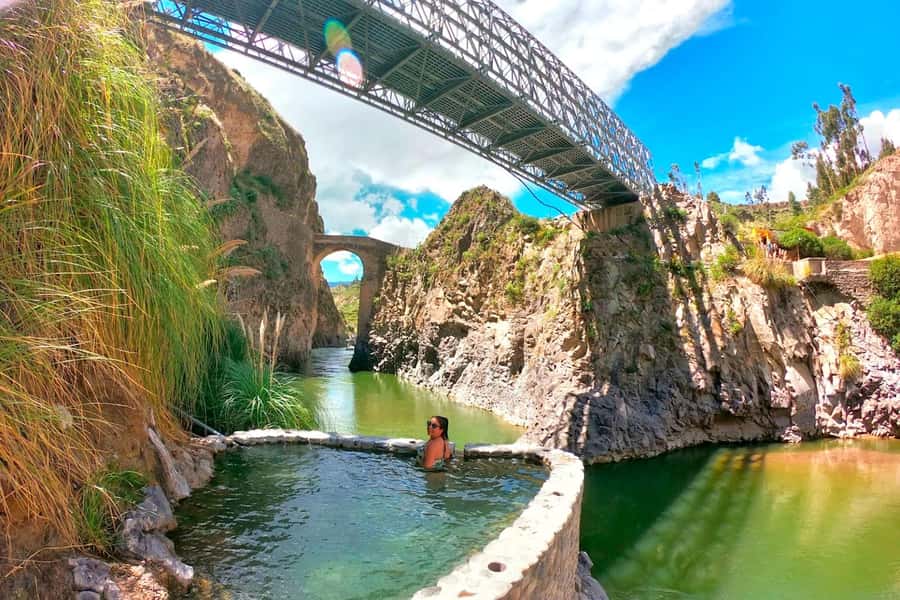
The tour guidance is clear on the basics: comfortable shoes, hat, camera, snacks, sunscreen, and water. I’d add a couple of “small but huge” items based on real-world experience with early starts and basic canyon conditions:
- A headlamp for early morning climbing and low light.
- Toilet paper (pack it in a small pouch). It can be hard to count on supplies in remote areas.
- Extra snacks beyond what you think you need. The second day can feel especially demanding because the big climb comes early and breakfast happens at the next stop after the climb.
Water is the other big one. Altitude plus exertion can make you feel thirst in a delayed way. If you wait until you feel thirsty hard, you’re already behind. Sip often.
Weather can vary, so dress in layers. The canyon area can shift from cool mornings to hotter afternoon sun, and you’ll feel it most on the climb.
Who this Colca Canyon trek is perfect for, and who should skip it
This is a great match if you:
- Want a real hiking challenge with big payoff views
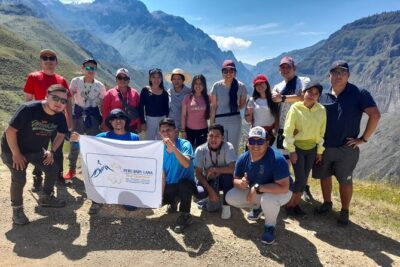
- Enjoy walking with a guide and staying in a small group
- Like cultural contact, especially a lunch in a local home and village stops
- Want the full Colca arc in two days, condors plus bottom-of-canyon walking plus hot springs
It’s not a great match if you:
- Have vertigo or a fear of exposed footing
- Struggle with steep downhills or knee stress
- Have mobility impairments or back issues that make uneven ground unsafe
- Prefer to spend most of your time on flat paths or in vehicles
And one more fit question: do you handle early starts well? Day 1 begins around 03:00 pickup. Day 2 starts hiking before sunrise. If mornings drain you, plan how you’ll stay calm and fueled.
Should you book the 2-day Arequipa to Colca trek?
Yes, if you’re honest with yourself about fitness and terrain. The value here comes from going beyond viewpoints. You get down-canyon hiking, a real overnight in Sangalle, condors at Cruz del Cóndor, and a recovery stop at Chivay hot springs. It’s a tight two days, but it’s built around the Colca’s best moments.
I’d also book with your homework done. Budget the $90 or 320 soles extra payment for food, lodging, and an entrance ticket. Plan for optional hot spring entry costs. Pack a headlamp and toilet paper. And when you meet your guide, ask direct questions about difficulty and any options for reducing the climb on day 2.
If you want a dramatic Colca experience without serious walking, this won’t be the right fit. If you want effort that leads to earned views and real canyon life, this one is worth your time.
FAQ
What time do I get picked up in Arequipa, and when does the tour end?
Pickup is at around 03:00 in Arequipa. The activity ends around 17:30 in the center of Arequipa.
How long is the trek?
The experience runs for 2 days.
Is transport included?
Yes. You get round trip tourist transport from Arequipa to the Colca area and back.
What costs are not included?
You need to pay $90 or 320 soles in cash at the start to cover food, lodging, and an entrance ticket. An optional hot spring ticket may also cost $5 or 15 soles.
How big is the group?
The tour is a small group, limited to up to 18 participants.
What should I bring?
Bring comfortable shoes, a hat, camera, snacks, sunscreen, and water. The trek involves steep and uneven paths, and weather can vary.
More Hiking & Trekking in Chivay
- Classic Inca Trail Trek 4D/3N to Machu Picchu (Group Service)
★ 5.0 · 8,653 reviews - Machu Picchu: 4-Day Inca Trail Trek with Panoramic Train Ride
★ 5.0 · 4,568 reviews - Salkantay Classic Trek 5 Days from Cusco
★ 5.0 · 4,062 reviews - 4-Day Salkantay Trek with Sky Camp Stay
★ 5.0 · 3,346 reviews
Recently reviewed around Chivay
- Tour Fullday Colca Canyon with Breakfast and Typical Lunch★ 4.3 · 35 reviews
- Turist Bus Colca Canyon (Chivay) To Puno★ 5.0 · 83 reviews
- Offer Price: Colca Canyon One Day in Arequipa with Breakfast★ 4.5 · 4 reviews
- Full day excursion to Colca Canyon★ 4.2 · 6 reviews
- Full Day Trip to Colca Canyon from Arequipa ending in Puno★ 4.5 · 4 reviews
- From Puno: 2-Day Tour to Colca Canyon ending in Arequipa★ 4.1 · 4 reviews
- From Puno to Arequipa: 2 Days/1 Night Colca Canyon Tour★ 3.6 · 83 reviews
- From Arequipa: Tour Colca Canyon 2 Days with End in Puno★ 4.2 · 12 reviews
Colca Canyon, compared.
2-Day Tour Colca Canyon in Arequipa with end in Puno
Read our review →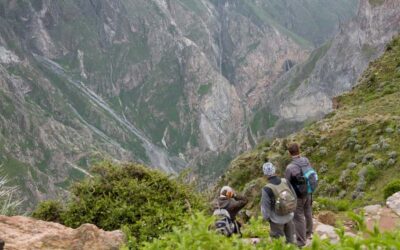
Browse the lists this tour appears in