
Reviewed · EVENING EXPERIENCES IN AREQUIPA
Arequipa | Ascent to Chachani Volcano 2 days / 1 night
Chachani Volcano is the kind of hike that feels like you are doing something real in the mountains, not just tagging along for photos. I like the way it blends real altitude with a straightforward route, and I also love the small-group feel (limited to 10) that keeps the climb personal. One thing to think about first, though: this is an intense, early-start trek, and it is not a good fit if your body has limits like back or heart issues.
From Arequipa, you roll out in a 4×4, then you walk. Day 1 builds you up slowly to base camp, and day 2 asks for a fast, cold push to the top if weather cooperates. Expect thin air and a lot of effort, and plan to bring what you need since trekking gear and snacks are not included.
There is also a fun local touch that helps the trip click with the city you came from. Arequipa is called the White City because of a white volcanic stone used on churches, and that same regional character is part of why the whole experience feels grounded in place, not just movement.
Key highlights and what makes them worth it
- White volcanic stone link to Arequipa: That famous local building material is part of why Arequipa earns the White City nickname.
- Tents at 5200 m: You sleep at high altitude with a simple, practical mountain setup.
- A summit bid around 5:00 a.m.: The timing is built for views and weather, but it means a very early wake-up.
- English and Spanish guides: You get guidance that works even if your Spanish is still a work in progress.
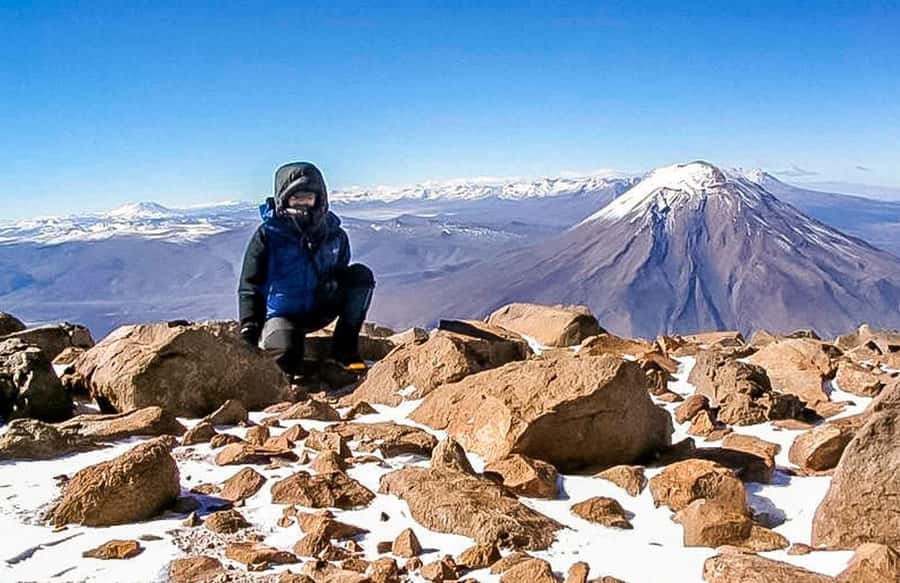
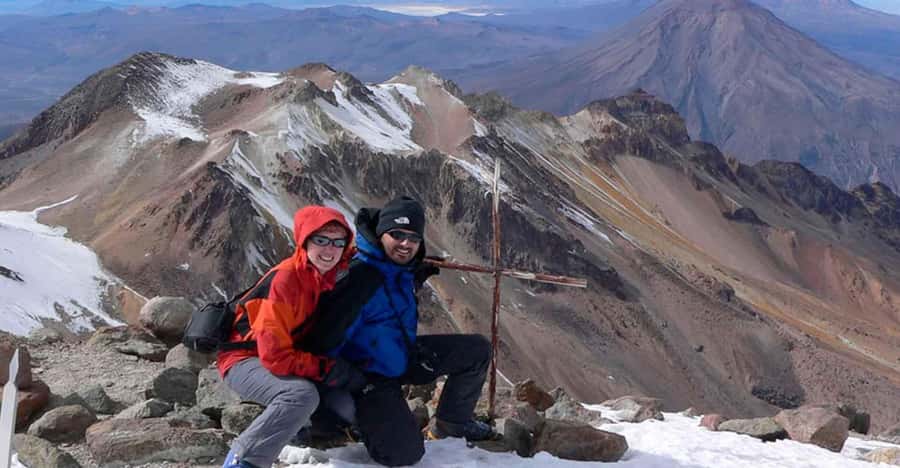
- Big volcano views you can name: You get free time at the summit to look at Coropuna, Ampato, Hualca Hualca, Sabancaya, Misti, and Ubinas.
- Support on the climb: Small group size helps you move with the guide and stay on track without a chaotic crowd.
Chachani Volcano in Arequipa, the kind of hike you can feel
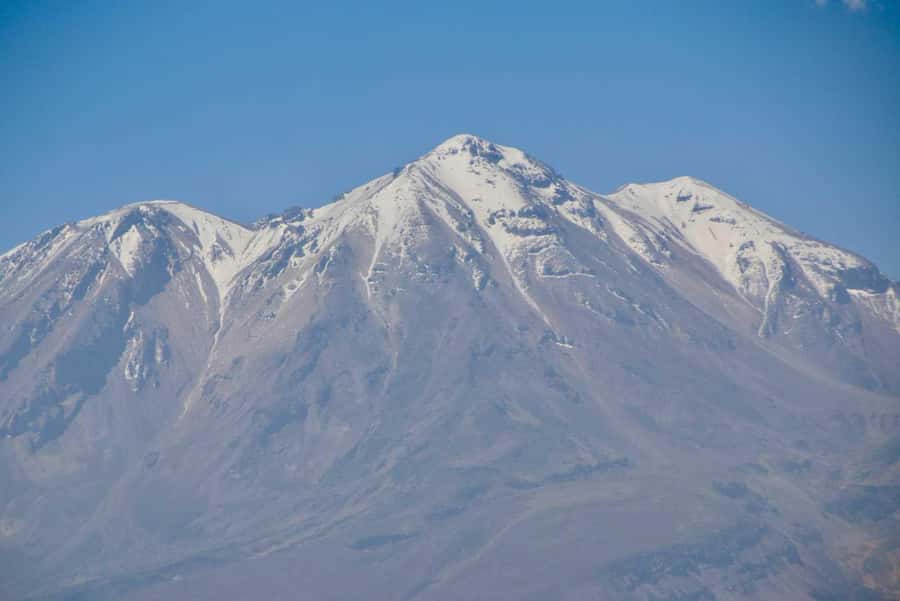
Chachani sits above Arequipa in Peru’s volcanic zone, close enough that the trip feels like an extension of the city, but remote enough that the air changes once you start climbing. This is not a long expedition with days of technical climbing. It is more like a tough mountain hike with a night at altitude.
What I like most is how the pacing is built into the plan. Day 1 starts with gradual walking, so you ease into the effort and get your breathing working before the altitude really starts to bite. Then day 2 starts at 2:00 a.m., so you summit while conditions are usually best, and you come back down with enough daylight to keep it steady.
This tour also keeps the group tight, with a limit of 10 participants. That matters. In a small group, you can get real help adjusting pace, handling early cold, and not feeling lost when the ground starts to level out or gets steep.
One more practical detail: you will be traveling in a 4×4 for the approach and the return. That saves energy for the walking parts, and you do not have to figure out mountain transport on your own.
More Evening Experiences in Arequipa
- 2 day 1 night trek / Colca Canyon
★ 5.0 · 1,069 reviews - Colca Canyon Trek 3 Day 2 Night
★ 5.0 · 328 reviews - 2 Day 1 Night Trek / Colca Canyon
★ 4.5 · 92 reviews
Day 1: pickup, 4×4 ride, and the slow build to base camp
You start with a hotel pickup in Arequipa at 7:30 a.m.. Your pickup point can be the Historical Centre near Plaza de Armas, and you will also be picked up from any hotel in Arequipa. Just be ready in the lobby about 10 minutes before your scheduled pickup time.
From there, you head out in a 4×4. The goal is to reach Pampa Cañahuas by around 10:00 a.m., located at the back of Chachani. That timing is useful. You arrive, get oriented, and start the hike with daylight and a little time to get ready.
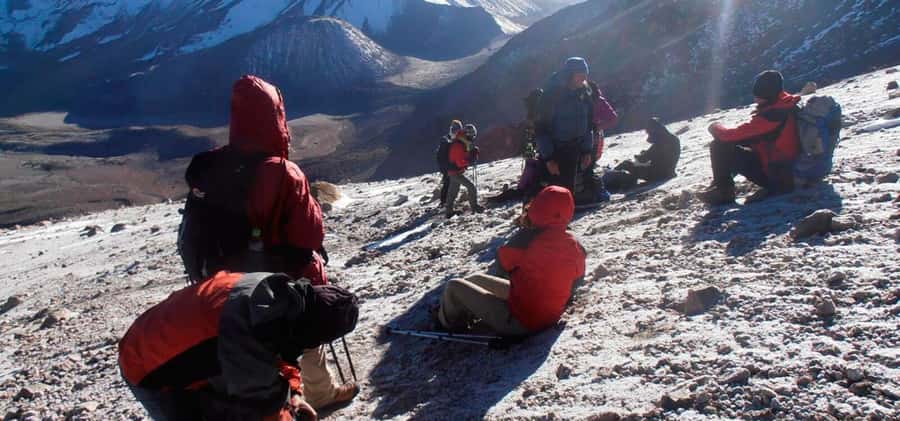
At Pampa Cañahuas, you get a briefing and some basic recommendations from the guide before you start walking. Then the first big step is on foot: about two hours of gradual ascent with low intensity. The idea is to keep it controlled while your body adjusts to altitude.
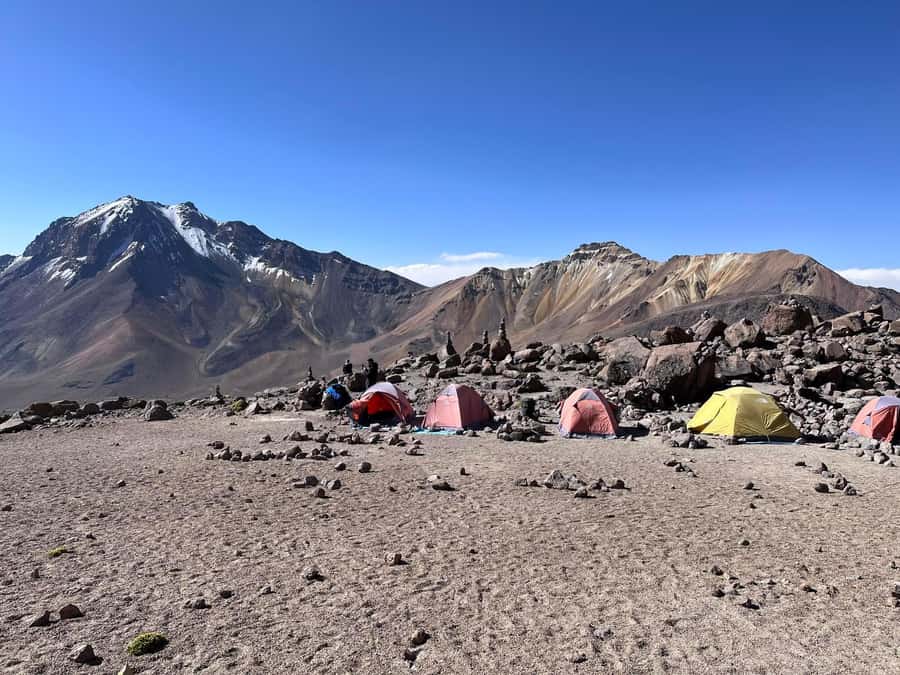
Next comes base camp at 5200 meters. This is where you stop for the night. You set up tents, then eat something warm and filling. The lunch is either soup and pasta or canned food, which tells you the philosophy: mountain food that is easy to prepare, easy to digest, and good enough to keep you going.
In the evening, you get tea, then you sleep. It is not a hotel experience. It is practical mountain downtime. Your goal overnight is to recover as well as you can so the early summit push on day 2 does not feel like a shock.
What can trip people up on Day 1
Even with gradual walking, altitude starts working on you. If you go too fast early, you will pay for it later. Also, since trekking equipment is not included, you want to have your own footwear and poles if you use them, so you do not spend Day 1 dealing with blisters or unstable footing.
Base camp at 5200 m, tents and timing more than comfort
Base camp at 5200 m is the core “experience” moment for this trip. This is where you trade comfort for simplicity, but you also gain context. When you sleep at altitude and wake up near it, you understand what the mountain is doing to your breathing.
Your gear support is handled, at least for shelter. You get one night accommodation in tents, and the tour includes the setup side of that. You still need to manage your own clothing and personal care, like bringing the right jacket and change of clothes.
What you can count on: food is warming and simple. Lunch on Day 1 is soup and pasta or canned food. Breakfast on Day 2 is also meant to warm you up before the cold push to the summit.
The best way to use base camp time is to keep moving calmly. Do not overexert yourself after you arrive. Instead, focus on hydration, eating, and getting sleep.
One more thing I take seriously: water. One guide support note from an experienced participant was that water for cooking ran short during their outing. That is not proof it will happen every time, but it is a good reason to be proactive. Bring your own water planning, and if you have questions before you start, ask how they handle water for the night and cooking.
A few more Arequipa days worth comparing
- From Arequipa: Colca Canyon Full-Day Guided Tour with Meals
★ 4.5 · 982 reviews - Tour to the Salinas Lagoon and National Reserve in Arequipa
★ 4.5 · 548 reviews - From Arequipa: Sillar Route Trek
★ 4.2 · 461 reviews - Colca Full Day Tour
★ 4.5 · 429 reviews
The 2:00 a.m. start and the summit push when the air is cold
Day 2 begins at 2:00 a.m. After waking up, you get ready again for the hike, and the group verifies that everything is set to continue. Then you get breakfast designed to warm you up.
This is where the tour becomes real mountain hiking. The climb to the summit is described as intense. It is an early, demanding push, and the timing goal is to reach the summit at around 5:00 a.m. if weather is good.
That weather note matters. Volcanic regions can change quickly, and conditions can affect how long the climb takes and whether views open up. The plan still provides structure. You hike, you stop as needed, you keep moving, and the guide helps you stay in rhythm rather than panicking about the clock.
When you summit, you get free time. This is not just a quick photo and out. The tour gives you a bit of breathing space to recover, then take in the views.
Summit views you can actually name: Coropuna, Ampato, Misti, and more
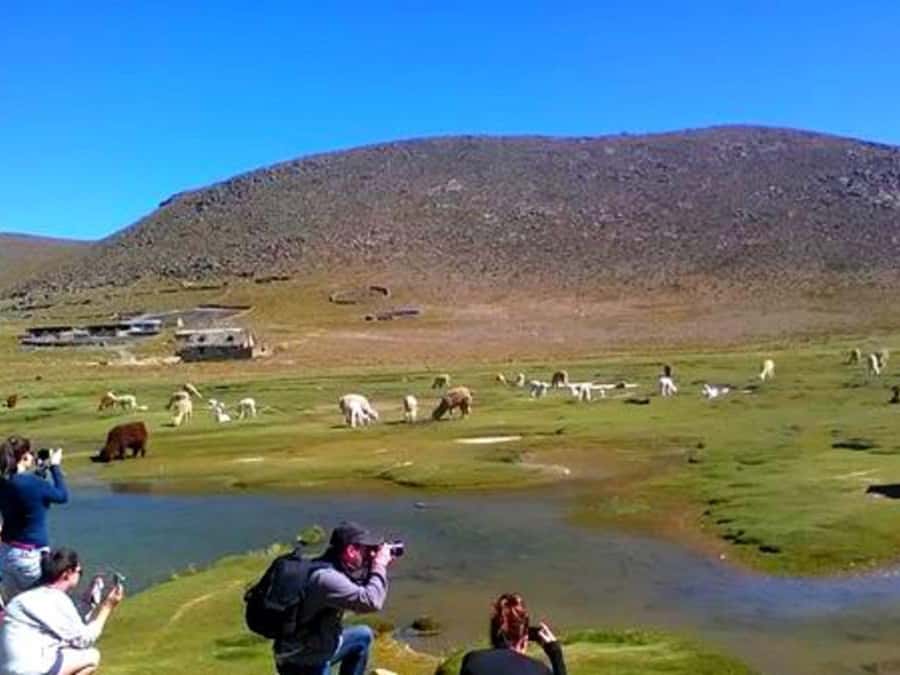
At the top, you are positioned to see a cluster of Peru’s volcanoes. The tour highlights specific peaks, and that detail helps you look like you know what you are seeing instead of just watching shapes.
From the summit free time, you can contemplate:
- Coropuna
- Ampato (including snow-capped peaks)
- Hualca Hualca
- Sabancaya (active)
- Misti
- Ubinas
That list is more than trivia. It helps you connect the climb to the region. Chachani is not isolated. It is part of a volcanic ring that shaped the land and the communities around it.
This kind of view time is also where your effort pays off emotionally. You can feel the exhaustion, then you look out and realize you earned the right to pause.
If you do summit time right, you balance two things: take in the big picture, and also enjoy the small movements of being up there. That means staying steady, not rushing, and accepting that cold and altitude can make you feel slower than normal.
Descending from base camp, stops to reset, and the return to Arequipa
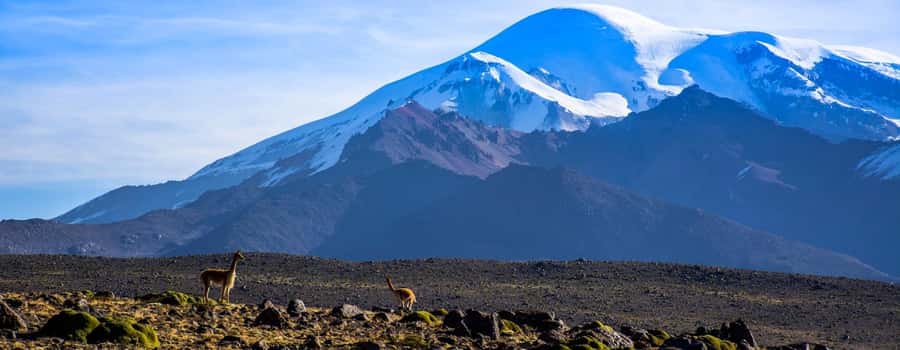
After the summit and free time, you descend toward base camp. The tour builds in rest points. As you go down, you make several stops to rest along the way.
Descending is not automatically easier. Your legs can feel beat up from the steep parts, and slipping is always a risk. The rest stops help you stay safe and keep your pace controlled.
Once you reach the starting point again, the 4×4 is waiting to take you back to Arequipa. This return matters. After two days of effort and one night at altitude, it feels good not to add another complicated transportation plan.
Price and value: what $144 buys you in the real world
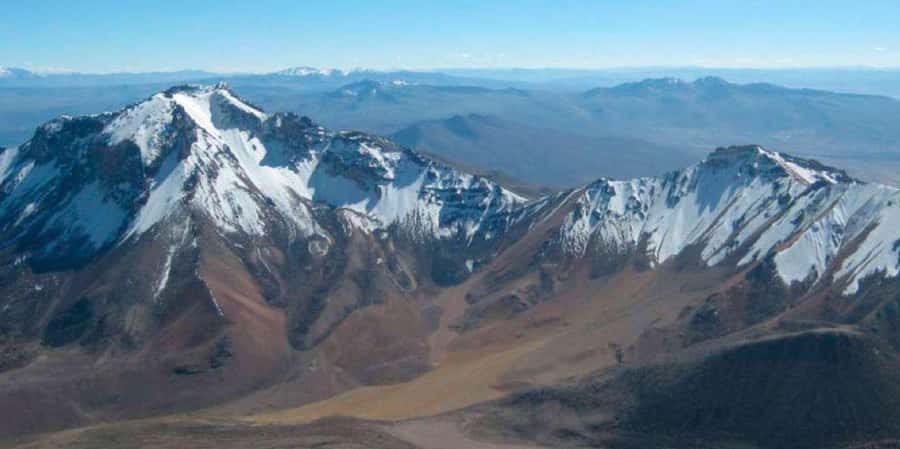
At $144 per person for a 2-day, 1-night outing, you are paying for more than access to a mountain. You are paying for structure, safety thinking, and logistics you would have to solve yourself otherwise.
Here is what the price includes:
- Hotel pickup in Arequipa
- 4×4 transportation
- An English and Spanish guide
- 1 night accommodation in tents
- Lunch on Day 1
- Breakfast on Day 2
What is not included:
- Trekking equipment (poles, shoes, backpacks)
- Snacks
So the value calculation becomes clear. If you already have proper footwear and you are comfortable managing your own food and snacks, this can be a solid deal because the tour handles guide support and mountain basics. If you do not have gear, the cost can creep up fast when you need to rent or buy poles, shoes, or a backpack that can handle the hike.
Also remember: the itinerary includes a briefing one day before at 6:00 p.m. That adds value because you get to ask questions and get organized before the early wake-up day.
For me, the best value signal is the small group size (10 max). On a summit hike, “crowded” turns into slower walking, more waiting, and less personal pacing. Here, you likely get a more manageable experience.
Who this tour fits best, and who should skip it
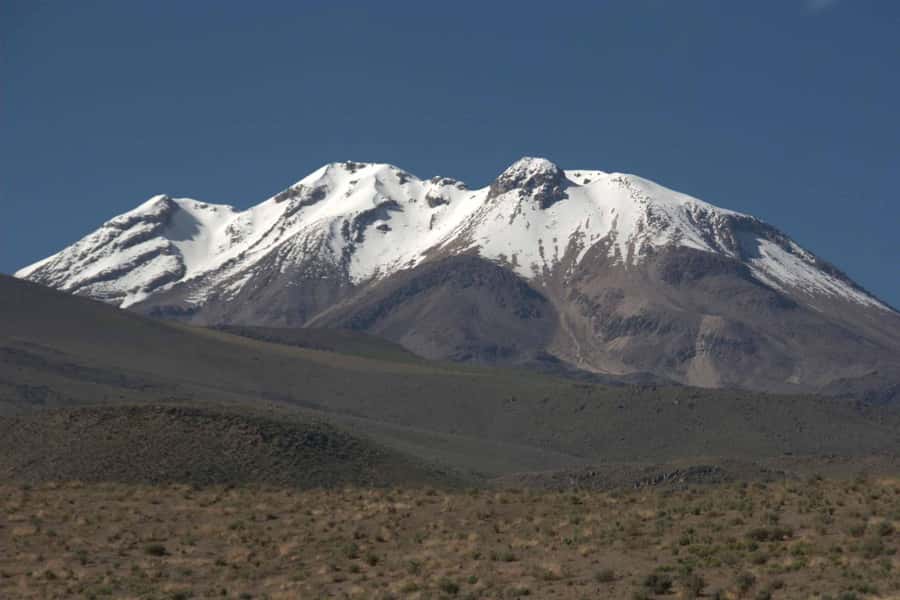
This Chachani ascent is a tough couple of days. The tour is explicitly listed as not suitable for:
- Pregnant women
- People with back problems
- People with heart problems
- Wheelchair users
- People over 60
If you fall into any of those categories, I would not try to tough it out. Altitude plus early climbing is not the place to negotiate risk.
Who it fits best:
- You are in relatively good hiking shape and you can handle a steep, intense summit push.
- You do not mind waking up at 2:00 a.m. and hiking in cold conditions.
- You like guided structure, and you want someone to help with pace and mountain thinking.
- You prefer small groups over big buses.
If you are the type who enjoys walking for hours, taking rest stops seriously, and earning viewpoints with your legs, you will probably enjoy this a lot.
What to pack so Day 2 does not feel like a bad surprise
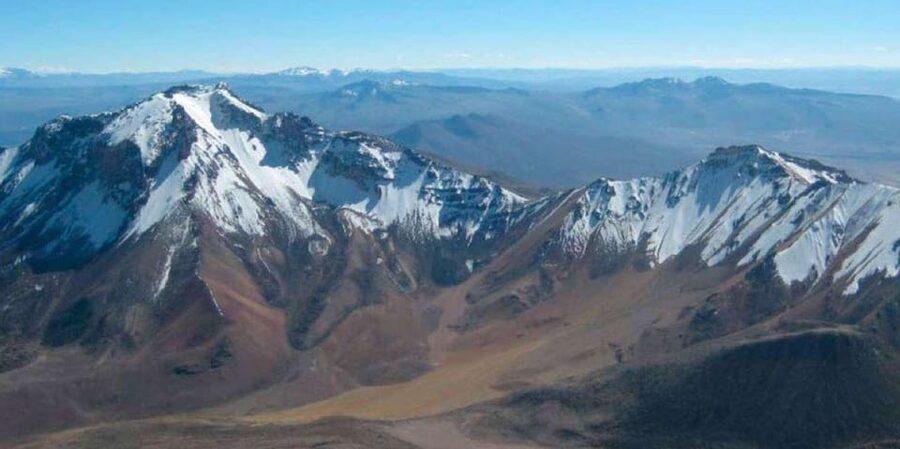
Because trekking equipment is not included, pack with intention. Based on the tour’s own “what to bring” list, make sure you have:
- Passport
- Change of clothes
- Jacket
- Personal medication
Then add what you know you need for altitude hiking, especially:
- Shoes that grip well (you will be walking and descending on uneven ground)
- Layering for early mornings, since cold at altitude can sneak up on you
- Poles if you use them, since the tour does not provide them
- A plan for snacks, since snacks are not included
One practical tip: bring more water planning than you think you need. Cooking water issues can happen, and even if the operation runs smoothly, you still want to be responsible for your own hydration.
Final call: should you book Chachani ascent from Arequipa?
Book it if you want a real mountain hike with guided support, a tight group, and summit views you can name. The combination of a controlled Day 1 ascent, a high base camp at 5200 m, and the structured 2:00 a.m. summit plan makes this feel like an authentic “walk up a volcano” experience.
Skip it if you are not comfortable with altitude intensity, early starts, or steep hiking. And take the not-suitable health limits seriously. This is not a leisurely nature walk.
If you do book, the best move is simple: show up prepared with proper shoes and layers, and treat Day 2 like a mission. You will come back to Arequipa tired, proud, and with views that make the effort feel worth it.
FAQ
How early is pickup in Arequipa?
You get picked up at 7:30 a.m. from your hotel area. The pickup can be from the Historical Centre by Plaza de Armas, and you should wait in your hotel lobby about 10 minutes before pickup time.
What time do you start the summit day?
Day 2 starts at 2:00 a.m., with breakfast before the climb. If weather is good, you aim to reach the summit around 5:00 a.m.
Where do you hike on Day 1?
You head to Pampa Cañahuas by about 10:00 a.m. Then you start a gradual on-foot ascent for about two hours before reaching base camp at 5200 meters.
What is included in the price?
The tour includes hotel pickup, 4×4 transport, an English and Spanish guide, 1 night in tents, lunch on the first day, and breakfast on the second day.
What do I need to bring?
Bring your passport, change of clothes, a jacket, and personal medication. Trekking equipment like poles, shoes, and backpacks is not included, so you should plan to have your own.
Who is this tour not suitable for?
It is not suitable for pregnant women, people with back problems, people with heart problems, wheelchair users, or people over 60.
Recently reviewed around Arequipa
- 2-Day Tour to the Magical Colca Canyon★ 4.5 · 29 reviews
- Full Day Tour to Colca Canyon from Arequipa★ 4.0 · 34 reviews
- Full Day Tour To The Salt Lake Salinas in Arequipa★ 4.5 · 34 reviews
- Full Day Trip to Colca Canyon from Arequipa★ 4.0 · 34 reviews
- Tour Fullday Colca Canyon with Breakfast and Typical Lunch★ 4.3 · 35 reviews
- Colca 2 Days and 1 Night★ 5.0 · 35 reviews
- 2 Day Trek Including Transfer to Puno / Colca Canyon★ 4.5 · 38 reviews
- 3-Day Colca Canyon trek with Professional Guide★ 5.0 · 40 reviews
Evening Experiences in Arequipa, compared.
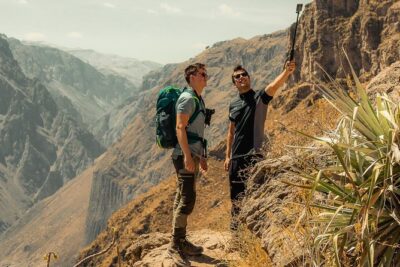
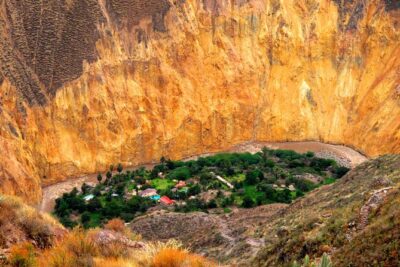
From Puno to Arequipa: 2 Days/1 Night Colca Canyon Tour
Read our review →
Browse the lists this tour appears in