
Reviewed · 4-DAY EXPERIENCES
4 Days Guided Tour in Choquequirao Peru
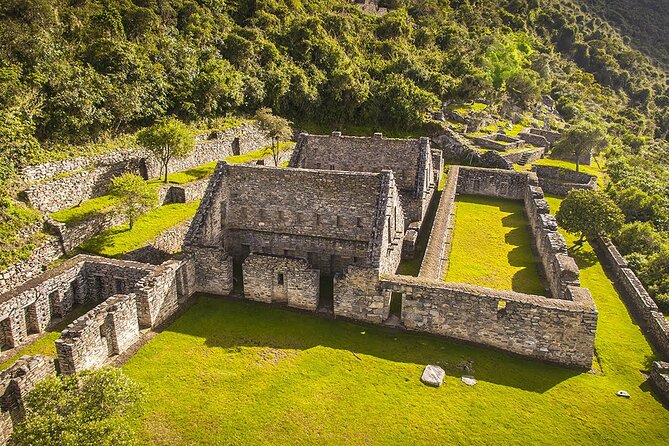
Choquequirao is one of Peru’s big sites that still feels off the main track, which makes this trek different from the usual Machu Picchu rush. I like that you get long stretches of trail, plus real time at the ruins, and then you sleep under open skies. My favorite parts are the small-group feel (often only a few people) and how the guides bring the Inca story to life. The main drawback to plan for is the physical effort, with a long first day into the canyon and a steep push back up on Day 2.
From the start, this trip has a serious rhythm: very early mornings, changing terrain from high Andean hills down into canyon country, and nights at camps along the way. People also report the logistics are tight and calm, with guides like Adrian or Humberto answering questions patiently and helping you keep a steady pace. If you’re looking for a gentle walk with minimal elevation change, this is not that.
One more practical note before you fall in love with it: the schedule is timed down to the hour, so you should go in with the mindset of hiking first and photographing second. When you do that, the payoff is huge, because you are not just visiting ruins, you are earning them on foot.
Key highlights worth paying attention to
- Small group pacing that helps you feel relaxed at Choquequirao, not rushed
- Morning starts that put you on the trail while the canyon air is cool
- Porters plus camping setup so you can focus on walking
- Guides like Adrian and Humberto who explain what you’re seeing in plain terms
- Open-sky nights with Andean darkness after dinner at camp
Why Choquequirao feels different from the usual Peru highlights
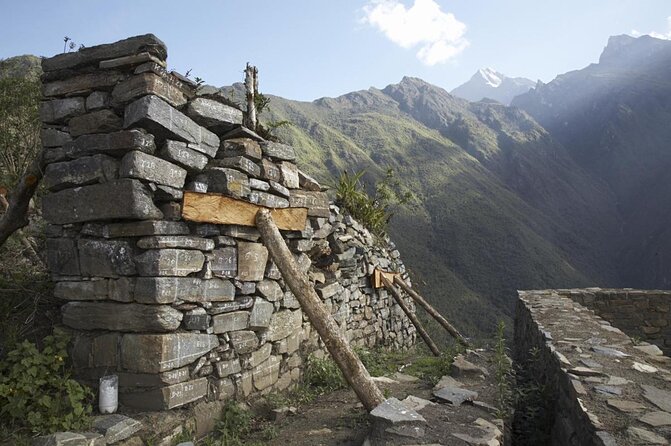
Choquequirao sits away from the crowds, and that changes the whole experience. You don’t just show up and take photos. You walk in through the same kinds of valleys and ridgelines that make this region hard to reach, which is part of why the site feels “real.”
What I love is how the day structure turns into a story you can feel in your legs. Day 1 is about descending and watching the terrain shift. Day 2 is about the climb that reminds you why this place was important. Then you arrive at Choquequirao with your body already aware of altitude, distance, and effort. That makes the site tour more than a walk-through.
Another detail I appreciate is the way the ruins visit is timed. You spend a meaningful chunk of time near the site, and on the next morning you’re back in the area early enough to experience the place with fewer people in the way. This is the kind of pacing that makes your photos better, too, because you have time to look around instead of sprinting for highlights.
The tradeoff is that the trek is long and you need stamina. There’s no way to “shortcut” your way into comfort here.
More Choquequirao treks:
- Choquequirao Trek 4 days and 3 nights
★ 5.0 · 81 reviews - Classic Choquequirao Trek – 5 Days / 4 Nights
★ 5.0 · 52 reviews - Choquequirao Trek (4 Days)
★ 5.0 · 7 reviews
The trekking rhythm, from canyon drops to camp nights
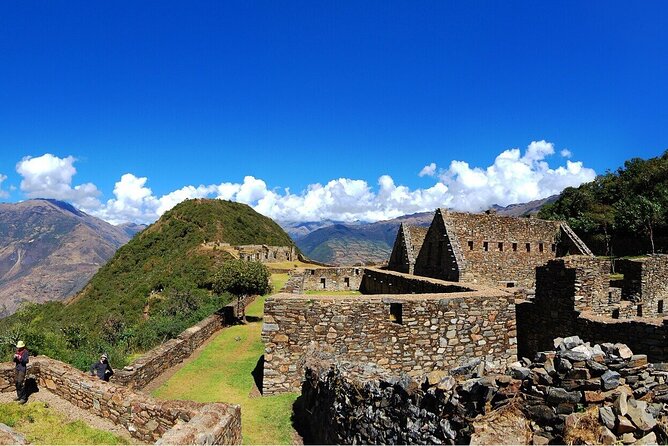
This trek runs in a classic down-up pattern. You start Day 1 by going down into the Apurimac Canyon area, and then you spend Day 2 climbing back toward the ruins. That pattern matters because your legs will feel it.
Day 1 includes a lot of walking with shifting environments, and you’ll notice it from the start. You leave Cusco early, head through Anta’s hills and the Apurimac Valley, then break for breakfast before reaching Capuliyoc. From there you descend, and the scenery changes from alpine conditions into more desert-like canyon terrain. That variety is one of the joys of the trip, and it’s also why starting early helps. In the afternoon, the heat and dryness can make pace tougher.
Then comes the camp rhythm. You hike until late afternoon, arrive at camp, eat dinner, and get a night sky that feels huge. One account sticks with me: camping under open sky was described as out of this world. You might not think about clouds and darkness when you book, but when the day ends and you look up, it becomes part of why the trek stays in your memory.
Because the schedule is full, you should expect limited downtime. You’ll have rests and lunches, but the day is built around trail time.
Day 1: Capuliyoc to Santa Rosa, the big first descent
Your Day 1 starts very early, leaving Cusco at 5:30 AM. The early departure is not just for show. It helps you get to Capuliyoc around 10:30 AM, right when the views are crisp and the trail is manageable.
At Capuliyoc, you get time to admire the landscape from the viewpoint before the real work begins. The next phase is descent into the canyon area, which means your knees will feel the switch if you’re not used to going downhill. You’re hiking for about 5 hours to the next stop area, and the environment is changing as you go. You might notice different birds and plant types along the way, which makes the trail feel alive instead of repetitive.
Then you reach Chiquisca at around 2:00 PM (listed at 6,234 feet / 1,900 meters). This stop is a reset. There’s time to rest and enjoy lunch without rushing. After that meal, you continue further into the canyon.
By about 3:00 PM, you arrive at Playa Rosalinas (listed at 4,921 feet / 1,500 meters). This is described as a calm beach area beside the roaring Apurimac River. Even if you only pause briefly, it’s a welcome change of pace. You might even wash your face in the river water if conditions allow, because that little ritual feels like a battery recharge after hours on the trail.
The last push of the day is toward Santa Rosa. Starting at 3:30 PM, you climb uphill again, reaching camp by about 6:00 PM. Expect dinner around 7:00 PM, then a quiet evening with the stars before sleep. Ticket notes for this portion indicate some site fees are included, while one segment is marked as free, so you do not have to worry about collecting entry money during the trek.
Big Day 1 takeaway: it’s a classic “go down first, then keep moving” day. If you start the trek with a controlled pace and don’t slam downhill, you’ll feel better on Day 2.
Day 2: Marampata, then the climb up to Choquequirao
Day 2 begins at 5:30 AM with breakfast back at the Santa Rosa campsite. This early start is your key to reaching Marampata in time. You start trekking around 6:00 AM and reach Marampata by about 8:30 AM.
Marampata is set up like a mid-morning break point. You get a short rest and snack up for the next leg. The reason I like this structure is simple: it helps you keep energy for the big arrival day. You’re not just tired from Day 1, you’re also waking up at altitude again, so those small pauses matter.
By around 10:00 AM, the trail begins offering glimpses of Choquequirao, which is a great psychological moment. It can be hard to stay motivated when you’re climbing without seeing the payoff. Getting those distant views tells you the effort is working.
Lunch is planned at about 12:00 PM near the ruins area, giving you fuel before the guided site time. Then you get the Choquequirao ruins tour starting around 1:00 PM. This is where the guide really matters. Names you may hear in this experience include Adrian and Humberto, and the way they’re described is consistent: supportive, professional, and ready to explain what you’re looking at, including how the Incas used or valued Choquequirao.
After the tour, camp is set by about 4:00 PM near the ruins. You’ll then have dinner following twilight, with the schedule listing dinner after 6:30 PM and sleep around 8:30 PM.
Big Day 2 takeaway: Day 2 is the effort day. It’s the day that turns into reward because you reach Choquequirao while you still have your “fresh eyes” for ruins.
A few more Cusco days worth comparing
- Classic Inca Trail Trek 4D/3N to Machu Picchu (Group Service)
★ 5.0 · 8,653 reviews - Cusco: Rainbow Mountain and Red Valley Day Trip with Meals
★ 4.9 · 4,893 reviews - Machu Picchu: 4-Day Inca Trail Trek with Panoramic Train Ride
★ 5.0 · 4,568 reviews - Salkantay Classic Trek 5 Days from Cusco
★ 5.0 · 4,062 reviews
Day 3: Early Choquequirao morning, then back down toward Marampata and Chiquisca
You wake up in the ruins area and morning starts with Choquequirao itself. You’re in the area around 6:00 AM, then breakfast is planned for 6:30 AM. Exploration begins around 7:00 AM, and this is when you get deeper into the site, walking among ancient structures and taking in the setting from a close-up perspective.
A good sign of value here is that you are not only visiting Choquequirao once. The schedule keeps you in the area across two days, which means you can notice more details the second time and let the place sink in.
After the morning, you shift back toward lush landscapes and head away from the ruins. By 10:00 AM, you travel back to Marampata. The schedule suggests a midday arrival around 12:00 PM, when you stop for lunch and rest.
Then you continue to Chiquisca. The plan has you leaving around 1:00 PM and reaching camp by about 5:00 PM. Dinner is listed at 7:00 PM, and you’ll sleep by around 8:00 PM.
One practical consideration for Day 3: by this point, you’re back to hiking in the late day light. That means a slower, steadier pace helps. If your feet are sore, this is the day to focus on consistency, not speed.
Day 4: Capuliyoc viewpoint, final descent, and the drive back to Cusco
Day 4 starts at 5:00 AM from Chiquisca, with breakfast at 5:30 AM. Trekking begins around 6:00 AM toward Capuliyoc, and this time you’re moving over familiar terrain. That familiarity is comforting, because you know what the day is doing to your body.
You reach the Capuliyoc viewpoint around 9:00 AM. This is a great moment to pause. Even if you saw it earlier, you’re seeing it after three full days of trail fatigue and wonder, so the canyon views can hit differently. After that, you take a gentle descent back toward the end of the trek. The timeline has you finishing around 12:00 PM, followed by a congratulatory lunch.
After lunch, the drive back to Cusco starts around 1:30 PM. You roll through Andean roads, then return to Cusco around 6:00 PM. That means you get a day that feels like a finish line, not a last-minute scramble.
Big Day 4 takeaway: you get payoff plus closure. You’re not rushed off the trail at the last second, and you get the satisfaction of ending with food and time to recover.
Guides, porters, and the small-group advantage
This trek is built around people, not just geography. Two names show up in the strongest, most helpful feedback: Adrian and Humberto. The common thread is that they explain things in a way that feels practical and respectful, not just reciting facts. Adrian is described as supportive and detailed about local traditions and customs, while Humberto is credited with being accommodating and explaining the importance of the site to the Incas.
The small-group size matters because it changes the pacing. This tour lists a maximum of 9 travelers, and experience notes reflect that some trips run even smaller, with only a few trekkers in the group. That means you get a more personal rhythm on the trail. It also helps during the ruins tour, where time to look and ask questions feels more available.
Porter services and camping equipment are included, which is a huge practical win. You can focus on hiking instead of managing heavy loads. It also tends to make the trek safer, because your energy stays where it belongs: on footing and steady climbs.
One more name worth noting from the experience team is Richard Mendoza, mentioned in connection with friendliness and attention. When the staff feel human and responsive, the whole trek feels calmer.
Price and value: what you really get for $672
At $672 per person, this is not a budget impulse buy. But when you look at what’s included, the price starts to make sense.
You get round-trip transportation, guided tour, porter services, camping equipment, camping site fees, and a full meal setup: 3 breakfasts, 4 lunches, and 3 dinners are listed as included. That kind of package removes a lot of the guessing that often drains time and money on DIY treks. You are paying for logistics.
You’re also paying for the hardest part of the trip: the planning and movement between camps and ruins. The itinerary is timed carefully, with multiple trail segments each day and set meal windows. That structure reduces stress, especially when you’re hiking at altitude and trying to manage your own pace.
Could you do it cheaper? Possibly, but you’d likely trade off organization and support. And for a route like Choquequirao, that support is not a luxury. It’s what keeps the experience enjoyable instead of exhausting.
If you care about a guided ruins interpretation, meals, and a camp setup that does not depend on your packing strategy, this price can feel like good value for a four-day trek.
What to pack and how fit you need to be
The tour notes say you should have a strong physical fitness level. That’s not vague. Look at the pacing: multiple hiking hours per day, early departures, and at least one challenging ascent on Day 1 toward Santa Rosa plus another climb back toward Choquequirao on Day 2.
Pack for real trekking conditions. You’re moving through different elevations and terrain types, so bring layering options and plan for cool mornings. Even if you do not know the weather, you can still prepare for it.
Since personal items and personal gear are not included, you should assume you’ll handle your own essentials. Porters carry some load and camping equipment is included, but you still need your own clothing, toiletries, and trekking basics.
Foot care matters on this route. Long days plus downhill segments can be tough on the feet. If your footwear is too soft or worn out, you’ll feel it.
Who this Choquequirao trek suits best
This is a great fit if you want an active Peru experience that still has culture built in. You’re not just walking in the mountains. You’re getting an organized Choquequirao ruins tour with explanations from guides like Adrian or Humberto, and you have time to absorb the site.
It also suits people who like the idea of sleeping at camp and seeing the night sky after hiking all day. If that sounds fun to you, you’ll probably enjoy the camp structure as much as the ruins.
This trek might not be the best choice if you:
- want a low-impact walk
- hate early mornings
- need frequent, long breaks beyond the scheduled stops
Should you book this 4-day Choquequirao guided tour?
Yes, if you’re ready for a real trek and you want Choquequirao with support. I think the biggest reasons to book are the small-group maximum of 9, the presence of guides who explain the site, and the fact that you are not carrying the full camp setup yourself. The schedule also gives you a meaningful ruins experience across two mornings and a camp near the area.
Hold off if you’re hoping for an easy vacation stroll. This route is about effort, and it rewards hikers who can keep a steady pace.
If you’re the type who likes authentic places, early starts, and learning while you walk, Choquequirao on this 4-day guided trek is a strong choice.
FAQ
How long is the guided Choquequirao trek?
The tour is listed as 4 days (approximately).
What is the price per person?
The price is $672.00 per person.
What does the tour include?
It includes round-trip transportation, porter services, camping equipment, camping site fees, a guided tour, 3 dinners, 3 breakfasts, and 4 lunches.
What is not included?
It does not include personal items and personal gear, plus tips.
What language is the guided tour offered in?
The guided tour is offered in English.
What is the group size limit?
The tour has a maximum of 9 travelers.
Where do we meet in Cusco and when?
Pickup is arranged from the lobby of your hotel, and the listed start time is 5:00 pm.
How fit do I need to be?
You should have a strong physical fitness level to join this tour.
If I cancel, will I get a refund?
No. This experience is non-refundable and cannot be changed for any reason.
Recently reviewed around Cusco
- Cusco Cooking Class by ChocoMuseo in Cusco★ 5.0 · 29 reviews
- ATV Adventure to Moray and Maras Salt Mines – Half Day★ 4.5 · 29 reviews
- 1-day excursion to Machu Picchu from Cusco★ 5.0 · 29 reviews
- Private Tour Sacred Valley, Chinchero, Maras Moray, Ollantaytambo★ 5.0 · 29 reviews
- From Cusco: Humantay Lake with Breakfast and Buffet Lunch★ 4.5 · 29 reviews
- 4 Day – Inca Jungle to Machu Picchu★ 5.0 · 29 reviews
- 2-Day Machu Picchu Tour by Train from Cusco★ 4.5 · 29 reviews
- 2-Day Sacred Valley and Machu Picchu Tour By Train★ 4.5 · 29 reviews
4-Day Experiences, compared.
4-Day Inca Trail Trek with Panoramic Train Ride
Read our review →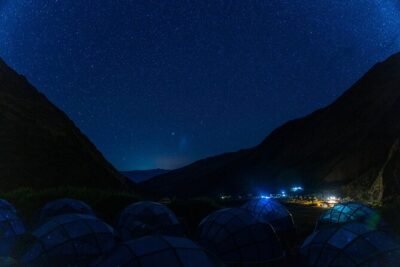
Inca Trail 4-Day 3-Night Trek to Machu Picchu with Expert Guides
Read our review →
Lares Valley Trek with Hot Spring 4-Day, 3-Night
Read our review →
4-Day Inca Jungle Trail to Machu Picchu Hiking and Biking Tour
Read our review →
4-Day Inca Trail to Machu Picchu with Accommodation
Read our review →
4-Day Adventure Tour: Inca Jungle Trail to Machu Picchu
Read our review →
Browse the lists this tour appears in